Good indoor air advice always includes limits because they help you understand what levels of pollutants are safe. These standards turn complex scientific data into clear guidelines, so you know when your environment might pose health risks. Limits guide you to take practical steps like improving ventilation or reducing sources of pollution. If you want to learn how these limits keep you and your loved ones protected, keep exploring the essentials of maintaining healthy indoor air.
Open a free Amazon Business account
Business pricing, bulk buying and tax-exempt orders.
As an affiliate, we earn on qualifying purchases.
Key Takeaways
- Limits translate scientific data into clear, actionable guidelines for maintaining safe indoor air quality.
- They help identify unsafe conditions that require intervention to protect health.
- Enforcing limits ensures consistent assessment and comparison across different indoor environments.
- They serve as benchmarks to monitor pollutant levels and prompt timely corrective actions.
- Including limits in advice promotes awareness and supports effective, enforceable health and safety measures.
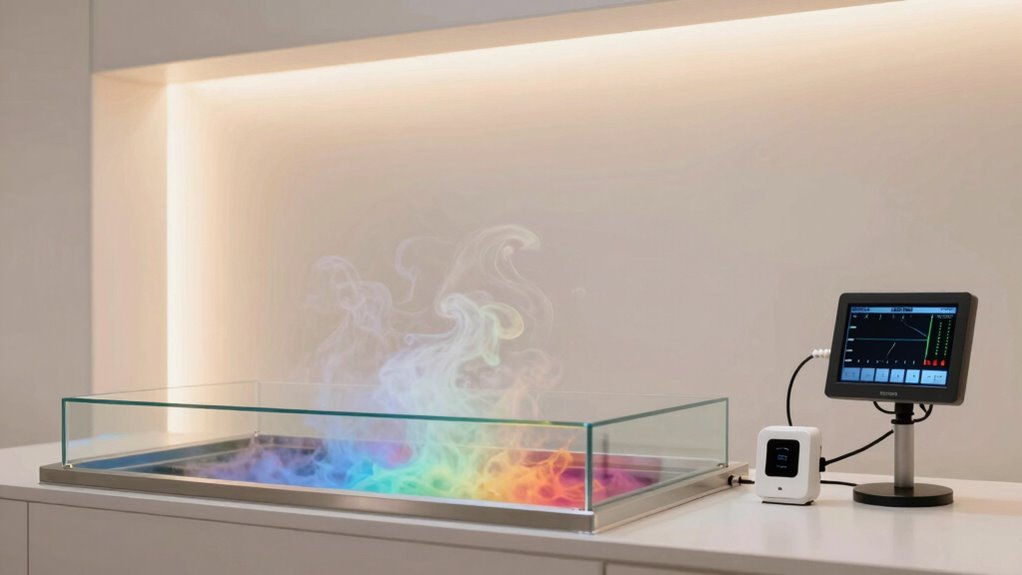
Have you ever wondered how safe the air inside your home or workplace really is? The truth is, indoor air quality can vary widely depending on numerous factors. That’s why good indoor air advice always includes limits—both to protect your health and to set clear guidelines for what’s acceptable. These limits are based on air quality standards, which are scientifically determined levels of pollutants that are considered safe for the general population. By establishing these standards, agencies can define pollutant thresholds—specific concentrations of harmful substances—that shouldn’t be exceeded. This helps you understand when air might be harmful and when it’s within safe limits.
Understanding air quality standards is essential because they serve as a benchmark for evaluating indoor air. For example, standards set by organizations like the EPA or WHO provide guidance on acceptable levels for common indoor pollutants like carbon monoxide, formaldehyde, particulate matter, and volatile organic compounds (VOCs). These pollutant thresholds are designed to minimize health risks, especially for vulnerable groups such as children, the elderly, or those with respiratory conditions. If the levels of these pollutants surpass the established thresholds, it signals the need for action—whether it’s improving ventilation, reducing sources, or using air purifiers.
Air quality standards guide safe pollutant levels to protect vulnerable groups and prompt action when limits are exceeded.
Limits matter because they turn complex scientific data into actionable information. Without these specified thresholds, it would be difficult to determine whether your indoor environment is safe or dangerous. Many pollutants can accumulate quietly over time, and their health impacts might not be immediately obvious. Having clear limits ensures you’re aware of when exposure becomes problematic. It also guides policymakers and building managers to implement necessary controls, like stricter emissions standards or improved filtration systems. These measures are essential for maintaining a healthy indoor environment, especially in spaces where people spend most of their day.
Moreover, setting pollutant thresholds allows for consistent monitoring and comparison across different environments. Whether you’re in a residential home, an office, or a school, knowing the limits helps you identify when indoor air quality is compromised. It encourages proactive steps rather than reactive responses. When indoor air quality falls outside the accepted standards, it’s a sign that something needs attention—be it a mold problem, poor ventilation, or chemical off-gassing from furnishings. Recognizing air quality standards and adhering to them helps you create safer indoor spaces and protect your health over the long term.
In short, good indoor air advice always includes limits because they translate scientific knowledge into practical, enforceable measures. They help you recognize unsafe conditions, take corrective action, and ultimately guarantee the air you breathe indoors remains safe and healthy.

16 in 1 Air Quality Monitor Indoor 7" Wildfire CO2 Monitor, 9 AQI+7 Alerts
- 16-in-1 Indoor Air Quality Monitoring: Detects 9 key parameters including CO2 and PMs
- 7-inch Large LED Display: Clear, instant air quality readings with adjustable brightness
- High-Precision External Sensors: Accurate to 0.001 units for reliable detection
As an affiliate, we earn on qualifying purchases.
As an affiliate, we earn on qualifying purchases.
Frequently Asked Questions
How Often Should Indoor Air Quality Be Tested?
You should test your indoor air quality at least once a year to meet air quality standards. However, if you notice symptoms like allergies or respiratory issues, increase testing frequency to every three to six months. Regular testing helps catch pollutants early, ensuring your environment stays safe and healthy. Keep an eye on air quality standards and adjust your testing schedule accordingly to maintain *ideal* indoor air conditions.
Are Air Purifiers Effective Without Limits?
An air purifier’s efficiency isn’t limitless, and “all that glitters is not gold” applies here. Without limit enforcement, an air purifier might seem effective but can fall short of removing pollutants entirely. You need to set boundaries on usage and maintenance to guarantee it works at its best. Properly managed, air purifiers considerably improve indoor air quality, but neglecting limits can undermine their benefits, leaving you with a false sense of security.
What Are the Health Risks of Exceeding Air Limits?
Exceeding air limits can pose health risks like respiratory issues, allergies, and headaches. When pollutant sources release too many contaminants, your body’s defenses weaken, especially if ventilation strategies aren’t effective. Poor ventilation traps pollutants, increasing exposure. To stay safe, you need to monitor indoor air quality, control pollutant sources, and improve ventilation strategies, ensuring you don’t surpass recommended limits and reduce potential health problems.
How Do Outdoor Air Levels Affect Indoor Limits?
Outdoor pollution directly impacts indoor air limits because pollutants like vehicle emissions or industrial fumes seep inside. You can manage this by adjusting ventilation strategies, such as using air purifiers or increasing fresh air intake when outdoor levels are lower. Monitoring outdoor air quality helps you decide the best times for ventilation, ensuring indoor air remains healthy and within safe limits despite outdoor pollution challenges.
Can Limits Vary Between Different Indoor Environments?
Yes, limits can vary between different indoor environments because ventilation standards and pollutant thresholds differ based on the space’s use. For example, a classroom needs stricter pollutant thresholds than a storage room, and ventilation standards adapt accordingly. You should always consider these factors to guarantee indoor air quality remains safe and healthy. Adjusting limits to suit each environment helps prevent health issues and maintains proper air circulation.
HEPA air purifier for pollutants
As an affiliate, we earn on qualifying purchases.
As an affiliate, we earn on qualifying purchases.
Conclusion
Just as Icarus learned that flying too close to the sun leads to a fall, pushing indoor air quality beyond safe limits can have unintended consequences. Remember, moderation keeps your environment healthy and balanced. By respecting these limits, you guarantee your home remains a sanctuary rather than a trap. So, stay mindful, set boundaries, and let your indoor air be a steady breeze—not a storm. After all, wisdom lies in knowing when to hold back.
carbon monoxide detector for home
As an affiliate, we earn on qualifying purchases.
As an affiliate, we earn on qualifying purchases.
VOC and formaldehyde air purifier
As an affiliate, we earn on qualifying purchases.
As an affiliate, we earn on qualifying purchases.
Flea & tick season Picks
flea and tick prevention
As an affiliate, we earn on qualifying purchases.