Indoor air safety is about recognizing patterns rather than reacting to every fluctuation. By monitoring regularly with sensors, you can spot normal variations and identify early signs of issues. This helps you avoid unnecessary panic over temporary changes, allowing proactive, informed decisions. Consistent pattern awareness supports long-term health and prevents reactive responses. If you want to understand how to maintain a safe indoor environment with confidence, you’ll find useful insights ahead.

Get health and wellness essentials delivered free with Prime
- Fast, free delivery on millions of items
- Prime Video, Amazon Music and more included
- Member-only deals all year
Key Takeaways
- Recognizing normal fluctuations prevents unnecessary alarm and promotes measured responses to air quality changes.
- Monitoring patterns over time helps identify early signs of issues before they become emergencies.
- Consistent data from sensors enables proactive management rather than reactive, panic-driven actions.
- Understanding typical air quality trends reduces the likelihood of overreacting to temporary variations.
- Systematic ventilation and maintenance support stable indoor environments, minimizing the need for urgent interventions.
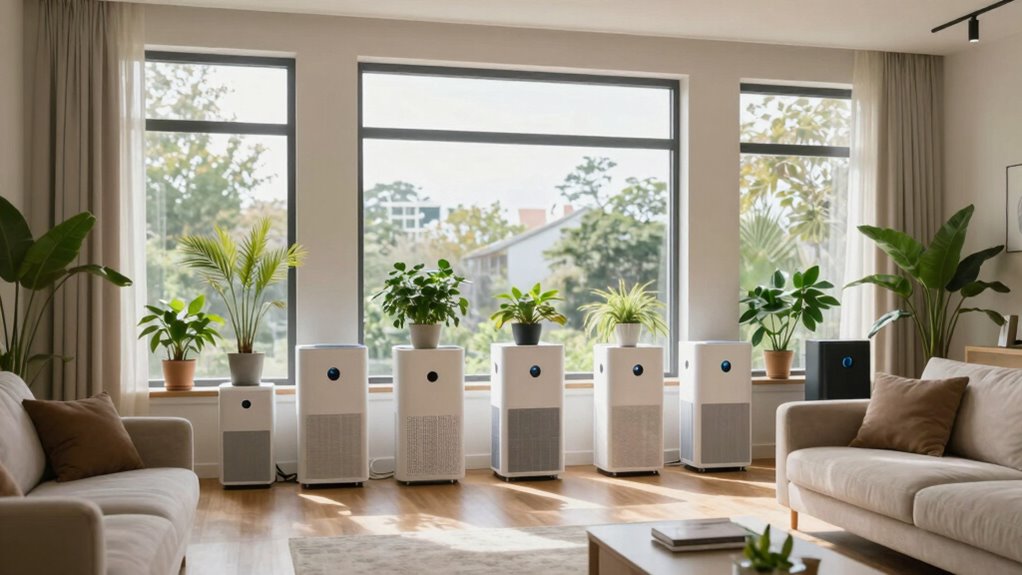
Have you ever wondered how safe the air inside your home or workplace really is? It’s a question many overlook until they notice a strange smell, persistent allergy symptoms, or unexplained fatigue. The truth is, maintaining good indoor air quality isn’t about reacting to sudden alarms or panic, but about understanding and following consistent patterns. When you focus on the patterns, you’re better equipped to identify issues early and implement effective solutions. One of the most useful tools in this process is air quality sensors. These devices provide real-time data on pollutants, humidity, and other air parameters, helping you spot trends rather than just reacting to isolated incidents. Instead of waiting for a significant problem to arise, you can monitor the air quality regularly, making small adjustments along the way. Recognizing air quality fluctuations as part of normal variation allows for more measured responses and fosters a proactive attitude toward indoor health. Being aware of indoor air quality patterns can also help you differentiate between typical fluctuations and potentially harmful changes.
Understanding these patterns is especially important because many air quality issues develop gradually rather than suddenly, making early detection crucial. Indoor air quality can be affected by a variety of factors, so establishing clear patterns helps you see what’s typical for your environment. Ventilation strategies play an integral role in establishing these healthy patterns. Proper ventilation isn’t just about opening windows or turning on fans; it’s about creating a systematic approach that ensures fresh air circulates consistently and effectively. When you adopt well-planned ventilation strategies, you’re actively reducing indoor pollutants, controlling humidity, and preventing the buildup of harmful substances. For example, using exhaust fans in kitchens and bathrooms, or installing air exchangers, can help maintain a steady flow of clean air. These strategies work best when integrated into your daily routine and maintained over time, reinforcing the idea that indoor air safety depends on sustained practices, not isolated efforts.
Moreover, understanding patterns helps you avoid unnecessary alarm. If your air quality sensors show fluctuations within a safe range, there’s no need to panic. Instead, you recognize this as part of normal variation and adjust your ventilation strategies accordingly. Regular air quality monitoring and proactive adjustments build a resilient system that keeps your indoor environment safe without constant worry. Over time, these patterns become second nature, allowing you to focus on improving overall air quality rather than just reacting to emergencies. It’s about creating a stable environment where healthy air flows naturally, and potential issues are addressed early, before they become serious problems. Developing a solid understanding of these air quality patterns also aids in making informed decisions about when to seek professional advice or upgrade your ventilation system.
In the end, indoor air safety isn’t about dramatic reactions but about understanding your space through consistent patterns. Using air quality sensors and implementing thoughtful ventilation strategies, you can create a safer, healthier environment. When you shift your focus from panic to pattern, you empower yourself to maintain better air quality every day — quietly, effectively, and with confidence.
As an affiliate, we earn on qualifying purchases.
Frequently Asked Questions
How Often Should Indoor Air Quality Be Monitored?
You should monitor indoor air quality regularly, ideally every three to six months. Keep an eye on your ventilation systems, ensuring they work efficiently, and identify pollutant sources like mold, chemicals, or dust. Frequent checks help you catch issues early, maintain a healthy environment, and prevent long-term health problems. If you notice unusual odors or symptoms, increase monitoring frequency to address potential indoor pollution swiftly.
What Specific Patterns Indicate a Potential Air Quality Problem?
A pattern is worth a thousand words, especially when it comes to indoor air quality. Keep an eye on inconsistent ventilation habits, such as sudden decreases in airflow, and persistent mold growth, which often signals moisture issues. These patterns suggest potential air quality problems. If you notice stale air, musty odors, or increased allergy symptoms, it’s time to investigate ventilation and moisture levels, preventing small issues from becoming bigger health risks.
Are There Seasonal Variations in Indoor Air Safety?
Yes, there are seasonal variations in indoor air safety. During colder months, you might notice decreased ventilation habits as windows stay shut, leading to higher pollutant levels and potential air quality issues. Conversely, in warmer seasons, increased ventilation helps improve air quality. Recognizing these seasonal fluctuations helps you adjust ventilation habits accordingly, ensuring safer indoor environments year-round without panic, just by understanding these natural patterns.
How Do Cleaning Habits Influence Indoor Air Safety Patterns?
Your cleaning routines greatly influence indoor air safety patterns by reducing airborne contaminants like dust, mold spores, and pet dander. Regular dusting, vacuuming with a HEPA filter, and deep cleaning help remove these particles, preventing their buildup. Effective cleaning habits guarantee a healthier indoor environment, lowering the risk of respiratory issues. Consistent routines maintain cleaner air, highlighting that small, regular actions make a big difference in indoor air quality.
Can Air Purifiers Replace Regular Monitoring?
Air purifiers can’t replace regular monitoring, which is essential because they only address surface-level pollutants. Studies show that air purifiers remove about 30-50% of airborne particles, highlighting their limitations. Monitoring costs are minimal compared to potential health risks from undetected pollutants. You need consistent testing to identify unseen hazards, ensuring your indoor air remains safe. Relying solely on purifiers leaves gaps in your safety pattern.
air quality monitor with patterns
As an affiliate, we earn on qualifying purchases.
As an affiliate, we earn on qualifying purchases.
Conclusion
Think of indoor air safety like tending a garden. Instead of panicking over every sudden gust or stray weed, you focus on consistent habits—watering, pruning, and monitoring. By recognizing the patterns of air quality, you nurture a healthy environment where problems are caught early, not overwhelmed. Just as a well-tended garden flourishes with steady care, your home remains safe when you pay attention to the ongoing patterns, not fleeting fears.
As an affiliate, we earn on qualifying purchases.
As an affiliate, we earn on qualifying purchases.
Cold & flu season Picks
humidifiers
As an affiliate, we earn on qualifying purchases.