Ozone generators promise “fresh” air by producing ozone (O3), but this can lead to serious health risks. Breathing in ozone can irritate your lungs, worsen asthma symptoms, and contribute to chronic respiratory issues. While they claim to purify air, the reality is that ozone levels can become harmful and may create dangerous byproducts. It is crucial to understand these risks and seek safer alternatives for indoor air quality. Discover more about better options for your home environment.

Get health and wellness essentials delivered free — and shop member deals
- Fast, free delivery on millions of items
- Access to Prime Big Deal Days deals on October 6–7
- Prime Video, Amazon Music and more included
Key Takeaways
- Ozone generators produce ozone (O3) that can irritate lungs and exacerbate respiratory issues, especially in vulnerable populations like children and the elderly.
- High levels of ozone can create harmful byproducts, contradicting claims of safe air purification and potentially worsening indoor air quality.
- Elevated ground-level ozone can negatively impact indoor plants, reducing their air-purifying benefits while potentially harming the plants themselves.
- Compliance with EPA regulations is crucial, as ozone concentrations above 0.070 parts per million pose significant health risks.
- Safer alternatives, such as HEPA filters and proper ventilation, effectively improve indoor air quality without the dangers associated with ozone exposure.
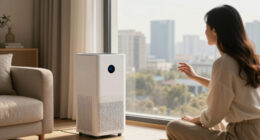
HEPA air purifier for indoor air quality
As an affiliate, we earn on qualifying purchases.
As an affiliate, we earn on qualifying purchases.
Understanding Ozone and Its Properties

Have you ever wondered what makes ozone such a unique molecule? Ozone, or O3, is an allotrope of oxygen that plays a pivotal role in ozone chemistry. Its three oxygen atoms create a structure with distinct properties, allowing it to absorb harmful UV radiation and protect our planet. This ability to interact with other molecules gives ozone its powerful oxidizing properties, which can lead to air ionization. When ozone breaks down in the atmosphere, it releases energy and forms diatomic oxygen, contributing to the air quality we experience. However, while ozone can help protect us, elevated levels near the ground can be harmful. Understanding its properties is essential for recognizing both its benefits and potential dangers. Additionally, high contrast ratios can enhance visual clarity in projector images, similar to how ozone can affect atmospheric conditions. Interestingly, ozone’s properties also play a role in caffeine content variations during coffee brewing, affecting the overall experience of coffee lovers. Moreover, the energy-efficient cloud servers available today can help reduce pollution, creating a more sustainable environment that indirectly supports ozone levels. Furthermore, studies suggest a correlation between astrological signs and perceived beauty, illustrating how various factors can influence our perception of air quality and health. The interaction of ozone with other compounds can also impact paint viscosity, affecting the performance of airless sprayers used in various applications.
As an affiliate, we earn on qualifying purchases.
How Ozone Generators Work
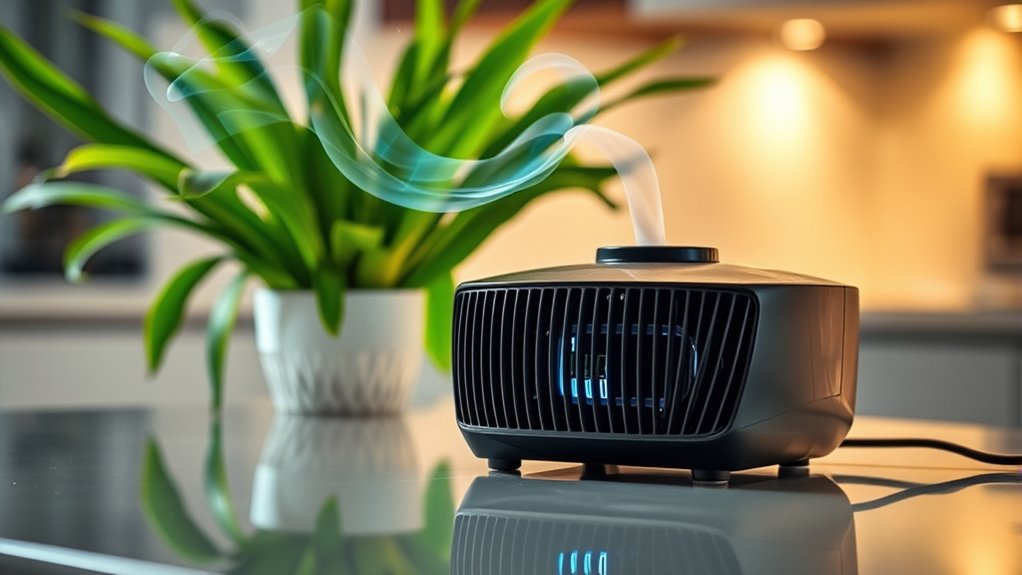
Ozone generators utilize the unique properties of ozone to purify air and eliminate odors. They work by employing ozone technology, which produces ozone gas (O3) from oxygen molecules (O2) in the air. When you turn on the generator, it creates ozone through electrical discharge or ultraviolet light. This ozone then disperses into your living space, where it interacts with pollutants, bacteria, and odors. As ozone molecules come into contact with these contaminants, they break them down, effectively achieving air sterilization. While this process can lead to a fresher smell, it’s important to remember that ozone at high levels can be harmful to your health. In fact, nanotechnology advancements may offer safer alternatives for air purification in the future. Additionally, the efficiency of air purification can vary, similar to how electric power generation relies on the effort exerted by the rider in bike generators. Therefore, understanding the health impacts of ozone is crucial when considering the use of these devices. So, always use these devices cautiously and follow the manufacturer’s guidelines. Furthermore, just like dogs require early socialization for their well-being, the same principle applies to creating a safe environment when using ozone generators.
As an affiliate, we earn on qualifying purchases.
The Promises vs. Reality of Ozone Generators

While many people are drawn to the promises of ozone generators, the reality can be quite different. They often claim to purify air and eliminate odors, but the benefits might not meet your expectations. Instead of relying solely on these devices, consider these points:
Ozone generators promise clean air and odor elimination, but the reality may fall short of expectations.
- Ozone can harm indoor plants, negating potential indoor plant benefits. Additionally, regular maintenance of air purifiers is crucial for maintaining their efficiency and effectiveness in improving air quality.
- Air quality sensors may show no significant improvement in air quality. Additionally, many users find that deep-sky imaging requires clear conditions, similar to how air quality can be affected by various environmental factors. Furthermore, user privacy is often overlooked when using devices that alter indoor air quality. Moreover, the reliance on certain technologies can lead to vulnerabilities, as seen in cases like the recent Microsoft outage.
- Some ozone generators produce harmful byproducts, contrary to their claims.
- Regular ventilation and houseplants are safer alternatives for cleaner air.
- It’s essential to understand that indoor plants can improve air quality naturally, without the risks associated with ozone generators.
Ultimately, understanding the limitations of ozone generators can help you make informed choices about air purification methods that truly benefit your indoor environment.
air quality monitor for VOCs and pollutants
As an affiliate, we earn on qualifying purchases.
As an affiliate, we earn on qualifying purchases.
Health Risks Associated With Ozone Exposure
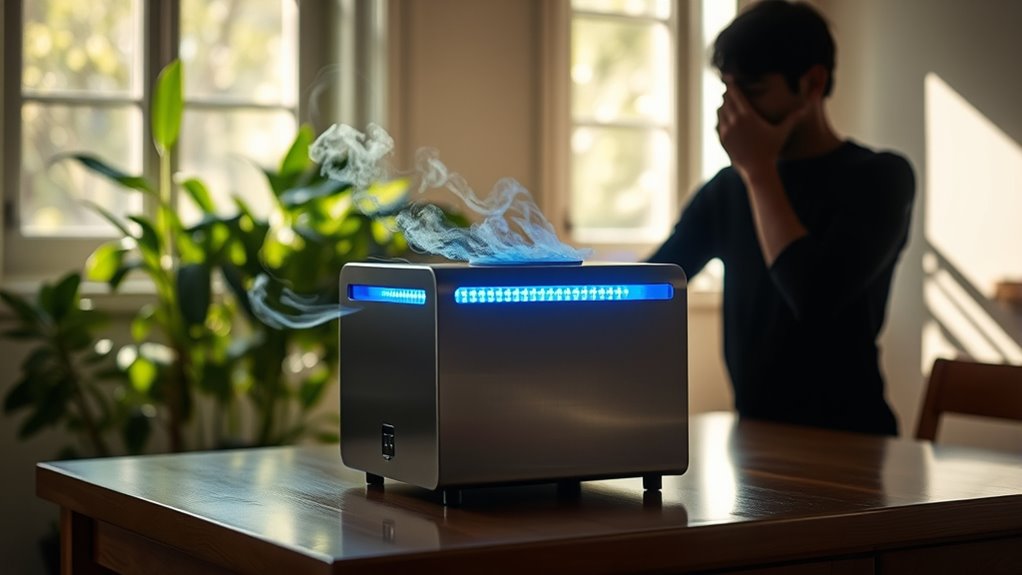
When you use ozone generators, it’s essential to consider the potential health risks tied to ozone exposure. Breathing in ozone can lead to respiratory issues and may cause long-term health effects, especially for vulnerable populations like children and the elderly. Understanding these risks can help you make informed decisions about using these devices in your home. Additionally, using essential oils like eucalyptus oil can provide natural respiratory support and may help alleviate some discomfort caused by poor air quality. Furthermore, energy-efficient appliances that improve indoor air quality can be a safer alternative to ozone generators. To enhance your indoor environment, consider incorporating landscaping elements that can naturally filter and purify the air. Regular maintenance of small appliances can also help ensure that your indoor air remains clean and healthy. Additionally, proper ventilation considerations are crucial for maintaining safe indoor air quality and mitigating the effects of ozone exposure.
Respiratory Issues
Exposure to ozone can lead to significant respiratory issues, especially for those with pre-existing conditions. If you’re sensitive to air quality, you might experience increased symptoms like coughing or shortness of breath. It’s important to recognize how ozone can aggravate these problems. In fact, AI tools can help monitor air quality and provide insights on pollution levels. Additionally, understanding the role of device and network security is crucial, as insecure devices may contribute to indoor air pollution. Research indicates that the keto diet may enhance overall health, which could be beneficial for respiratory function.
Consider the following tips to improve your indoor air quality:
- Invest in air filtration systems that effectively remove ozone and other pollutants.
- Use indoor plants known for their air-purifying abilities, but be cautious as some can release ozone themselves.
- Limit the use of ozone-generating devices, especially in closed spaces.
- Monitor air quality levels to ensure a safe environment for yourself and your family.
- Implementing proper care & maintenance of your air filtration systems can further enhance their effectiveness.
Protect your respiratory health by being aware of ozone’s dangers.
Long-Term Health Effects
Long-term exposure to ozone can lead to serious health risks that extend beyond immediate respiratory issues. Prolonged inhalation of ozone may cause chronic lung conditions, aggravate asthma, and even lead to decreased lung function. You might not realize that indoor plants, while beneficial for air quality, can also be negatively impacted by elevated ozone levels. These plants can struggle to thrive, reducing the overall health benefits they provide. Effective air filtration systems can help reduce ozone levels in your home, protecting your respiratory health. By staying informed and taking proactive measures, you can minimize the risks associated with ozone exposure. Remember, fresh air shouldn’t come with hidden dangers; prioritize your well-being by ensuring a safe indoor environment.
Vulnerable Populations at Risk
Certain groups are more vulnerable to the health risks associated with ozone exposure, making it essential to understand how it can affect them. Risk awareness is key for protecting these vulnerable populations, which include:
- Children: Their developing lungs are sensitive to air quality.
- Elderly: Age-related decline in lung function increases their risk.
- Individuals with Asthma: Ozone can trigger severe respiratory issues.
- People with Heart Conditions: Ozone exposure can exacerbate cardiovascular problems.
Regulatory Guidelines and Safety Standards
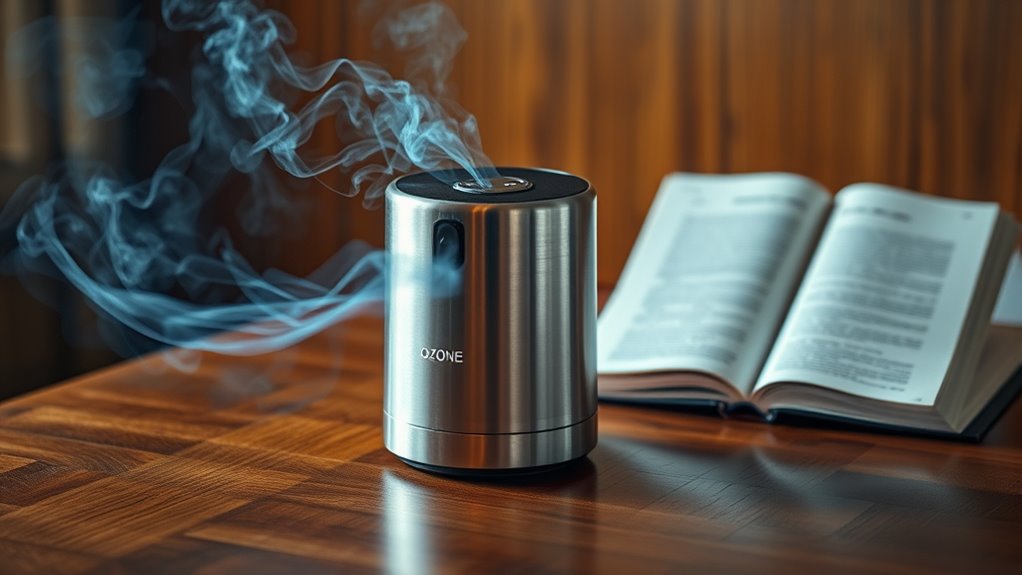
While ozone generators can effectively eliminate odors and pathogens, understanding the regulatory guidelines and safety standards surrounding their use is vital for guaranteeing both efficacy and safety. The Environmental Protection Agency (EPA) has set specific standards regarding ozone levels, highlighting that concentrations above 0.070 parts per million can be harmful to health. It’s essential to stay informed about these EPA standards to avoid potential risks. Additionally, safety regulations often require proper ventilation during operation, ensuring that ozone dissipates before people return to the space. Always check local regulations to ensure compliance and protect your health. By adhering to these guidelines, you can enjoy the benefits of ozone generators while minimizing health risks associated with their use.
Alternatives to Ozone Generators for Indoor Air Quality

Ozone generators aren’t the only option for improving indoor air quality. You can enhance your environment without falling for ozone myths or relying on air fresheners that may mask problems instead of solving them. Here are some effective alternatives:
- HEPA Filters: Use high-efficiency particulate air filters to trap allergens and pollutants.
- Activated Charcoal: Employ activated charcoal bags to absorb odors and toxins naturally.
- Houseplants: Incorporate indoor plants like spider plants or peace lilies that purify the air.
- Ventilation: Increase airflow by opening windows and using exhaust fans to reduce indoor pollutants.
These alternatives can help you breathe easier and create a healthier indoor atmosphere without the risks posed by ozone generators.
Making Informed Decisions About Air Purification

When it comes to air purification, you need to understand the potential risks associated with ozone generators. Exploring alternative purification methods can help you maintain a healthier indoor environment. By making informed choices, you can guarantee the air you breathe is safe and clean.
Understanding Ozone Risks
How aware are you of the potential risks associated with ozone generators in your home? Many people believe ozone improves air quality, but that’s just one of the common ozone myths. In reality, while ozone can eliminate certain odors, it can also pose serious health risks.
Consider the following points before making a decision:
- Ozone can irritate your lungs and worsen asthma.
- Long-term exposure may lead to chronic respiratory issues.
- It can react with other chemicals, creating harmful byproducts.
- Ozone isn’t effective in removing indoor pollutants like dust or pet dander.
Alternative Purification Methods
While many seek to improve their indoor air quality, there are safer and more effective alternatives to ozone generators that you should consider. Instead of falling for ozone myths that suggest these devices are beneficial, look into options like HEPA air purifiers. They effectively capture allergens, dust, and pollutants, ensuring cleaner air without the risks associated with ozone exposure. Additionally, consider using activated carbon filters to eliminate odors and harmful chemicals. Regularly ventilating your space can also enhance air quality naturally. By choosing these alternatives, you can confidently create a healthier indoor environment without relying on ozone generators, which can do more harm than good. Make informed decisions for your air quality and well-being.
Frequently Asked Questions
Can Ozone Generators Eliminate Mold and Mildew Effectively?
Ozone generators can eliminate mold and mildew, but they’re not the best choice for air purification. While they may help in mold remediation, the ozone produced can be harmful to your health. Instead, consider using HEPA filters or other air purifiers specifically designed for mold removal. These alternatives can improve your indoor air quality without the risks associated with ozone exposure, ensuring a safer environment for you and your family.
How Long Should I Wait to Enter a Treated Room?
You should wait at least 30 minutes to an hour before entering a treated room. This allows the ozone levels to drop and the air quality to improve. Always prioritize safety precautions—ventilate the area by opening windows and doors after treatment. It’s essential to make certain the room is safe for you and others before re-entering. Trust your senses; if you detect a strong ozone smell, wait longer before going back in.
Do Ozone Generators Produce Harmful Byproducts During Operation?
Ozone generators can certainly create concerning chemical byproducts during operation. When they break down oxygen molecules, they may leave behind ozone residue and other harmful substances. These byproducts can linger in the air, posing potential health risks. You should be cautious and avoid prolonged exposure, especially in enclosed spaces. Always guarantee proper ventilation and consider alternatives to purify the air without the dangers associated with ozone generation. Your health’s worth protecting!
Are There Specific Brands of Ozone Generators to Avoid?
Yes, there are specific brands of ozone generators you should avoid. Check brand reputation and consumer reviews before making a purchase. Look for products that have consistently negative feedback regarding safety or effectiveness. You’ll want to steer clear of brands that lack transparency about their technology and testing. Always prioritize units with positive consumer experiences and those that comply with safety standards to guarantee you’re making a wise investment for your air quality.
Can Pets Be Affected by Ozone Exposure?
Yes, pets can definitely be affected by ozone exposure. Their respiratory systems are sensitive, making them more vulnerable to ozone sensitivity. If you care about pet safety, it’s essential to limit their exposure to ozone-generating devices. You should monitor your pets for signs of distress, like coughing or difficulty breathing. Keeping your home well-ventilated and ensuring your furry friends aren’t around during ozone use can help protect them from potential harm.
Conclusion
When it comes to improving your indoor air quality, it’s essential to weigh the risks and benefits. You deserve fresh air without harmful side effects. You can choose safer alternatives that effectively purify your space. You can breathe easier knowing you’re making informed decisions. So, before you invest in an ozone generator, consider the hidden dangers and explore safer options. Your health and well-being should always come first. Choose wisely, breathe freely, and live well.
Fall Picks
fall essentials
As an affiliate, we earn on qualifying purchases.