

Think of CO2 as a natural, manageable part of Earth’s system that supports life, like plant growth and climate balance. Human actions have increased CO2 levels, but this isn’t cause for panic – it’s a challenge we can address through awareness and small, meaningful steps. Focus on your actions, support sustainable policies, and remember that natural cycles and progress can help restore balance. Want to learn more about how you can contribute? Keep exploring to find out.

Get health and wellness essentials delivered free — and shop member deals
- Fast, free delivery on millions of items
- Access to Prime Big Deal Days deals on October 6–7
- Prime Video, Amazon Music and more included
Key Takeaways
- View CO2 as a natural part of Earth’s carbon cycle, not an enemy, to foster understanding and calmness.
- Focus on individual actions as manageable steps that contribute positively without feeling overwhelmed.
- Recognize that human impact is significant but can be balanced with technological and policy solutions.
- Embrace a mindset of proactive responsibility, seeing climate efforts as opportunities rather than sources of despair.
- Stay informed and support sustainable practices to feel empowered rather than panicked about climate change.
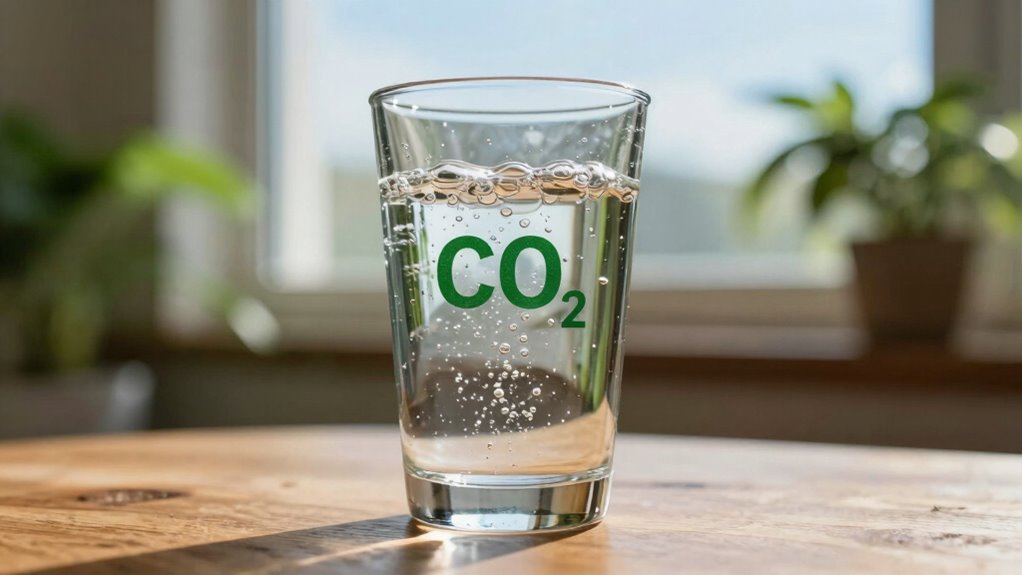
Have you ever wondered how to truly understand CO2 and its role in our world? It’s a common question, especially with all the news about climate change. Many people feel overwhelmed by the idea of rising carbon levels and the impact it has on our planet. But instead of panicking, the best approach is to see CO2 as a part of a bigger picture—something you can understand and influence.
First, recognize that CO2, or carbon dioxide, is a natural part of Earth’s atmosphere. It’s essential for life because plants need it to photosynthesize. However, human activities, like burning fossil fuels and deforestation, have *considerably* increased CO2 levels, contributing to climate change. This isn’t about guilt but about awareness. When you think about your own actions, consider your carbon footprint—the total amount of greenhouse gases you produce. Your choices, from transportation to energy use, directly influence your personal impact on the environment. Understanding your carbon footprint helps you see where changes can make a difference without feeling overwhelmed.
CO2 is natural and vital, but human activities have increased it—increasing awareness helps us make meaningful, manageable changes.
Instead of fixating on the fear of catastrophe, focus on the tangible ways you can reduce your impact. Small steps matter. Using public transportation, conserving energy at home, or choosing sustainable products all help lower your carbon footprint. These actions collectively add up, making a real difference over time. Remember, climate change is a complex issue involving many factors beyond individual choices, but individual efforts are still *indispensable*. They send a signal that you care and are willing to take responsibility.
It’s also helpful to think of CO2 as a part of a cycle—something that can be managed and balanced. The planet has natural processes to absorb and release CO2, like forests and oceans. Human activities have disrupted this balance, but with technological advances and policy changes, we can restore it. Staying informed about climate science and supporting sustainable policies empowers you to be part of the solution rather than feeling helpless. Recognizing the role of natural processes in biodiversity helps deepen understanding of how ecosystems contribute to maintaining this balance. Additionally, understanding the carbon cycle reveals how interconnected these natural systems are and how human actions can impact them.
In the end, the best way to think about CO2 without panicking is to see it as a manageable challenge. You’re not powerless; your actions matter. By understanding your carbon footprint and making conscious choices, you contribute to a healthier planet. It’s about a balanced perspective—acknowledging the problem but knowing that positive change is within your reach. Instead of despair, embrace the opportunity to be part of the solution, one step at a time.
As an affiliate, we earn on qualifying purchases.
Frequently Asked Questions
How Does CO2 Affect Plant Growth?
You might notice that CO2 boosts plant health and accelerates growth cycles when levels are ideal. It helps plants perform photosynthesis more efficiently, leading to stronger, faster-growing plants. However, too much CO2 can harm plant health, causing stress or stunted growth. So, maintaining balanced CO2 levels is essential for supporting healthy growth cycles and ensuring your plants thrive without risking their well-being.
What Are Natural Sources of Atmospheric CO2?
Imagine you’re observing a volcano erupting, releasing ash and gases, including CO2, into the atmosphere. Natural sources of atmospheric CO2 mainly come from processes like volcano emissions and the Earth’s carbon cycles, where organic material decomposes or is burned naturally. These sources continually add CO2 to the atmosphere, balancing with natural sinks like forests and oceans. Understanding these natural contributions helps you see how CO2 levels fluctuate without causing alarm.
Can CO2 Levels Influence Weather Patterns?
Yes, CO2 levels can influence weather patterns through climate feedbacks. Higher CO2 warms the atmosphere, which can disrupt typical weather systems. Ocean absorption helps regulate CO2, but as oceans absorb more, they can alter ocean currents and lead to shifts in weather patterns worldwide. These feedbacks amplify climate changes, making weather more unpredictable. Understanding these processes helps you see how CO2 impacts both the climate and daily weather.
How Is CO2 Measured Accurately?
You’ll be interested to know that CO2 is measured with incredible precision—down to parts per million. You can’t just guess; scientists use advanced measurement techniques like infrared gas analyzers and satellite observations to track CO2 levels. These methods help us understand the carbon cycle, revealing how carbon moves through our atmosphere, oceans, and land. Accurate measurements are essential for evaluating climate change and making informed decisions.
What Are Effective Ways to Reduce CO2 Emissions?
To effectively reduce CO2 emissions, you can switch to renewable energy sources like solar or wind power, which cut down reliance on fossil fuels. Additionally, consider carbon offsetting by investing in projects that absorb or reduce emissions, such as reforestation or clean energy initiatives. These actions help lower your carbon footprint, making a significant impact. Combining renewable energy use with carbon offsetting creates a sustainable approach to tackling CO2 emissions.
sustainable energy home products
As an affiliate, we earn on qualifying purchases.
As an affiliate, we earn on qualifying purchases.
Conclusion
So, next time you hear about CO₂ levels, remember that it’s not all doom and gloom. Instead, think of it as a signal—around 419 parts per million today—that helps us understand our planet’s health. Rather than panicking, focus on solutions and innovations. After all, humans have increased CO₂ by about 50% since the Industrial Revolution, but with collective effort, we can turn the tide and create a sustainable future.
public transportation accessories
As an affiliate, we earn on qualifying purchases.
As an affiliate, we earn on qualifying purchases.
As an affiliate, we earn on qualifying purchases.
Fall Picks
fall essentials
As an affiliate, we earn on qualifying purchases.