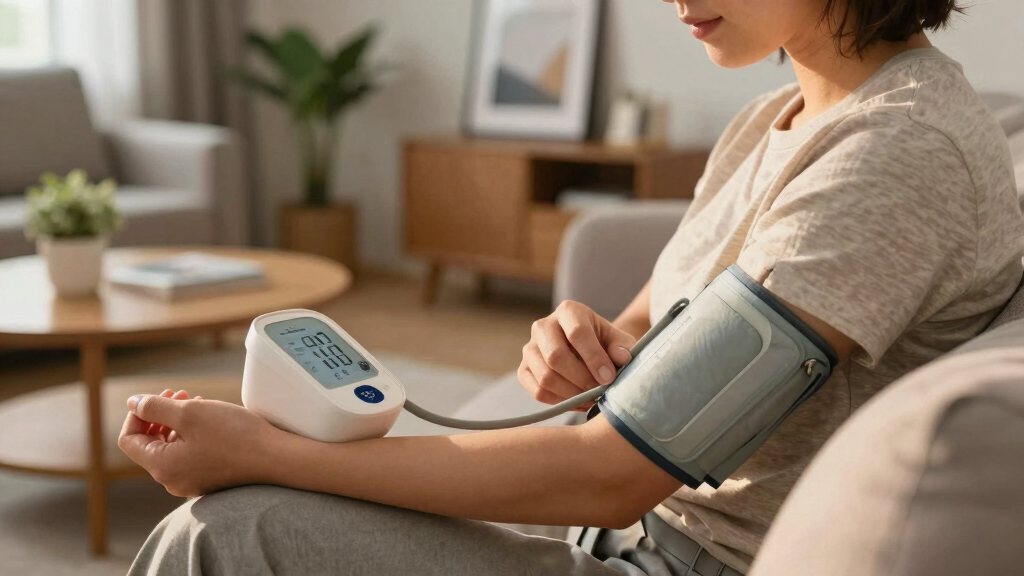
Choosing a home blood pressure monitor involves balancing accuracy, ease of use, and features like connectivity or large displays. The OMRON Iron Blood Pressure Monitor stands out as the best overall for its clinical validation and reliability. For those prioritizing smart features, the OMRON Platinum offers Bluetooth connectivity and AFib detection, making it ideal for tech-savvy users. Budget-conscious buyers will appreciate the Sinocare Blood Pressure Monitor for its adjustable cuff and affordability. Keep reading to see how these options compare and find the perfect monitor for your home health routine.

Get health and wellness essentials delivered free — and shop member deals
- Fast, free delivery on millions of items
- Access to Prime Big Deal Days deals on October 6–7
- Prime Video, Amazon Music and more included
Key Takeaways
- The most accurate monitors tend to be clinically validated, like the OMRON models, and are worth the investment for consistent readings.
- Cuff size and adjustability are critical; larger or adjustable cuffs improve comfort and accuracy for different arm sizes.
- Smart features like Bluetooth or voice assistance add convenience but often come at a higher price point and may not be necessary for all users.
- Ease of use, including large displays and simple interfaces, remains a key factor, especially for older or less tech-savvy buyers.
- Price varies widely, but spending more often yields better accuracy, build quality, and additional features—balance your needs accordingly.


More Details on Our Top Picks
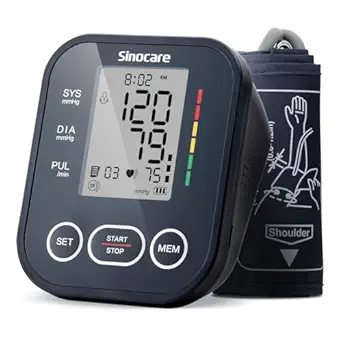
Sinocare Blood Pressure Monitor for Home Use with Adjustable Arm Cuff (8.6″-16.5″)
This model stands out for its combination of simplicity and clinical-grade accuracy, making it ideal for users who prioritize reliable readings without complex features. Its one-button operation simplifies daily use, especially for seniors or those with limited tech experience. Compared with the Yuwell or Arrhythmia monitor, Sinocare offers a straightforward interface with a large display and dual user profiles, but it lacks Bluetooth connectivity and limits storage to 99 readings per user, which may be insufficient for frequent monitoring. The adjustable cuff fits most arm sizes, ensuring comfort, yet the absence of a dedicated app or longer data history can be a drawback for tech-savvy users aiming for detailed tracking. Overall, this monitor suits those seeking accuracy and ease, with minimal fuss.
Pros:- Clinically accurate with ±3 mmHg pressure precision
- Large 3.6-inch display for easy reading
- Simple one-button operation
Cons:- Type-C charging cable not included, requiring extra purchase
- Limited storage of 99 readings per user
Best for: Older adults or users needing a simple, reliable device without smartphone integration.
Not ideal for: Tech enthusiasts wanting advanced features like Bluetooth or extensive data tracking.
- Cuff Size Range:8.6″-16.5″
- Display Size:3.6-inch
- Power Options:4 AAA batteries or Type-C charging (cable not included)
- User Profiles:2
- Readings Per User:99
- Accuracy (Pressure):±3 mmHg
Bottom line: This monitor is perfect for users who want accurate, straightforward blood pressure readings without unnecessary features.
Blood Pressure Machine, Automatic Upper Arm Blood Pressure Monitor with 2×199 Readout, 4.5 Inch Backlit Large Screen Adjustable Large Cuff 9 to 17 Inches – Arrhythmia and Home Hypertension Detector
This device excels for those who want extensive data storage and a clear display, making it suitable for tracking long-term health trends. Its large 4.5-inch backlit screen and easy-to-press buttons decrease usability barriers for elderly users or those with visual impairments. Unlike the Sinocare model, it supports two users with 199 readings each, plus automatic averaging for more precise tracking, but it lacks Bluetooth or app connectivity, limiting data export options. The cuff fits arms from 9 to 17 inches, accommodating a wide range of users, though the absence of a dedicated mobile app may disappoint tech-savvy users seeking seamless health management. This monitor offers a good balance of simplicity and detailed data, ideal for users who want comprehensive memory without complexity.
Pros:- Supports 2 users with 199 readings each
- Large backlit LCD for easy reading
- Automatic averaging of last 3 readings for accuracy
Cons:- No Bluetooth or app connectivity for data sharing
- Batteries and USB cable not included
Best for: Individuals who need extensive storage and clear readouts for long-term health monitoring.
Not ideal for: Tech enthusiasts seeking smartphone integration or remote data sharing.
- Display Size:4.5-inch
- Cuff Size Range:9″-17″
- Memory Storage:2×199 readings
- Blood Pressure Cuff:Adjustable, large
- Power Supply:Batteries and USB (not included)
- Features:Average calculation, irregular heartbeat detection
Bottom line: This monitor suits users who prioritize large data storage and straightforward operation over smart features.
OMRON Iron Blood Pressure Monitor for Home Use & Upper Arm Blood Pressure Cuff – #1 Doctor & Pharmacist Recommended Brand – Clinically Validated
This pick is ideal for those seeking a device trusted by medical professionals, with its clinically validated technology and advanced accuracy features. Its simple one-touch operation makes it accessible for daily use, and the Irregular Heartbeat Detection adds a valuable layer of insight that the Sinocare or Yuwell models lack. Compared with cheaper options, the OMRON Iron offers a balance of reliability and ease, but it doesn’t include Bluetooth or app connectivity, which could be a limitation for users wanting digital health logs. Its cuff fits arms from 9 to 17 inches, providing comfort for most users, though the focus on accuracy and clinical validation means it may lack some modern smart features. This device makes sense for those who prioritize proven accuracy and brand trustworthiness over high-tech extras.
Pros:- Clinically validated with high accuracy
- Simple one-touch operation
- Includes a wide-range cuff (9-17 inches)
Cons:- No Bluetooth or app connectivity
- Limited to basic measurement features
Best for: Health-conscious individuals who want a proven, clinically validated device with straightforward operation.
Not ideal for: Users seeking app integration or detailed long-term data management via smartphone.
- Cuff Size Range:9″-17″
- Operation:One-touch
- Validation:Clinically validated
- Features:Irregular heartbeat detection
Bottom line: This device is best suited for users who prioritize reliability and clinical validation over smart features.
Oklar Blood Pressure Monitor Upper Arm Monitors for Home Use BP Machine Sphygmomanometer with 2×120 Reading Memory Adjustable Arm Cuff 8.7″-15.7″ Large Display with LED Background Light Storage Bag
This monitor offers a solid balance of affordability and usability, especially for users who want a straightforward device with a large, backlit display. Its one-button operation and simple design make it accessible for elderly users, similar to the Sinocare but with slightly fewer memory options. It supports two users with 120 readings each, which is less than the Yuwell or Arrhythmia models, but still suitable for moderate monitoring. The adjustable cuff from 8.7 to 15.7 inches ensures a comfortable fit for most adults. The main tradeoff is that it uses AAA batteries or a Type-C cable (not rechargeable), which may be less convenient than models with rechargeable batteries or app connectivity. Still, it’s a practical choice for budget-conscious households.
Pros:- Affordable price point
- Large, backlit LED display for easy reading
- Supports two users with 120 readings each
Cons:- Batteries and cable not rechargeable
- Limited memory compared to higher-end models
Best for: Budget-conscious families or individuals seeking an easy-to-use monitor without extra frills.
Not ideal for: Tech-savvy users wanting data export, app integration, or extensive memory storage.
- Cuff Size Range:8.7″-15.7″
- Display:LED backlit
- Memory Storage:2×120 readings
- Power:3 AAA batteries or Type-C cable
- Operation:One-button
Bottom line: This monitor is a good fit for users who need a simple, reliable device without advanced features at a lower cost.
Yuwell Digital Blood Pressure Monitor with Large Upper Arm Cuff and Voice Broadcast
This device makes a strong impression for users who need accessible features, such as voice broadcasting, to assist in monitoring. Its large cuff accommodates arms from 8.7 to 17.7 inches, making it versatile for a wide user base. The voice broadcast feature, with clear guidance, is especially helpful for visually impaired users or those who prefer audio prompts, a feature absent in most other models like Sinocare or Oklar. While it provides 99 readings with average calculations for accuracy, it lacks Bluetooth or app connectivity, limiting long-term data analysis. The inclusion of a power adapter and batteries adds convenience, but the size and voice function make it less portable for travel than smaller models. This monitor is best for users who prioritize accessibility and confirmed accuracy.
Pros:- Voice broadcast for accessibility and guidance
- Large, adjustable cuff for comfort
- ESH-certified accuracy for reliable measurements
Cons:- No Bluetooth or app for data export
- Larger size may reduce portability
Best for: Individuals with visual impairments or those who benefit from audio guidance during measurement.
Not ideal for: Tech-savvy users seeking seamless digital data tracking or smartphone integration.
- Cuff Size Range:8.7-17.7 inches
- Memory Storage:99 readings
- Voice Broadcast:Yes
- Certification:ESH
- Includes:Power adapter, batteries
Bottom line: This monitor is best suited for users who need accessible, voice-guided blood pressure measurement with proven accuracy.
OMRON Platinum Upper Arm Blood Pressure Monitor with AFib Detection and Bluetooth Connectivity
This model stands out for its comprehensive approach to home blood pressure tracking, combining high accuracy with advanced AFib detection, which is a step above basic monitors like the OMRON Bronze. Its Bluetooth connectivity allows seamless data sharing with the OMRON Connect app, making it ideal for those who want detailed logs and remote monitoring. The dual-user support with 100 readings per person suits families, but the higher price and need for consistent use might deter casual users. Compared to simpler models, it offers richer data analysis but at a premium. The included wide-range cuff fits most arm sizes, ensuring comfort for regular use. However, it requires regular monitoring to justify its tech features, and the Bluetooth setup can be slow for less tech-savvy individuals.
Pros:- Advanced AFib detection offers early rhythm screening
- Bluetooth app syncs unlimited readings for comprehensive tracking
- Supports two users with 100 readings each, ideal for families
- Includes all accessories for immediate use
Cons:- Higher price compared to basic models
- Requires regular use to maximize benefits
Best for: Individuals managing heart health or needing detailed tracking for medical consultations
Not ideal for: Casual users or those on a strict budget who need basic readings without app integration
- Cuff Size Range:9″–17″
- Battery Included:Yes (4 AA)
- Connectivity:Bluetooth
- User Support:Dual-user
Bottom line: This monitor is best suited for health-conscious users who want detailed, tech-enabled tracking and are willing to invest in accuracy.
Blood Pressure Monitor, Aile Blood Pressure Machine Upper Arm Large Cuff(8.7″-16.5″), High Automatic Blood Pressure Monitors Cuff for Home Use, (BP) Manual Arm Blood Pressure Monitors, 2 * 99 Memory
Compared with more feature-rich monitors like the OMRON Platinum, the Aile Blood Pressure Monitor emphasizes affordability and large cuff versatility, making it well-suited for those with bigger arms. Its high-precision Dutch chips and fast measurement time (30 seconds) ensure reliable results, which is a key advantage over less calibrated devices. The automatic operation and large, easy-to-read display make it accessible for elderly users or those with visual impairments. The dual memory for two users and 99 readings each help monitor trends over time without extra costs. However, the lack of Bluetooth or app connectivity limits data sharing, and batteries are not included, adding small additional costs. It’s a straightforward choice for cost-conscious households needing dependable accuracy.
Pros:- High-precision calibration ensures accuracy within 3 mmHg
- Large cuff fits arms from 8.7″ to 16.5″ comfortably
- Fast measurement process (30 seconds)
- Dual-user memory tracks health data separately
Cons:- No Bluetooth or app features for remote data management
- Batteries not included, requiring an extra purchase
Best for: Families seeking a reliable, large-cuff monitor with straightforward operation
Not ideal for: Tech-savvy users who want digital data sharing or app integration
- Cuff Size Range:8.7″–16.5″
- Memory Capacity:2 users x 99 readings
- Measurement Error:Within 3 mmHg
- Speed:30 seconds
Bottom line: This model offers dependable accuracy and comfort for users prioritizing simplicity and large cuffs over digital connectivity.
Alcedo Automatic Blood Pressure Monitor with Talking Function and Large Cuff
This monitor emphasizes ease of use with its talking function and a large, adjustable cuff, making it ideal for users with visual impairments or those who prefer audio guidance. Its simple one-button operation and movement detection technology help ensure accurate readings, rivaling more complex devices like the OMRON Platinum. The live-voice broadcast is particularly beneficial for seniors or users with disabilities. While the 120-memory slots per user are decent, they are fewer than some high-end models. The larger cuff size (up to 15.7 inches) can be bulky for travel, and the limited memory may be a drawback for those tracking many readings. Overall, it prioritizes accessibility over advanced connectivity features.
Pros:- Live-voice readings enhance accessibility
- One-button operation simplifies use
- Movement detection improves measurement accuracy
- Large, adjustable cuff for comfortable fit
Cons:- Bulkier cuff may hinder portability
- Limited memory capacity compared to high-end models
Best for: Elderly users or those with visual impairments seeking an easy-to-use, voice-enabled monitor
Not ideal for: Tech-oriented users wanting app integration or extensive data storage
- Display Type:LCD with live-voice broadcast
- Cuff Range:8.7″ – 15.7″
- Memory Capacity:2 users x 120 readings
- Key Features:Talking function, movement detection
Bottom line: This device is ideal for users who prioritize audio guidance and straightforward operation over digital features.
Adjustable Upper Arm Blood Pressure Monitor with LED Display and Dual User Memory
This lightweight monitor excels in flexibility, with an adjustable cuff fitting arms from 8.7″ to 16.5″—a feature that surpasses fixed-size models like the Omron Bronze. Its large LED display simplifies reading for users with visual challenges, while the one-button operation streamlines measurement. Dual-memory slots for two users help families monitor multiple individuals, and the option to power via batteries or plug-in supports versatile use. However, the smaller display size may challenge some users, and batteries are not included, adding minor inconvenience. Its compact design makes it perfect for on-the-go health tracking, but it doesn’t include extra connectivity options or advanced features.
Pros:- Adjustable cuff fits a wide range of arm sizes
- Lightweight at 182g for portability
- Dual-user memory supports multiple family members
- Two power modes for convenience
Cons:- Batteries not included, requiring additional purchase
- Smaller display may be harder for some to read
Best for: Individuals seeking a portable, adjustable cuff monitor for frequent use and multiple users
Not ideal for: Users wanting app integration or extensive health data tracking
- Cuff Size:8.7″-16.5″
- Memory Capacity:2 users x 120 readings
- Power Modes:Battery/Plug-in
- Display Size:3.32″ x 2.19″
- Service Life:Up to 5 years
Bottom line: This monitor offers flexible fit and portability for active users or families with diverse arm sizes.
OMRON Bronze Upper Arm Blood Pressure Monitor with Advanced Accuracy Technology
This model emphasizes trusted accuracy with its Advanced Accuracy Technology, making it a strong choice for users wanting reliable readings without the bells and whistles. It features Irregular Heartbeat Detection and Hypertension alerts, providing essential health insights similar to the OMRON Platinum, but at a more affordable price point. Bluetooth connectivity allows data transfer to the OMRON Connect app, although setup can be less intuitive for less tech-savvy users. The cuff range (9″–17″) fits most users comfortably, but it might be too small for very large arms, limiting its suitability for some. Overall, this device balances dependability with simplicity, but it lacks some advanced features of premium models.
Pros:- Clinically validated for high accuracy
- Detects irregular heartbeats and hypertension risks
- Affordable alternative to high-end monitors
- Includes wide-range cuff and batteries
Cons:- Requires AA batteries, not rechargeable
- App setup may be complex for some users
- Cuff size may not suit very large arms
Best for: Users seeking proven accuracy and basic connectivity without high cost
Not ideal for: Tech enthusiasts who want extensive app features or irregular heartbeat tracking
- Technology:Advanced Accuracy Technology
- Features:Irregular Heart Beat Detection, Hypertension Indicator
- Connectivity:Bluetooth (OMRON Connect app)
- Included Accessories:Monitor, cuff (9″–17″), batteries
Bottom line: This monitor is a solid choice for those prioritizing accuracy and affordability over advanced digital features.
BBLOVE Automatic Upper Arm Blood Pressure Monitor with Medical-Grade Accuracy, 2-User Mode & Large Display – FSA/HSA Eligible
This monitor stands out for delivering hospital-level accuracy thanks to its clinically validated biosensors, making it a top choice for those who prioritize precise readings at home. Unlike the iHealth Track, which emphasizes Bluetooth connectivity and app tracking, the BBLOVE focuses on straightforward, reliable measurements with a dual-screen display that simplifies trend analysis without requiring tech setup. While it offers 2-user profiles and FSA/HSA eligibility, its cuff size might not fit all arms comfortably, and it lacks Bluetooth or app integration for long-term tracking. This makes it ideal for users who want trusted accuracy and prefer a simple, no-fuss device over more tech-heavy options.
Pros:- Medical-grade, clinically validated accuracy ensures trustworthy readings
- Dual-screen comparison simplifies trend tracking
- 2-user profiles with independent storage keep data organized
- FSA/HSA eligibility makes it cost-effective for health spending
Cons:- Cuff size limited to 9″-17″, which may not fit all arms comfortably
- No Bluetooth or app connectivity for digital data tracking
Best for: Individuals who need highly accurate readings for health management and prefer a clinically validated device with straightforward operation.
Not ideal for: Tech-savvy users expecting Bluetooth or app-based long-term tracking, or those with very small or large arms outside the cuff size range.
- Accuracy:Medical-grade (clinically validated)
- Display:Dual-screen, large backlit LCD
- User Modes:2 users (90 readings each)
- Cuff Size:Universal fit (9″-17″)
- Power Source:Rechargeable battery
- FSA/HSA Eligible:Yes
Bottom line: This device is best suited for users seeking highly reliable, clinically validated measurements without extra tech features.
Blood Pressure Monitor Upper Arm Monitors for Home Use BP Machine with 2×120 Reading Memory Adjustable Arm Cuff 8.7″-15.7″ Large Display with LED Background Light Storage Bag White
This model shines through its one-button operation, making it extremely user-friendly, especially for seniors or those less comfortable with technology. Its large, backlit LED display ensures quick reading visibility, similar to the iHealth Track, but without Bluetooth connectivity—making it less suited for long-term digital tracking. The adjustable cuff from 8.7″ to 15.7″ fits most adult arms, and the ability to store 120 readings per user supports basic trend monitoring. However, it relies on batteries or a Type-C cable, and its lack of app integration limits detailed analysis. This pick is ideal for users who want straightforward, reliable measurements without digital distractions.
Pros:- One-button operation simplifies use for all age groups
- Large, backlit display enhances readability
- Adjustable cuff fits most arm sizes
- Supports dual power sources for convenience
Cons:- No Bluetooth or app connectivity for data tracking
- Limited to basic readings without trend analysis features
Best for: Elderly users or those who prefer a simple, no-fuss device for occasional blood pressure checks at home.
Not ideal for: Tech enthusiasts or users seeking comprehensive app-based health tracking and data analysis.
- Cuff Size Range:8.7″-15.7″
- Memory Storage:2×120 readings
- Display:Large backlit LED
- Power Supply:Batteries or Type-C cable
- Design:Compact and portable
Bottom line: This monitor is perfect for users seeking a straightforward device that prioritizes ease of use over digital features.
iHealth Track Smart Upper Arm Blood Pressure Monitor with Wide Range Cuff
The iHealth Track excels for users who want integrated tracking via Bluetooth, enabling up to 99 stored readings on the device and unlimited data through the app. Its color-coded display makes interpreting blood pressure readings quick, especially for those managing hypertension or needing regular monitoring. It also includes automatic heart rhythm disturbance alerts, adding a layer of safety. Compared with the BBLOVE, which emphasizes accuracy, the iHealth prioritizes connectivity and data management but requires regular AAA batteries and some setup time. Its wide cuff fits arms from 8.7″ to 16.5″, accommodating most users comfortably. This device is ideal for those who want digital tracking integrated into their health routine, though less suitable for individuals wary of tech complexity.
Pros:- Color-coded display simplifies blood pressure interpretation
- Bluetooth connectivity enables long-term tracking and data export
- Detects and alerts heart rhythm disturbances automatically
- Wide cuff accommodates a broad range of arm sizes
Cons:- Requires frequent AAA battery replacements
- Bluetooth setup may be challenging for less tech-experienced users
Best for: Tech-savvy users interested in long-term health tracking and automatic heart rhythm alerts.
Not ideal for: Users who prefer simple, no-frills devices or those with difficulty setting up Bluetooth connections.
- Cuff Size Range:8.7″-16.5″
- Connectivity:Bluetooth 4.0+
- Stored Readings:99 on device, unlimited via app
- Display:Large, color-coded backlit
- Features:Heart rhythm alerts
- Battery:AAA (included)
Bottom line: This monitor is best for users who want seamless app integration and advanced health alerts over pure measuring accuracy.
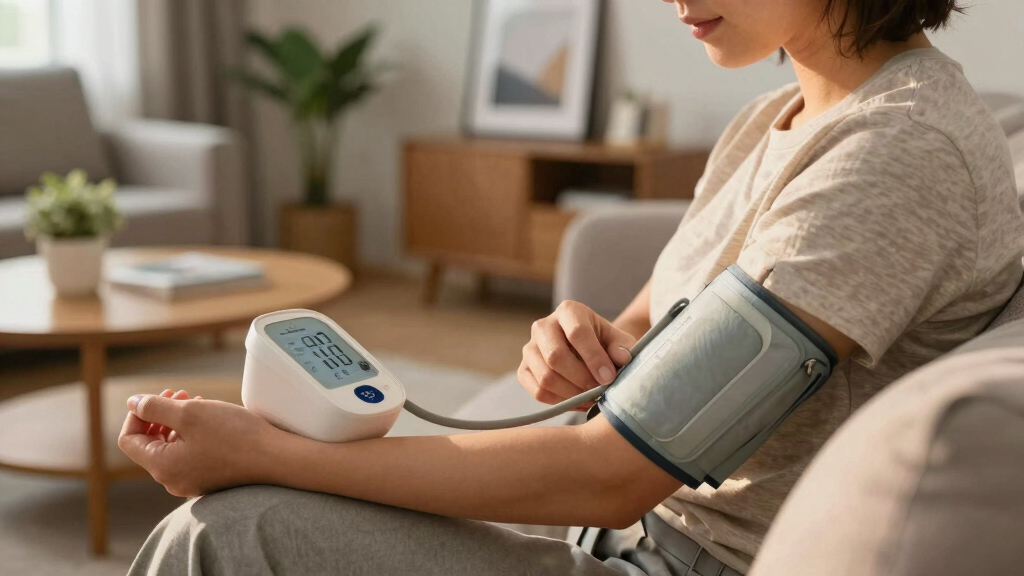
How We Picked
I evaluated these blood pressure monitors based on several key factors that matter most to buyers. Performance and accuracy were prioritized, especially devices that are clinically validated or recommended by health professionals. Usability considerations included display size, cuff adjustability, and ease of operation, which influence daily convenience. Build quality and durability were also examined to ensure longevity, while features like Bluetooth connectivity or voice assistance were assessed for added value. Price point was a factor, but only when paired with meaningful features or proven accuracy, ensuring a balance of quality and affordability. The ranking reflects a combination of these criteria, emphasizing value for different user needs.Factors to Consider When Choosing Home Blood Pressure Monitors
When selecting a home blood pressure monitor, understanding the key factors that influence performance, comfort, and convenience can help you make a smarter choice. Beyond basic accuracy, consider how features like cuff size, display readability, and connectivity impact your daily use. Buying the right monitor also involves weighing tradeoffs between price and advanced features, especially if you need additional health tracking or data sharing. Here are some essential considerations to guide your decision:Accuracy and Validation
Accuracy is the most critical factor because a monitor’s readings directly influence health decisions. Look for models that are clinically validated or recommended by medical authorities. Devices with advanced technology, like oscillometric measurement with proven algorithms, tend to provide more reliable results. Investing in a validated monitor can prevent false alarms or missed issues, especially if you have hypertension or other health concerns.
Cuff Size and Fit
An ill-fitting cuff can lead to inaccurate readings. Choose a monitor with an adjustable cuff that suits your arm size, typically ranging from about 8.7 to 16.5 inches. Larger or flexible cuffs improve comfort and ensure proper compression, which is key for consistent measurements. Avoid models with fixed-size cuffs if you have a larger or smaller arm, as this can compromise accuracy.
Ease of Use and Display
A clear, large display with simple controls makes daily monitoring easier, especially for seniors or those with visual impairments. Features like backlit screens, large font, and one-touch operation reduce frustration. Some models incorporate voice prompts or audible alerts, which can be useful for users who prefer audio guidance. Ease of use enhances adherence and reduces measurement errors caused by confusion or difficulty operating the device.
Connectivity and Smart Features
Wireless connectivity options such as Bluetooth or Wi-Fi enable data sharing with smartphones or health apps, offering a comprehensive view of your blood pressure trends. This is particularly valuable for tracking long-term health or sharing data with healthcare providers. However, these features often increase the price and may require app setup, which might be unnecessary for users who prefer straightforward devices. Consider whether smart features justify the added complexity and cost for your needs.
Price and Value
While cheaper models can offer basic readings, they may lack validation, durability, or convenient features. Conversely, premium monitors tend to provide better accuracy, smart integrations, and longer-lasting build quality. Balance your budget against your needs—if you require precise tracking or advanced features, investing in a higher-priced model makes sense. For casual or infrequent use, a more affordable, validated device may suffice.
Frequently Asked Questions
How often should I calibrate my blood pressure monitor?
Most home blood pressure monitors do not require regular calibration like professional medical devices, but it’s advisable to check their accuracy periodically, especially if you notice inconsistent readings. Some manufacturers recommend recalibrating every 1-2 years or after any physical impact or repair. If you’re concerned about accuracy, compare your device’s readings with those taken at your healthcare provider’s office periodically to ensure consistency.
Is it better to choose a monitor with Bluetooth or app connectivity?
Choosing a monitor with Bluetooth or app connectivity is beneficial if you want to track your blood pressure over time or share data with your doctor easily. These features help visualize trends and maintain comprehensive health records without manual logging. However, they often come at a higher cost and require setup, so if you prefer simplicity or don’t need long-term trend analysis, a basic device without smart features might be more suitable.
Can I use a wrist monitor instead of an arm cuff monitor?
Wrist monitors are more compact and easier to use in confined spaces, but generally, they are less accurate than upper arm monitors, especially if not positioned correctly at heart level. For consistent and reliable readings, especially if you have hypertension or risk factors, an upper arm device tends to be more dependable. If convenience is your priority and you are aware of the potential tradeoff in accuracy, a well-reviewed wrist monitor can still be a reasonable choice.
Are more expensive monitors worth the extra cost?
In many cases, higher-priced monitors offer better accuracy, durability, and additional features like AFib detection or app connectivity. If you need precise, reliable measurements for ongoing health management, investing in a validated, feature-rich device can be worthwhile. However, for occasional use or if budget is limited, a mid-range or budget model that is validated can still provide accurate readings without the extra bells and whistles.
What should I do if my readings vary significantly between measurements?
Variations in blood pressure readings can occur for several reasons—arm position, body posture, recent activity, or device errors. Ensure you are seated comfortably, with your arm supported at heart level, and take measurements at the same time each day. If readings still fluctuate widely, consider consulting your healthcare provider to rule out underlying issues or to verify your device’s accuracy. Consistent measurement techniques help obtain trustworthy data over time.
Conclusion
For those seeking the best overall reliability and accuracy, the OMRON Iron Blood Pressure Monitor remains the top pick, especially for regular health tracking. Budget-conscious buyers or those new to home monitoring will find the Sinocare Blood Pressure Monitor offers solid performance at a lower price point. For tech enthusiasts, the OMRON Platinum with Bluetooth and AFib detection provides valuable smart features, though at a higher cost. Beginners or occasional users should opt for straightforward, validated models, while users with specific health concerns might prioritize devices with extra features like large displays or advanced validation. Carefully matching your needs with these categories will help you select the monitor that best fits your lifestyle and health goals.
Fall Picks
fall essentials
As an affiliate, we earn on qualifying purchases.