
TL;DR

Get health and wellness essentials delivered free with Prime
- Fast, free delivery on millions of items
- Prime Video, Amazon Music and more included
- Member-only deals all year
Interest in supplement patches is increasing, but scientific evidence on their effectiveness remains limited. Experts caution that many claims lack robust proof, raising questions about their true benefits.
Consumer interest in supplement patches has surged in recent months, but experts say there is limited scientific evidence confirming their effectiveness. While some users claim benefits, health professionals urge caution as the efficacy of these transdermal products remains largely unproven.
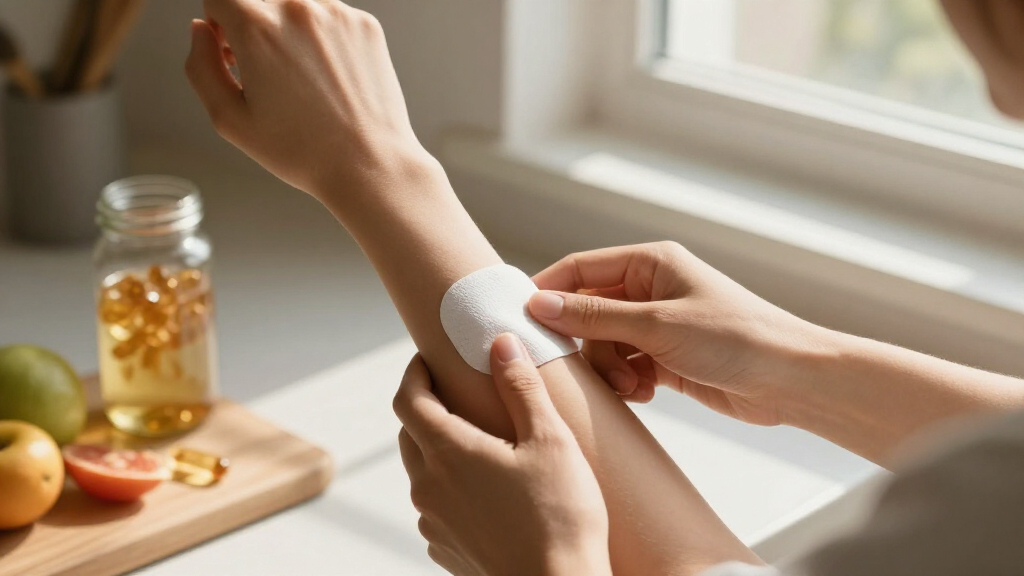
Supplement patches are adhesive patches infused with vitamins, minerals, or herbal extracts designed to be worn on the skin, allowing active ingredients to be absorbed directly into the bloodstream. Their popularity has grown partly due to marketing claims of convenience and improved absorption compared to pills or liquids.
However, scientific research on the effectiveness of supplement patches is sparse. Most existing studies focus on topical medications or transdermal drug delivery systems, not nutritional supplements. According to Dr. Emily Carter, a pharmacologist at the University of California, ‘There is currently no strong evidence that supplement patches provide superior absorption or benefits over traditional oral supplements.’
Consumer testimonials and marketing campaigns often tout increased energy, better nutrient uptake, and convenience, but these claims are not backed by rigorous clinical trials. Regulatory oversight varies by country, and many products are marketed as dietary supplements, which are not subject to the same strict testing as pharmaceuticals.
Recent spikes in search interest and media coverage reflect growing consumer curiosity, but health authorities remain cautious. Learn more about health and wellness. The Federal Trade Commission (FTC) has issued warnings about unsubstantiated health claims and advises consumers to scrutinize product claims carefully.
Implications of Supplement Patches on Consumer Health
The rising popularity of supplement patches raises important questions about consumer safety and product efficacy. Without solid scientific backing, users may spend money on products that do not deliver the promised health benefits, potentially delaying effective treatments or nutritional strategies. Furthermore, the lack of regulation and standardization in this market increases the risk of contaminated or mislabeled products, which could pose health risks.
Healthcare professionals emphasize that consumers should approach supplement patches with skepticism and consult qualified health providers before use, especially for individuals with health conditions or those taking medications. The trend underscores the need for more rigorous research and regulation in the dietary supplement industry.
Products Worth Considering

Blueair Blue Pure 511i Max Smart Air Purifier

Philips Sonicare 5950 Rechargeable Electric Toothbrush with 2 Brush Heads, Pink

Hyperice Venom 2 Heated Vibration Back Wrap
As an affiliate, we earn on qualifying purchases.
Rising Consumer Interest and Limited Evidence
The trend toward alternative health products, including supplement patches, reflects broader consumer shifts toward convenience and holistic wellness. Over the past year, search interest in supplement patches has spiked, driven by marketing campaigns and social media influencers promoting their purported benefits.
Despite this interest, scientific studies remain limited. Most existing research on transdermal delivery focuses on pharmaceutical drugs, with little to no peer-reviewed data specifically evaluating the absorption and efficacy of nutritional supplement patches. Experts caution that these products are not yet supported by the rigorous evidence required for medical recommendations.
The trigger for this increased attention appears to be a combination of marketing and consumer curiosity, but health authorities warn that the unconfirmed nature of these claims warrants caution.
Unverified Claims and Lack of Scientific Proof
It remains unclear whether supplement patches truly offer enhanced absorption or health benefits. Most claims are anecdotal or marketing-driven, with limited scientific studies to confirm efficacy. The regulatory status of these products varies, and many have not undergone rigorous testing. As a result, consumers lack definitive proof of their benefits, and health authorities continue to advise caution.
Need for Rigorous Research and Consumer Guidance
Future developments will likely depend on new clinical trials evaluating the absorption and health outcomes associated with supplement patches. Regulatory agencies may also implement stricter oversight to verify health claims and ensure product safety. Consumers are advised to consult healthcare professionals before trying these products and to prioritize evidence-based health strategies.
Key Questions
Are supplement patches more effective than pills?
There is currently no conclusive scientific evidence that supplement patches are more effective than traditional pills or liquids. Most claims are anecdotal or marketing-based.
What are the risks of using supplement patches?
Potential risks include allergic reactions, contamination, or mislabeled ingredients. Lack of regulation means quality and safety are not guaranteed.
Should I try supplement patches?
Experts recommend consulting a healthcare professional before trying supplement patches, especially if you have health conditions or are on medication. Evidence supporting their benefits is limited.
Is there any scientific research supporting supplement patches?
Most existing research focuses on transdermal drug delivery, not nutritional supplements. Robust clinical trials on supplement patches are lacking.
What should I look for in supplement products?
Consumers should check for third-party testing, clear ingredient lists, and avoid products making unsubstantiated health claims. Consulting a healthcare provider is also recommended.
Source: rss