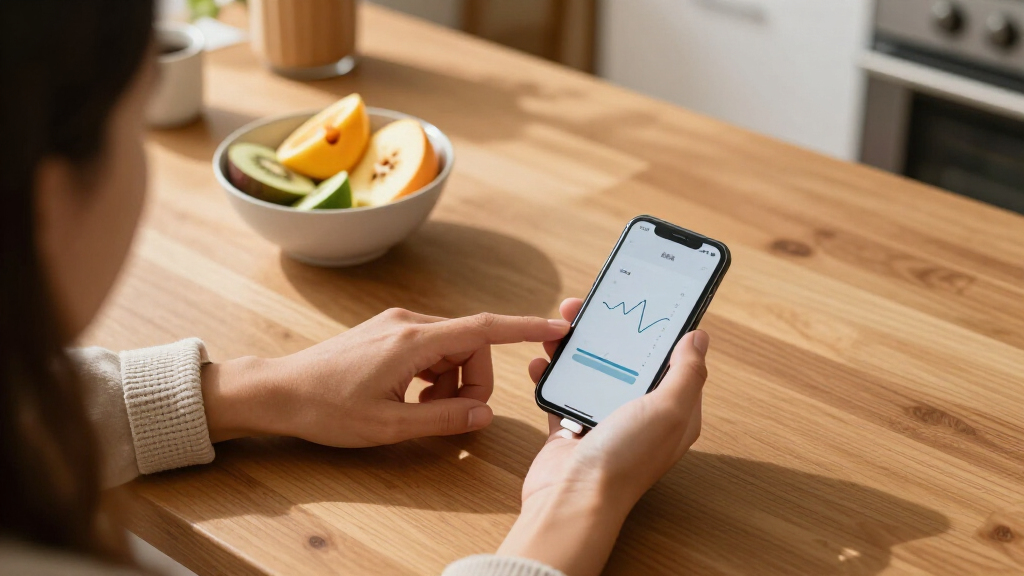

Continuous glucose monitors track glucose patterns throughout the day, but the right choice depends on intended use, app features, sensor format, and how much ongoing data you want. I rank the Stelo Glucose Biosensor and App, 2-Pack as the best overall pick for its clear sensor-and-app pairing, while the Dexcom G7 10-Day Sensor stands out for buyers who need a diabetes-focused CGM option and the Lingo 4-Pack suits people who want a longer supply at hand. These products are not interchangeable: availability, eligibility, and clinical use depend on the specific device and a person’s circumstances. Keep reading for the full breakdown of the differences, tradeoffs, and buyer types each option fits best.

Get health and wellness essentials delivered free — and shop member deals
- Fast, free delivery on millions of items
- Access to Prime Big Deal Days deals on October 6–7
- Prime Video, Amazon Music and more included
Key Takeaways
- The Stelo 2-Pack leads this comparison as a straightforward sensor-and-app option; the single-pack Stelo is a better match for buyers who want fewer sensors at once.
- Lingo’s three pack formats serve different planning needs: the single sensor keeps commitment low, the 2-Pack offers a middle ground, and the 4-Pack reduces the need to reorder as often.
- Dexcom G7 is the distinct diabetes-focused pick, so buyers should check its intended use and eligibility rather than treating it as interchangeable with wellness-oriented products.
- App pairing and product purpose matter as much as pack size; a multi-sensor bundle is not useful if the device’s monitoring approach does not match the buyer’s needs.
- The product lineup favors clear use-case matching over a single universal winner: Stelo is the all-around recommendation, while Lingo and Dexcom G7 fit more specific preferences.
| Stelo Glucose Biosensor and App, 2-Pack |  | Best for Longer Wear | Pack size: 2 biosensors | Wear time: Up to 15 days per biosensor, plus a 12-hour grace period | Compatibility: iOS and Android | VIEW LATEST PRICE | See Our Full Breakdown |
| Lingo Continuous Glucose Monitor, 2-Pack |  | Best for Lifestyle Pattern Tracking | Product type: Continuous glucose monitoring system | Pack size: 2 biosensors | Tracking duration: Up to 14 days per sensor | VIEW LATEST PRICE | See Our Full Breakdown |
| Lingo Continuous Glucose Monitor with App |  | Best Single-Sensor Introduction | Tracking duration: Up to 14 days | Tracking frequency: Minute-by-minute | Sensor placement: Back of arm | VIEW LATEST PRICE | See Our Full Breakdown |
| Dexcom G7 10-Day Sensor |  | Best for a Shorter Wear Cycle | Product type: Continuous glucose monitoring sensor | Wear duration: 10 days | Model: Dexcom G7 | VIEW LATEST PRICE | See Our Full Breakdown |
| Lingo Continuous Glucose Monitor (CGM), 4-Pack |  | Best for Extended Tracking | Pack size: 4 monitors | Tracking duration: Up to 14 days per monitor | Measurement frequency: Minute-by-minute | VIEW LATEST PRICE | See Our Full Breakdown |
| Stelo Continuous Glucose Monitor Sensor, 1 Pack |  | Best Single-Sensor Pick | Brand: Stelo | Manufacturer: Dexcom | Part number: STP-XN-001 | VIEW LATEST PRICE | See Our Full Breakdown |
| continuous glucose monitor | Intended users | Pack size | Compatibility | Tracking duration |
|---|---|---|---|---|
| Stelo Glucose Biosensor and Ap | Adults 18 and older who are not using insulin | 2 biosensors | iOS and Android | — |
| Lingo Continuous Glucose Monit | Adults 18 and older who are not on insulin | 2 biosensors | iOS and Android | Up to 14 days per sensor |
| Lingo Continuous Glucose Monit | Adults 18 and older who are not on insulin | — | — | Up to 14 days |
| Dexcom G7 10-Day Sensor | Not provided | — | — | — |
| Lingo Continuous Glucose Monit | Adults 18 and older who are not on insulin | 4 monitors | iOS and Android | Up to 14 days per monitor |
| Stelo Continuous Glucose Monit | — | — | — | — |
More Details on Our Top Picks
Stelo Glucose Biosensor and App, 2-Pack
For adults who want an over-the-counter CGM for lifestyle insights, Stelo’s 15-day wear period gives each sensor a little longer than either Lingo option, which is rated for up to 14 days. The two-pack covers up to 30 days of monitoring, with a 12-hour grace period at the end of each sensor’s wear window. Its iOS and Android app adds glucose trends, meal and activity logging, and personalized insights, making it a useful choice for connecting readings with daily habits. The tradeoff is eligibility: Stelo is intended for adults who are not using insulin, and readings should not guide medication changes without professional advice. Sensor life can also fall short of the stated maximum. I’d choose it over Lingo for the longer stated wear time, but not for insulin-related treatment decisions.
Pros:- Two biosensors provide up to 30 days of stated wear time.
- Each sensor is designed for up to 15 days, plus a 12-hour grace period.
- App offers trends, meal and activity logging, and personalized insights.
- Works with iOS and Android and is waterproof.
Cons:- Not intended for people using insulin.
- Some sensors may not last the full stated wear period.
- Readings should not be used to adjust medication without consulting a healthcare professional.
Best for: Adults 18 and older who are not using insulin and want a two-sensor CGM with a longer stated wear period and lifestyle insights.
Not ideal for: People who use insulin or need CGM readings to make medication decisions; it is not intended for those uses.
- Pack size:2 biosensors
- Wear time:Up to 15 days per biosensor, plus a 12-hour grace period
- Compatibility:iOS and Android
- Connectivity:Bluetooth
- Intended users:Adults 18 and older who are not using insulin
- Storage temperature:36°F to 86°F
- MRI/CT/diathermy:Not compatible; MR unsafe
Our verdict“Choose Stelo if you are an adult not using insulin and value a slightly longer stated wear period than Lingo’s 14-day sensors.”
Lingo Continuous Glucose Monitor, 2-Pack
Minute-by-minute tracking is the main reason to pick this Lingo two-pack: the app is built to show how meals, exercise, and sleep relate to glucose patterns, rather than positioning the sensor as a diagnostic tool. Each sensor is rated for up to 14 days, so the pack offers up to 28 days of monitoring. Compared with the Stelo two-pack, Lingo has a shorter stated wear window per sensor, but it adds Apple Health and Health Connect syncing for people who want these readings alongside other health data. It attaches to the back of the arm, is water-resistant, and works with iOS and Android. The limits matter: it is for adults 18 and older who are not on insulin, and sensor life may be shorter than advertised. I’d favor it over the single-sensor Lingo for a longer planned tracking period.
Pros:- Tracks glucose minute by minute without finger pricks.
- App provides insights into food, exercise, and sleep patterns.
- Syncs with Apple Health and Health Connect.
- Two sensors offer up to 28 days of stated tracking time.
Cons:- Each sensor is rated for up to 14 days, shorter than Stelo’s stated 15 days.
- Some biosensors may not last the full stated period.
- Not intended for people on insulin or for diagnosing disease.
Best for: Adults 18 and older who are not on insulin and want to compare glucose patterns with food, exercise, and sleep across two sensors.
Not ideal for: People using insulin or seeking a CGM for diagnosing disease; this product is not intended for those purposes.
- Product type:Continuous glucose monitoring system
- Pack size:2 biosensors
- Tracking duration:Up to 14 days per sensor
- Tracking frequency:Minute-by-minute
- Application site:Back of arm
- Water resistance:Water-resistant
- Compatibility:iOS and Android
- Prescription required:No
- Intended users:Adults 18 and older who are not on insulin
Our verdict“Pick the Lingo two-pack if lifestyle pattern tracking and health-app syncing matter more to you than Stelo’s extra stated day per sensor.”
Lingo Continuous Glucose Monitor with App
This single-sensor Lingo is the simplest way in this lineup to try 14 days of lifestyle-focused glucose tracking without committing to a multi-sensor pack. Its app connects readings with food, exercise, and sleep, and the sensor works with iOS and Android, including Apple Health and Health Connect. That makes it a more connected option than the Dexcom G7 listing, which provides only a 10-day wear duration and no further app or compatibility details in the supplied product information. Compared with the Lingo two-pack, this version covers less time before another sensor is needed, but it includes a free replacement if a sensor stops working before 14 days. It is water-resistant and attaches to the back of the arm. The tradeoff is that it is intended for adults not on insulin and is not designed to diagnose disease.
Pros:- Tracks glucose minute by minute without finger pricks.
- App relates glucose patterns to food, exercise, sleep, and other factors.
- Works with iOS and Android and syncs with Apple Health and Health Connect.
- Free replacement is offered if the sensor stops working before 14 days.
Cons:- One sensor provides up to 14 days of stated tracking, less coverage than the Lingo multi-packs.
- Some sensors may not last the full 14 days.
- Not intended for people on insulin or for diagnosing disease.
Best for: Adults 18 and older who are not on insulin and want to try one lifestyle-tracking sensor with health-app syncing before choosing a multi-pack.
Not ideal for: People who need multiple sensors for a longer tracking period, use insulin, or want a device intended to diagnose disease.
- Tracking duration:Up to 14 days
- Tracking frequency:Minute-by-minute
- Sensor placement:Back of arm
- App compatibility:iOS and Android
- Health app syncing:Apple Health and Health Connect
- Prescription required:No
- Intended users:Adults 18 and older who are not on insulin
- Water resistance:Water-resistant
Our verdict“Choose this single-sensor Lingo if you want to try lifestyle-focused CGM tracking before opting for the longer coverage of a multi-pack.”
Dexcom G7 10-Day Sensor
The Dexcom G7 entry is the most limited listing here in the amount of product information provided: it specifies a CGM sensor with up to 10 days of wear, but supplies no details about app compatibility, intended users, connectivity, or pack size. That makes it harder to compare on day-to-day workflow than Stelo or Lingo, whose listings describe apps and user eligibility. Its shorter stated wear duration also means more frequent sensor changes than Stelo’s 15-day sensors or Lingo’s 14-day models. I would only put it ahead of those options for a buyer whose choice is already guided by a clinician or by additional compatibility information not present in this listing. The missing details are a real limitation for shoppers: I can’t recommend it as a general lifestyle CGM based on wear duration alone.
Pros:- Identified as a continuous glucose monitoring sensor.
- Designed for up to 10 days of wear.
Cons:- The supplied product details do not specify app compatibility or connectivity.
- The supplied details do not identify intended users or provide usage guidance.
- Its stated wear period is shorter than the 14-day Lingo and 15-day Stelo sensors.
Best for: Buyers already directed toward the Dexcom G7 by a healthcare professional who can confirm compatibility and suitability before purchase.
Not ideal for: Shoppers who need clear listing details about app support, intended users, connectivity, or sensor quantity before choosing a CGM.
- Product type:Continuous glucose monitoring sensor
- Wear duration:10 days
- Model:Dexcom G7
- ASIN:B0BTTN2Q65
- App compatibility:Not provided
- Intended users:Not provided
Our verdict“Consider this Dexcom G7 listing only if a clinician or verified product information confirms it fits your needs, since the available details are sparse.”
Lingo Continuous Glucose Monitor (CGM), 4-Pack
For adults who want to follow lifestyle-related glucose patterns over several sensor cycles, this four-pack offers the longest planned coverage in the lineup: up to 56 days across four sensors, each rated for up to 14 days. The Lingo app displays responses to food, exercise, sleep, and other factors, with iOS and Android support plus Apple Health and Health Connect syncing. Compared with the Lingo two-pack, the four-pack reduces how often you need to arrange another set of sensors; compared with Stelo, it has a shorter wear period per sensor but twice the sensor count. A free replacement policy is listed for sensors that stop working before 14 days, though some may still fall short of their stated life. This is not meant for people on insulin, those with problematic hypoglycemia, or anyone seeking a diagnostic device.
Pros:- Four sensors provide up to 56 days of stated tracking time.
- Minute-by-minute tracking connects glucose patterns with food, exercise, and sleep.
- Works with iOS and Android and syncs with Apple Health and Health Connect.
- Free replacement is offered if a biosensor stops working before 14 days.
Cons:- Each sensor is rated for up to 14 days, shorter than Stelo’s stated 15-day wear period.
- Some sensors may not last the full 14 days.
- Not intended for people on insulin, those with problematic hypoglycemia, or diagnosis.
Best for: Adults 18 and older who are not on insulin and want to track lifestyle-related glucose patterns across multiple consecutive sensor cycles.
Not ideal for: People using insulin, those with problematic hypoglycemia, or anyone seeking a CGM intended to diagnose disease.
- Pack size:4 monitors
- Tracking duration:Up to 14 days per monitor
- Measurement frequency:Minute-by-minute
- Placement:Back of the arm
- Water resistance:Water-resistant
- Compatibility:iOS and Android
- Health app syncing:Apple Health and Health Connect
- Intended users:Adults 18 and older who are not on insulin
- Replacement policy:Free replacement if a biosensor stops working before 14 days
Our verdict“Choose the Lingo four-pack if you want the longest planned run of lifestyle tracking and meet its non-insulin-use restrictions.”
Stelo Continuous Glucose Monitor Sensor, 1 Pack
The Stelo Continuous Glucose Monitor Sensor, 1 Pack suits someone who wants to try continuous tracking without committing to a multi-sensor pack. It monitors glucose day and night and lasts up to 15 days, so there is no need for routine finger pricks during that period. Compared with the Stelo Glucose Biosensor and App, 2-Pack, this package means less upfront commitment but also provides only half as many sensors. Its 15-day wear period is longer than the listed Dexcom G7 10-Day Sensor duration, though these products may differ in intended use and compatibility. The central tradeoff is simple: one sensor is useful for a limited trial or replacement, but buyers seeking uninterrupted tracking beyond its wear period will need another sensor. The provided details do not specify app features or device compatibility, so check those before buying.
Pros:- Tracks glucose levels day and night
- No finger pricks required for sensor-based monitoring
- Up to 15 days of wear from one sensor
- Single-sensor package limits commitment compared with Stelo’s 2-Pack
Cons:- Only one sensor is included, limiting the monitoring period
- A replacement sensor is needed after up to 15 days for continued use
- The provided product details do not specify app features or compatibility
Best for: Adults who want to try Stelo’s day-and-night glucose tracking with one sensor before choosing a multi-pack.
Not ideal for: People planning ongoing monitoring who want multiple sensors on hand, since this pack contains only one sensor lasting up to 15 days.
- Brand:Stelo
- Manufacturer:Dexcom
- Part number:STP-XN-001
- Pack quantity:1 sensor
- Sensor duration:Up to 15 days
- Monitoring type:Continuous glucose monitoring
Our verdict“Choose this single-sensor Stelo pack for a limited trial or replacement, but pick a multi-pack if you want a longer supply ready.”
How We Picked
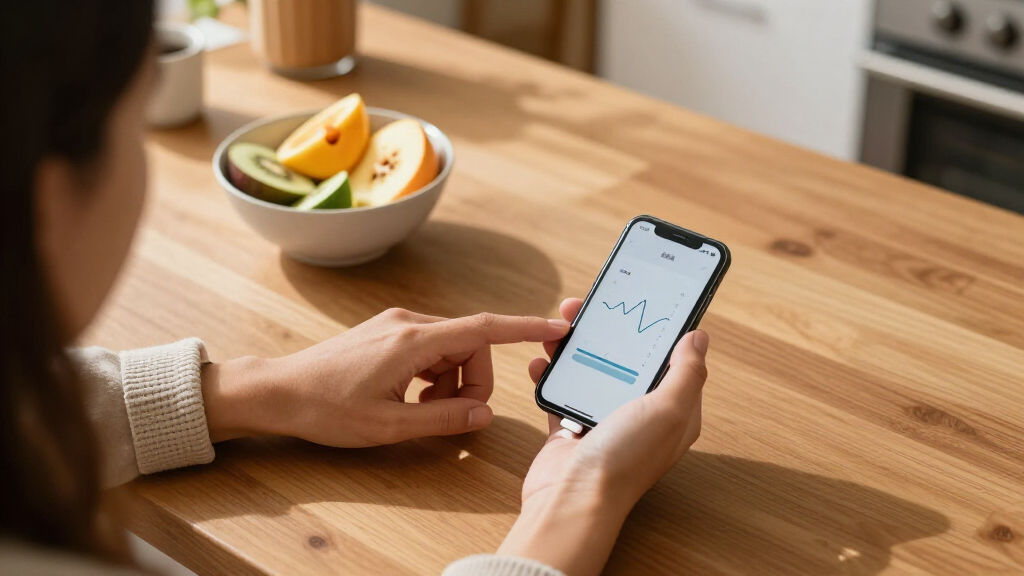
I compared these six listings on the factors that shape the day-to-day experience of a CGM purchase: whether an app is included or clearly paired with the sensor, the stated sensor format and wear period, intended use, and the practical difference between one-, two-, and four-sensor packages. I also considered how easy it is for a buyer to identify the right option without confusing a wellness-oriented product with a device intended for diabetes management. Pack size affects convenience, but it does not by itself make a monitor more capable.
The Stelo 2-Pack ranks first because its sensor-and-app pairing makes the offer easy to understand for a broad group of buyers. I place the Dexcom G7 next for its distinct diabetes-focused role, while Lingo’s versions rank according to how their package size serves different buying habits. The single-sensor Stelo and Lingo options remain useful for narrower needs, but they offer less supply at once. I do not infer clinical accuracy, compatibility, eligibility, or medical suitability beyond the product details supplied; buyers should verify those points with the manufacturer and a healthcare professional.
| continuous glucose monitor | Intended users | Tracking duration |
|---|---|---|
| Stelo Glucose Biosensor and Ap | Adults 18 and older who are not using insulin | — |
| Lingo Continuous Glucose Monit | Adults 18 and older who are not on insulin | Up to 14 days per sensor |
| Lingo Continuous Glucose Monit | Adults 18 and older who are not on insulin | Up to 14 days |
| Dexcom G7 10-Day Sensor | Not provided | — |
| Lingo Continuous Glucose Monit | Adults 18 and older who are not on insulin | Up to 14 days per monitor |
| Stelo Continuous Glucose Monit | — | — |
Factors to Consider When Choosing Continuous Glucose Monitors
Before choosing a sensor, I would settle the questions that listings cannot answer for every buyer: what the device is intended to do, whether it fits a medical care plan, and how its app and supply format fit everyday routines. These broader checks can prevent a package-size decision from distracting from the more important question of suitability.
Match Intended Use to Your Goal
Start by deciding whether you need glucose information for diabetes management or are seeking general insight into glucose patterns. A product marketed for one purpose may not be suitable for another, even if both use a wearable sensor and an app. Check the manufacturer’s stated indications and any limits on who can use the device. If you have diabetes, take medication that can affect glucose, or plan to make treatment decisions from readings, ask your clinician which type of monitor is appropriate. A wellness-oriented CGM should not replace prescribed monitoring or medical advice. This check matters more than choosing the largest pack or the most familiar app.
Check Sensor Wear Time and Reordering Rhythm
Sensor wear periods influence how often you will need to apply a new sensor and keep a replacement available. Compare the stated wear duration with your routine, travel plans, and comfort with sensor changes. A longer supply in the box may reduce reorder interruptions, but it does not change the wear period or the monitor’s intended use. Avoid assuming every sensor in a bundle can be used at once or stored indefinitely; follow the product’s instructions and expiration dates. If you are new to CGMs, a smaller package can make it easier to learn whether the routine suits you. Buyers who already know their preferred device may value having more sensors on hand.
Treat App Compatibility as a Buying Requirement
The app is part of the monitoring experience, not an optional detail. Before buying, check whether your phone’s operating system and model are supported, whether the app is available in your region, and whether setup requires an account or particular permissions. Consider how you want to view and use data: simple pattern awareness, sharing information with a care team, or alerts may each require different functions. Do not assume every CGM app offers the same alerts, integrations, or data-sharing tools. If you rely on a specific phone or connected health platform, confirm compatibility directly with the manufacturer. A sensor that cannot connect to your device is a poor fit regardless of bundle size.
Choose Pack Size Around Certainty, Not Just Convenience
Single-, two-, and four-sensor packages mainly change how much supply you receive at one time. A single sensor limits the amount you commit to before learning whether the device and app suit you; a larger bundle can reduce repeat ordering for established users. The common mistake is to treat a larger pack as a better value without checking expiration dates, usage plans, or whether the product fits your needs. If you are comparing brands, avoid buying several sensors before confirming phone compatibility and intended use. Consider how easily you can obtain replacements and whether the manufacturer’s ordering process works for you. Pack size is most useful after the product choice is settled.
Plan for Data Interpretation and Clinical Decisions
CGM data can show patterns, but a reading is not automatically a diagnosis or a complete account of health. Look for instructions explaining how to interpret readings and what to do if the sensor result does not match how you feel. Follow the device’s guidance about when another measurement method may be needed. If you use readings to make medication or treatment decisions, involve your healthcare professional and follow the device’s approved instructions. Buyers seeking general pattern awareness should also avoid treating every fluctuation as a problem; context such as meals, activity, and timing matters. The right monitor is one whose information you can use responsibly.
Verify Supply, Eligibility, and Ongoing Support
Availability and eligibility can differ by product, location, and individual circumstances, so confirm them before choosing a device. Check how sensors are obtained, whether a prescription or other qualification applies, and what support is offered if pairing or application problems occur. Do not assume that a monitor available for direct purchase is suitable for every person or purpose. Also review storage instructions, sensor application guidance, and the manufacturer’s process for reporting a faulty sensor. For buyers who depend on continuous access, a reliable way to obtain replacement supplies may matter more than receiving several sensors in one shipment. These practical details can shape the experience long after the initial purchase.
Frequently Asked Questions
Can I use a wellness-oriented CGM instead of a diabetes-focused monitor?
Not automatically. Devices can differ in intended use, eligibility, alerts, and how their readings are meant to inform decisions. A wellness-oriented product should not be treated as a substitute for a monitor prescribed for diabetes care. If you have diabetes or use glucose-lowering medication, ask your clinician which device fits your care plan. Check the manufacturer’s current labeling before purchasing, since the product name alone does not establish suitability.
Should I buy a one-sensor pack before choosing a larger bundle?
A smaller pack can make sense if you have not confirmed phone compatibility, app usability, or comfort with wearing the sensor. It limits how many sensors you have on hand while you learn the application and data-viewing routine. However, a single sensor may not provide enough time to judge how the product fits your longer-term habits, especially if you are comparing patterns across different routines. Review the stated wear period and product instructions before deciding what a trial can tell you. Once you know the device suits your needs, a larger pack may be more convenient.
Does choosing a two- or four-sensor pack improve the monitor’s features?
No; pack size changes the quantity of sensors supplied, not the capabilities of each sensor or its app. A larger bundle may reduce how often you need to place a new order, while a smaller one lowers the amount of supply you need to manage at once. Check each listing to confirm exactly what is included, since an app or accessory should not be assumed from the sensor name alone. Also review storage and expiration guidance before buying more than you expect to use. Choose package size after confirming that the specific CGM fits your intended use.
What should I check before buying a CGM for my phone?
Verify that your exact phone model and operating system version are supported by the device’s app. Confirm that the app is available where you live and review any setup, account, or connectivity requirements. If you need alerts or data sharing, check that those functions are supported on your phone and are included for the product you are considering. Do not rely on compatibility with another model from the same brand, since support can vary. The manufacturer’s current compatibility page is the best source for this check.
Can I use CGM readings to change medication or treatment on my own?
You should not change medication or treatment based only on a product listing or general CGM data. Follow the device’s approved instructions and the plan set by your healthcare professional. If a reading conflicts with symptoms or seems unexpected, use the confirmation steps described in the device guidance and contact a clinician when needed. A monitor provides information, but interpretation depends on the person, the device, and the clinical situation. Before choosing a CGM for treatment decisions, confirm with your care team that it is suitable for that role.
Conclusion
For best overall, I recommend the Stelo Glucose Biosensor and App, 2-Pack for buyers who want a clearly paired sensor-and-app option. The best value by convenience is the Lingo 4-Pack for people who have already settled on Lingo and prefer more sensors on hand; its larger bundle is not a substitute for checking fit or suitability. For best for beginners, the Stelo single-pack or Lingo single-sensor option keeps the initial commitment smaller while you check app compatibility and wearing routine. The best premium or diabetes-focused choice in this lineup is the Dexcom G7 for buyers whose care needs and eligibility match its intended use. For a middle-ground Lingo supply, choose the 2-Pack; whichever option you pick, verify intended use, phone support, and clinical fit before relying on its readings.
Fall Picks
fall essentials
As an affiliate, we earn on qualifying purchases.