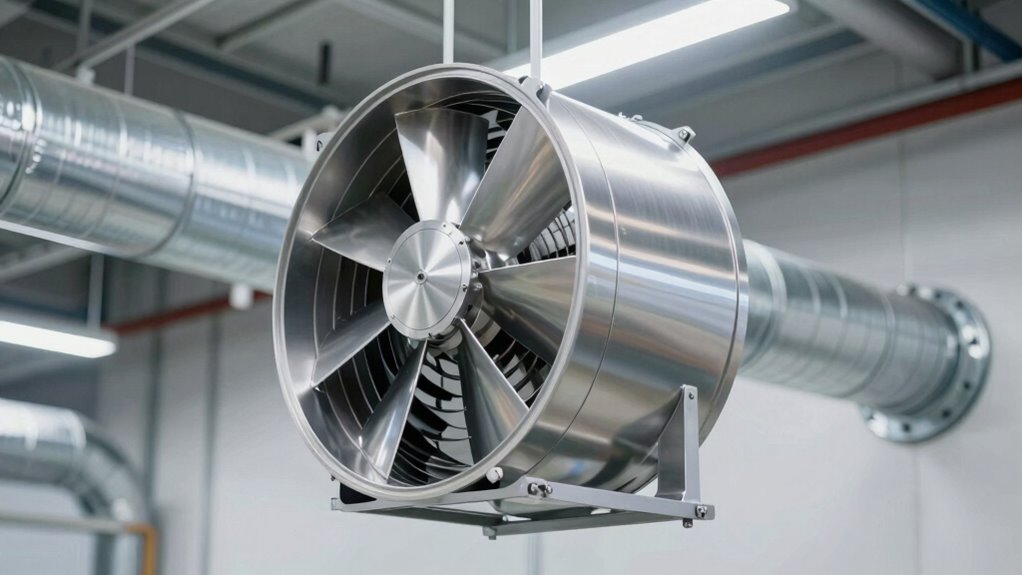

For a duct booster fan for long duct runs, I’d start with the Tjernlund M-6 as the overall pick for larger 6-inch ducts, while the Tjernlund LB2 stands out for automatic dryer-duct operation and the Hon&Guan 4-inch fan for adjustable speed control. The right choice depends on duct diameter, the kind of airflow problem, and whether you want a pressure switch, current sensing, or manual control. A higher CFM figure alone does not guarantee better performance through a long, restrictive duct. This roundup compares those tradeoffs across 15 options; read on for the full breakdown and help matching a fan to your run.

Get health and wellness essentials delivered free with Prime
- Fast, free delivery on millions of items
- Prime Video, Amazon Music and more included
- Member-only deals all year
Key Takeaways
- The Tjernlund M-6 is the only listed 6-inch model with a stated 460 CFM rating, making it the clearest fit here for a larger duct rather than a 4-inch dryer vent.
- Automatic activation is not one single feature: the lineup includes pressure-switch, current-sensing, and other auto-on designs, so match the control method to the appliance and installation.
- Several dryer-vent options advertise 240–275 CFM, but duct layout, elbows, lint buildup, and vent condition can limit the real benefit of those headline figures.
- The Tjernlund DB-2, MIDCVFRUN, and a 260 CFM pressure-switch model prioritize stated airflow; smaller 160–200 CFM models may suit less demanding runs but give less headroom on paper.
- Product naming and specifications overlap across generic DBF-110 and M-4DBT listings, so verify included controls, dimensions, and installation requirements rather than relying on model names alone.


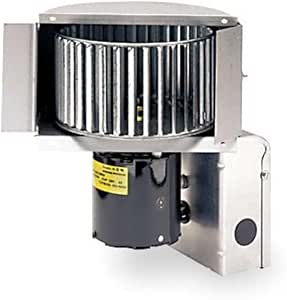


| duct booster fan for long duct run | Airflow | Dimensions | Duct size | Model |
|---|---|---|---|---|
| Tjernlund M-6 Metal Inline Duc | 460 CFM | 15.39 x 14.09 x 11.3 inches | 6 in | M-6 |
| Tjernlund LB2 Dryer Duct Boost | — | 14 x 10.5 x 10 inches | — | LB2 |
| Hon&Guan 4 Inch Inline Booster | 130 CFM | 7.28 x 3.82 x 3.82 inches | 4 inches | — |
| MIDCVFRUN Dryer Vent Booster F | Up to 260 CFM | 9.6 x 10.2 x 9.4 inches | — | RF-110W1-D |
| Rysmirs 4-Inch 240 CFM Dryer B | 240 CFM | — | — | — |
| Tjernlund DB-2 Duct Booster | — | 11.5 × 11.5 × 11.5 in. | — | — |
| AC Infinity Automatic Booster | 230 CFM | 6.9 × 11.9 × 7.4 in. | 4 in. | — |
| Tjernlund M-4 Metal Dryer Duct | — | — | 4 in. | M-4CS |
| Dryer Booster Fan 4" DBF 110 I | 167 CFM | 12.2 × 12.01 × 12.18 in. | 4 in. | 110 Dryer Booster Fan |
| 4-Inch Dryer Booster Fan with | 167 CFM | — | — | — |
| Vanesa M-4DBT Automatic Dryer | — | — | 4 inches | M-4DBT |
| Dryer Vent Booster Fan with Pr | 260 CFM | 11 x 11 x 13 inches | 4 inches | — |
| 4 Inch Dryer Vent Booster Fan | 160 CFM | 11.34 x 6.3 x 12.91 inches | 4 inches | PBF1 |
| Zuomeng M-4DBT Automatic Dryer | Up to 200 CFM | — | — | ZM-211 |
| TERGTIRY 4-Inch Dryer Vent Boo | — | — | — | — |
More Details on Our Top Picks
Tjernlund M-6 Metal Inline Duct Booster Fan, 6 in, 460 CFM
For a long duct run that needs more airflow than a small 4-inch inline fan can provide, the Tjernlund M-6 stands out with 460 CFM in a 6-inch format. Its metal construction and included mounting hardware make it a more purpose-built choice for fixed installations than the compact plastic Hon&Guan 4 Inch Inline Booster. The larger duct size and airflow suit spaces such as grow rooms, bathrooms, or radon systems, but only if the existing ductwork is compatible; this is not a direct fit for standard 4-inch dryer venting. The fan is described as quiet and low-power, though the product data does not give numeric noise or wattage figures. I would factor in the separate purchase of a speed-control device, and the exceptionally low listed weight makes the build feel less substantial than its metal description might suggest.
Pros:- Rated airflow of 460 CFM gives it the highest stated capacity among these five products.
- 6-inch format suits compatible larger duct systems.
- Metal construction and included brackets and hardware support a fixed installation.
- Speed controllable with a separate control device.
Cons:- Speed-control device is sold separately, adding another component to source.
- Does not fit standard 4-inch ductwork without a suitable change in duct size.
- Listed weight is only 0.16 ounces, an unusually low figure that leaves construction heft unclear.
Best for: Buyers with compatible 6-inch ductwork who need a higher-volume inline fan for a long bathroom, spa, grow-room, or radon-ventilation run.
Not ideal for: Anyone boosting a standard 4-inch dryer duct, or buyers who want variable-speed control included and a clearly specified heavy-duty build.
- Duct size:6 in
- Airflow:460 CFM
- Dimensions:15.39 x 14.09 x 11.3 inches
- Model:M-6
- Manufacturer:Tjernlund
- Speed control:Control device sold separately
- Included:Mounting brackets, hardware, standard power cord
Our verdict“Choose the M-6 when a compatible 6-inch system needs high stated airflow; skip it for 4-inch dryer ductwork or a ready-to-use variable-speed setup.”
Tjernlund LB2 Dryer Duct Booster Fan with Automatic Activation
The Tjernlund LB2 is the most specialized pick here: it is designed for dryer exhaust, with automatic activation and a no-clog Lint Blitzer wheel aimed at the maintenance problems that matter on extended dryer runs. Its motor sits outside the airstream and is permanently lubricated, a design distinction from general-purpose options such as the Tjernlund M-6, which is a higher-airflow fan for other compatible duct applications rather than a dedicated dryer system. The LB2 supports horizontal or vertical installation and includes an LED notification panel; the listed motor rating is 50 W on 115 VAC. The manufacturer claims drying-time reductions of up to 50%, but actual results depend on the dryer and vent layout. This is a poor fit for short runs, and its 4-inch diameter is not stated in the supplied specifications, so verify duct compatibility before buying.
Pros:- Automatic activation avoids relying on manual fan operation.
- Lint Blitzer wheel is designed to resist clogging in dryer exhaust service.
- Motor is permanently lubricated and mounted outside the airstream.
- Includes an LED notification panel and a listed five-year manufacturer’s warranty.
Cons:- May be unnecessary on dryer runs shorter than the stated 25-foot use case.
- Requires a 115 VAC electrical connection.
- Supplied specifications do not state duct diameter, so fit should be confirmed before purchase.
Best for: Households with a long dryer exhaust run, particularly those looking for automatic operation and features intended to limit lint-related upkeep.
Not ideal for: Homes with short, unobstructed dryer vents, or buyers who need a confirmed duct-size match before installation and cannot verify it from the supplied product details.
- Model:LB2
- Power supply:115 VAC
- Motor power:50 W
- Dimensions:14 x 10.5 x 10 inches
- Weight:14.4 pounds
- Installation orientation:Horizontal or vertical
- Included components:Dryer duct booster, notification panel
- Warranty:5-year manufacturer’s warranty
Our verdict“Pick the LB2 for a long dryer run where automatic operation and lint-focused design matter more than general-purpose duct versatility.”
Hon&Guan 4 Inch Inline Booster Duct Fan with Speed Controller
For a smaller long run where controlled, modest airflow matters more than maximum volume, the Hon&Guan 4-inch fan is the most adjustable option in this group: its included controller lets buyers tune airflow and noise without sourcing a separate control. At 130 CFM, it has substantially less stated capacity than the dryer-focused MIDCVFRUN 260 CFM or Rysmirs 240 CFM, so I would not choose it to solve a demanding dryer exhaust problem. Its 6 W draw and listed 26 dBA noise level make it better suited to smaller ventilation jobs where a continuously running fan could otherwise be intrusive. The plastic body and 4-inch connection keep it compact, but also narrow its fit and offer less reassurance about ruggedness than the metal Tjernlund M-6. Removable blades help with upkeep, not with its airflow ceiling.
Pros:- Included variable speed controller lets users adjust airflow and sound output.
- Listed 6 W consumption is low for ongoing ventilation.
- 26 dBA listed noise level suits quieter occupied spaces.
- Removable blades simplify cleaning and routine maintenance.
Cons:- 130 CFM is lower than the stated capacity of the MIDCVFRUN and Rysmirs dryer boosters.
- Plastic construction may be less durable than the metal Tjernlund M-6.
- Limited to 4-inch duct systems.
Best for: Buyers with 4-inch ductwork seeking adjustable, quiet, low-power ventilation for a modest bathroom, grow room, or HVAC branch.
Not ideal for: People trying to boost a high-demand or long dryer exhaust run who need more airflow than 130 CFM, or buyers prioritizing metal construction.
- Duct size:4 inches
- Airflow:130 CFM
- Power consumption:6 W
- Speed:4500 RPM
- Voltage:100–240 V
- Air pressure:165 Pa
- Noise level:26 dBA
- Material:Plastic
- Dimensions:7.28 x 3.82 x 3.82 inches
Our verdict“Choose the Hon&Guan for quiet, adjustable airflow in a modest 4-inch run, not for a long dryer vent that needs higher capacity.”
MIDCVFRUN Dryer Vent Booster Fan with Pressure Switch, 4-Inch, 260 CFM
The MIDCVFRUN RF-110W1-D targets a specific problem: a 4-inch dryer vent run that needs automatic assistance without a manual on/off routine. Its adjustable pressure switch is intended to start the fan in response to dryer airflow, while the stated 260 CFM is higher than the Rysmirs unit’s 240 CFM. That makes MIDCVFRUN the stronger paper choice for buyers comparing only the listed airflow, though those figures alone cannot guarantee performance through a particular duct layout. The anti-lint blade and status indicator add useful dryer-specific touches, and the product is listed for indoor or outdoor installation. Compared with the Hon&Guan, it is much more focused on dryer exhaust than general ventilation. The tradeoffs are plastic construction, a strict 4-inch fit, and limited supplied detail on electrical requirements and installation hardware.
Pros:- Stated airflow of up to 260 CFM exceeds the Rysmirs model’s listed 240 CFM.
- Adjustable pressure switch is designed to activate the fan with dryer airflow.
- Anti-lint blade is designed to reduce lint buildup.
- Listed for indoor or outdoor installation and includes a real-time status indicator.
Cons:- Fits only standard 4-inch ducting.
- Plastic material may offer less perceived durability than the metal Tjernlund M-6.
- Supplied product details do not specify voltage, motor power, or included installation hardware.
Best for: Owners of standard 4-inch dryer duct runs who want pressure-switch activation and the highest stated airflow among these 4-inch dryer-focused options.
Not ideal for: Buyers with duct sizes other than 4 inches, or those who want detailed electrical and included-hardware specifications before choosing an installation setup.
- Model:RF-110W1-D
- Duct diameter:4 inches
- Airflow:Up to 260 CFM
- Form factor:Inline
- Activation:Adjustable pressure switch
- Dimensions:9.6 x 10.2 x 9.4 inches
- Material:Plastic
- Warranty:3 years
Our verdict“Choose MIDCVFRUN when your dryer uses 4-inch ducting and its higher stated airflow and pressure-switch activation match your installation needs.”
Rysmirs 4-Inch 240 CFM Dryer Booster Fan – Auto On/Off with Adjustable Pressure Sensor
The Rysmirs 4-inch dryer booster distinguishes itself through its stated auto on/off and post-purge cycle: it is designed to start with the dryer and keep running afterward to clear remaining lint and moisture. That makes it a more cycle-focused choice than the MIDCVFRUN, whose listed 260 CFM is higher but whose supplied description does not mention post-purge operation. Rysmirs lists 240 CFM and says it can support runs up to 100 feet; treat that reach as a product claim, since the actual result will depend on duct routing and resistance. Its 120 V specification is explicitly for electric dryers, and the product is limited to standard 4-inch round ducting. Plug-and-play installation may appeal to buyers avoiding an electrician, but the description does not provide a noise figure, and even a low-noise fan can be audible in a quiet laundry area.
Pros:- Automatic operation is designed to sync with dryer use.
- Post-purge cycle is intended to clear residual lint and moisture after the dryer stops.
- Listed 240 CFM suits its intended long-run dryer application.
- Plug-and-play setup is described as not requiring an electrician.
Cons:- The supplied voltage detail specifies use with electric dryers, limiting clarity for gas-dryer installations.
- Restricted to standard 4-inch round dryer ducts.
- No numeric noise level is supplied, and fan noise may be noticeable in a quiet laundry space.
Best for: Owners of electric dryers with a long, standard 4-inch vent who want automatic start/stop behavior and a post-purge cycle.
Not ideal for: Gas-dryer owners, users with non-4-inch ductwork, or buyers who need a published noise rating or greater listed airflow than the MIDCVFRUN.
- Model number:RF-110W1-D
- Duct compatibility:4-inch round
- Airflow:240 CFM
- Voltage:120 V (electric dryers)
- Operation:Automatic on/off with post-purge cycle
- Included components:Connector, cord
- Warranty:3 years
- Claimed vent-run support:Up to 100 feet
Our verdict“Pick Rysmirs for an electric dryer with a long 4-inch vent when automatic syncing and a post-purge cycle matter more than the MIDCVFRUN’s higher stated airflow.”
Tjernlund DB-2 Duct Booster – 275 CFM
For a long run carrying room heating or cooling, I’d put the Tjernlund DB-2 ahead of the smaller 4-inch AC Infinity Automatic Booster when duct fit and airflow capacity matter most. Its 275 CFM rating and compatibility with 5- to 8-inch round duct, plus shallow rectangular duct, give it more flexibility for existing HVAC layouts. The built-in pressure switch can automate operation, while the supplied mounting template helps with placement.
The tradeoff is a single speed: there’s no fine adjustment if the added airflow is too strong or noise needs tuning. Its 45 dB rating is a useful reference, but the 70 W figure is flagged as inconsistent in the product details. I’d choose it for a compatible, indoor HVAC run, not as a dryer-vent substitute or where variable control is needed.
Pros:- 275 CFM capacity suits airflow assistance in larger compatible HVAC ducts.
- Fits 5- to 8-inch round duct and shallow rectangular duct as low as 3.25 inches.
- Built-in pressure switch supports automatic operation.
- Mounting template and sheet-metal screws simplify installation.
Cons:- Single-speed operation offers no way to tune airflow.
- The listed wattage is flagged as inconsistent in the product details.
- Horizontal mounting and indoor-only use limit installation choices.
Best for: Homeowners extending airflow through a longer 5- to 8-inch HVAC duct run or a shallow rectangular duct who want automatic operation.
Not ideal for: Buyers with 4-inch ducts, outdoor installations, or a need to adjust fan speed to balance rooms.
- Airflow capacity:275 CFM
- Duct fit:5–8 in. round; rectangular duct as shallow as 3.25 in.
- Voltage:115 V
- Maximum current:0.51 A
- Motor:Totally enclosed AC, 1/70 HP, 1550 rpm
- Noise level:45 dB
- Mounting:Horizontal; indoor use
- Dimensions:11.5 × 11.5 × 11.5 in.
Our verdict“Choose the DB-2 for a longer, compatible HVAC duct run where broader duct fit and automatic operation matter more than speed control.”
AC Infinity Automatic Booster Duct Fan 4″ Inline Fan with Pressure Switch
The AC Infinity Automatic Booster Duct Fan is the most adjustable choice here for a long 4-inch duct run: its five PWM speed levels let buyers tune airflow instead of accepting the DB-2’s single-speed output. Pressure-based activation adds hands-free operation, and the brushless EC motor uses 31.44 W according to the listed specs. Its flexible mounting orientation can also help when the duct route leaves little room for a fixed position.
That control comes with limits. At 230 CFM, it has less stated airflow than the DB-2, and the 4-inch fit makes it unsuitable for larger HVAC ducts. The 12 V power requirement may call for an external transformer with standard household power. The listed 60 dBA noise figure is also higher than the DB-2’s 45 dB, so I wouldn’t choose this solely for the quietest setup.
Pros:- Five PWM speed levels allow airflow adjustment.
- Pressure sensing activates the fan automatically.
- Brushless EC motor and listed 31.44 W draw support low-power operation.
- Can be mounted vertically, horizontally, or diagonally.
Cons:- 230 CFM is less than the DB-2’s stated 275 CFM.
- 12 V power may require an external transformer.
- Listed noise level is 60 dBA.
Best for: Homeowners with a 4-inch duct run who want automatic activation and multiple speed settings to tune airflow.
Not ideal for: Buyers needing a larger duct connection, higher stated capacity than 230 CFM, or a fan that plugs directly into standard AC power without additional equipment.
- Duct size:4 in.
- Airflow:230 CFM
- Speed settings:5 PWM-controlled levels
- Motor:Brushless EC
- Power:12 V; 31.44 W
- Noise level:60 dBA
- Bearings:Dual ball
- Dimensions:6.9 × 11.9 × 7.4 in.
Our verdict“Pick this model for a 4-inch long run when adjustable output and flexible mounting matter more than larger-duct capacity.”
Tjernlund M-4 Metal Dryer Duct Booster Fan with Current Sensing Switch (4″)
The Tjernlund M-4 serves a narrower job than the DB-2: it is designed for a 4-inch dryer exhaust and uses current sensing to switch on when a connected appliance draws power. That makes it a better match for a dryer duct that needs automatic assistance than a general HVAC booster such as the DB-2, whose pressure switch responds to duct pressure instead. Its metal construction and stated high-pressure air handling are relevant for a longer exhaust route where lint buildup is a concern.
The available product data does not provide a CFM rating, dimensions, or a clear noise figure, so I can’t compare its capacity directly with the 167 CFM DBF-110 models in this roundup. Its 120 VAC limitation narrows power compatibility, and the listed 0.27 g weight appears erroneous. I’d favor it when appliance-linked switching matters, but not when a verified airflow figure is central to the choice.
Pros:- Current-sensing switch can activate with a connected appliance.
- Designed for 4-inch dryer duct applications.
- Metal construction suits exhaust-duct installation.
- Product description specifies high-pressure air handling and low power use.
Cons:- No airflow capacity is provided for comparison with the DBF-110 models.
- Limited to 120 VAC applications.
- Listed item weight of 0.27 g appears to be a data error.
Best for: Homeowners with a 4-inch dryer exhaust run who want the booster triggered by the dryer’s electrical use.
Not ideal for: Buyers seeking a published airflow capacity, broad duct-size compatibility, or an HVAC supply-duct booster.
- Model:M-4CS
- Duct size:4 in.
- Material:Metal
- Voltage:120 VAC
- Frequency:45–65 Hz
- Maximum ambient temperature:140°F
- Switch type:Current sensing
- Listed item weight:0.27 g (appears to be a data error)
Our verdict“Choose the M-4 when current-sensing activation for a 4-inch dryer exhaust matters more than having a published CFM rating.”
Dryer Booster Fan 4″ DBF 110 Inline with Auto On/Off Pressure Sensor
For a long dryer vent, the DBF-110 with pressure sensor offers a clear stated capacity of 167 CFM and automatic on/off operation without a manual control routine. Unlike the AC Infinity 4-inch fan, which offers five speed levels and flexible orientation, this dryer-focused model is described as waterproof and suitable for indoor or outdoor installation. That makes it a more targeted option for a dryer route through a garage or other exposed area, provided its installation requirements suit the space.
The main limitation is that it must be installed vertically, while the AC Infinity can be mounted in multiple orientations. The description also says startup may require a hair-dryer trick to prime airflow, a less straightforward setup than the DB-2’s supplied mounting template. The claimed drying-time reduction is not a guaranteed result; duct layout and dryer conditions will affect performance. I’d choose it for dryer exhaust, not general HVAC balancing.
Pros:- 167 CFM stated airflow for a 4-inch dryer duct.
- Pressure sensor provides automatic on/off operation.
- Waterproof construction is described as suitable for indoor or outdoor use.
- Listed three-year warranty.
Cons:- Vertical-only installation limits placement options.
- Startup may require the described hair-dryer priming procedure.
- The provided data does not specify voltage, wattage, or noise level.
Best for: Homeowners with a long 4-inch dryer vent who need automatic operation and want a fan described as suitable for indoor or outdoor placement.
Not ideal for: Buyers who need horizontal or angled installation, a fan for HVAC supply ducts, or a setup with no startup priming step.
- Airflow:167 CFM
- Duct size:4 in.
- Model:110 Dryer Booster Fan
- Weight:7.88 lb
- Dimensions:12.2 × 12.01 × 12.18 in.
- Activation:Automatic pressure sensor
- Installation:Vertical
- Warranty:3 years
Our verdict“Choose this DBF-110 for a long 4-inch dryer vent when automatic control and waterproof construction outweigh vertical-only mounting.”
4-Inch Dryer Booster Fan with Pressure Switch (DBF-110)
This DBF-110 is the straightforward option for a 4-inch dryer duct: its pressure switch starts the fan when airflow is detected and stops it when airflow ends, with no separate programming described. The listing specifies a standard electrical outlet, which may make it easier to power than the 12 V AC Infinity model. Like the other DBF-110 in this roundup, it states 167 CFM, but this version emphasizes a waterproof, rust-proof housing and DIY installation.
That simplicity narrows its fit. It is vertical-only and limited to 4-inch flexible or rigid ducts, so it cannot match the DB-2’s broader HVAC duct compatibility or the AC Infinity’s multi-orientation mounting. The product data gives no dimensions, noise figure, or power draw, leaving less information for planning a tight installation. I’d choose it for a simple dryer-vent upgrade, not for a duct system needing adjustable airflow or a confirmed noise profile.
Pros:- 167 CFM stated airflow for a 4-inch dryer vent.
- Pressure switch handles automatic on/off operation.
- Waterproof, rust-proof housing is suited to damp or exposed locations.
- Listed for flexible or rigid 4-inch ducts and standard-outlet power.
Cons:- Vertical-only installation restricts where it can fit.
- Only supports 4-inch ducts, unlike the DB-2’s broader duct range.
- No noise level, wattage, or dimensions are provided.
Best for: DIY homeowners with a vertical section of 4-inch dryer duct who want pressure-triggered operation and standard-outlet power.
Not ideal for: Buyers with larger HVAC ductwork, a nonvertical installation location, or a need for published noise and power specifications.
- Airflow:167 CFM
- Fan size:4 in.
- Duct compatibility:4-inch flexible or rigid ducts
- Activation:Pressure-sensing automatic on/off
- Housing:Waterproof, rust-proof
- Installation orientation:Vertical only
- Power source:Standard electrical outlet
Our verdict“Pick this DBF-110 for a simple vertical 4-inch dryer-duct installation where automatic switching matters more than adjustable control.”
Vanesa M-4DBT Automatic Dryer Booster Exhaust Fan, 4 Inch, 200 CFM
The Vanesa M-4DBT suits a long or bend-heavy 4-inch dryer run where you want the fan to operate without a separate manual switch. Its pre-wired pressure switch starts the booster when the dryer runs, while a post-clean cycle helps move residual air and lint through the duct afterward. At 200 CFM, it offers more airflow than the 160 CFM Dirlexal PBF1, though it falls short of the 260 CFM MIDCVFRUN RF-110W1. That puts it in the middle of this group for airflow, with simpler plug-and-play positioning as its main appeal. The tradeoff is limited published detail: there is no stated noise level or adjustable delay setting, and it only suits existing 4-inch ductwork. I’d choose it for straightforward automatic boosting, not for buyers who need measured sound data or higher airflow.
Pros:- Pre-wired pressure switch starts and stops the fan with dryer operation.
- 200 CFM airflow is a middle-ground option above the 160 CFM Dirlexal PBF1.
- Post-clean cycle helps clear residual air and lint after a drying cycle.
- Plug-and-play installation avoids manual switch wiring.
Cons:- Limited to compatible 4-inch dryer ductwork.
- No specific noise level is provided, making sound comparisons difficult.
- No adjustable delay duration is listed.
Best for: Homeowners with a long or multi-bend 4-inch dryer duct who want automatic activation and a straightforward installation.
Not ideal for: Buyers with ducts larger than 4 inches, or those who need a published noise rating or adjustable post-run timer.
- Brand:Vanesa
- Model:M-4DBT
- Airflow capacity:200 CFM
- Duct size:4 inches
- Mounting type:Duct mount
- Installation:Plug-and-play
- Activation:Automatic pressure switch
- Usage:Indoor
Our verdict“Choose the Vanesa for automatic, uncomplicated boosting on a long 4-inch dryer run when 200 CFM is sufficient.”
Dryer Vent Booster Fan with Pressure Switch for Automatic Activation, 4″ Inline Exhaust Fan 260CFM High Air Volume, Ultra-Quiet Anti-Clog Design
The MIDCVFRUN RF-110W1 stands out here for its stated 260 CFM airflow, the highest figure among these five picks. That extra capacity may appeal when a 4-inch dryer run is especially long or winding, though airflow claims alone cannot establish how a fan will perform in a particular installed duct system. Compared with the 200 CFM Vanesa M-4DBT and Zuomeng ZM-211, this model prioritizes greater stated volume over a post-run delay feature. Its pressure-switch activation keeps operation automatic, while an anti-clog blade and real-time indicator add practical monitoring and maintenance cues. The pressure switch must be installed indoors, which narrows placement options, and standard 4-inch duct compatibility rules it out for larger systems. I’d favor it when airflow headroom matters more than flexible sensor placement.
Pros:- 260 CFM stated airflow exceeds the 200 CFM Vanesa and Zuomeng models.
- Pressure switch provides automatic operation with the dryer.
- Anti-clog blade is designed to reduce lint-related maintenance concerns.
- Real-time indicator helps show operating status.
Cons:- Only compatible with standard 4-inch ductwork.
- Pressure switch placement is limited to indoor installation.
- The provided data does not specify a delay cycle for clearing residual air.
Best for: Homeowners with a long or winding standard 4-inch dryer duct who want the highest stated airflow among these five options.
Not ideal for: People with ducts larger than 4 inches or installations where the pressure switch cannot be placed indoors.
- Model number:RF-110-Dryer
- Part number:RF-110W1-D
- Airflow:260 CFM
- Duct size:4 inches
- Voltage:110 volts
- Weight:10 pounds
- Dimensions:11 x 11 x 13 inches
- Warranty:2-year manufacturer warranty
Our verdict“Pick the MIDCVFRUN RF-110W1 when your long 4-inch run calls for greater stated airflow and an indoor sensor location is workable.”
4 Inch Dryer Vent Booster Fan, 160 CFM, Auto On/Off, Plug-In
The Dirlexal PBF1 is the most maintenance-focused choice in this set. Its integrated lint trap and clear view window give owners a visible way to check buildup, while the remote status panel and clog and overheating alarms add monitoring beyond the basic pressure-switch approach on the Vanesa M-4DBT. Those extras suit a long run where lint management is a particular concern, but the stated 160 CFM is lower than the 200 CFM Vanesa and Zuomeng options and well below the MIDCVFRUN’s 260 CFM. The product description says it performs best on runs over 25 feet, so shorter ducts may not make good use of its setup. It also needs a nearby 115-volt outlet and has a one-year warranty. I’d choose it for visibility and alerts, not maximum airflow.
Pros:- Clear-view lint trap makes buildup easier to monitor.
- Remote status panel and safety alarms provide more monitoring than the simpler Vanesa M-4DBT.
- Automatic on/off sensing supports hands-free operation.
- Package includes two 4-inch duct connectors and two filters.
Cons:- 160 CFM is below the stated airflow of the Vanesa, Zuomeng, and MIDCVFRUN options.
- The description identifies runs over 25 feet as the best fit, limiting its appeal for shorter ducts.
- Requires a nearby 115-volt outlet and has a one-year warranty.
Best for: Owners of long 4-inch dryer runs who want a visible lint trap, remote status information, and clog or overheating alerts.
Not ideal for: Buyers prioritizing higher stated airflow, a longer listed warranty, or installations without a convenient 115-volt outlet.
- Manufacturer:Dirlexal
- Model:PBF1
- Airflow:160 CFM
- Duct size:4 inches
- Voltage:115 volts
- Item weight:12.2 pounds
- Dimensions:11.34 x 6.3 x 12.91 inches
- Warranty:1 year
Our verdict“Choose the Dirlexal PBF1 if lint visibility and alerts matter more to you than maximizing airflow on a long duct run.”
Zuomeng M-4DBT Automatic Dryer Vent Booster Fan, 4-Inch, 200 CFM
The Zuomeng ZM-211’s clearest advantage for a long dryer run is its adjustable 1–30 minute delay. That gives buyers more control over how long the fan continues after the dryer stops, unlike the Vanesa M-4DBT, whose post-clean cycle has no stated adjustment range. Its pressure sensor automates the main on/off operation, and the digital display provides an operating-status cue. At up to 200 CFM, it matches the Vanesa’s stated capacity but trails the 260 CFM MIDCVFRUN RF-110W1 if raw airflow is the priority. The product is specifically aimed at ducts over 25 feet or with several bends, so it is a targeted choice rather than a general-purpose upgrade. Noise level and installation details are not provided, leaving buyers with less guidance on sound and fit.
Pros:- Adjustable 1–30 minute delay allows post-cycle run time to be tailored.
- Automatic pressure sensor starts and stops the fan with dryer use.
- 200 CFM capacity matches the Vanesa M-4DBT.
- Digital display shows operating status.
Cons:- The stated use case focuses on ducts over 25 feet or with multiple bends.
- No noise level is provided.
- Installation details are not included in the supplied product information.
Best for: Owners of 4-inch dryer runs over 25 feet or with multiple bends who want to set how long the booster runs after a cycle.
Not ideal for: Buyers with short, simple ducts, those seeking the highest stated airflow, or anyone needing clear installation and noise specifications before choosing.
- Brand:Zuomeng
- Model:ZM-211
- Duct diameter:4 inches
- Airflow:Up to 200 CFM
- Operation:Automatic pressure sensor
- Delay timer:Adjustable from 1 to 30 minutes
- Housing material:Metal
- Form factor:Inline duct booster fan
Our verdict“Choose the Zuomeng ZM-211 if you want automatic boosting with a configurable post-run period on a long or bend-heavy 4-inch duct.”
TERGTIRY 4-Inch Dryer Vent Booster Fan, 160 CFM
The TERGTIRY is a practical fit when a long or complex 4-inch duct needs a permanent booster and the available space dictates mounting direction. It supports horizontal or vertical installation, a useful distinction from the Dirlexal PBF1, which emphasizes its lint trap, remote panel, and alarms instead. The TERGTIRY’s automatic pressure sensor starts the fan with dryer operation, and its clog-resistant design is intended to limit lint-related trouble. Its 160 CFM capacity matches the Dirlexal but sits below the 200 CFM Vanesa and Zuomeng models and the 260 CFM MIDCVFRUN. That makes it a simpler, lower-airflow option rather than the pick for maximum stated capacity. Permanent installation and 4-inch-only compatibility also make it less suited to temporary setups or larger ducts.
Pros:- Supports horizontal or vertical installation to fit different duct layouts.
- Automatic pressure sensor activates the fan when the dryer runs.
- Clog-resistant design is intended to reduce lint buildup concerns.
- Permanent inline mounting suits a fixed dryer-vent installation.
Cons:- 160 CFM is lower than the 200 CFM Vanesa and Zuomeng and 260 CFM MIDCVFRUN.
- Designed only for 4-inch ducts.
- Permanent installation is less suitable for temporary or frequently changed setups.
Best for: Homeowners with a permanent 4-inch dryer installation where the duct route requires horizontal or vertical mounting flexibility.
Not ideal for: Renters seeking a removable setup, owners of larger ducts, or buyers who need more than 160 CFM stated airflow.
- Brand:TERGTIRY
- Duct diameter:4 inches
- Airflow capacity:160 CFM
- Power source:Electric
- Wattage:100 watts
- Number of speeds:1
- Mounting type:Wall mount
- Installation type:Permanent
- Usage:Indoor
Our verdict“Choose the TERGTIRY when mounting orientation is the main constraint and a permanent 160 CFM booster suits your 4-inch run.”

How We Picked
I ranked these options around the problem in the title: helping airflow through a long duct run. The main criteria were duct size and stated airflow, whether the fan is designed for dryer venting or general inline use, and how its activation or speed control works. I also considered practical fit: the product’s stated dimensions and connection size, the maintenance burden implied by the design, and how clearly the available information describes its intended use.
The order favors a clear match between product design and buyer need, not CFM alone. The Tjernlund M-6 ranks first for its distinct 6-inch, 460 CFM specification; dryer-specific automatic models follow where their use case is clear. Adjustable control and pressure-switch options earn consideration for flexibility, while products with similar names and sparse differentiating specifications rank lower because buyers have less information to compare. These listings do not provide uniform static-pressure curves, so I do not treat advertised CFM as guaranteed airflow at the end of a long, restrictive run.
Factors to Consider When Choosing Duct Booster Fan For Long Duct Runs
Before choosing a fan, I’d check whether the duct, appliance, and vent path are suitable for a booster at all. A booster can help with a compatible run, but it cannot fix a crushed duct, a blocked exterior termination, or an installation that conflicts with appliance instructions. These broader checks can matter more than choosing between two fans with similar advertised airflow.
Match the Fan to Duct Diameter and Run Layout
Start with the duct’s actual inside diameter, then map its length, bends, reducers, and termination. A 6-inch fan such as the M-6 is not a substitute for a 4-inch dryer-vent unit; mismatched connections can create restrictions that cancel out the intended airflow gain. Long runs with several elbows impose more resistance than straight duct of the same length, so the layout matters alongside the fan’s rating. Avoid shrinking duct to fit a fan unless the appliance and installation instructions allow it. If you are unsure how much resistance the run creates, ask a qualified installer to assess the duct rather than selecting by CFM headline alone.
Choose Activation That Fits the Appliance
Automatic controls can reduce the need to remember a separate switch, but their trigger types are not interchangeable. A pressure switch responds to airflow or pressure changes, while current-sensing designs detect appliance operation through electrical current; follow the product instructions to confirm the intended setup. A manually controlled, speed-adjustable fan gives more direct control, but it asks the owner to manage operation and settings. Do not assume that an automatic dryer booster can be used with any exhaust system. Check the appliance maker’s guidance, the fan’s control method, and how the sensor must be installed before buying.
Read CFM as a Starting Point, Not a Promise
Advertised CFM figures help compare models, but they do not show how much air a fan will move against a particular duct’s resistance. A fan’s performance can fall when the run is long, narrow, dirty, or full of bends. Look for a published performance curve or static-pressure information when available, and ask the seller or manufacturer if those details are missing. A bigger airflow number is not automatically the right choice if the fan does not fit the duct or its activation method is unsuitable. I’d also avoid using a booster to mask a venting problem that calls for cleaning, repair, or a duct-layout correction.
Plan for Lint, Cleaning, and Access
Dryer ducts need a maintenance plan because lint can accumulate and restrict airflow, including around fan components. Before installation, decide how the fan and nearby duct sections will be reached for inspection and cleaning. A compact or anti-clog claim does not remove the need to check the whole vent path and exterior outlet. Avoid placing equipment where routine service requires dismantling a large section of duct. If the fan’s instructions do not explain maintenance access or cleaning, seek clarification before committing to a permanent installation.
Check Installation and Appliance Compatibility
Fan placement, wiring, grounding, and permitted duct materials depend on the product and the appliance. Read both the booster’s instructions and the appliance manufacturer’s venting requirements before planning the job; a product listing alone may not resolve compatibility. Verify the fan’s connection size, orientation limits, electrical supply, and whether a sensor or controller is included. In a dryer application, do not assume that an inline fan is approved for every dryer or duct arrangement. When instructions are unclear, an HVAC professional or qualified installer can help prevent a retrofit that adds restriction or creates a safety concern.
Decide When More Control Is Worth the Extra Complexity
A speed controller can help tune an inline fan to a system, while automatic switching can simplify routine operation. Those features add setup decisions, though, and may not help if the underlying problem is a blocked or poorly designed duct. For a straightforward compatible dryer run, a clearly specified automatic model may be easier to operate than a manually controlled fan. For a general inline application, adjustable control can be useful when airflow needs vary, provided the fan is suitable for that use. Pay for a feature only when it solves a real installation or operating need, not simply because the listing has a longer feature list.
Frequently Asked Questions
Can a duct booster fan make any long dryer vent run work?
No. A booster fan may assist a compatible duct system, but it cannot make an unsafe, damaged, blocked, or improperly sized run acceptable. Check the dryer maker’s maximum venting guidance and account for elbows and fittings, not just straight-line distance. Clean the duct and inspect the exterior outlet before deciding a fan is needed. If the run falls outside the appliance instructions, ask a qualified professional about correcting the layout instead of relying on a booster.
Should I choose a higher-CFM fan for a longer duct?
Not by the CFM number alone. The listed airflow is not a guarantee of performance through your particular duct, since resistance from length, elbows, diameter, and buildup affects delivered airflow. A published pressure curve is more informative when comparing fans for a restrictive run, but the listings in this roundup do not provide consistent curve data. First match the fan to the duct and application, then compare airflow information. If performance under resistance is unclear, ask the manufacturer for data before choosing.
Is a pressure-switch model better than a current-sensing model for a dryer?
Neither control type is automatically better for every installation. Pressure-switch models and current-sensing models detect operation differently, and their suitability depends on the dryer, wiring, duct setup, and product instructions. The Tjernlund M-4 listing specifies current sensing, while several other choices identify pressure-switch activation. Compare how each sensor must be installed and what the manufacturer says it supports. If the control method is not clearly described, confirm compatibility before purchase rather than assuming the fan will switch on reliably.
When should I choose the 6-inch Tjernlund M-6 over a 4-inch dryer booster?
The M-6 is the standout option here when the system is built around a compatible 6-inch duct and its stated 460 CFM specification suits the application. Most of the other products are 4-inch models aimed at dryer venting, so they are not direct replacements for a larger inline duct fan. Do not adapt a 6-inch fan to a 4-inch run simply to use the higher stated airflow; the reduction can add resistance and may not match the intended design. Check the duct dimensions and product instructions first, and choose a dryer-specific model when the job is a 4-inch dryer vent.
What should I verify before ordering one of the similar DBF-110 or M-4DBT models?
Compare the full product specifications rather than relying on a shared model label or similar title. Verify duct diameter, stated airflow, sensor type, electrical requirements, included components, and the manufacturer’s installation and maintenance instructions. The roundup includes multiple DBF-110 and M-4DBT-style listings, but similar names alone do not establish that their features or build details match. Check whether the seller identifies the manufacturer and provides support information. If a key detail is missing, get written clarification before planning the installation.
Conclusion
For the clearest overall match to a larger duct, I’d choose the Tjernlund M-6, provided the 6-inch connection suits the system. For a dryer run where automatic operation is the priority, the Tjernlund LB2 is my leading pick; for a 4-inch dryer setup with a higher stated airflow figure, compare the Tjernlund DB-2 and the 260 CFM pressure-switch options against their control and installation details. Buyers seeking adjustable manual control should look first at the Hon&Guan, while beginners may prefer a clearly specified automatic model that matches their appliance and duct. For a specific need such as current-sensing activation, the Tjernlund M-4 offers that distinct control approach. My best-value choice is the 4-inch automatic model that fits your run and provides the sensor and instructions you need; the listings do not support a reliable price-based value ranking. In every case, confirm compatibility and address duct restrictions before choosing a fan.
Halloween Picks
halloween
As an affiliate, we earn on qualifying purchases.