
A lingering odor is usually just an unpleasant smell from sources like cooking or pets that persists temporarily, often manageable with cleaning or ventilation. An air quality problem, however, signals underlying issues like mold, poor ventilation, or pollutants that can affect your health. It doesn’t go away easily and may require air purification or addressing hidden causes. If you want to know how to tell the difference and what steps to take, keep exploring.
Listen free for 30 days with Audible
Thousands of audiobooks and originals — cancel anytime.
As an affiliate, we earn on qualifying purchases.
Key Takeaways
- Lingering odors are surface smells that may fade with cleaning, while air quality problems involve ongoing pollutants affecting health.
- Persistent odors often result from particle buildup or source issues, whereas air quality problems include invisible pollutants like VOCs or mold spores.
- Air quality issues may cause health symptoms, such as allergies or respiratory problems, which odors alone typically do not.
- Cleaning and ventilation can eliminate odors but may not resolve underlying air quality problems like mold or poor airflow.
- Using air purifiers with activated carbon filters helps address both persistent odors and broader air quality concerns.
Have you ever noticed a strange smell lingering in your home but wondered if it’s just an odor or a sign of a bigger air quality issue? It’s a common scenario, and understanding the difference can help you act more effectively. When you detect an odor, it’s often a sign of odor sources—things like cooking, pets, mold, or even smoke—that release particles into the air. These sources can produce smells that seem to hang around unless you address them directly. Sometimes, simply cleaning or ventilating the space can eliminate the smell. But other times, the odor persists, which might indicate an underlying air quality problem.
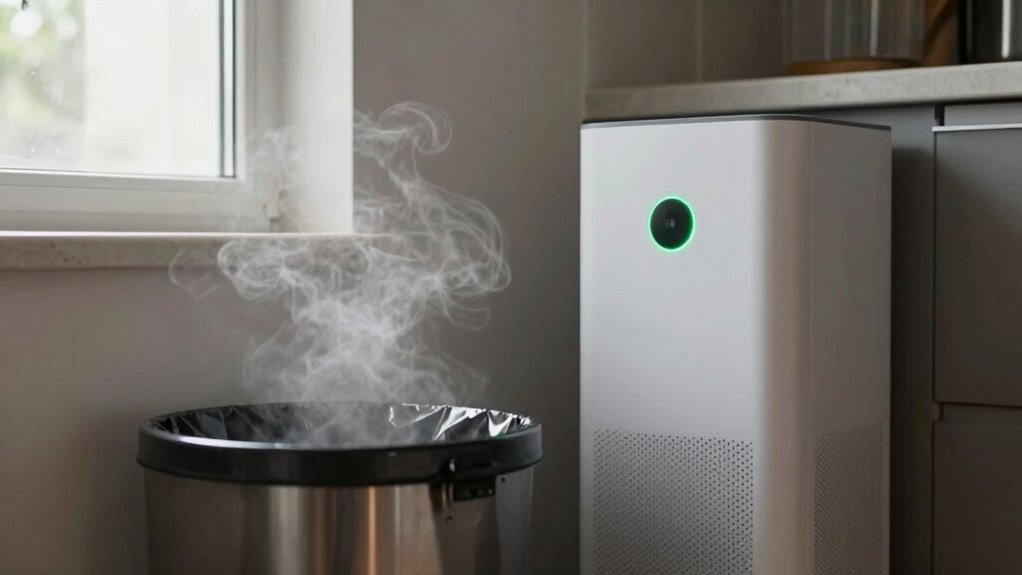
Air purification plays a crucial role here. If odors are stubborn or accompanied by other issues like dust or allergens, investing in an air purifier can make a big difference. These devices work by filtering out particles, including odor sources, VOCs (volatile organic compounds), and other airborne pollutants. If you notice that the smell doesn’t go away even after cleaning, it’s likely that the air purification system is needed to clear the air more thoroughly. An air purifier with activated carbon filters is especially good at absorbing odors, reducing the need for frequent cleaning or masking scents with air fresheners.
Air purifiers with activated carbon filters effectively absorb odors and improve overall air quality.
However, not all lingering smells are just about odor sources. Sometimes, the smell is a symptom of poor ventilation or hidden issues like mold growth behind walls or in damp areas. These problems often contribute to a broader air quality concern, not just an unpleasant odor. Recognizing these signs early can help prevent health issues associated with indoor air pollutants. If you smell musty or stale air that doesn’t improve with cleaning, it’s a sign to investigate further. Mold spores and other pollutants can affect your health, especially if left unchecked. In this case, air purification can help, but it’s also essential to identify and eliminate the root cause—whether it’s fixing leaks, improving ventilation, or removing mold. Proper air filtration can help reduce the overall pollutant levels in your home environment, making it safer and more comfortable.
Monitoring for signs of poor ventilation can prevent many issues before they become serious. In essence, distinguishing between a simple odor and a real air quality problem requires paying attention to how the smell behaves. Does it fade away after cleaning and airing out the space? Or does it linger persistently, despite efforts to eliminate odor sources? If it’s the latter, then air purification becomes a vital part of your solution. By understanding the role of odor sources and the importance of proper air filtration, you can better maintain a healthier, more comfortable environment. Recognizing the signs early helps prevent minor issues from escalating into more serious health concerns or extensive home repairs.
air purifier with activated carbon filter
As an affiliate, we earn on qualifying purchases.
As an affiliate, we earn on qualifying purchases.
Frequently Asked Questions
Can Lingering Odors Indicate Hidden Mold or Bacteria?
Lingering odors can sometimes indicate hidden mold or bacterial growth. If the smell persists despite cleaning, it’s a sign you should consider mold detection and bacterial testing. Mold and bacteria often produce musty or foul odors that are hard to eliminate completely. Addressing these issues early helps prevent health problems and property damage. So, don’t ignore persistent smells—investigate further to guarantee your indoor air quality is safe and healthy.
How Long Does an Odor Typically Last Before Becoming an Air Quality Issue?
Odor lifespan varies, but if a scent persists beyond a few days despite cleaning, it could signal an underlying air quality issue. Typically, mild odors fade within hours to a couple of days, but if the scent lingers longer, you should investigate further. Persistent scent persistence might indicate mold, bacteria, or other pollutants affecting air quality. Addressing the root cause promptly guarantees a healthier indoor environment and prevents odors from becoming a bigger problem.
Are There Specific Symptoms Linked to Poor Air Quality?
You might notice symptoms like sneezing, coughing, or itchy eyes when air quality drops. These signs often stem from airborne allergens or poor ventilation efficiency, which traps pollutants indoors. You could also experience headaches or fatigue if harmful particles accumulate. Recognizing these symptoms early helps you address the root cause, improve air circulation, and reduce indoor pollutants, creating a healthier environment for you and your family.
What Professional Tests Detect Air Quality Problems?
You can have professionals conduct tests like air sampling and indoor pollutant analysis to detect air quality problems. These tests identify common indoor pollutants such as volatile organic compounds (VOCs), mold spores, and particulate matter. They also evaluate ventilation strategies to improve airflow and reduce pollutant buildup. Regular testing helps you understand if your indoor environment is safe or if you need to enhance ventilation or address specific pollutant sources.
Can Air Purifiers Eliminate Both Odors and Air Quality Issues?
Sure, an air purifier might seem like your magic fix, but it has limitations. While it can reduce odors and improve air quality, it’s not a one-stop solution, especially without odor source identification. You might smell less, but the root cause could still linger or worsen. So, don’t rely solely on an air purifier; combine it with thorough testing and pinpointing the source to truly clean your air.
As an affiliate, we earn on qualifying purchases.
Conclusion
Understanding the difference between a lingering odor and an air quality problem helps you act quickly and effectively. While a stubborn smell might just fade with time, a real air quality issue could pose health risks that you can’t ignore. Don’t let things fester—address the problem before it snowballs. Remember, sometimes you have to cut to the chase and tackle the root cause head-on, or you’ll find yourself chasing your tail for too long.
As an affiliate, we earn on qualifying purchases.
As an affiliate, we earn on qualifying purchases.
NFL season / tailgating Picks
team gear
As an affiliate, we earn on qualifying purchases.