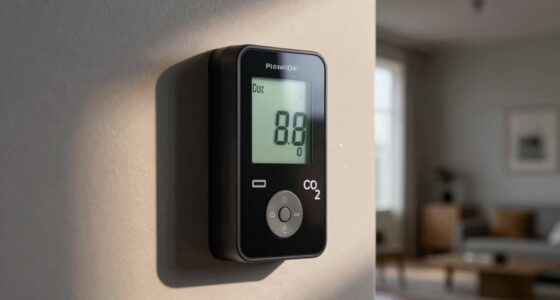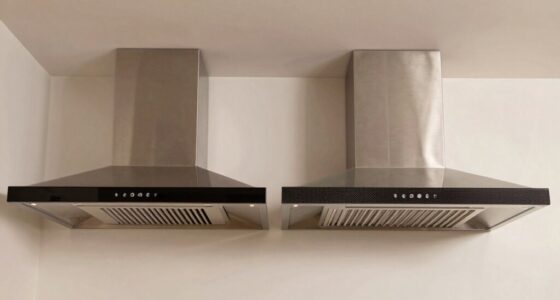
Poor airflow directly affects your comfort by making air feel stale or drafty, which can cause headaches, fatigue, and breathing issues. It also impacts air quality, trapping pollutants and moisture that promote mold growth. Noise from ventilation systems adds stress and disrupts relaxation. When airflow isn’t balanced, it can create unseen discomfort even if everything looks fine. To truly understand how to improve your space, explore how airflow influences both air quality and noise levels.

Get health and wellness essentials delivered free — and shop member deals
- Fast, free delivery on millions of items
- Access to Prime Big Deal Days deals on October 6–7
- Prime Video, Amazon Music and more included
Key Takeaways
- Inadequate airflow causes stale air and uneven temperature distribution, leading to discomfort and frequent complaints.
- Poor ventilation increases indoor pollutants, resulting in health issues and perceived discomfort.
- Imbalanced airflow can create noise disturbances that heighten stress and reduce relaxation.
- Restricted airflow contributes to moisture buildup and mold growth, impacting comfort and health.
- Proper airflow management ensures consistent air quality and noise levels, enhancing overall indoor comfort.

Have you ever wondered why some rooms feel uncomfortable even when the temperature is set perfectly? It’s a common frustration, and often, the answer isn’t just about the thermostat. Instead, factors like air quality and noise levels play a notably role in how comfortable you really feel. When airflow isn’t properly managed, it can impact not only how fresh the air feels but also how your body perceives the environment, leading to discomfort and even health issues.
Poor air quality is a major culprit. If the airflow isn’t balanced, stale air can linger, reducing oxygen levels and increasing indoor pollutants. You might notice stuffiness, a lingering musty smell, or even symptoms like headaches and fatigue. Proper airflow helps circulate fresh air, dilutes indoor pollutants, and maintains a healthy environment. When airflow is restricted or uneven, some areas of the room might feel stuffy, while others might be overly drafty, creating a sense of imbalance that’s hard to ignore. This imbalance can make it difficult to relax or concentrate, even if the temperature feels right. Ventilation systems that don’t distribute air evenly or filters that aren’t functioning properly can considerably compromise air quality, making your space feel less comfortable and more stressful. Additionally, air circulation plays a crucial role in reducing humidity levels, which can prevent mold growth and other moisture-related problems that affect comfort and health. Proper airflow management is essential for maintaining a consistent indoor environment and preventing discomfort caused by uneven air distribution. Improving airflow efficiency can significantly enhance overall comfort and well-being. Ensuring that air quality standards are met can help prevent health issues associated with poor ventilation. Moreover, regular maintenance of ventilation systems can prevent the buildup of dust and allergens that further degrade air quality.
Uneven airflow reduces oxygen, increases pollutants, and creates discomfort and stress in your space.
Noise levels are another often-overlooked aspect tied to airflow. When ventilation or air conditioning units operate noisily, they add a layer of disturbance that can elevate stress and make it hard to focus or rest. Excessive noise from fans, vents, or HVAC systems can drown out sounds that would normally be soothing, like soft music or conversations. Conversely, if airflow is too quiet, you might feel like the space isn’t adequately ventilated, which can also cause discomfort. The key is balancing airflow in a way that’s effective but unobtrusive. When noise levels are high, it’s easy to become distracted or agitated, which amplifies the feeling of discomfort. This is especially true in quiet environments like bedrooms or offices, where even minor noise disturbances can seem amplified and impact your overall sense of well-being.
In essence, airflow isn’t just about temperature control; it’s a delicate dance involving air quality and noise levels. When these elements are out of sync, your sense of comfort quickly diminishes. To truly feel at ease, you need well-designed ventilation that promotes fresh air, controls noise, and maintains a balanced environment. Ignoring these factors often leads to unseen discomfort that’s hard to pinpoint but easy to feel. Recognizing the link between airflow, air quality, and noise levels can help you create a space where comfort isn’t just a setting but a genuine experience.
As an affiliate, we earn on qualifying purchases.
Frequently Asked Questions
How Does Airflow Affect Indoor Air Quality?
Airflow directly impacts indoor air quality by enhancing air circulation and promoting air exchange. When you guarantee proper airflow, stale air is replaced with fresh air, reducing pollutants, allergens, and humidity. Good air circulation prevents the buildup of indoor contaminants, making your environment healthier. By maintaining effective airflow, you create a more comfortable and cleaner indoor space, reducing the risk of respiratory issues and improving overall air quality for everyone inside.
Can Airflow Issues Cause Health Problems?
Yes, airflow issues can cause health problems by compromising air quality and ventilation efficiency. Poor airflow may trap pollutants, allergens, and humidity indoors, leading to respiratory issues, allergies, or asthma flare-ups. When ventilation isn’t effective, harmful particles linger, and moisture buildup can promote mold growth. Ensuring proper airflow improves air quality, maintains ventilation efficiency, and supports a healthier indoor environment, reducing potential health risks associated with poor airflow.
What Tools Are Used to Measure Airflow?
You use tools like an anemometer or a vaneometer for airflow measurement, much like a doctor uses a stethoscope to listen to your heartbeat. These devices help with ventilation analysis, revealing how air moves through your space. A digital airflow meter can provide precise readings, ensuring your environment stays comfortable. Proper airflow measurement helps identify issues and optimize ventilation, preventing discomfort and health problems caused by poor airflow.
How Quickly Can Airflow Problems Be Fixed?
Airflow problems can often be fixed within hours or a day, depending on their complexity. Your airflow maintenance team can quickly evaluate ventilation solutions and address issues like blocked vents or faulty fans. Prompt action guarantees better comfort and air quality. Regular inspections and timely adjustments are key to preventing ongoing discomfort, so don’t delay in contacting professionals who can implement effective ventilation solutions swiftly.
Are Airflow Problems More Common in Certain Buildings?
Think of airflow problems as sneaky shadows lurking in certain buildings. They’re more common in structures with poor design, especially where ventilation patterns are uneven or poorly planned. Buildings with complex layouts, inadequate insulation, or outdated HVAC systems tend to trap stale air and disrupt airflow. You’ll notice discomfort more often in these spaces because the building design doesn’t promote healthy, consistent ventilation, making airflow issues more prevalent.
As an affiliate, we earn on qualifying purchases.
Conclusion
Understanding airflow’s impact on comfort can transform your space. Did you know that improper airflow causes up to 60% of comfort complaints in buildings? That means more than half of your discomfort might just be due to how air moves around you. By paying attention to airflow, you can create a more pleasant environment and reduce those pesky complaints. So, next time you feel uncomfortable, consider the airflow—it might just be the hidden culprit behind your discomfort.
air quality monitor for indoor air
As an affiliate, we earn on qualifying purchases.
As an affiliate, we earn on qualifying purchases.
As an affiliate, we earn on qualifying purchases.
Fall Picks
fall essentials
As an affiliate, we earn on qualifying purchases.