Fans do more than you might expect in stuffy rooms by actively improving air circulation, which prevents stagnant, stale air buildup. They distribute fresh air evenly, making the space feel cooler and more comfortable. By creating a wind-chill effect, fans help you feel cooler without lowering the temperature. They also reduce humidity and boost air quality, helping you breathe easier. Want to discover how they can further transform your space? Keep exploring for more insights.
Key Takeaways
- Fans improve air circulation, preventing stale, stagnant air buildup in enclosed spaces.
- They enhance ventilation, reducing indoor pollutants and moisture that cause stuffiness.
- Fans create a wind-chill effect, making rooms feel cooler without lowering actual temperature.
- They help distribute heat evenly, preventing hot spots and improving overall comfort.
- Fans support energy efficiency by reducing reliance on air conditioning and maintaining consistent airflow.

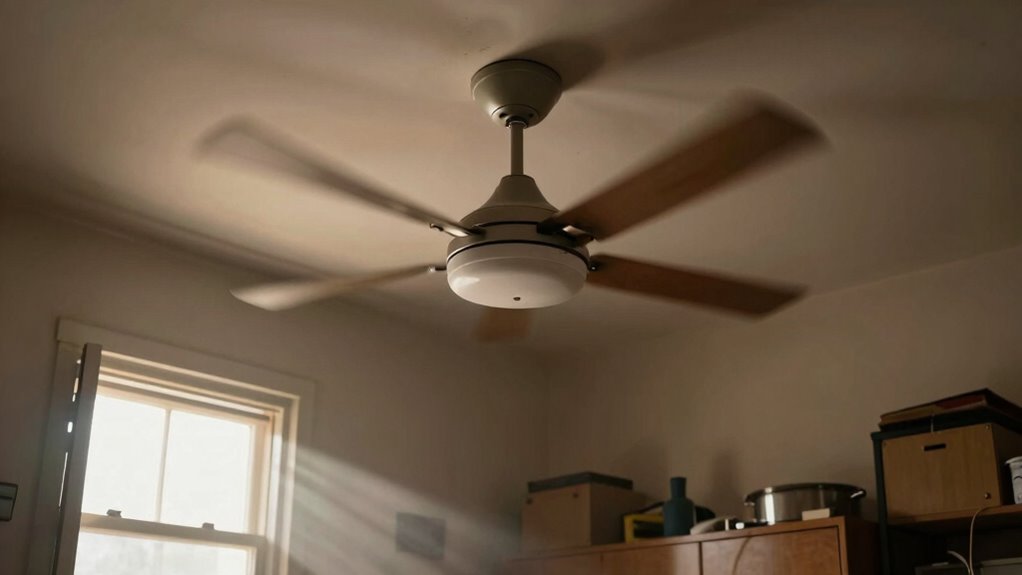
When a room feels suffocatingly hot and stuffy, turning on a fan can instantly improve the air circulation and bring relief. You might think of fans as simple devices that just blow air around, but their real power lies in how they enhance air circulation, which directly impacts how comfortable you feel. Good air circulation prevents stagnant, stale air from settling in, especially in enclosed spaces. As the fan moves air around, it helps carry away heat and humidity, making the room feel cooler and more breathable. This movement also helps distribute fresh air more evenly, so no corner remains hot or stuffy. In essence, a fan acts like a circulatory system for your room, keeping the air fresh and preventing heat buildup. Proper air circulation is essential for maintaining a healthier and more comfortable environment, especially in small or poorly ventilated areas. Improved ventilation can also reduce the buildup of indoor pollutants, contributing to better air quality overall. Additionally, effective air circulation can help prevent mold growth and other issues caused by moisture buildup in enclosed spaces.
Temperature regulation is another key benefit fans offer beyond just moving air. When you turn on a fan, it creates a wind-chill effect that makes you feel cooler without actually lowering the room’s temperature. This sense of cooling can be surprisingly effective, especially when outdoor temperatures are high and air conditioning isn’t an option. By constantly circulating air, fans help maintain a more consistent temperature throughout the room, avoiding hot spots and uneven heat distribution. This is particularly useful in rooms with poor ventilation or those that tend to trap heat, like kitchens or small bedrooms. The continuous movement of air prevents the temperature from feeling oppressive and helps you stay comfortable for longer periods. Additionally, fans can be paired with small wood stoves to optimize heat distribution in a home, especially in colder seasons when even small spaces need efficient heating solutions. Proper air movement also reduces the strain on cooling systems, making them more energy-efficient and cost-effective.
Many people underestimate how much a fan can do in a stuffy room. It’s not just about blowing air randomly; it’s about creating a controlled flow that actively improves ventilation. When airflow is increased, it becomes easier for your body to release heat through evaporation, which is essential in hot, humid environments. Fans also help in reducing humidity levels slightly, making the air feel less sticky. This combined effect of improved air circulation and temperature regulation can make a significant difference, often more than you’d expect from just a simple appliance. Whether you’re trying to sleep, work, or relax, a fan’s ability to keep air moving can transform a stale, uncomfortable room into a much more livable space. So, next time you’re feeling overwhelmed by stuffiness, remember that turning on a fan isn’t just about comfort—it’s about actively managing the air you breathe.

DREO Tower Fan for Bedroom, 28ft/s Velocity, Ultra Quiet Fan, 8 Speeds
- Enhanced airflow with upgraded DC motor: Faster spin up to 28ft/s, projects 34ft
- Ultra-quiet operation: 20dB noise level for peaceful use
- Multiple speed and mode options: 8 speeds and 4 modes for customization
As an affiliate, we earn on qualifying purchases.
As an affiliate, we earn on qualifying purchases.
Frequently Asked Questions
How Do Fans Improve Air Quality in Stuffy Rooms?
Fans improve air quality in stuffy rooms by enhancing air circulation benefits, which help disperse stale air and reduce indoor pollutants. They don’t directly purify air but promote better airflow, making air purification systems more effective. By circulating air constantly, fans prevent the buildup of carbon dioxide, humidity, and allergens, creating a fresher, healthier environment. This simple action considerably boosts overall air quality and comfort in your space.
Can Fans Help Reduce Humidity Levels Effectively?
Fans can help reduce humidity levels effectively by improving air circulation, which promotes faster evaporation of moisture. While they don’t directly remove humidity like dehumidifiers, they help distribute dry air evenly throughout the room, preventing damp spots and mold growth. By enhancing airflow, fans support humidity control and make the environment more comfortable. Keep in mind, for significant humidity reduction, combining fans with dehumidifiers yields the best results.
Are Certain Types of Fans Better for Stuffy Rooms?
Absolutely, certain fan types excel in improving air circulation in stuffy rooms. Oscillating fans gently distribute air, reducing stuffiness with a soothing rhythm, while tower fans offer quiet, even airflow. Ceiling fans, with their wide sweep, create a steady breeze that helps refresh the space. Choosing the right fan depends on your room size and airflow needs, making your environment feel fresher and more comfortable effortlessly.
Do Fans Consume a Lot of Electricity?
Fans generally don’t consume a lot of electricity, especially energy-efficient models. You can keep your electricity consumption low by choosing fans with high energy efficiency ratings. Using fans wisely, like turning them off when not needed or setting timers, further reduces their energy use. Overall, fans are a cost-effective way to improve room comfort without considerably increasing your electricity bills.
How Long Does It Take for a Fan to Cool a Room?
A fan can cool a room within 10 to 30 minutes, depending on its size and the room’s insulation. It works by increasing air circulation, which helps evaporate sweat and makes you feel cooler. Keep in mind, noise levels vary; some fans are quieter, ideal for bedrooms, while others are louder. Overall, fans quickly improve comfort by enhancing air movement, making a noticeable difference in a short span.
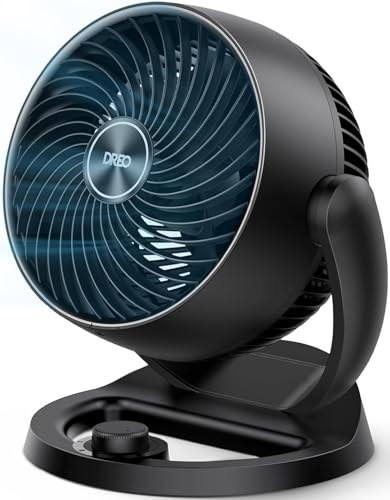
DREO Fan for Bedroom, 12 Inches, 70ft Powerful Airflow, 25db Quiet Table Air Circulator Fans for Whole Room, 120° Adjustable Tilt, 3 Speeds, Desktop Fan for Home, Office, Kitchen
- Powerful airflow coverage: Circulates air up to 70 ft
- Quiet operation: Noise level as low as 25dB
- Adjustable tilt: 120° adjustable for directed airflow
As an affiliate, we earn on qualifying purchases.
As an affiliate, we earn on qualifying purchases.
Conclusion
Next time you’re stuck in a stuffy room, remember that a simple fan is like a gust of fresh air in a crowded concert—quietly making a huge difference. I once left a fan running during a heatwave, and the room felt instantly cooler, almost like a secret weapon. Sometimes, it’s the small things—like a fan—that turn discomfort into comfort, proving that even modest help can make a big difference when you least expect it.
DREO Fan for Bedroom, 12 Inches, 70ft Powerful Airflow, 25db Quiet Table Air Circulator Fans for Whole Room, 120° Adjustable Tilt, 3 Speeds, Desktop Fan for Home, Office, Kitchen
- Powerful airflow coverage: Circulates air up to 70 ft
- Quiet operation: Noise level as low as 25dB
- Adjustable tilt: 120° adjustable for directed airflow
As an affiliate, we earn on qualifying purchases.
As an affiliate, we earn on qualifying purchases.

U ULTTY Bladeless Fan with Air Purifier, Quiet Tower Fan with Remote, Touch, 9 Speeds, 8H Timer, HEPA Filter 99.97%, 90° Oscillation Fans, Floor Fans Powerful for Home Office Room, CR022D White
- Bladeless Safety Design: Prevents blade accidents, easy to clean
- Wide Air Circulation: 90° oscillation for faster airflow
- Multiple Settings: 3 modes, 9 speeds, adjustable air outlet
As an affiliate, we earn on qualifying purchases.
As an affiliate, we earn on qualifying purchases.