The rule of thumb for venting combustion appliances is to guarantee proper airflow and secure, adequate ventilation that directs harmful gases outside. You should install vents, chimneys, or exhaust fans designed for your appliances and keep them regularly maintained. Always follow local building codes and manufacturer recommendations. Proper placement and consistent upkeep help prevent dangerous buildup of carbon monoxide and improve indoor air quality. Keep these practices in mind—there’s more to learn about keeping your home safe and efficient.

Get health and wellness essentials delivered free — and shop member deals
- Fast, free delivery on millions of items
- Access to Prime Big Deal Days deals on October 6–7
- Prime Video, Amazon Music and more included
Key Takeaways
- Ensure proper venting systems (chimneys, exhaust fans) meet or exceed local building codes for combustion appliances.
- Maintain sufficient clearance and unobstructed airflow around appliances to prevent dangerous gas buildup.
- Regularly inspect and clean vents to avoid blockages that compromise ventilation efficiency.
- Position appliances away from enclosed or poorly ventilated spaces to promote safe exhaust of combustion gases.
- Use continuous, adequate airflow to effectively carry away byproducts like CO and CO₂, enhancing safety and appliance longevity.

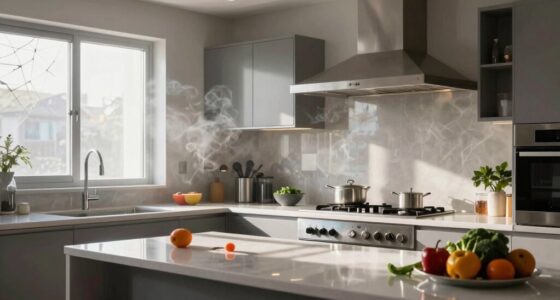
Proper ventilation is essential when using combustion appliances, as it guarantees safe operation and maintains indoor air quality. When these appliances burn fuel—whether it’s natural gas, propane, or oil—they produce byproducts like carbon monoxide, carbon dioxide, and other potentially harmful gases. Without adequate airflow, these substances can accumulate inside your home, creating health hazards and increasing the risk of dangerous buildup. Ensuring proper ventilation isn’t just about complying with safety standards; it’s about protecting your health and prolonging the lifespan of your appliances. When you operate a combustion device, always remember that good airflow helps carry away combustion byproducts and supplies fresh oxygen to sustain proper burning. This balance prevents incomplete combustion, which can produce dangerous emissions like carbon monoxide.
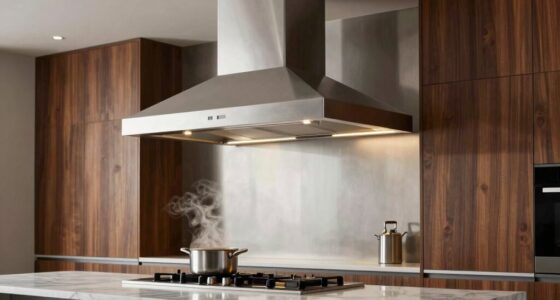
The rule of thumb for ventilation is straightforward: provide enough fresh air to replace what’s used during combustion and allow the byproducts to escape. This often involves installing vents, exhaust fans, or chimneys designed specifically for your appliance. For example, gas ovens, water heaters, and furnaces must be vented properly to the outside; otherwise, dangerous gases can seep into your living space. In many cases, local building codes specify the minimum venting requirements, but it’s always wise to go beyond the minimum to guarantee safety. If you’re unsure, consulting a professional can save you from potential hazards. They’ll assess your space, the type of appliance, and its usage patterns to recommend the right ventilation setup.
You should also pay attention to the placement of your appliances. Keep combustion devices away from poorly ventilated areas, tight corners, or enclosed spaces. Proper clearance around appliances allows for sufficient airflow and prevents heat buildup, which can compromise safety or cause damage. Regular maintenance is vital too—clean vents, check for blockages, and inspect for leaks or corrosion. These small steps help keep your ventilation system functioning at its best. Remember that indoor air quality depends on continuous airflow; even a small blockage or partial closure of vents can lead to dangerous stagnation of gases. Additionally, using a high-quality ventilation system can significantly improve air exchange efficiency, further reducing risks associated with combustion byproducts.
Frequently Asked Questions
How Do I Know if My Ventilation Is Sufficient for Combustion Safety?
You can tell if your ventilation is sufficient for combustion safety by checking for proper airflow and making sure vents aren’t blocked. If you notice yellow or flickering flames instead of steady blue ones, it’s a sign ventilation may be inadequate. Regularly inspect and clean vents, and consider hiring a professional to perform a combustion safety test. Maintaining good ventilation helps prevent dangerous gas buildup and ensures appliances operate safely.
Are There Specific Codes or Standards for Ventilation in Combustion Appliance Rooms?
Yes, there are specific codes and standards for ventilation in combustion appliance rooms. You should follow the National Fuel Gas Code (NFPA 54), the International Mechanical Code (IMC), and local building codes. These standards specify requirements for airflow, venting, and clearance to guarantee safety. Always check with your local authorities or a qualified professional to confirm compliance, as proper ventilation prevents dangerous buildup of carbon monoxide and other hazards.
What Signs Indicate Poor Ventilation or Dangerous Combustion Conditions?
You notice a strong, unpleasant odor or see soot buildup around your appliances, which are signs of poor ventilation. If you experience condensation, excessive humidity, or yellow, flickering flames instead of blue ones, these indicate dangerous combustion conditions. You might also feel headaches, dizziness, or nausea, suggesting carbon monoxide buildup. Always guarantee proper ventilation and have an expert inspect your system if you notice these signs for safety.
Can Ventilation Improvements Reduce Emissions From Combustion Appliances?
Yes, improving ventilation can greatly reduce emissions from combustion appliances. When you increase airflow and guarantee proper exhaust, harmful gases like carbon monoxide and nitrogen oxides are effectively vented outside. This not only improves indoor air quality but also lowers the risk of dangerous buildup. Regularly upgrading your ventilation system, installing exhaust fans, and maintaining vents help keep emissions in check, making your indoor environment safer and healthier.
How Often Should Ventilation Systems Be Inspected and Maintained?
You should inspect and maintain your ventilation systems at least once a year to make certain they work efficiently and safely. Regular checks help identify blockages, leaks, or equipment malfunctions early. If you notice any issues or if you’ve recently experienced changes in air quality, increase the frequency of inspections. Proper maintenance keeps your combustion appliances operating safely, reduces emissions, and improves indoor air quality for you and your family.
Conclusion
So, now that you understand the basics, remember that balancing combustion appliances and ventilation isn’t just a simple rule of thumb—it’s vital for safety. But what happens when you overlook this? The risks could surprise you in ways you never expected. Stay vigilant, keep learning, and don’t underestimate the importance of proper ventilation. Because in this game, a small mistake could lead to unexpected consequences. Are you ready to take control and keep your home safe?
Evergreen bestsellers Picks
bestsellers
As an affiliate, we earn on qualifying purchases.