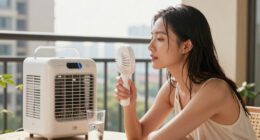

If your home feels dry even at normal humidity, it’s likely due to poor air circulation and ventilation issues. Blocked vents, malfunctioning fans, or long periods with closed windows can cause stagnant air and dry pockets. Inadequate insulation and overly sealed spaces also trap dry air inside. These factors prevent moisture from evenly distributing, making your home feel dry despite normal humidity levels. Keep exploring to uncover more ways to improve your indoor comfort.

Get health and wellness essentials delivered free — and shop member deals
- Fast, free delivery on millions of items
- Access to Prime Big Deal Days deals on October 6–7
- Prime Video, Amazon Music and more included
Key Takeaways
- Poor air circulation causes uneven moisture distribution, making rooms feel dry despite normal humidity levels.
- Inadequate insulation and sealing allow dry external air to enter, reducing indoor moisture perception.
- Blocked vents and malfunctioning fans prevent proper air movement, leading to stagnant, dry-feeling air.
- Architectural features and regional design choices can restrict airflow, increasing dryness sensations indoors.
- Use of excessive sealing or lack of humidification devices can trap dry air, causing dryness even with normal humidity readings.
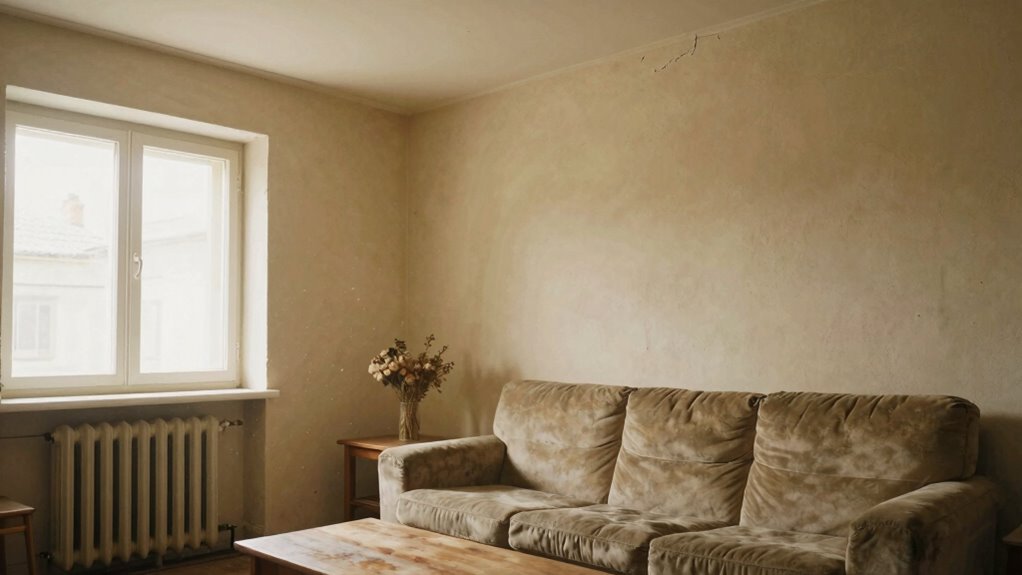
Even when your home’s humidity levels are within the normal range, it can still feel dry. This often confuses people because they assume that if the moisture content is right, their space should feel comfortable. But humidity is just one part of the puzzle. How air moves around your home and the quality of your insulation can significantly influence how dry or damp your environment feels. Poor air circulation means that moist air isn’t spreading evenly, leading to pockets of dry air, especially in rooms with limited airflow. If your vents are blocked, fans aren’t running properly, or windows remain closed for long periods, the air becomes stagnant, and dryness can become noticeable even if the overall humidity is fine. Improving air circulation helps distribute moisture more evenly, making your space feel more balanced and comfortable. Additionally, regional culture and architectural styles in Sardinia often influence home ventilation and insulation practices, which can impact indoor humidity sensations. Proper air exchange is also crucial, as stale air can contribute to a dry feeling regardless of humidity levels. Insulation quality also plays a vital role. If your home is poorly insulated, it can cause uneven temperature and humidity levels. For example, drafts or gaps in insulation allow dry air from outside to seep in or moisture to escape, creating a sensation of dryness inside. Conversely, high-quality insulation helps maintain a consistent environment, preventing the rapid loss of moisture and keeping the indoor air feeling more humid and comfortable. It also reduces temperature fluctuations, which can lead to dry skin and respiratory irritation, even if the humidity is technically within the normal range. When insulation is inadequate, certain rooms might feel drier than others, despite similar humidity readings across your home. Additionally, proper home sealing impacts how air circulates and how effectively moisture is retained. Over-sealing can trap dry air inside, especially in winter months when heating systems tend to dry out indoor air. In contrast, a home that’s too porous might allow moisture to escape or external dry air to infiltrate, disrupting the balance. Proper ventilation systems can greatly enhance indoor air quality and help maintain balanced humidity levels. It’s also important to consider humidity control devices such as humidifiers, which can help add moisture where needed. That’s why assessing your insulation quality and ensuring proper ventilation are key steps toward making your home feel less dry. In the end, understanding the relationship between air circulation, insulation quality, and humidity helps you troubleshoot why your home feels dry despite normal humidity levels. By improving airflow and ensuring your insulation effectively seals your space, you can create a more comfortable environment that feels right, not just measured. Prioritizing these factors will help you maintain a consistent, balanced indoor atmosphere, reducing that persistent dry feeling.
As an affiliate, we earn on qualifying purchases.
Frequently Asked Questions
Can Indoor Plants Affect Perceived Humidity Levels?
Yes, indoor plants can affect perceived humidity levels. As plants undergo transpiration, they release moisture into the air, which can slightly increase humidity. However, soil moisture levels play a vital role; well-watered plants transpire more, adding more moisture to your environment. If your home feels dry despite normal humidity, consider how many plants you have and their watering habits, as they can subtly influence overall moisture levels.
How Does Insulation Impact Moisture Retention?
Insulation creates an insulation barrier that impacts moisture retention by preventing heat transfer, which can lead to moisture trapping inside your home. When insulation is effective, it keeps warm air in and cold air out, reducing condensation that causes dampness. However, if insulation isn’t properly installed or is too dense, it can trap moisture, leading to a dry feeling inside despite normal humidity levels. Proper ventilation helps balance this moisture retention.
Do Air Conditioning Settings Influence Perceived Dryness?
Air conditioning settings do influence perceived dryness, especially when it comes to air circulation and thermal comfort. When you set your AC too low, it can reduce humidity levels, making the air feel dry despite normal humidity. Conversely, higher settings improve air circulation, balancing moisture and temperature. Adjusting your AC thoughtfully helps maintain comfort, preventing that uncomfortable dry sensation while ensuring your home feels just right.
Can Clothing Drying Methods Change Indoor Humidity?
Yes, your laundry habits and drying techniques can change indoor humidity. When you hang clothes indoors to dry, especially in small, poorly ventilated spaces, it adds moisture to the air, increasing humidity. Using a dryer or drying clothes outside helps prevent excess moisture buildup. By managing your drying methods, you control indoor humidity levels, which can make your home feel more comfortable and less dry.
Does the Type of Flooring Affect Humidity Perception?
Think of your flooring material as a silent guardian of humidity perception. Hardwood floors, with their porous nature, soak up moisture, making your space feel more humid, whereas tile and vinyl reflect dryness, amplifying the sensation of a dry home. Your choice of flooring influences how you perceive humidity, acting as a subtle indicator of moisture levels. So, selecting the right material can transform how your home feels, providing comfort and balance.
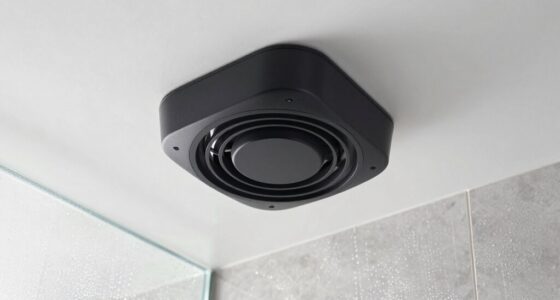
ventilation system for indoor air quality
As an affiliate, we earn on qualifying purchases.
As an affiliate, we earn on qualifying purchases.
Conclusion
You might think that maintaining normal humidity keeps your home comfortable, but sometimes it still feels dry. The truth is, small factors like poor air circulation or drafts can strip away moisture, making you feel parched despite the numbers. Don’t dismiss these signs—they’re your body’s way of telling you something’s off. Addressing these hidden issues can transform your space into a truly cozy, moist haven. Sometimes, what’s unseen makes all the difference.
As an affiliate, we earn on qualifying purchases.
As an affiliate, we earn on qualifying purchases.
Halloween Picks
halloween
As an affiliate, we earn on qualifying purchases.