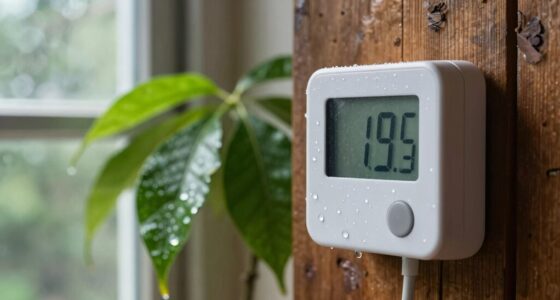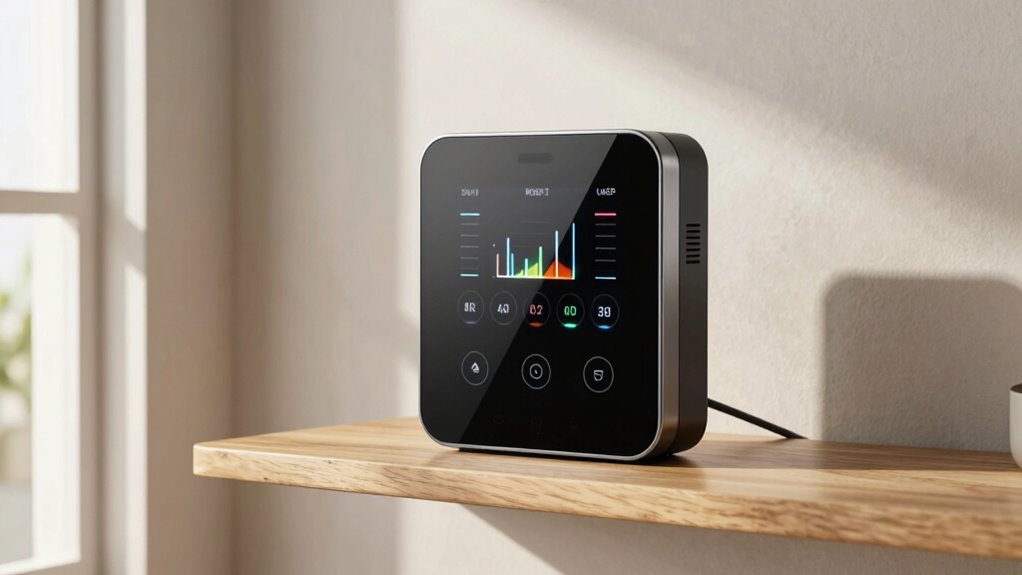

When choosing a whole-home air quality monitor, look for one that accurately detects pollutants like VOCs, PM2.5, CO₂, and humidity. Clear, real-time data helps you quickly identify problem areas and make instant adjustments. Seamless smart home integration and automation make maintaining a healthy environment effortless. Easy installation, reliable connectivity, and low maintenance are also key. Want to know more about the features that can keep your indoor air truly clean? Keep going for details.

Get health and wellness essentials delivered free — and shop member deals
- Fast, free delivery on millions of items
- Access to Prime Big Deal Days deals on October 6–7
- Prime Video, Amazon Music and more included
Key Takeaways
- Accurate detection of common indoor pollutants like VOCs, PM2.5, CO₂, and humidity for comprehensive air quality assessment.
- Real-time data updates and clear displays for quick interpretation and proactive adjustments.
- Seamless integration with smart home systems and automation to maintain optimal indoor air conditions automatically.
- Easy installation, reliable connectivity, and coverage across multiple rooms to monitor overall home air quality effectively.
- Regular maintenance alerts and support to ensure sensor accuracy and device longevity for ongoing indoor health protection.

Maintaining good air quality throughout your home is crucial for health and comfort, especially as pollutants and allergens can spread unnoticed. Whole-home air quality monitors are your best tool for keeping tabs on indoor pollutant levels and guaranteeing a safe environment. When choosing a monitor, one of the most important features is its ability to accurately detect a variety of airborne contaminants. Look for devices that measure common indoor pollutants like volatile organic compounds (VOCs), particulate matter (PM2.5 and PM10), carbon dioxide, and humidity levels. Accurate detection helps you identify problem areas and take targeted action to improve air quality.
Accurate detection of VOCs, particulate matter, CO2, and humidity is essential for maintaining healthy indoor air quality.
Another critical feature is real-time monitoring and easy-to-understand data. The best monitors provide instant updates, allowing you to see fluctuations in indoor air quality as they happen. Clear, user-friendly displays or mobile app integrations make it simple to interpret the data without needing a background in environmental science. This immediate feedback empowers you to make quick adjustments—like increasing ventilation or running an air purifier—before poor air quality affects your health or comfort. Incorporating air quality data into your daily routine can enhance your ability to respond proactively. Additionally, understanding the specific pollutants detected by your monitor can help you address the root causes more effectively.
Smart home integration is a game-changer when it comes to whole-home air quality monitors. When your device connects seamlessly with your existing smart home system, it enhances automation and convenience. For example, if your monitor detects elevated VOCs or high particulate levels, it can automatically trigger your smart ventilation system or air purifier to activate. This proactive approach ensures your home maintains a healthier environment without your constant oversight. Integration with voice assistants like Alexa or Google Assistant also allows you to check air quality status with simple voice commands, keeping you informed effortlessly.
Durability and ease of installation are also essential features. A good monitor should be easy to set up across multiple rooms or zones in your home, providing thorough coverage. Wireless options with minimal wiring make installation straightforward, while long-lasting sensors reduce the need for frequent replacements. Additionally, look for devices with reliable connectivity, whether via Wi-Fi, Zigbee, or Z-Wave, to ensure consistent data transmission and control. Proper placement and coverage are vital to capturing an accurate picture of your home’s overall air quality. Considering sensor lifespan can help ensure your device remains effective over time.
Finally, consider the monitor’s maintenance and support. Devices that offer alerts for sensor calibration or replacement help you keep the system functioning at its best. Customer support and firmware updates can enhance long-term performance, ensuring your investment continues to protect your indoor environment effectively. Being aware of the importance of indoor pollutant detection can guide you in selecting a monitor that truly safeguards your health. Overall, choosing a whole-home air quality monitor with these features guarantees you’re equipped to maintain a healthier, more comfortable living space.
whole home air quality monitor with VOC detection
As an affiliate, we earn on qualifying purchases.
As an affiliate, we earn on qualifying purchases.
Frequently Asked Questions
How Often Do I Need to Replace the Sensors in the Monitor?
You should replace the sensors in your air quality monitor according to the recommended replacement schedule, which is typically every 1 to 2 years. Regular sensor calibration helps maintain accuracy, so check your device’s guidelines for calibration frequency. Keep an eye on performance; if readings become inconsistent, it might be time for sensor replacement. Proper maintenance guarantees your monitor provides reliable, real-time air quality data.
Can These Monitors Detect Specific Allergens or Pollutants?
Yes, many whole-home air quality monitors can detect specific allergens and pollutants. They often feature allergen detection capabilities, identifying common allergens like pollen, pet dander, or mold spores. Additionally, pollutant identification helps you monitor gases like VOCs, carbon monoxide, and particulate matter. With these sensors, you get real-time alerts and detailed data, empowering you to improve your indoor air quality and create a healthier living environment.
Are Whole-Home Air Quality Monitors Compatible With Smart Home Systems?
Many whole-home air quality monitors are compatible with smart home systems, allowing you to integrate them seamlessly. You can control and monitor air quality through smart home apps, enabling automation and remote access. Look for monitors with smart home integration features and voice control compatibility, so you can easily ask your voice assistant about air quality levels or set alerts. This makes managing your home’s air quality more convenient and efficient.
What Is the Typical Lifespan of a Whole-Home Air Quality Monitor?
Think of your air quality monitor as a trusty lighthouse guiding you through foggy days. Typically, it lasts about 5 to 7 years, but its lifespan depends on sensor calibration and device durability. Regular calibration keeps it shining bright, ensuring accurate readings. With proper care, your monitor remains a reliable guardian, alerting you to air issues and standing the test of time in your home.
How Accurate Are the Readings Compared to Professional Air Quality Tests?
You’ll find that the accuracy of your monitor’s readings depends heavily on sensor calibration, which guarantees data reliability. While these monitors provide valuable real-time insights, they may not match the precision of professional air quality tests. Regular calibration and maintenance help improve accuracy, but for critical assessments, professional testing remains the gold standard. Overall, a well-maintained monitor offers reliable, actionable data for everyday air quality management.
smart home air quality monitor with app integration
As an affiliate, we earn on qualifying purchases.
As an affiliate, we earn on qualifying purchases.
Conclusion
Choosing a whole-home air quality monitor isn’t just about its features; it’s about your peace of mind. While sleek designs catch your eye, it’s the accuracy and real-time alerts that truly protect your home and health. Like a silent guardian, the right monitor works quietly, unlike the noisy worries of poor air quality. So, prioritize what matters most—trust in technology that keeps your space safe, without the fuss. After all, your home deserves the best.
wireless indoor air quality sensor for multiple rooms
As an affiliate, we earn on qualifying purchases.
As an affiliate, we earn on qualifying purchases.
air quality monitor with real-time data display
As an affiliate, we earn on qualifying purchases.
As an affiliate, we earn on qualifying purchases.
Fall Picks
fall essentials
As an affiliate, we earn on qualifying purchases.