
You might be surprised to find that everyday household items like furniture, carpets, and cleaning products release VOCs over time, especially in poorly ventilated spaces. Items such as scented candles, air fresheners, and paints also emit these chemicals during and after use. Even activities like cooking or using personal care products contribute to indoor VOC levels. Keeping your home well-ventilated helps reduce these emissions, and there’s more to uncover about how common items impact your indoor air quality.
Key Takeaways
- Household furniture, especially new or older treated pieces, can off-gas VOCs over time, impacting indoor air quality.
- Household cleaning, personal care, and scented products release VOCs each time they are used.
- Paints, adhesives, wallpaper, and candles emit VOCs during and long after application or burning.
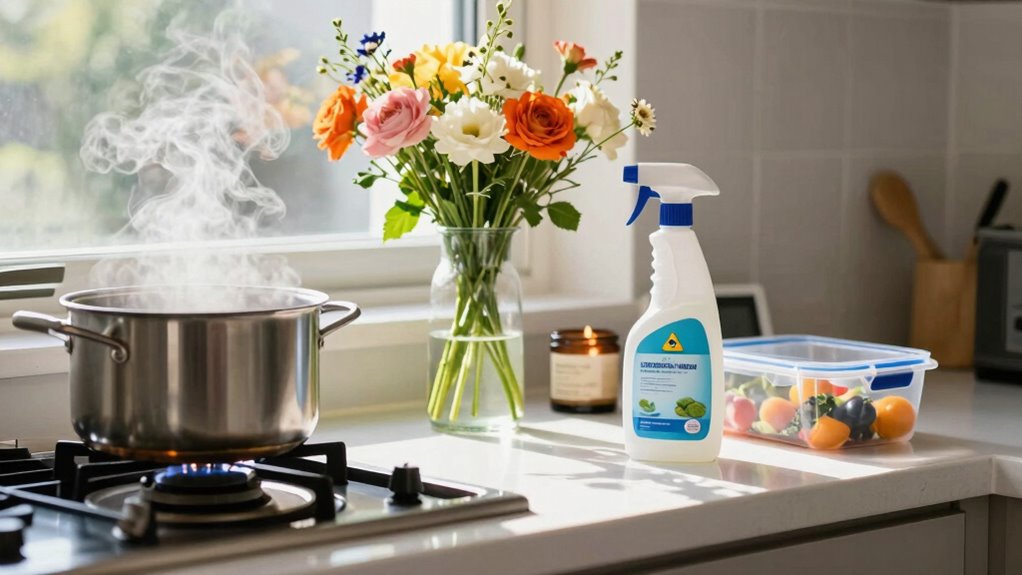
- Cooking activities, especially with poor ventilation, release VOCs from oils, burnt food, and fumes.
- Synthetic fragrances and chemical treatments in household items contribute to hidden VOC emissions.
Have you ever wondered where the fumes in your home come from? Many people don’t realize that everyday items and household habits can considerably impact indoor air quality. Volatile organic compounds, or VOCs, are a major concern because they’re chemical emissions released into the air from a variety of common sources. These emissions can linger indoors, often unnoticed, but they can affect your health over time. Understanding where these VOCs originate helps you take steps to reduce your exposure and create a healthier living environment.
One of the most surprising sources of VOCs is the furniture and home furnishings you bring into your space. Many new sofas, mattresses, and carpets are treated with chemical finishes or contain composite wood products that emit VOCs as they off-gas. Even older furniture can be a source if it’s been treated with fire retardants or cleaning chemicals. These emissions can continuously degrade indoor air quality, especially in poorly ventilated rooms. Additionally, off-gassing from household items can persist for extended periods, making it essential to choose products carefully. Some household items, like certain cleaning or personal care products, may also release VOCs over time, further contributing to indoor pollution. Cleaning products are another common culprit, with many sprays, air fresheners, and disinfectants releasing a cocktail of chemical emissions each time you use them. While they might make your home smell fresh, they can also introduce VOCs into the air that you breathe daily. Choosing low-VOC products can significantly reduce chemical emissions in your home environment.
Furniture and cleaning products can continuously release VOCs, impacting indoor air quality and your health.
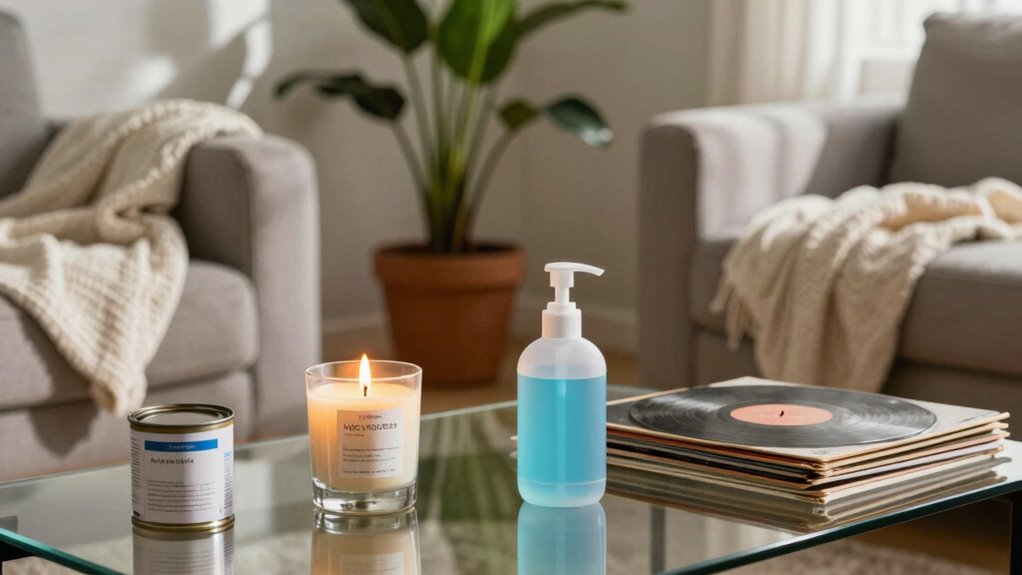
Even household items like candles and incense can contribute to VOC levels. Scented candles often contain paraffin wax, which releases chemical emissions when burned. Similarly, some air fresheners and plug-in deodorizers contain synthetic fragrances that emit VOCs. You might also be surprised to learn that certain paints, varnishes, and wallpaper adhesives release VOCs during and after application, sometimes for months afterward. If you’ve recently painted a room or used new wallpaper, you could be experiencing ongoing chemical emissions that influence your indoor air quality long-term. In addition, proper ventilation can help disperse these emissions and improve air quality.
Everyday activities such as cooking can also elevate VOC levels. Cooking oils and burnt food release chemical emissions that linger in the air, especially without proper ventilation. Additionally, some personal care products, like hairsprays, deodorants, and lotions, contain VOCs that become airborne when you use them. Even laundry detergents and fabric softeners can release chemical emissions that settle in your home or get trapped in fabrics. Being aware of how household chemicals contribute to indoor VOCs can help you choose safer alternatives and improve air quality. Taking steps to reduce VOC emissions in your home can have a meaningful impact on your overall health and comfort.

Furniture Clinic Wood Stain | Dark Oak | Water Based | Fast Drying, Low Odor, & Non-Toxic | for Indoor & Outdoor Furniture and More | Multiple Finishes | (8.5oz / 250ml)
EFFECTIVE ON ALL WOOD SURFACES and QUICK DRYING: Furniture Clinic Wood Stain is a fast drying and highly…
As an affiliate, we earn on qualifying purchases.
As an affiliate, we earn on qualifying purchases.
Frequently Asked Questions
Can Indoor Plants Reduce VOC Levels Effectively?
Indoor plants can help reduce VOC levels effectively through their natural plant benefits. They absorb VOCs from the air during photosynthesis and transpiration, improving air quality. While they won’t eliminate all VOCs, adding plants like spider plants or peace lilies can contribute to cleaner indoor air. Keep in mind, regular ventilation and reducing VOC sources are essential for best results, but plants are a simple, eco-friendly way to enhance your home’s air quality.
Do Older Homes Emit More VOCS Than Newer Ones?
Older homes often emit more VOCs than newer ones because their building materials, like paints and adhesives, tend to contain higher levels of these compounds. Additionally, outdated ventilation systems may not effectively remove VOCs, allowing them to accumulate indoors. You should consider upgrading your ventilation and inspecting building materials for VOC emissions to improve indoor air quality and reduce potential health risks associated with VOC exposure.
Are VOCS Present in Outdoor Air Entering Homes?
Yes, VOCs are present in outdoor air entering your home. Outdoor pollution, from vehicle emissions to industrial activities, brings VOCs indoors. Proper ventilation strategies help reduce indoor VOC levels by increasing fresh air exchange and filtering pollutants. You can improve air quality by using exhaust fans, opening windows during low pollution times, and maintaining your HVAC system. This way, you minimize VOC infiltration and create a healthier indoor environment.
How Do Cleaning Habits Influence VOC Concentrations?
Your cleaning habits markedly influence VOC concentrations in your home. Using cleaning products with residues can release VOCs into the air, especially if you don’t rinse surfaces thoroughly. Improving air circulation effects, like opening windows or using fans, helps disperse these VOCs quickly. Regularly cleaning to remove residues and enhancing ventilation reduce VOC buildup, creating a healthier indoor environment and minimizing exposure to harmful chemicals.
Can Pets Contribute to Indoor VOC Levels?
Yes, pets can boost indoor VOC levels, turning your home into a bubbling pot of odor emissions. Pet dander stirs the air, carrying with it chemicals from pet products and treatments. These emissions mingle with household VOCs, creating a cocktail that can impact air quality. Regular cleaning and good ventilation help, but it is crucial to be aware that your furry friends are part of the VOC puzzle.
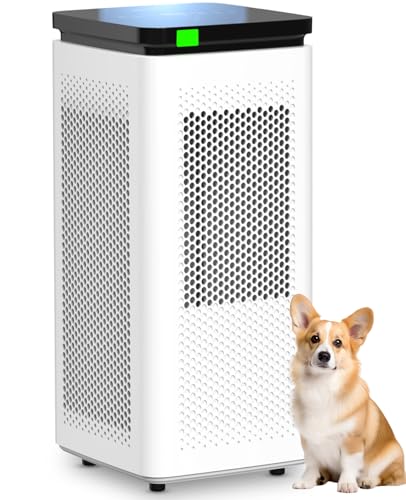
Air Purifiers for Home Large Rooms up to 3500 Ft², H13 True HEPA 0.1 Micron 99.97% Filtration with Carbon Filter, 235 CFM CADR, Removes Allergens, Pet Odor, Smoke, VOCs, 30dB Sleep Mode, PM2.5 Display
H13 True HEPA + Carbon Filter – Removes Allergens, Odors & Smoke: Equipped with H13 True HEPA (0.1μm,…
As an affiliate, we earn on qualifying purchases.
As an affiliate, we earn on qualifying purchases.
Conclusion
So, next time you’re breathing in that “fresh” scent from your scented candle or new furniture, remember—it might be your home’s biggest pollutant. Ironically, the things meant to make your space more livable could be quietly harming you. Sometimes, the most surprising sources of VOCs are right under your nose. Stay aware, ventilate often, and don’t let the comforts of home turn into silent hazards. Your health might thank you more than your nose ever will.

Concrobium Mold Control, 32 oz Spray – Eliminates & Prevents Mold – EPA-Registered, Bleach-Free, Odorless, VOC-Free
Eliminates & Helps Prevent Mold: Targets existing mold at the source and leaves behind an invisible barrier that…
As an affiliate, we earn on qualifying purchases.
As an affiliate, we earn on qualifying purchases.

Candles Gifts for Women – Scented Candles, Natural Soy Wax Candles for Home Scented Perfect for Christmas, Birthday, Mother's Day, Vanilla Candle
🎁 A THOUGHTFUL GIFT FOR EVERY OCCASION- Whether you’re shopping for a birthday, housewarming, or just-because surprise, our…
As an affiliate, we earn on qualifying purchases.
As an affiliate, we earn on qualifying purchases.