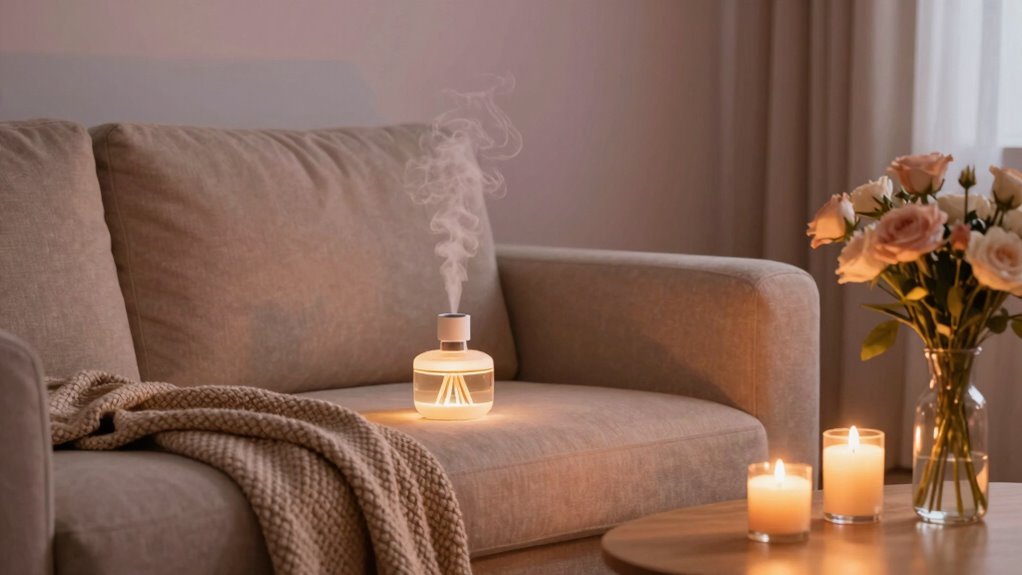

Fragrance sensitivity often starts indoors because enclosed spaces trap airborne chemicals from scented products like candles, air fresheners, and cleaning supplies. When you’re indoors, these chemicals can accumulate and linger longer due to limited air circulation, increasing your exposure. Over time, your body reacts with symptoms like headaches or allergies. Continued exposure can make you more sensitive. If you want to understand how to reduce these effects and improve air quality, explore further.
Listen free for 30 days with Audible
Thousands of audiobooks and originals — cancel anytime.
As an affiliate, we earn on qualifying purchases.
Key Takeaways
- Enclosed indoor spaces trap fragrance chemicals, leading to higher exposure and sensitivity development.
- Frequent use of scented products indoors causes chemical buildup, increasing immune reactions over time.
- Poor ventilation indoors prevents dispersal of volatile organic compounds (VOCs), intensifying sensitivity.
- Indoor air quality diminishes with chemical accumulation from candles, air fresheners, and cleaning products.
- Initial fragrance sensitivity often occurs indoors due to prolonged, concentrated chemical exposure.
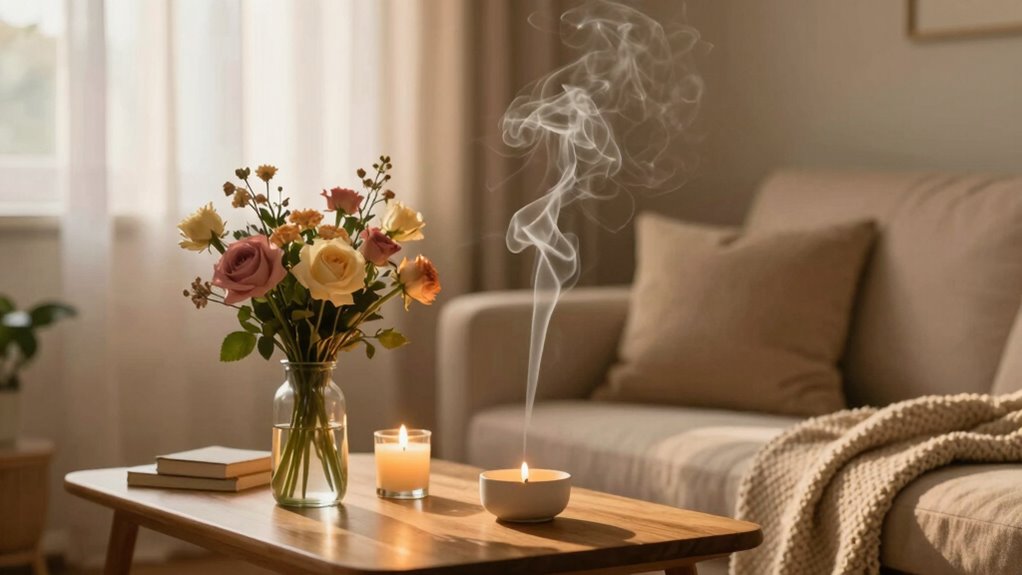
Many people are unaware that the fragrances we often find in candles, air fresheners, and cleaning products can trigger adverse reactions indoors. These scented items release chemicals into the air that can affect your health, especially if you’re sensitive to fragrances. When you breathe in these chemicals, your body reacts through various chemical reactions, sometimes resulting in headaches, respiratory issues, or allergic symptoms. The indoor environment amplifies this effect because the air tends to be less circulated and more concentrated with these volatile compounds, impacting your health considerably.
Fragrance sensitivity often begins indoors because enclosed spaces trap airborne chemicals, making it easier for your body to absorb them. Unlike outdoor environments where fresh air dilutes these substances quickly, indoor spaces can lead to a buildup of fragrance particles. This accumulation increases your exposure, even if you’re only using these products occasionally. Over time, repeated exposure heightens your risk of developing sensitivities or allergic responses because your immune system is constantly reacting to these foreign chemicals. You might notice symptoms worsening when you’re in a room with fresh flowers, scented candles, or heavily fragranced cleaning supplies. The more fragrances you encounter indoors, the more your body has to handle these chemical reactions, which can lead to increased irritability and health issues.
The impact on indoor air quality is substantial. When scented products release volatile organic compounds (VOCs), they contribute to poorer air quality, which can exacerbate respiratory problems. The chemicals can linger in the air long after you’ve turned off a candle or finished cleaning. This lingering presence means your body continues to react to these substances even when you’re not actively using a product. Additionally, the accumulation of chemical compounds in enclosed spaces can intensify these effects over time. Recognizing the chemical buildup indoors can help you better understand how your environment influences your health. Moreover, the confinement of indoor spaces often prevents these chemicals from dispersing naturally, leading to a higher concentration of irritants in the air.
In essence, your indoor environment plays a vital role in how your body responds to fragrances. The confined space allows chemical reactions to intensify, and the impact on indoor air quality can be profound. That’s why many people find their fragrance sensitivities start or worsen indoors. Understanding this connection can motivate you to reconsider the types of products you use and focus on maintaining cleaner, fragrance-free air to protect your health. Additionally, increasing ventilation and using air purifiers can significantly reduce the buildup of volatile organic compounds, helping to improve overall air quality indoors.
air purifier for fragrance sensitivity
As an affiliate, we earn on qualifying purchases.
As an affiliate, we earn on qualifying purchases.
Frequently Asked Questions
Can Fragrance Sensitivity Develop Suddenly or Only Over Time?
Fragrance sensitivity can develop both suddenly and gradually. You might experience a sudden onset after exposure to a strong scent, feeling immediate symptoms. Alternatively, it can develop gradually over time, with your reactions becoming more noticeable after repeated exposure. In either case, your body becomes more responsive or sensitive to fragrances, especially indoors where scents are often concentrated. Recognizing these signs early can help you manage or avoid triggers effectively.
Are Certain Indoor Plants More Likely to Trigger Sensitivities?
Did you know that about 10% of people report fragrance sensitivities? Certain indoor plants, especially those with strong scents like jasmine or gardenia, are more likely to trigger sensitivities. To reduce risks, opt for fragrance-free options like snake plants or pothos. When selecting indoor plants, consider their scent profiles carefully, especially if you’re prone to sensitivities. Choosing plants wisely can make your indoor space more comfortable and allergy-friendly.
How Do Fragrances Affect Indoor Air Quality Long-Term?
Fragrances can negatively impact indoor air quality long-term by adding airborne pollutants that linger and accumulate, making your environment less healthy. Over time, these scents may cause or worsen sensitivities and respiratory issues. Using scent masking products might seem helpful initially, but they often trap pollutants rather than eliminate them. To improve air quality, prioritize good ventilation and opt for fragrance-free or naturally scented products, reducing your exposure to airborne pollutants.
Can Fragrance Sensitivity Vary With Seasons or Weather?
Yes, fragrance sensitivity can vary with seasons and weather. You might notice more reactions during seasonal fluctuations when indoor heating or cooling alters air quality. Weather-related triggers like humidity or cold air can also intensify your sensitivity to fragrances. These changes can make your symptoms worse or better, depending on the conditions. Staying aware of these patterns helps you manage your environment and reduce exposure during vulnerable times.
Are There Specific Age Groups More Prone to Indoor Fragrance Sensitivity?
You might find that age-related factors and genetic predisposition make children and seniors more prone to indoor fragrance sensitivity. While young children’s developing immune systems are vulnerable, older adults often experience heightened reactions due to age-related changes. This vulnerability creates a stark contrast—youth’s resilience versus age’s fragility—highlighting how both genetic and age-related factors influence sensitivity. So, being aware helps you protect those most at risk indoors.
As an affiliate, we earn on qualifying purchases.
Conclusion
So, next time you find yourself overwhelmed by a faint scent in your own home, remember—your indoor haven might secretly be your most potent trigger. Ironically, the very comfort of familiar fragrances can turn into a silent enemy, catching you off guard just when you think you’re safe. It’s a strange twist of fate that what’s supposed to soothe can sometimes cause the most discomfort. Stay alert—you might be fighting an invisible foe right where you least expect it.
As an affiliate, we earn on qualifying purchases.
As an affiliate, we earn on qualifying purchases.
Fall yard work Picks
leaf blowers
As an affiliate, we earn on qualifying purchases.