Think of air in multi-use rooms as a dynamic element that needs tailored management. Your goal is to guarantee proper air circulation, filtration, and freshness tailored to each activity and occupancy level. Using responsive systems that adapt to real-time data, like CO2 and humidity sensors, helps maintain a healthy environment. Combining natural and mechanical ventilation can boost airflow and energy efficiency. If you want to optimize air quality and comfort, there’s more to explore below.

Get health and wellness essentials delivered free with Prime
- Fast, free delivery on millions of items
- Prime Video, Amazon Music and more included
- Member-only deals all year
Key Takeaways
- Tailor ventilation strategies to each room’s specific functions, occupancy, and activity levels for optimal air quality.
- Use responsive systems with sensors to monitor pollutants, humidity, and CO2, adjusting airflow in real-time.
- Ensure proper air circulation and filtration to prevent stagnant zones and remove airborne contaminants effectively.
- Regularly monitor and maintain ventilation and filtration systems to sustain high indoor air quality.
- Design flexible, adaptive ventilation solutions that respond to changing occupancy patterns and environmental conditions.
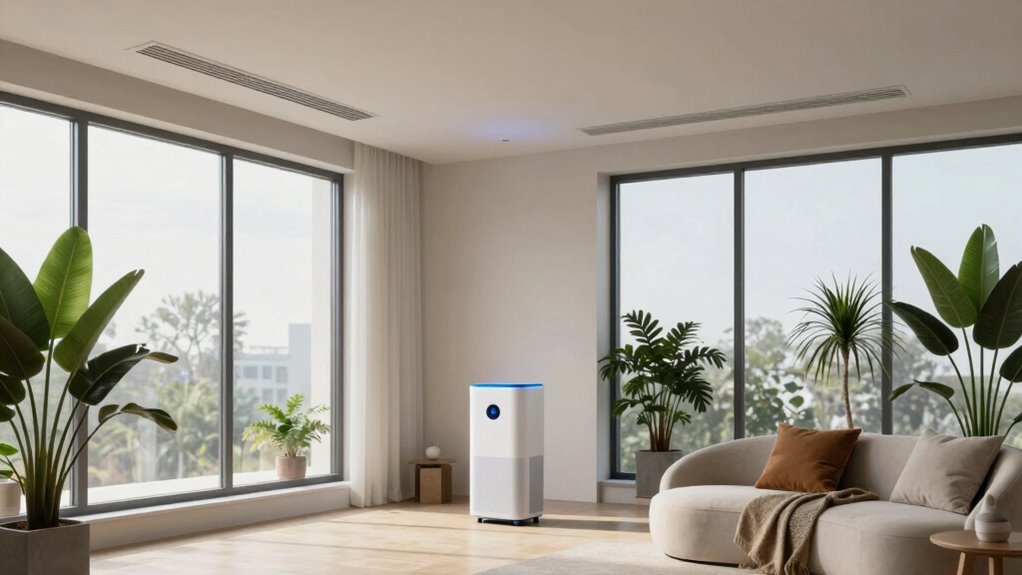
When managing air quality in multi-use rooms, it’s vital to recognize that these spaces serve different functions and require tailored ventilation strategies. Each area might host activities that produce varying levels of pollutants, humidity, and CO2, which directly impact comfort and health. To create a healthy environment, you need to think carefully about how air moves and refreshes within these spaces. Good ventilation isn’t just about opening windows; it involves designing systems that adapt to the room’s specific use, occupancy patterns, and size. This way, you guarantee that fresh air circulates effectively, and contaminants are removed efficiently.
Your first step should be understanding the purpose of each zone within the room. For example, a conference area with many people can quickly accumulate CO2 and moisture, making proper ventilation essential. Meanwhile, a quiet reading nook may require less airflow but still benefits from consistent air exchange to prevent stale air. Tailoring your ventilation strategies means considering these differences, so you’re not just applying a one-size-fits-all solution. Instead, you evaluate how air quality can be maintained at ideal levels based on the activity, number of occupants, and potential sources of indoor pollutants.
Understanding each zone’s purpose guides effective, tailored ventilation for optimal indoor air quality.
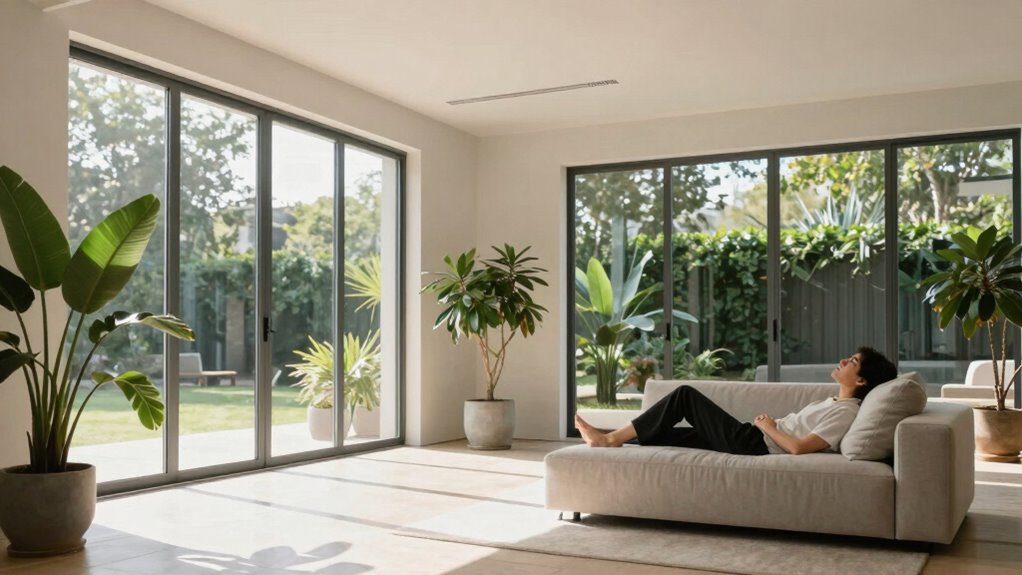
Make sure your ventilation system can respond dynamically. Mechanical systems with sensors that monitor CO2 levels, humidity, and particulate matter are ideal because they adjust airflow as needed, preventing over-ventilation or under-ventilation. Natural ventilation, like operable windows, can also be effective if managed properly, especially in mild weather. Combining natural and mechanical methods often yields the best results, ensuring a consistent supply of clean, fresh air and reducing energy consumption. Incorporating adaptive ventilation systems can further optimize airflow based on real-time environmental data. Additionally, choosing energy-efficient solutions can help reduce operational costs while maintaining air quality. It’s also beneficial to consider air circulation patterns to ensure even distribution of fresh air throughout the space, preventing stagnant zones. Properly designed circulation can significantly improve overall air quality and occupant comfort.
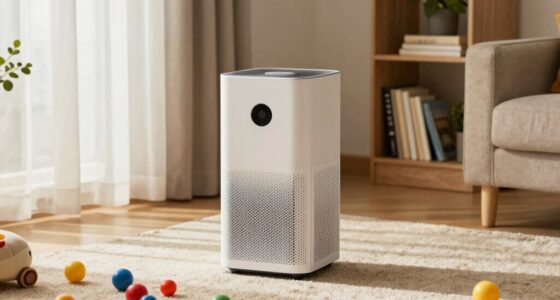
You should also pay attention to air filtration and filtration devices, especially if the room hosts sensitive activities or vulnerable populations. High-efficiency filters can trap airborne particles, allergens, and pathogens, further enhancing air quality. Regular maintenance of these systems guarantees they perform at their best, so you’re not just relying on initial installation but ensuring ongoing effectiveness. Incorporating biodiversity-conscious materials in ventilation design can also support overall indoor environmental health. Properly designed filtration is especially crucial in environments with specific health concerns or pollutant sources. Moreover, integrating smart monitoring technology can provide real-time feedback and further fine-tune the system’s performance.
Ultimately, your approach to air in multi-use rooms hinges on understanding the unique needs of each space and implementing ventilation strategies that are flexible, responsive, and effective. By doing so, you promote healthier indoor environments, improve comfort, and reduce the risk of airborne illnesses. Think of ventilation as a dynamic process—one that adapts to changing conditions and user behaviors—helping you maintain ideal air quality no matter how the room is used.
air quality monitor with CO2 sensor
As an affiliate, we earn on qualifying purchases.
As an affiliate, we earn on qualifying purchases.
Frequently Asked Questions
How Does Humidity Affect Air Quality in Multi-Use Rooms?
Humidity levels directly impact air quality in multi-use rooms. When humidity is too high, it creates an ideal environment for mold growth, which can cause health problems. Low humidity can lead to dry air, irritating your respiratory system. Maintaining balanced humidity levels helps prevent mold growth and keeps the air fresh. Use dehumidifiers or humidifiers as needed to guarantee ideal air quality, making the space healthier and more comfortable.
What Are the Best Air Purifiers for Multi-Use Spaces?
Looking for a hero to rescue your multi-use space from airborne villains? Choose air purifiers with easy maintenance, like HEPA filters that don’t turn into dust bunnies. Prioritize models with low noise levels so your meetings or yoga sessions stay undisturbed. Brands like Dyson, Blueair, and Coway often hit the sweet spot between power and silence. Keep your air clean without the constant battle against smog or squeaky fans!
How Often Should Air Filters Be Replaced in Shared Rooms?
You should replace air filters in shared rooms every 3 to 6 months, depending on air exchange rates and filter lifespan. Regularly check filters for dirt and debris, especially if the space has high traffic or multiple users. Proper maintenance guarantees peak air quality, preventing buildup of pollutants. Keep an eye on manufacturer recommendations, and consider more frequent changes if the room experiences heavy use or if air quality declines quickly.
Can Plants Improve Air Quality in Multi-Use Environments?
Think of indoor greenery as natural air purifiers, turning your space into a invigorating gust of fresh air. Air purifying plants like snake plants and pothos absorb toxins and increase oxygen levels, much like a gust of crisp mountain air. In multi-use rooms, they improve air quality, boost mood, and create a calming environment. Adding a few potted plants can make your space healthier and more inviting, one leaf at a time.
What Ventilation Methods Are Most Effective for Large Multi-Use Areas?
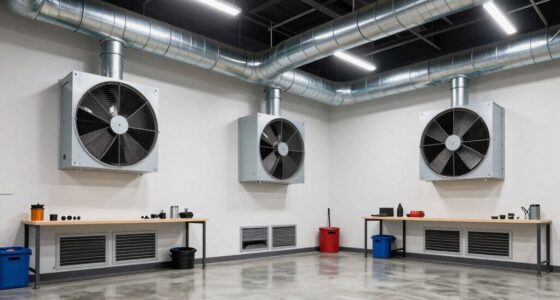
You should focus on maximizing air exchange and ventilation efficiency to keep large multi-use areas healthy. Installing high-capacity HVAC systems with proper filters guarantees continuous fresh air intake and exhaust. Using ceiling fans or exhaust fans can improve air circulation. Regularly maintaining and adjusting these systems enhances overall efficiency, reducing stagnant air and potential contaminants. This approach keeps the space comfortable and safe for everyone using it.
automatic ventilation system for multi-use rooms
As an affiliate, we earn on qualifying purchases.
As an affiliate, we earn on qualifying purchases.
Conclusion
Now that you understand the importance of managing air in multi-use rooms, think about what you might be missing. Are your current ventilation strategies enough to keep everyone safe and comfortable? The truth is, the secret to truly effective air quality might be closer than you think — just out of sight or reach. Keep questioning, keep testing, because the next breakthrough in air management could change everything. Don’t settle — the future of fresh air is waiting.
high-efficiency air purifier with HEPA filter
As an affiliate, we earn on qualifying purchases.
As an affiliate, we earn on qualifying purchases.
adaptive home ventilation system
As an affiliate, we earn on qualifying purchases.
As an affiliate, we earn on qualifying purchases.
Halloween Picks
halloween
As an affiliate, we earn on qualifying purchases.