

TL;DR
This article examines whether patients can confidently rely on chiropractors for health care. It covers confirmed facts about safety and effectiveness, ongoing debates, and what remains uncertain. Readers will understand the implications for their health choices.
Recent discussions and research highlight ongoing debates about the safety and efficacy of chiropractic care, raising questions for patients considering chiropractic treatments for their health needs.

Get health and wellness essentials delivered free with Prime
- Fast, free delivery on millions of items
- Prime Video, Amazon Music and more included
- Member-only deals all year
Chiropractic care involves manual adjustments aimed at treating musculoskeletal issues, especially back pain. According to the National Institutes of Health, many patients report relief from such treatments, and some studies support their effectiveness for specific conditions.
However, concerns persist regarding potential risks, such as strokes or nerve injuries, particularly from neck manipulations. The U.S. Food and Drug Administration has issued warnings about certain cervical procedures, but definitive data on causality remains limited. Experts emphasize that most chiropractic treatments are safe when performed by licensed practitioners, but risks are not zero. For more on health considerations, see how often you should go to the toilet and tips for a healthier gut.
Regulatory oversight varies by state, with some jurisdictions implementing stricter standards and others less so. The American Chiropractic Association states that the profession adheres to safety guidelines, but critics argue that more comprehensive research is needed to fully assess long-term outcomes and rare adverse events.
Why It Matters
This matters because millions of Americans seek chiropractic care annually, often for pain relief and wellness. Understanding the safety and effectiveness of these treatments influences health decisions, insurance coverage, and regulatory policies. Learn more about health and wellness tips, including gut health.
Products Worth Considering

BowFlex Results Series SelectTech Adjustable Dumbbells (Pair)
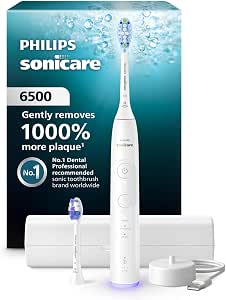
Philips Sonicare 6500 Rechargeable Electric Toothbrush with 2 Brush Heads, White

Levoit Core 600S-P Smart Air Purifier for Large Rooms up to 2933 ft²
As an affiliate, we earn on qualifying purchases.
Background
Chiropractic treatment has been a part of American health care since the late 19th century. Its popularity surged in recent decades, with many patients turning to chiropractors for lower back pain, headaches, and musculoskeletal issues. While some clinical guidelines endorse chiropractic care for certain conditions, others recommend caution, especially regarding neck manipulations. Recent studies and reports have reignited debates over safety, prompting calls for more rigorous research and regulation.
“While chiropractic care can be effective for some musculoskeletal issues, patients should be aware of rare but serious risks, especially with neck adjustments.”
— Dr. Jane Smith, neurologist
“Licensed chiropractors follow strict safety protocols, and most treatments are safe when performed correctly.”
— American Chiropractic Association spokesperson
What Remains Unclear
It remains unclear how common serious adverse events are relative to the number of treatments performed nationally, and whether certain patient populations are at higher risk. Long-term studies on efficacy and safety are still limited, and expert opinions vary regarding the best regulatory approach.
What’s Next
Researchers and regulators are expected to conduct more comprehensive studies on chiropractic safety and effectiveness. Policymakers may consider updating guidelines and oversight standards. Patients are advised to consult healthcare providers about risks and benefits before pursuing chiropractic care.
Key Questions
Is chiropractic care safe?
Most chiropractic treatments are safe when performed by licensed practitioners, but there are rare risks, especially with neck manipulations. Patients should discuss their medical history and concerns with their chiropractor.
Does chiropractic treatment work for back pain?
Evidence suggests that chiropractic care can be effective for certain types of back pain, but results vary among individuals. Consulting a healthcare provider for a comprehensive diagnosis is recommended.
Are there any serious risks involved?
Serious risks, such as stroke or nerve injury, are rare but documented, primarily associated with neck manipulations. Proper screening and adherence to safety protocols reduce these risks.
Should I see a doctor before trying chiropractic care?
Yes, especially if you have underlying health conditions, recent injuries, or persistent symptoms. A medical evaluation can help determine the most appropriate treatment approach.
Source: NYT · Well