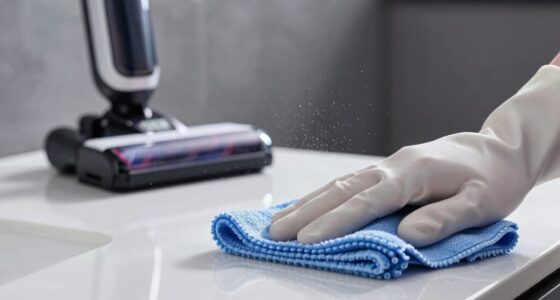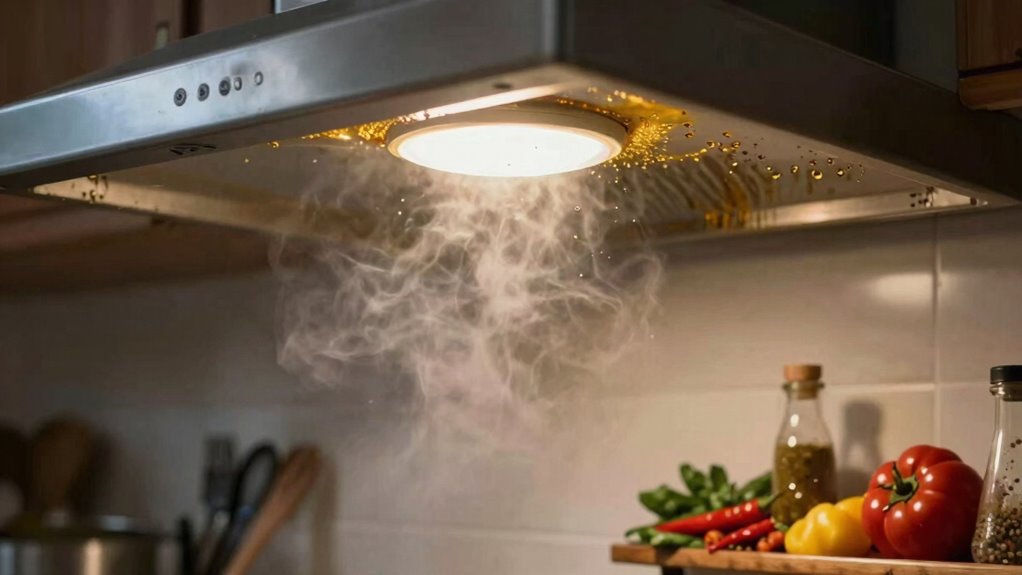

Kitchen grease mist is often the cleaning step you skip, but it can lead to sticky buildups, odors, and serious fire hazards. This fine layer of residue forms when cooking oils vaporize and condense in your kitchen. If you neglect it, you risk poor air quality and reduced appliance efficiency. Regularly check high-traffic cooking zones and hidden areas for grease. By adopting effective cleaning solutions and preventative measures, you can maintain a healthier, grease-free kitchen environment. Discover more tips to tackle this issue effectively.
Listen free for 30 days with Audible
Thousands of audiobooks and originals — cancel anytime.
As an affiliate, we earn on qualifying purchases.
Key Takeaways
- Kitchen grease mist accumulates on surfaces, contributing to a sticky buildup and reducing overall kitchen cleanliness if not regularly cleaned.
- Neglecting grease residue can lead to fire hazards and negatively impact air quality, causing respiratory issues and allergies.
- High-traffic cooking zones and hidden appliance areas are prone to grease buildup, requiring consistent cleaning to prevent larger tasks later.
- Effective cleaning solutions include natural products like vinegar, baking soda, and lemon juice, which are eco-friendly and cost-effective.
- Preventative measures such as using splatter screens and wiping surfaces immediately after cooking can significantly reduce grease mist in the kitchen.
As an affiliate, we earn on qualifying purchases.
Understanding Kitchen Grease Mist

When you cook, especially at high temperatures, kitchen grease mist can quickly become a problem. This mist forms when fats and oils vaporize and then condense in the air, creating a fine layer of grease that settles on surfaces. As you sauté, fry, or grill, you’re not just cooking; you’re affecting your kitchen air quality. Grease mist formation can lead to a sticky buildup on countertops, cabinets, and appliances, which makes cleaning more challenging. It can also trap odors, making your kitchen less inviting. To maintain a healthy cooking environment, consider using exhaust fans or opening windows to help disperse the mist. By being proactive, you can improve both the cleanliness and the air quality of your kitchen. Additionally, maintaining a high contrast ratio in your kitchen lighting can help you see grease buildup more clearly, making it easier to clean. Furthermore, auditory feedback therapy can also enhance communication in the kitchen by ensuring that all members are aware of cooking processes and safety measures. To further enhance your kitchen environment, consider incorporating natural filtration systems which can help reduce the accumulation of airborne particles, including grease mist. Furthermore, using exhaust fans during cooking can significantly lower the amount of grease mist that settles on surfaces. Installing a quality air purifier can also help in removing airborne particles and improving overall kitchen air quality.
As an affiliate, we earn on qualifying purchases.
The Dangers of Neglecting Grease Residue

Neglecting grease residue can lead to serious consequences in your kitchen. First and foremost, it creates grease fire hazards. Grease buildup on surfaces, especially near heat sources, can ignite quickly, turning an ordinary cooking session into a dangerous situation. You might not think twice about that sticky spot on the stove, but it could be a ticking time bomb. Additionally, grease residue affects air quality concerns. When grease accumulates, it can release harmful particles into the air, which you and your family breathe in. Poor air quality can lead to respiratory issues and allergies, making your kitchen environment unhealthy. By addressing grease residue promptly, you not only guarantee safety but also maintain a healthier living space. Furthermore, electric bikes can also help in reducing indoor air pollution by promoting cleaner commuting alternatives. Regular cleaning of your kitchen surfaces can enhance overall air quality and contribute to a safer cooking environment. Moreover, neglecting to clean your kitchen can lead to ventilation issues, as grease can obstruct airflow and worsen indoor air quality. In fact, utilizing robotic cleaning solutions can help automate the process of keeping your kitchen free from grease buildup. Regular maintenance of your kitchen surfaces is essential for ensuring optimal appliance efficiency. Don’t overlook this vital cleaning step!
As an affiliate, we earn on qualifying purchases.
Identifying Areas Prone to Grease Build-Up
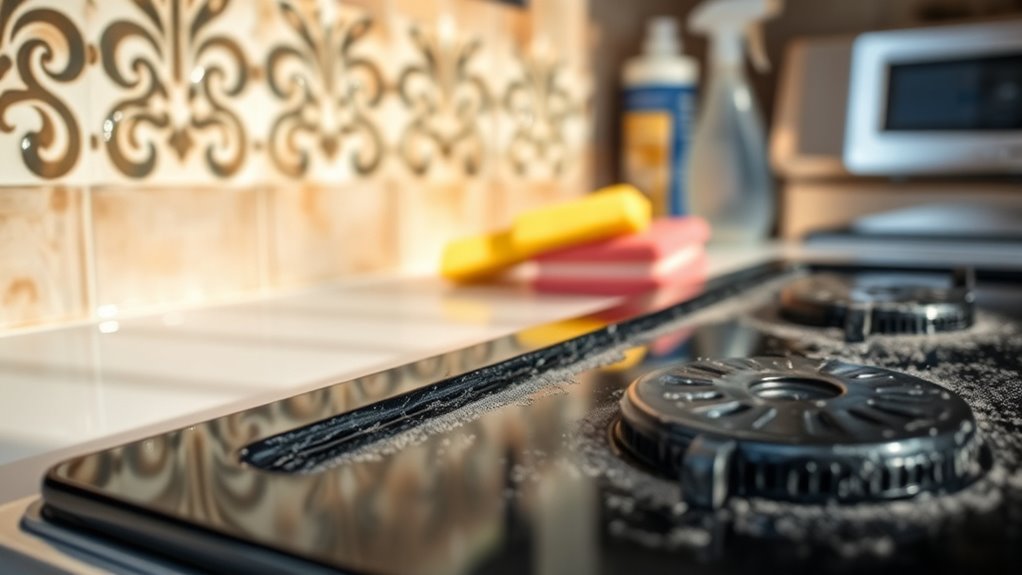
When you’re cooking, certain areas in your kitchen are more likely to collect grease. High-traffic cooking zones, like your stovetop and countertops, often see the worst of it. Don’t forget about hidden spots behind appliances, where grease can accumulate unnoticed. Additionally, smartphone accessories can also contribute to kitchen messes if not stored properly, making it essential to keep your workspace organized. Consider utilizing smart appliances that can assist in monitoring and maintaining cleanliness in your kitchen environment. Investing in quality kitchen gear can also help minimize grease splatter during cooking, ensuring a cleaner space overall. Incorporating essential oils with antimicrobial properties can also help in maintaining a cleaner kitchen atmosphere. Furthermore, using energy-efficient cloud servers can enhance your kitchen management by providing innovative solutions for monitoring appliances remotely.
High-Traffic Cooking Zones
As you navigate your kitchen, it is vital to pinpoint high-traffic cooking zones where grease build-up is most likely to occur. These areas typically include the stovetop, countertops, and around the oven, where splatters and spills are frequent. Regular cooking zone maintenance is essential to keep these spots clean and safe. Pay attention to how kitchen airflow affects grease accumulation; poor ventilation can lead to increased residue. Additionally, areas where food preparation occurs can also benefit from healthy alternatives, as using less greasy cooking methods may reduce overall grease build-up. Incorporating fresh ingredients into your cooking can further enhance the quality of your meals while minimizing grease splatter. After cooking, make it a habit to wipe down these zones immediately, preventing grease from settling in. By identifying and maintaining these high-traffic areas, you’ll not only enhance your kitchen’s cleanliness but also improve its overall efficiency. Additionally, having a reliable whole-house water filtration system can help reduce impurities in your cleaning water, leading to a more effective cleaning process. Moreover, ensuring proper kitchen ventilation systems can significantly decrease grease build-up, making your cleaning routine easier. Consider using moisture-wicking materials in kitchen textiles to help absorb splatters and spills efficiently. Stay proactive to keep your cooking environment fresh and inviting!
Hidden Appliance Areas
While you focus on cleaning visible surfaces, hidden appliance areas often become neglected spots for grease build-up. Take a moment to examine the appliance crevices around your stovetop, dishwasher, and refrigerator. These spots attract grease and grime, which can create an unsightly mess and even attract pests. Don’t overlook hidden nooks like the back of your microwave or the sides of your oven. Regularly wiping these areas can prevent larger cleaning tasks down the road. Use a soft cloth and a gentle cleaner to reach into those tricky spots. By addressing these hidden appliance areas, you’ll not only keep your kitchen looking fresh but also maintain a healthier cooking environment. Additionally, understanding filtration systems can help you choose the right cleaner that effectively tackles grease without damaging your appliances. Implementing regular cleaning habits can also be beneficial for maintaining a healthier cooking environment. Keeping your kitchen clean is essential for overall modern living, as it promotes hygiene and reduces the risk of pest infestations.
As an affiliate, we earn on qualifying purchases.
Effective Cleaning Solutions for Grease Mist

When it comes to tackling grease mist, natural cleaning products can be your best friend. You can also whip up homemade grease cleaners with simple ingredients you probably already have at home. Let’s explore how these solutions can make your kitchen shine again.
Natural Cleaning Products
If you’re tired of stubborn kitchen grease mist but want to avoid harsh chemicals, natural cleaning products offer effective solutions. These eco-friendly options tackle grease stains and oil spills without compromising your health. Here are some great choices:
- Vinegar: Its acidity cuts through grease effectively.
- Baking Soda: A natural abrasive that scrubs away tough stains.
- Lemon Juice: The citric acid helps break down grease while leaving a fresh scent.
- Castile Soap: This plant-based soap is versatile and great for various surfaces.
Using these natural products not only cleans your kitchen but also keeps it safe for you and your family. Say goodbye to chemical-laden cleaners and embrace a greener cleaning routine!
Homemade Grease Cleaners
Creating your own homemade grease cleaners not only saves you money but also gives you control over the ingredients you use in your kitchen. To tackle that stubborn grease film from cooking splatters, mix equal parts of vinegar and water in a spray bottle. This solution effectively cuts through grease without harsh chemicals. For tougher spots, add a tablespoon of dish soap to the mix. Another option is using baking soda and water to create a paste; apply it to the greasy areas, let it sit for a few minutes, and then scrub away. With these simple homemade cleaners, you’ll effortlessly keep your kitchen sparkling clean and free from grease build-up, ensuring a healthier cooking environment.
Preventative Measures to Minimize Grease Accumulation
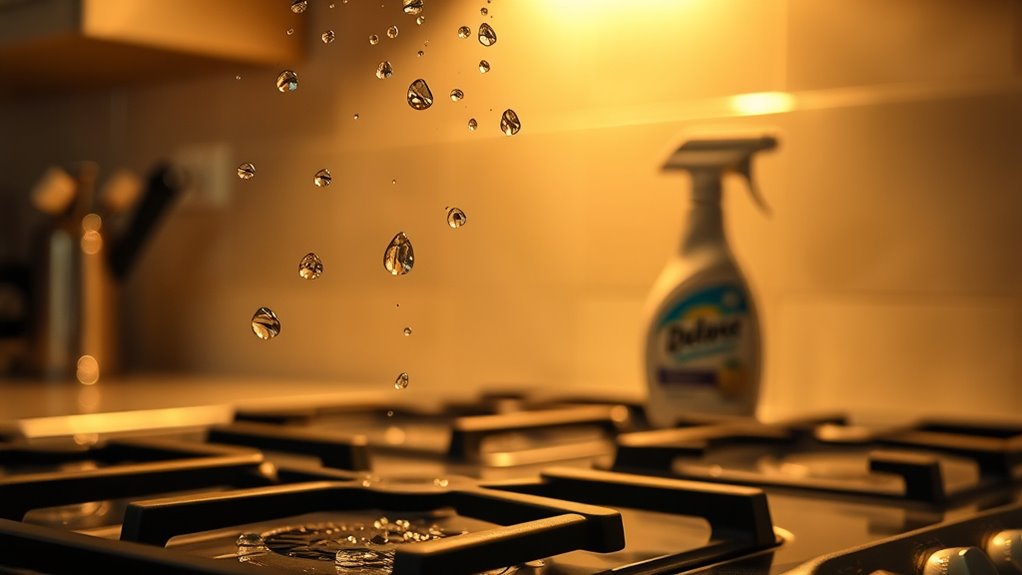
To keep your kitchen grease-free, it’s essential to adopt a few proactive habits during cooking. Implementing these grease prevention strategies not only boosts your kitchen hygiene but also saves you from extensive cleaning later on:
- Use a splatter screen when frying to contain grease.
- Wipe surfaces immediately after cooking to prevent buildup.
- Opt for lower-fat cooking methods, like steaming or baking, to reduce grease.
- Ventilate your kitchen by using an exhaust fan to disperse cooking vapors.
The Importance of Regular Deep Cleaning

While regular maintenance can keep grease at bay, the importance of deep cleaning your kitchen can’t be overstated. Over time, grease particles accumulate and disperse into the air, affecting your kitchen air quality. These particles not only settle on surfaces but can also contribute to unpleasant odors and potential health risks. A thorough deep cleaning tackles hidden grease buildups in hard-to-reach areas, ensuring that your kitchen remains a safe and inviting space. By committing to regular deep cleaning, you’re not just maintaining a clean appearance; you’re also improving the overall air quality. This proactive approach helps create a healthier cooking environment, making it easier for you to enjoy your culinary adventures without the lingering effects of grease.
Tools and Equipment for Tackling Grease
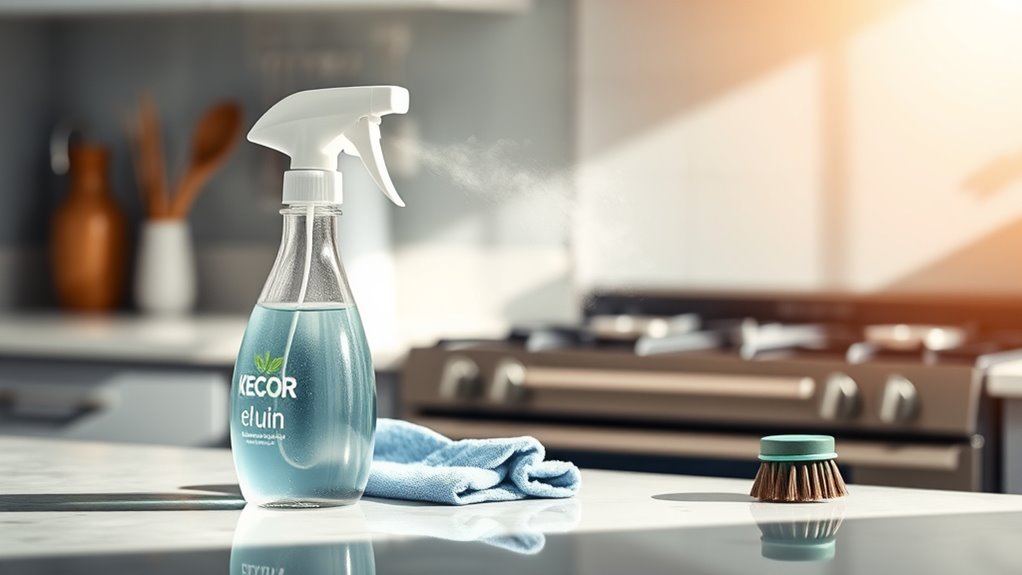
Deep cleaning your kitchen is more effective when you have the right tools and equipment on hand. To tackle grease effectively, consider these essentials:
Deep cleaning your kitchen is simpler when equipped with essential tools for tackling grease effectively.
- Heavy-duty degreaser: A powerful cleaner can break down stubborn grease.
- Scrub brushes: Use these for scrubbing tough spots, especially around appliances.
- Microfiber cloths: They’re great for wiping down surfaces without leaving lint behind.
- Grease trap maintenance tools: Ensure you have the right tools to keep your grease trap in check.
Also, don’t forget about proper cooking oil storage. Keeping oils in airtight containers helps minimize grease buildup. With the right arsenal, you’ll make grease removal a breeze and maintain a sparkling clean kitchen!
Eco-Friendly Alternatives for Grease Removal
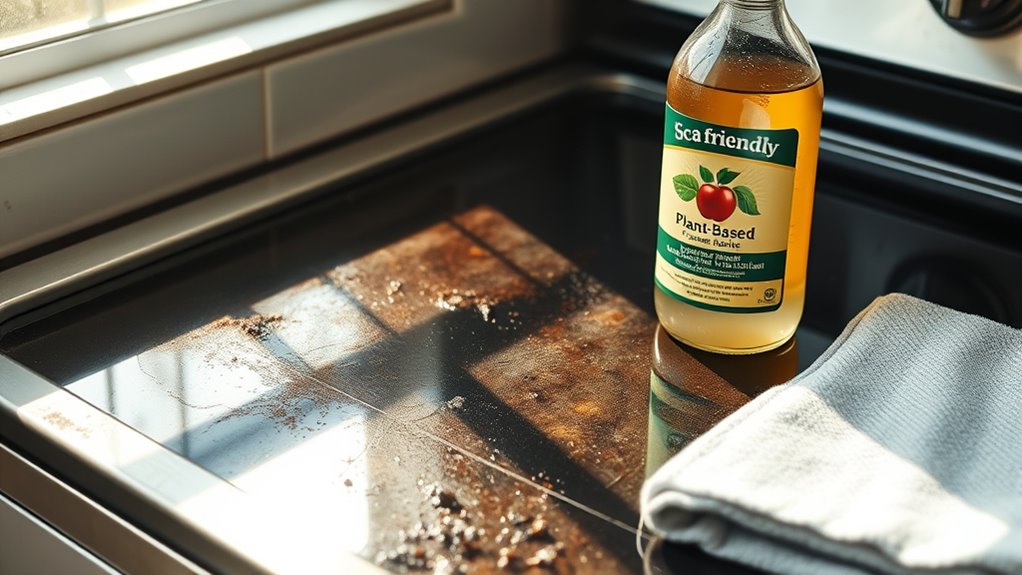
If you’re looking for effective ways to tackle kitchen grease without harming the environment, eco-friendly alternatives can be a game changer. Start with a mixture of baking soda and vinegar; this powerful duo works wonders for grease stain removal. Just sprinkle baking soda on the stained area, spray with vinegar, and let it fizz before wiping it away. Another great option is using lemon juice mixed with water, which cuts through grease while leaving a fresh scent. For tougher stains, try a few drops of castile soap diluted in warm water. These eco-friendly cleaning methods not only eliminate grease but also minimize your exposure to harsh chemicals, making your kitchen a safer, cleaner space.
Maintaining a Grease-Free Kitchen Environment

To maintain a grease-free kitchen environment, it’s essential to establish a regular cleaning routine that targets potential grease traps. Start by focusing on areas that often get overlooked, like your ventilation systems. Grease trapping can accumulate quickly, leading to unpleasant odors and even fire hazards.
Establish a cleaning routine that targets grease traps, focusing on overlooked areas like ventilation systems to prevent hazards.
Here are some tips to help you keep your kitchen clean:
- Clean the stovetop and backsplash after cooking.
- Wipe down countertops daily to prevent buildup.
- Regularly check and clean the ventilation systems to ensure proper airflow.
- Use absorbent mats under cooking appliances to catch spills.
Frequently Asked Questions
How Often Should I Clean My Kitchen Exhaust Fan?
You should clean your kitchen exhaust fan every three months to keep it functioning efficiently. Regular air filter maintenance is vital, so check and replace filters as needed. If you cook frequently, consider cleaning it monthly. This prevents grease buildup, ensuring your kitchen stays fresh and safe. Don’t forget to wipe down the fan’s exterior too; a little effort goes a long way in maintaining your kitchen’s cleanliness and performance.
Can I Use Vinegar to Clean Grease Stains?
Absolutely, you can use vinegar to tackle those stubborn grease stains! Think of vinegar as your kitchen’s knight in shining armor, ready to battle grime. For effective grease removal techniques, mix equal parts vinegar and water in a spray bottle. Spray the mixture on the stains, let it sit for a few minutes, then wipe it away with a cloth. You’ll be amazed at how easily the grease disappears, leaving your surfaces sparkling clean!
What Are the Signs of Excessive Grease Buildup?
You can spot excessive grease buildup by looking for a sticky residue on surfaces, dark stains on walls or appliances, and a greasy film on cooking utensils. If you notice a lingering odor or find it hard to keep your kitchen clean, that’s another sign. Regular grease detection helps you stay ahead of problems. To prevent buildup, clean surfaces frequently and use degreasers to keep your kitchen spotless and safe.
Is Kitchen Grease Harmful to My Health?
When it comes to your health, kitchen grease isn’t just a sticky situation; it can be downright dangerous. Excessive grease can lead to cooking oil hazards, increasing the risk of respiratory issues and fire hazards. Plus, there are grease allergy risks that can cause skin irritation or allergic reactions. So, it’s essential to keep your cooking area clean to avoid these potential health problems. Don’t let grease become a health hazard in your kitchen!
Are There Specific Tools for Removing Grease From Walls?
Yes, there are specific tools for removing grease from walls. Wall-mounted scrubbers can make the job easier, allowing you to reach higher areas without straining. Pair that with a good foam cleaner, and you’ll tackle those greasy spots effectively. Just spray the foam cleaner on the affected area, let it sit for a bit, then use the scrubber to wipe it away. You’ll have cleaner walls in no time!
Conclusion
In the battle against kitchen grease mist, don’t let it linger like an uninvited guest at a dinner party. Regular cleaning keeps your kitchen not just looking sharp, but also safe from hazards. With effective solutions and preventative measures, you can maintain a grease-free environment that shines brighter than a freshly polished pan. Remember, a clean kitchen is a happy kitchen, so make it a priority to tackle that grease before it becomes a stubborn foe!
Flea & tick season Picks
flea and tick prevention
As an affiliate, we earn on qualifying purchases.