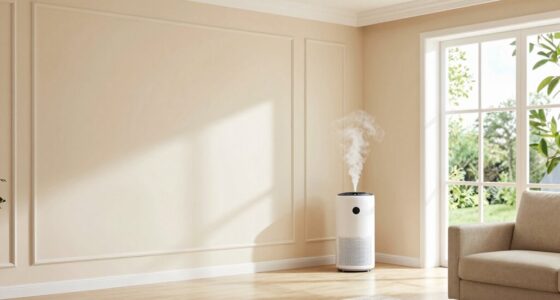
Separating smoke, odor, and humidity issues in buyer guides helps you identify and address each problem accurately. Different causes require specific solutions, so understanding the distinctions saves you from costly surprises later. Knowing whether odors come from persistent smoke or moisture helps you prioritize repairs and improvements effectively. By recognizing these differences, you can make smarter, more informed decisions before buying. Keep exploring further to discover how proper assessment can protect your investment.

Get health and wellness essentials delivered free — and shop member deals
- Fast, free delivery on millions of items
- Access to Prime Big Deal Days deals on October 6–7
- Prime Video, Amazon Music and more included
Key Takeaways
- Differentiating issues ensures accurate diagnosis and targeted remediation strategies for each problem.
- Separating concerns helps buyers identify specific underlying causes, avoiding costly surprises after purchase.
- Clear distinctions improve assessment of ventilation, filtration, and moisture control needs in a home.
- Addressing each issue individually supports more effective and healthful home environment improvements.
- It enables buyers to make informed decisions based on precise indoor air quality and moisture management factors.
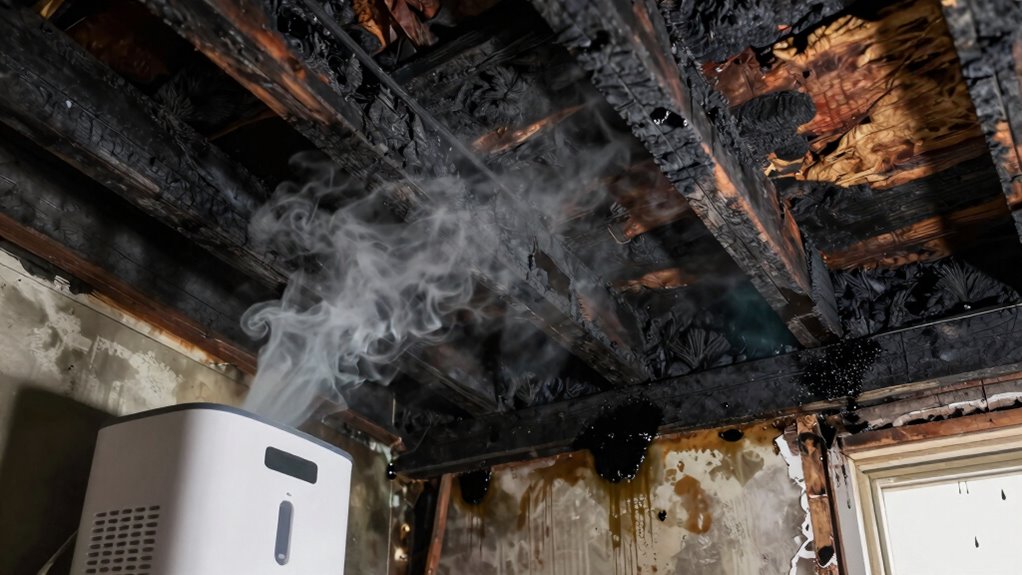
Are you struggling to find a home free of lingering smoke, strong odors, or excessive humidity? If so, you already know how these issues can impact your comfort and health. When evaluating potential homes, it’s tempting to lump these problems together, but separating smoke, odor, and humidity concerns in your buyer guide is essential. Each issue has distinct causes, solutions, and implications, so understanding them individually helps you make smarter decisions and avoid costly surprises.
Air purification plays a key role in addressing smoke and odors. Smoke particles, whether from cigarettes, fires, or cooking, can embed deeply into walls, fabrics, and HVAC systems. An effective air purification system can greatly improve indoor air quality, but it’s important to recognize that not all purifiers handle every pollutant equally. HEPA filters are excellent at capturing smoke particles, while activated carbon filters excel at removing odors. Including this in your buyer guide helps you identify homes with the right ventilation strategies and filtration systems already in place or plan for upgrades if necessary.
HEPA filters capture smoke particles; activated carbon filters effectively remove odors for healthier indoor air.
Ventilation strategies are equally important because they directly influence humidity levels and odor control. Proper ventilation reduces indoor moisture, preventing mold growth and musty smells. Look for homes with well-designed exhaust systems, operable windows, or mechanical ventilation setups that promote fresh air exchange. If a property relies solely on natural ventilation, consider whether it’s sufficient or if you’ll need to install fans or upgraded HVAC systems to maintain a healthy indoor environment. Addressing ventilation early in your assessment ensures you won’t be caught off guard with hidden moisture problems or persistent smells after moving in. Additionally, understanding indoor air quality factors can help you better evaluate the overall healthfulness of a home before purchase. Recognizing the sources of humidity within a home can also guide you toward effective moisture management solutions. Incorporating moisture sensors or monitoring devices can further help in maintaining optimal humidity levels and preventing mold growth, which is especially important in climates prone to high humidity.
HEPA air purifier for smoke removal
As an affiliate, we earn on qualifying purchases.
As an affiliate, we earn on qualifying purchases.
Frequently Asked Questions
How Do I Detect Hidden Smoke Damage in My Home?
To detect hidden smoke damage, start by inspecting walls, ceilings, and vents for discoloration or soot stains. Use your nose to sniff out lingering odors, especially in less ventilated areas. Consider a professional damage detection service that uses specialized equipment, like infrared cameras or air quality tests, to identify unseen smoke residues. Addressing hidden smoke early helps prevent long-term damage and guarantees a healthier living environment.
Can Humidity Problems Cause Long-Term Structural Issues?
Humidity problems can threaten your home’s structural integrity like a slow leak erodes a foundation. When moisture buildup occurs, it weakens walls, rots wood, and fosters mold, leading to long-term damage. Over time, these issues compromise your home’s stability, making it unsafe. Addressing humidity early prevents costly repairs and preserves your home’s strength, ensuring it remains a safe, solid space for years to come.
Are There Eco-Friendly Solutions for Odor Removal?
Yes, eco-friendly solutions for odor removal exist. You can use natural deodorizers like baking soda, activated charcoal, or essential oils, which are safe and effective. Eco-friendly cleaning products also help eliminate odors without harming the environment. These options not only neutralize smells but also promote healthier indoor air quality, making them ideal for those seeking sustainable and non-toxic ways to keep their spaces fresh and odor-free.
How Often Should I Test My Home’s Humidity Levels?
Think of your home’s humidity levels like a garden that needs regular watering. You should test with humidity sensors or moisture meters every month, especially during seasonal changes. This keeps your environment balanced, preventing mold and mildew. Regular checks help you catch issues early, just like tending to your garden before weeds take over. Staying consistent guarantees your home remains a healthy, comfortable space.
What Are the Health Risks of Unresolved Smoke and Odor Issues?
Unresolved smoke and odor issues can profoundly harm your air quality and respiratory health. Breathing in lingering smoke particles and strong odors irritates your lungs, causing coughing, wheezing, or asthma flare-ups. Long-term exposure may lead to chronic respiratory problems or aggravate existing conditions. To protect your health, it’s essential to address smoke and odor problems promptly, ensuring good indoor air quality and supporting your overall respiratory well-being.
activated carbon air purifier for odors
As an affiliate, we earn on qualifying purchases.
As an affiliate, we earn on qualifying purchases.
Conclusion
By separating smoke, odor, and humidity issues in buyer guides, you make it easier for consumers to find tailored solutions, saving them time and frustration. Did you know that over 60% of homebuyers consider odor removal a top priority? Addressing these problems individually guarantees you’re providing precise advice, helping buyers make informed decisions. Ultimately, clear, focused guides not only enhance user experience but also boost your credibility as a trusted resource in home improvement.
As an affiliate, we earn on qualifying purchases.
ventilation fan for humidity control
As an affiliate, we earn on qualifying purchases.
As an affiliate, we earn on qualifying purchases.
Halloween Picks
halloween
As an affiliate, we earn on qualifying purchases.