To keep your bathroom fan working efficiently, it’s vital to remove the dust and debris that block airflow and promote mold growth. Regularly turn off the power, remove the cover, and use a vacuum or microfiber cloth to clean the blades and housing. Check the vent duct for obstructions, and clean it if needed. Proper maintenance prevents mold, extends your fan’s life, and keeps the air fresh—discover more tips to maintain your system effectively.
Key Takeaways
- Dust accumulation on fan blades and housing impairs airflow and reduces exhaust efficiency.
- Regular cleaning prevents dust buildup that can block vent ducts, ensuring proper ventilation.
- Removing dust and debris from the fan maintains optimal performance and prolongs the unit’s lifespan.
- Neglecting dust removal can lead to mold growth, further obstructing airflow and compromising air quality.
- Routine maintenance every six months helps maintain strong airflow and prevents airflow-killing dust buildup.
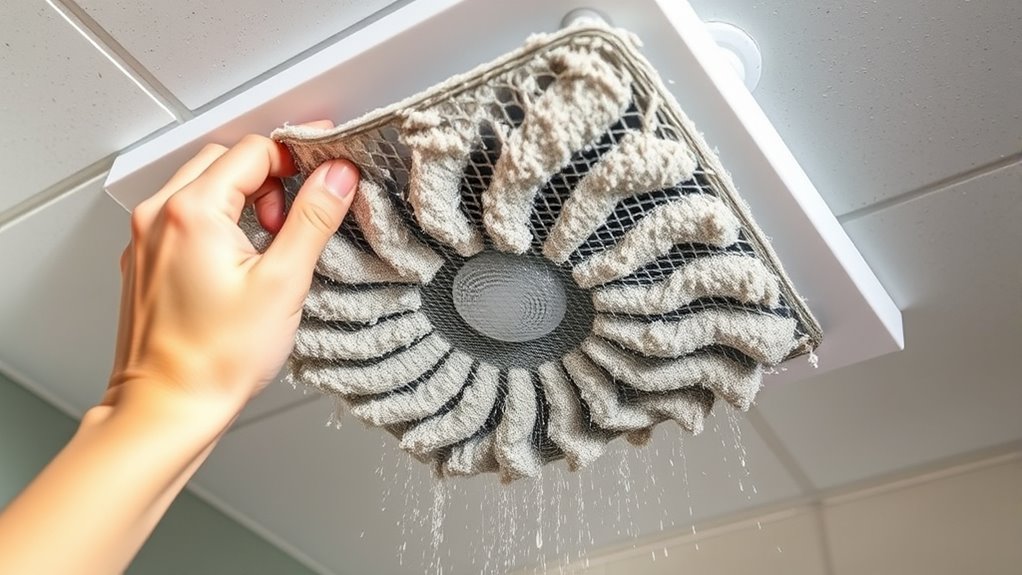
A clean bathroom fan is indispensable for maintaining good air quality and preventing mold buildup. Over time, dust, dirt, and debris accumulate inside the fan and vent, reducing its efficiency and allowing moisture to linger. When airflow diminishes, humidity stays trapped, creating the perfect environment for mold and mildew to thrive. Not only does this impact the air you breathe, but it can also damage your walls, ceilings, and fixtures. Regular cleaning keeps the fan functioning properly, protecting your home and your health.
You should start by turning off the power supply to your bathroom fan. This step is critical to avoid electrical hazards. Once the power is off, remove the cover grille, which is usually held in place with clips or screws. Use a step ladder or sturdy chair if needed, ensuring you have a safe, steady platform. Set the cover aside and inspect the interior of the fan housing. You’ll likely see a buildup of dust, lint, and even spider webs. These can clog the system, restricting airflow and reducing the fan’s ability to vent moisture effectively. Proper maintenance is essential for ensuring your exhaust system continues to operate efficiently.
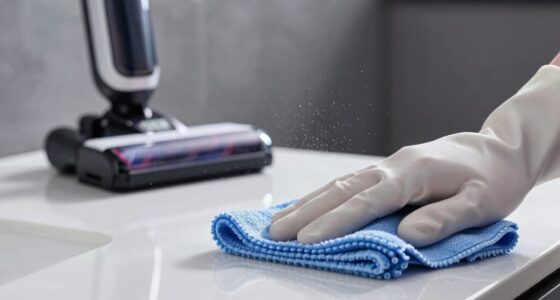
Next, use a vacuum cleaner with a brush attachment to carefully remove loose dust and debris from the fan blades and motor. Be gentle to avoid damaging any components. For stubborn grime, dampen a microfiber cloth with a mild cleaning solution or soap and water. Wipe down the blades, housing, and surrounding areas thoroughly. If you notice any mold or mildew, treat those spots with a mixture of water and white vinegar or a mild disinfectant. Make sure to wear gloves and a mask if mold is present to protect yourself from spores.
While you have the cover removed, take the opportunity to clean it as well. Wash the grille with warm, soapy water and dry it completely before reinstalling. Check the vent duct for obstructions or excessive dust buildup. If the duct looks dirty or clogged, consider cleaning it with a vent brush or a vacuum attachment designed for ducts. This step is essential because a clogged vent reduces airflow, making your fan less effective at removing humidity.
Once everything is clean and dry, reattach the cover grille securely. Turn the power back on and test the fan to ensure it operates smoothly and quietly. Regular maintenance like this, at least every six months, keeps your bathroom fresh, prevents mold growth, and extends the life of your exhaust system. A small investment of time now can save you from costly repairs later, and most importantly, it guarantees you breathe cleaner, healthier air every day.

LEVOIT Air Purifier for Home Allergies and Pets Hair Smokers in Bedroom, H13 True HEPA Filter, 24db Filtration System Cleaner Odor Eliminators, Remove 99.97% Dust Smoke Mold Pollen, Core 300, White
- AHAM Verified for Performance: Independently tested for air quality and efficiency
- Powerful Filtration System: 56W motor with 143 CFM CADR
- Effective for Large Rooms: Cleans 222 sq ft 4.8 times/hour
As an affiliate, we earn on qualifying purchases.
Frequently Asked Questions
How Often Should I Replace My Bathroom Fan?
You should replace your bathroom fan every 8 to 10 years to guarantee peak performance. If you notice persistent noise, reduced airflow, or it’s not removing humidity effectively, it’s time for a replacement. Regular cleaning can extend its lifespan, but eventually, parts wear out. Keep an eye on its efficiency, and don’t hesitate to upgrade when it no longer maintains proper ventilation, protecting your bathroom’s air quality.
Can I Clean My Fan Without Turning off the Power?
You shouldn’t clean your fan without turning off the power, as it’s like playing with a live wire in a storm. The current flows silently, ready to strike if you touch it. Before you start, flip the switch or circuit breaker to disconnect the power completely. Only then can you safely remove and clean the fan, preventing shocks and ensuring your task is done safely and effectively.
What Tools Are Best for Cleaning a Bathroom Fan?
You should use a screwdriver to remove the fan cover, a soft brush or vacuum with a brush attachment to clear dust, and a damp cloth for stubborn grime. Gloves can protect your hands, and a step ladder helps access high fixtures safely. If the fan has accessible blades, gently wipe them down. These tools make cleaning efficient, ensuring your fan works quietly and effectively.
How Do I Know if My Fan Needs Repair or Replacement?
If your bathroom fan sounds louder than usual or struggles to vent humidity, it likely needs repair or replacement. For example, imagine turning on your fan after a shower, but it barely moves air. If cleaning doesn’t improve performance or if it makes grinding noises, it’s time to replace it. You can also check for electrical issues or a burnt-out motor—these signs mean professional repair or a new fan is necessary.
Are There Eco-Friendly Cleaning Options for Bathroom Fans?
Yes, you can use eco-friendly options to clean your bathroom fan. Mix white vinegar with water or use baking soda to scrub away dust and grime. These natural cleaners effectively remove buildup without harsh chemicals. You might also consider biodegradable cleaning wipes or eco-friendly sprays. Regular maintenance with these options helps keep airflow ideal and reduces environmental impact, ensuring your fan stays efficient and safe for your home and the planet.

MOOKA Air Purifier for Bedroom Home Dorm 430 Ft², Compact HEPA Air Cleaner
- True HEPA Filter with 360° Air Intake: Removes dust, smoke, pollen, pet dander
- Compact & Portable Design: Powered via USB for versatile use
- Universal Voltage Compatibility: Works with 110-240V power sources
As an affiliate, we earn on qualifying purchases.
Conclusion
Don’t delay dampness’s destructive defeat—diligently dismantle and dust your bathroom fan. By brushing away built-up grime, you boost airflow and banish bothersome odors. Remember, a clean, clear, and cared-for fan fosters fresher, healthier bathroom vibes. So, seize the scrub brush and swiftly sweep away the sooty scars. Your bathroom breathes better, bacteria banished, and brightness boosted—bringing blissful, breezy freshness back to your space with simple, satisfying steps.
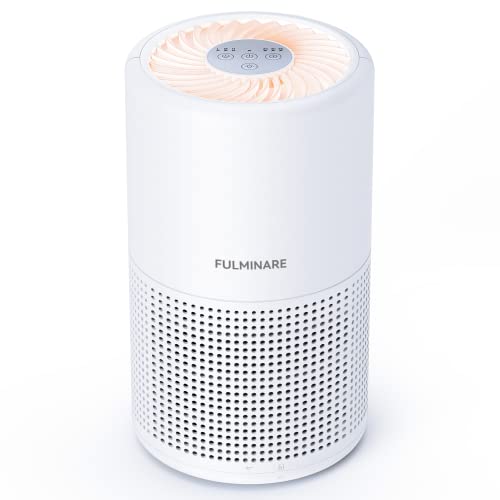
Air Purifiers for Bedroom, FULMINARE H13 True HEPA Filter
- Efficient Particle Filtration: H13 HEPA filter for clean air
- High Circulation Rate: 360° air outlet, refreshes 5x/hour
- Suitable for 215 sq ft rooms: Effective in small to medium rooms
As an affiliate, we earn on qualifying purchases.

VOOPNU Air Purifiers for Bedroom, High Efficiency Filter, 1076 Ft², Black
- Easy-to-Use Control Panel: Intuitive design for simple operation
- Compact and Powerful: Covers 1076 ft² in a small size
- 360° Airflow Design: Ensures even air purification
As an affiliate, we earn on qualifying purchases.