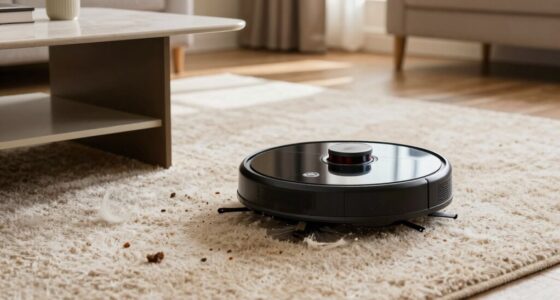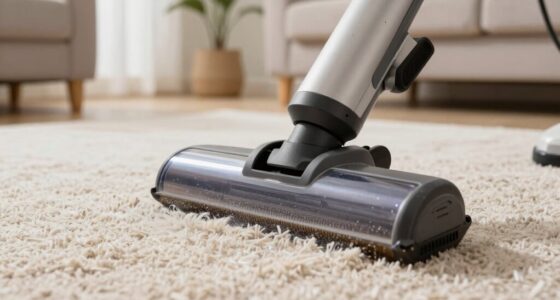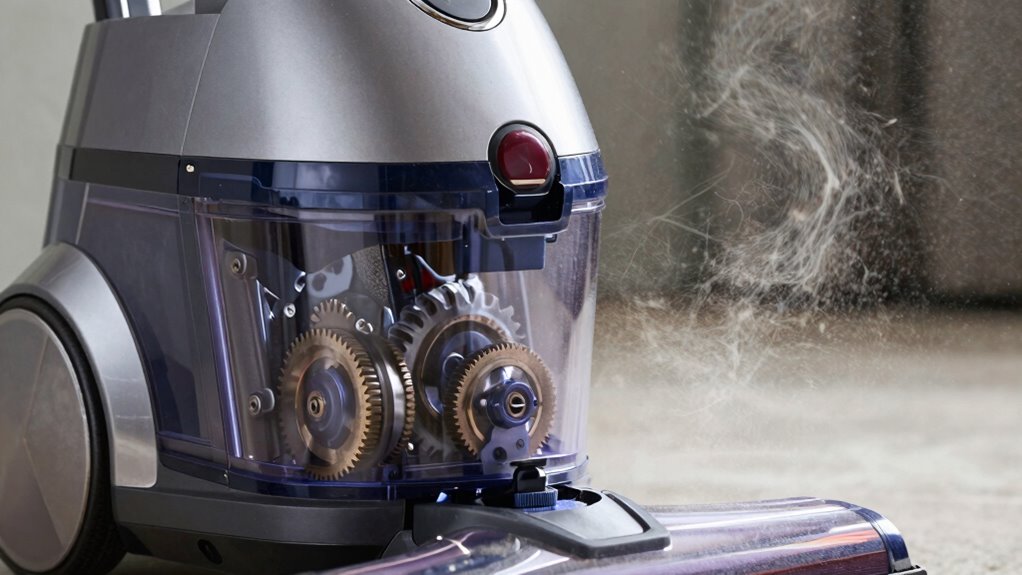

Your vacuum timing affects indoor air quality because cleaning too soon can stir up settled dust and allergens, causing temporary spikes in airborne particles. Waiting too long allows allergens to build up, making your cleaning less effective. Proper timing guarantees dust and allergens are captured and removed instead of becoming airborne again. By managing when and how often you vacuum, you can considerably improve your indoor air. Keep exploring to discover tips that can make your space even healthier.

Get health and wellness essentials delivered free — and shop member deals
- Fast, free delivery on millions of items
- Access to Prime Big Deal Days deals on October 6–7
- Prime Video, Amazon Music and more included
Key Takeaways
- Vacuuming too soon can re-release settled dust and allergens into the air.
- Proper timing prevents airborne particles from increasing immediately after cleaning.
- Vacuuming when outdoor air quality is good helps minimize indoor allergen buildup.
- Regular maintenance of vacuum filters ensures effective removal of airborne allergens.
- Coordinated cleaning schedules improve overall indoor air quality and respiratory health.

Proper vacuum timing is essential for maintaining good air quality, especially in indoor environments. When you vacuum at the right times, you improve air filtration and reduce the chances of allergen release into the air you breathe. If you vacuum too often or too infrequently, it can negatively impact the air quality in your home. Vacuuming helps remove dust, pet dander, pollen, and other allergens, but only if done correctly. The timing of your vacuuming sessions plays a pivotal role in ensuring these particles are captured effectively and don’t become airborne again.
Proper vacuum timing is key to improving air quality and reducing allergens indoors.
If you vacuum too quickly after cleaning, you might stir up dust and allergens that have settled on surfaces, causing a temporary spike in airborne particles. This can lead to increased allergen release, especially for allergy sufferers or individuals with asthma. On the other hand, vacuuming too infrequently allows allergens to accumulate, making it harder to keep indoor air clean. The key is to find a balance: vacuum regularly enough to prevent buildup but also time your cleaning sessions so that allergens are captured and removed efficiently.
Proper vacuum timing also involves understanding the best times of day for cleaning. For example, you may want to vacuum when outdoor air quality is good, so any dust stirred up doesn’t get trapped indoors for long. Additionally, vacuuming before or after certain activities, like cleaning or airing out your home, can influence the effectiveness of air filtration. When you vacuum at ideal times, the vacuum’s filtration system can trap more particles, preventing them from escaping back into the air and reducing allergen release. Indoor air quality can be significantly improved with mindful scheduling and proper equipment.
Using a vacuum with a high-efficiency particulate air (HEPA) filter amplifies the benefits of proper timing. A HEPA filter traps tiny particles that other filters might miss, improving air filtration even further. When combined with well-timed cleaning, this creates a cleaner indoor environment and minimizes allergen release. Additionally, understanding how air filtration works within your vacuum can help optimize its performance and ensure you’re capturing the smallest particles more effectively. Proper vacuum maintenance practices, such as regularly replacing filters, also enhance the overall air filtration process. Regular maintenance ensures that your vacuum continues to operate at peak efficiency, which is crucial for maintaining good indoor air quality.
In essence, your vacuum timing directly influences the indoor air quality. When you understand how to schedule your cleaning sessions effectively, you enhance air filtration and drastically cut down allergen release. This careful coordination not only benefits your respiratory health but also keeps your living space healthier and more comfortable. Proper timing is a simple yet powerful step toward cleaner, healthier indoor air. Understanding insulation and air filtration can further improve your overall indoor environment.
As an affiliate, we earn on qualifying purchases.
Frequently Asked Questions
How Often Should I Adjust My Vacuum’s Timing Settings?
You should adjust your vacuum’s timing settings during regular maintenance, ideally every 3 to 6 months, or if you notice decreased suction or uneven cleaning. Proper timing guarantees efficient operation, reducing dust and allergens in your home. Use troubleshooting tips like checking for belt wear or motor issues before adjustments. Regularly maintaining and adjusting your vacuum keeps it performing at its best, improving air quality and prolonging its lifespan.
Does Vacuum Timing Affect Allergen Removal Efficiency?
Yes, vacuum timing directly impacts allergen removal efficiency. Proper timing guarantees the vacuum’s motor and filters work at their best, enhancing air filtration and dust prevention. When timing is off, dust and allergens can escape back into the air, reducing cleaning effectiveness. By maintaining correct vacuum timing, you improve your chances of capturing tiny particles, creating a cleaner environment and reducing allergy symptoms for you and your household.
Can Improper Vacuum Timing Damage My Vacuum Cleaner?
Improper vacuum timing can damage your vacuum cleaner by stressing the vacuum motor and belt tension. If the timing is off, the motor may overwork or strain, leading to overheating or premature wear. Additionally, incorrect timing can cause the belt to slip or wear unevenly, reducing efficiency and risking belt failure. To prevent damage, make certain your vacuum’s timing is correctly set, and regularly check the belt tension and motor function.
Is Vacuum Timing Adjustable on All Models?
Not all vacuum models allow you to adjust vacuum timing. Many modern vacuums have fixed settings, but some older or more advanced models might offer manual adjustments through vacuum calibration or belt alignment. If you’re considering adjusting the timing, check your user manual first. Proper calibration and belt alignment guarantee peak performance, reducing dust release and improving air quality after cleaning. Always follow manufacturer instructions to avoid damage.
What Signs Indicate Vacuum Timing Needs Adjustment?
You might notice dust buildup around your vacuum or the motor overheating, which are signs your vacuum timing needs adjustment. When timing is off, the vacuum struggles to operate efficiently, causing dust to escape and putting extra strain on the motor. If you observe these issues, it’s time to check and possibly reset the vacuum timing. Addressing these signs guarantees better air quality and prolongs your vacuum’s lifespan.
As an affiliate, we earn on qualifying purchases.
Conclusion
By timing your vacuuming just right, you can transform your home into an air-cleaning powerhouse. When you don’t wait too long or vacuum too often, you prevent dust and allergens from piling up like an unstoppable tidal wave. It’s almost like wielding a magic wand that keeps your air more invigorating and healthier with each sweep. So, stay mindful of your vacuum schedule — because a cleaner home isn’t just a dream, it’s a breath of fresh start waiting to happen!
As an affiliate, we earn on qualifying purchases.
As an affiliate, we earn on qualifying purchases.
Fall Picks
fall essentials
As an affiliate, we earn on qualifying purchases.