
To combat bathroom odors effectively, you need to balance proper ventilation, regular cleaning, and plumbing maintenance. Ventilation helps remove stale air and odors before they settle, so run exhaust fans or open windows often. Simultaneously, thorough cleaning eliminates bacteria and mold that cause smells. Don’t forget to check plumbing traps for leaks or evaporation, which can release sewer gases. Addressing these areas guarantees your bathroom stays fresh—keep going to learn more about tackling persistent odors.
Key Takeaways
- Proper ventilation reduces odor buildup by dispersing stale air and preventing moisture retention.
- Regular cleaning removes organic debris, mold, and bacteria that cause persistent bathroom odors.
- Plumbing issues like dry or leaking traps allow sewer gases to escape, intensifying foul smells.
- Combining ventilation, cleaning, and plumbing maintenance offers the most effective odor control.
- Addressing hidden sources such as grout lines and behind fixtures is crucial for eliminating lingering odors.
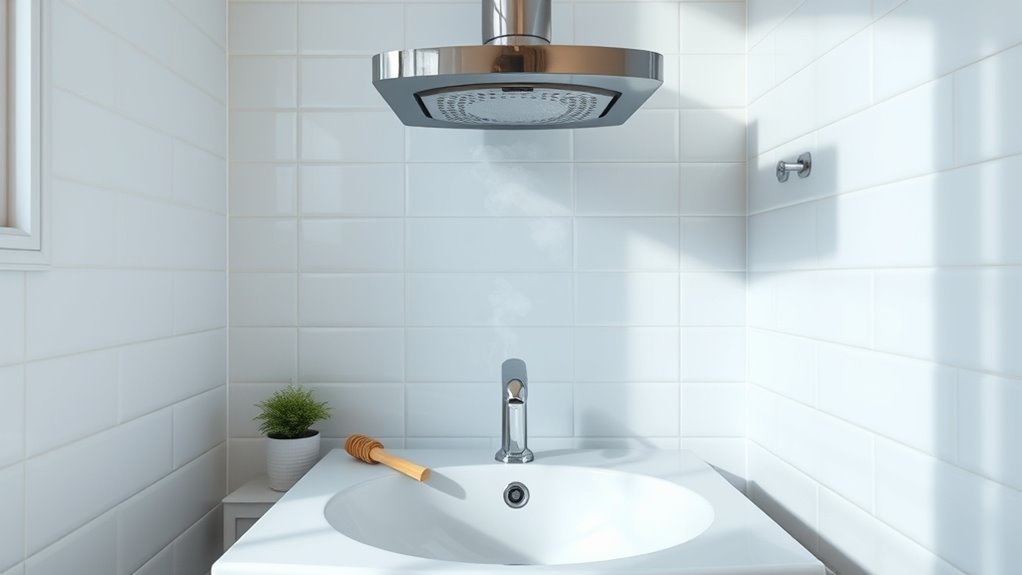
Have you ever wondered why bathroom odors seem to linger despite regular cleaning? It can be frustrating to scrub the tiles and wipe down surfaces only to find that unpleasant smell still persists. The truth is, lingering odors aren’t just about dirt or grime on surfaces; they often stem from deeper issues like poor ventilation, hidden plumbing problems, or inadequate cleaning practices. Understanding the balance between ventilation, cleaning, and plumbing can help you tackle these stubborn smells more effectively.
Lingering bathroom odors often stem from poor ventilation, hidden plumbing issues, or insufficient cleaning practices.
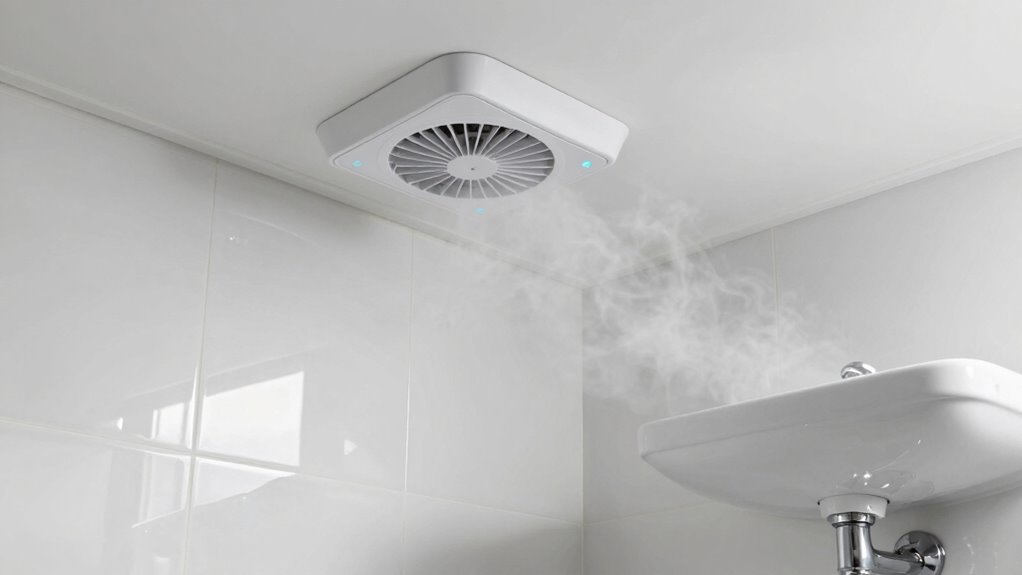
First, consider ventilation. Proper airflow is essential in dispersing odors before they settle and become noticeable. Many bathrooms lack sufficient ventilation systems, or their exhaust fans don’t work efficiently. If your bathroom’s fan is weak or broken, it allows moist air, along with odor particles, to stagnate. This creates a perfect environment for smells to build up. Regularly running an exhaust fan during and after showers can considerably reduce humidity and prevent odors from becoming embedded in the air. If your bathroom doesn’t have a fan, opening a window can have a similar effect, promoting fresh air exchange. It’s a simple step that, if consistently practiced, can make a big difference in controlling lingering smells.
Next, effective cleaning plays a vital role. Even if you’re diligent, some areas are hard to reach or overlooked, like behind the toilet, under the sink, or inside grout lines. Bacteria and mold thrive in these hidden spots, producing foul odors over time. Use disinfectants designed for bathrooms to eliminate germs and mold. Pay close attention to the toilet bowl, ensuring it’s cleaned regularly with a brush and disinfectant. Don’t forget to clean the drain covers and pipes, as these can trap debris and bacteria, releasing bad smells. Regular maintenance, combined with deep cleaning routines, helps prevent the build-up of organic material that causes odors. Remember, cleaning isn’t just about visible dirt; it’s about removing the source of the smell at its root. Incorporating proper cleaning techniques can significantly reduce odor-causing bacteria and mold growth.
Lastly, plumbing issues can silently contribute to persistent bathroom odors. Leaking or dry traps allow sewer gases to escape into your bathroom, creating an unmistakable foul smell. If your toilet or sink has a persistent odor even after cleaning, the problem might be with the plumbing. Check the trap under your sink or toilet to ensure it’s filled with water; this acts as a seal against sewer gases. If the water has evaporated or there’s a leak, you’ll need to refill or repair the trap. Sometimes, blockages or buildup in the pipes also cause odors, requiring professional inspection and cleaning. Ignoring these plumbing issues can make odors worse over time, so addressing them promptly is key.
In essence, controlling bathroom odors isn’t just about surface cleaning. It’s about guaranteeing proper ventilation to clear out stale air, maintaining thorough cleaning routines to eliminate bacteria and mold, and inspecting your plumbing system to prevent sewer gases from escaping. When these elements work together, you’ll find it much easier to keep your bathroom smelling fresh and clean.

Broan-Nutone® Bathroom Exhaust Fan, 50 CFM Modern Grille, Energy Star Fan, 2.0 Sones
50 CFM BATHROOM EXHAUST FAN: 50 CFM is sufficient ventilation to remove, moisture, odor and pollutants from your…
As an affiliate, we earn on qualifying purchases.
As an affiliate, we earn on qualifying purchases.
Frequently Asked Questions
Can Houseplants Improve Bathroom Odor Control?
Yes, houseplants can help improve bathroom odor control. They naturally absorb moisture and airborne toxins, which reduces musty smells. Plus, plants like aloe vera, snake plants, or peace lilies thrive in humid environments and release fresh oxygen, making the air feel cleaner. Just make sure to choose plants suitable for low light and humidity, and avoid overwatering to prevent mold growth. This way, you create a fresher, more inviting bathroom space.
Do Air Purifiers Effectively Eliminate Bathroom Smells?
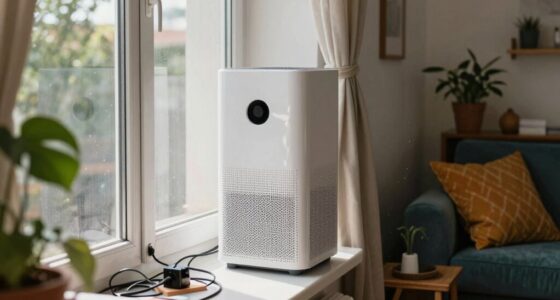
While air purifiers can help neutralize bathroom smells, they aren’t magic wands. You’ll notice a significant improvement when you combine their use with good ventilation and thorough cleaning. Air purifiers work best for airborne particles and odors, but they can’t replace proper plumbing or regular cleaning routines. For fresh, inviting air, use them as part of a complete approach rather than relying on them alone.
How Often Should Bathroom Exhaust Fans Be Maintained?
You should maintain your bathroom exhaust fan at least once a year to guarantee it operates efficiently. If you notice reduced airflow or lingering odors, consider cleaning it more frequently, around every six months. Regular maintenance includes removing dust and debris from the fan and vent cover. Doing this keeps the fan working properly, helps eliminate odors effectively, and prolongs its lifespan, ensuring your bathroom stays fresh and well-ventilated.
Are Scented Candles a Good Long-Term Solution for Odors?
A stitch in time saves nine, so scented candles aren’t the best long-term solution for odors. While they can mask smells temporarily, they don’t eliminate the source. Over time, relying on candles might just cover up the problem, making it worse. For a lasting fix, focus on proper ventilation, regular cleaning, and fixing plumbing issues. Candles are nice, but they shouldn’t replace good maintenance habits.
Can Water Quality Affect Bathroom Odor Problems?
Yes, water quality can affect bathroom odor problems. If your water contains impurities or has a strong smell, it can contribute to lingering odors, especially around drains and fixtures. Hard water minerals can also cause buildup that traps smells. You should consider testing your water and using appropriate filters or water treatment solutions. Regular cleaning and proper ventilation will help reduce odors caused by water quality issues.

Clorox Disinfecting All-Purpose Cleaner 32 Oz and Bathroom Cleaner, Household Essentials, 30 Oz, Pack of 3
BLEACH FREE DISINFECTANT: Clorox Disinfecting All Purpose Cleaner is formulated without bleach, but doesn’t compromise the cleaning power…
As an affiliate, we earn on qualifying purchases.
As an affiliate, we earn on qualifying purchases.
Conclusion
To keep your bathroom fresh, you need to address the odors at their source, whether it’s through proper ventilation, thorough cleaning, or fixing plumbing issues. Ventilate regularly, clean consistently, and repair promptly. Don’t ignore the problem, don’t delay the solution, don’t settle for temporary fixes. By tackling each aspect with care and attention, you create a space that’s fresh, clean, and inviting. Ultimately, your effort makes your bathroom a place of comfort, cleanliness, and confidence.

Clorox ToiletWand Disposable Toilet Cleaning System, Spring Cleaning Essential, ToiletWand, Storage Caddy, and 16 Disinfecting ToiletWand Scrubbing Pad Refills
ALL IN ONE SYSTEM: Contains 1 ToiletWand, 6 original disposable scrubbing pads and 10 rainforest rush scented pads…
As an affiliate, we earn on qualifying purchases.
As an affiliate, we earn on qualifying purchases.
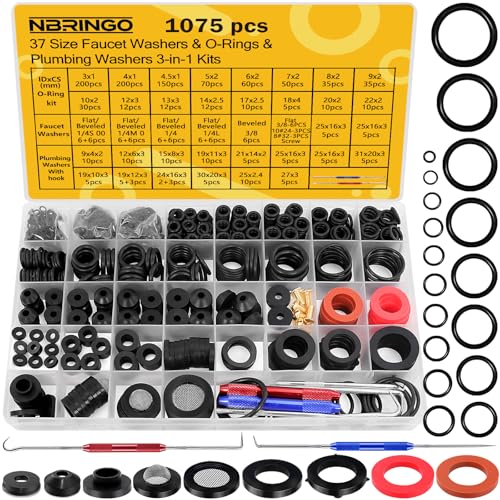
NBRINGO 1075 PCS 37 Sizes 3-in-1 Universal Plumbing Repair Kit Includes O-Rings, Faucet Washers & Sealing Gaskets to Fix Leaky Faucets, Hoses, Spigots, Plumbing Fixtures with Pick Hook
Buyer's Guide – Our package contains 1075 pcs Faucet Washers & O-Rings &Plumbing Washers 3-in-1 Kits of 37…
As an affiliate, we earn on qualifying purchases.
As an affiliate, we earn on qualifying purchases.