Poor indoor air quality can profoundly contribute to sinus pressure and congestion without you realizing it. Dust, mold spores, pet dander, and chemical fumes trapped inside your home irritate your nasal lining, leading to inflammation and blockages. HVAC systems, cleaning products, and humidity levels also play a role in worsening symptoms. Staying aware of how indoor air affects your sinuses can help you find lasting relief—if you keep going, you’ll discover how to improve your indoor environment effectively.
Key Takeaways
- Indoor air pollutants like dust, mold, and pet dander can inflame nasal passages, increasing sinus pressure.
- Poorly maintained HVAC systems circulate allergens that worsen sinus congestion and discomfort.
- Imbalanced humidity levels, either too dry or too moist, can irritate nasal tissues and promote mold growth.
- Using air purifiers and regular cleaning reduce airborne irritants, decreasing sinus pressure caused by indoor air quality.
- Managing indoor humidity and ventilation helps prevent sinus inflammation related to indoor air irritants.
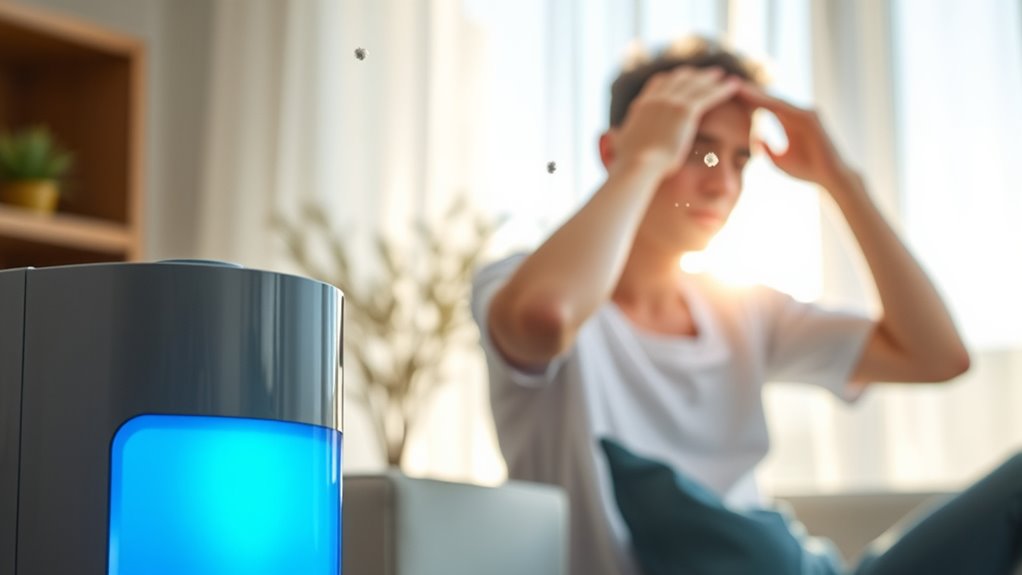
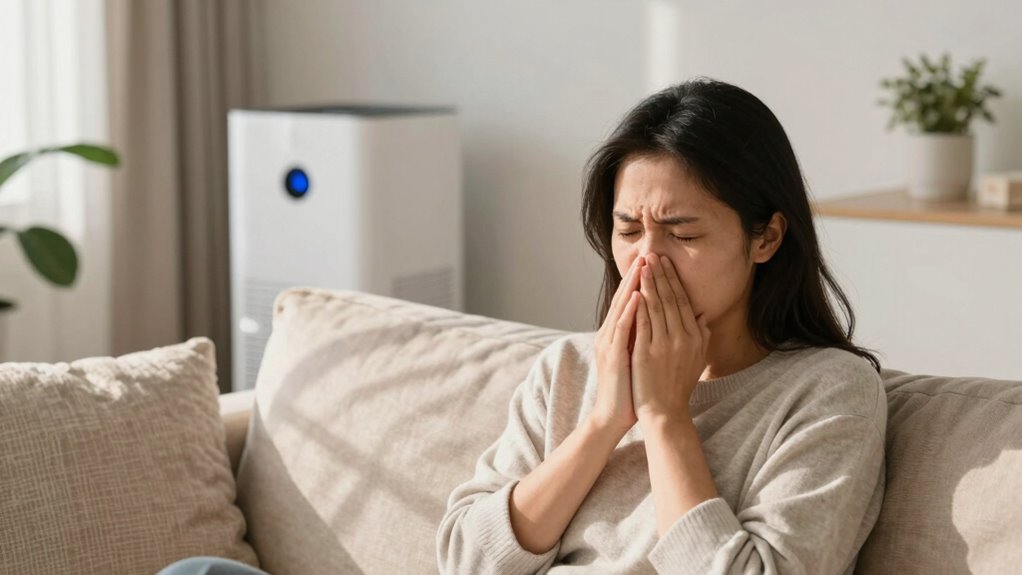
Have you ever noticed how your sinus pressure worsens when you’re indoors? It’s frustrating, especially when you’re trying to relax or focus. You might think it’s just allergies or a common cold, but often, the culprit is the quality of the air inside your home. Indoor air can contain a variety of irritants—dust mites, mold spores, pet dander, and airborne chemicals—that directly impact your sinuses. When these particles accumulate, they irritate the sensitive lining of your nasal passages, leading to inflammation and pressure. Unlike outdoor air, which tends to circulate and disperse pollutants, indoor air can trap irritants, making your symptoms worse over time.
Indoor air quality impacts sinus health by trapping irritants that cause inflammation and pressure buildup.
Your heating, ventilation, and air conditioning (HVAC) system plays a big role here. If it’s not properly maintained, it can become a breeding ground for mold and bacteria. Dirty filters, for example, can circulate allergens and pollutants right into your living space. When you turn on your heater or air conditioner, these contaminants get blown into your nose, irritating your sinus tissues and causing pressure buildup. Additionally, many indoor environments contain volatile organic compounds (VOCs) from cleaning products, paints, or furniture. These chemicals can aggravate sinus symptoms, especially if you’re exposed to them regularly.
Another factor is humidity levels. If your indoor air is too dry, your nasal passages can become dry and cracked, making them more susceptible to irritation. Conversely, overly humid environments foster mold growth and dust mites, both of which can trigger sinus issues. Maintaining a balanced humidity—ideally between 30% and 50%—can help minimize these problems. Using a humidifier or dehumidifier, depending on your needs, can make a significant difference. When your sinus tissues are irritated, they produce excess mucus, which can cause congestion and pressure. Breathing in contaminated or poorly conditioned air perpetuates this cycle, making you feel more uncomfortable and congested.
Furthermore, air purification systems can be effective in reducing airborne irritants and improving indoor air quality. You might also overlook the importance of regular cleaning. Dusting, vacuuming with a HEPA filter, and reducing clutter can eliminate many sources of indoor allergens. Plants, although they add beauty and improve air quality in some ways, can sometimes harbor mold or attract pests that produce allergens. Being mindful of these factors and ensuring proper ventilation can help reduce sinus pressure caused by indoor air quality. Overall, understanding the link between your indoor environment and sinus health empowers you to make changes that keep your sinuses clearer and more comfortable. Small adjustments, like changing filters, managing humidity, and cleaning regularly, can have a big impact on reducing sinus pressure and improving your overall well-being indoors.

LEVOIT Air Purifier for Home Pets Hair Allergies in Bedroom, Covers Up to 1073 ft² by 56W High Torque Motor, AHAM VERIFIDE, 3-in-1 Filter with HEPA Sleep Mode, Remove Dust Smoke Odor, Core300-P, White
WHY CHOOSE AHAM VERIFIDE AIR PURIFIERS: AHAM (Association of Home Appliance Manufacturers) is an ANSI-accredited organization that sets…
As an affiliate, we earn on qualifying purchases.
As an affiliate, we earn on qualifying purchases.
Frequently Asked Questions
Can Indoor Plants Improve Air Quality and Reduce Sinus Pressure?
Yes, indoor plants can improve air quality and help reduce sinus pressure. They naturally filter pollutants and increase humidity, which keeps nasal passages moist and less prone to irritation. By adding plants like peace lilies or snake plants to your space, you can breathe easier and experience less sinus discomfort. Keep them healthy with proper watering and light to maximize their air-purifying benefits.
Are Air Purifiers Effective Against Allergens Causing Sinus Issues Indoors?
Think of an air purifier as a vigilant guardian, relentlessly sweeping away allergens that trigger your sinus issues. Yes, they’re effective—filtering out pollen, dust, pet dander, and mold spores. When you turn one on, it’s like opening a window to a cleaner, fresher breeze. Regular use can markedly reduce your allergy symptoms indoors, helping you breathe easier and feel more comfortable in your own space.
Do Humidifiers Help Alleviate Sinus Pressure Caused by Dry Indoor Air?
Yes, humidifiers can help alleviate sinus pressure caused by dry indoor air. When the air lacks moisture, your sinuses can become dry and inflamed, leading to discomfort. Using a humidifier adds moisture to the air, helping to keep your nasal passages hydrated and reducing pressure. Make sure to keep it clean to prevent mold growth, and use it appropriately to maintain ideal humidity levels.
How Often Should Indoor Air Filters Be Replaced to Maintain Healthy Air?
You should replace your indoor air filters every 1 to 3 months to keep the air healthy. But don’t just set a routine—pay attention to signs like reduced airflow, dust buildup, or allergy symptoms worsening. Neglecting timely changes can lead to poor air quality, impacting your sinus health and overall comfort. Staying vigilant guarantees your indoor environment remains fresh, clean, and safe for you and your loved ones.
Do Specific Cleaning Products Worsen Indoor Air Quality and Sinus Problems?
Yes, some cleaning products can worsen indoor air quality and sinus problems. Harsh chemicals like ammonia, bleach, and artificial fragrances release fumes that irritate your sinuses and degrade air quality. When you choose milder, natural cleaners or make your own with ingredients like vinegar and baking soda, you reduce irritants. Always ventilate rooms well during and after cleaning to help these substances dissipate and protect your respiratory health.

Vicks Sinus Inhaler, Plug-in Non-Medicated Steam Inhaler for Sinus Relief, Allergies, Congestion & Colds, Vocal Steamer, Soothes Nasal & Throat Passages, Works with VapoPads (1 Included)
Vicks humidifiers, vaporizers and steam inhalers help you breathe better with steam for sinus relief and sleep more…
As an affiliate, we earn on qualifying purchases.
As an affiliate, we earn on qualifying purchases.
Conclusion
Did you know that poor indoor air quality can increase sinus pressure for up to 75% of people? By improving your home’s ventilation and reducing allergens, you could substantially ease your sinus discomfort. Don’t overlook the air you breathe indoors—it plays a crucial role in your sinus health. Taking simple steps now can make a big difference in how you feel every day. Breathe better, feel better, and enjoy your space without sinus pressure holding you back.

Dehumidifier, 35 OZ Small Dehumidifiers for Bedroom for Home, Quiet with Auto Shut Off, Dehumidifiers for Bedroom (280 sq. ft), Bathroom, RV, Closet, White
High Efficient Dehumidifiers for Home: Still annoyed about the muggy weather? Just Take it easy! have a try…
As an affiliate, we earn on qualifying purchases.
As an affiliate, we earn on qualifying purchases.
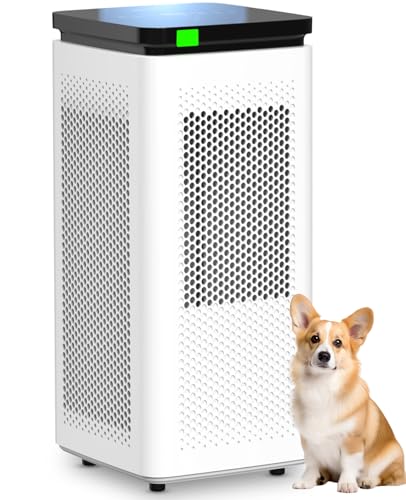
Air Purifiers for Home Large Rooms up to 3500 Ft², H13 True HEPA 0.1 Micron 99.97% Filtration with Carbon Filter, 235 CFM CADR, for Pollen, Pet Odor, Smoke, VOCs, 30dB Sleep Mode, PM2.5 Display
H13 True HEPA + Carbon Filter – Removes Odors & Smoke: Equipped with H13 True HEPA (0.1μm, 99.97%)…
As an affiliate, we earn on qualifying purchases.
As an affiliate, we earn on qualifying purchases.