

Asthma triggers at home often come from hidden sources. Dust mites thrive in bedding and carpets, while pet dander from your furry friends can cause sneezing and itching. Mold and mildew love damp areas, and seasonal pollen can sneak indoors. Household chemicals, like air fresheners, release toxins that worsen symptoms. Even secondhand tobacco smoke can jeopardize your air quality. There’s more to uncover about these culprits and how to manage them effectively.

Get health and wellness essentials delivered free — and shop member deals
- Fast, free delivery on millions of items
- Access to Prime Big Deal Days deals on October 6–7
- Prime Video, Amazon Music and more included
Key Takeaways
- Dust mites thrive in bedding and carpets, releasing allergens that can trigger asthma symptoms; regular washing and vacuuming are essential for control.
- Pet dander from furry animals is a significant allergen; frequent grooming and establishing pet-free zones can help reduce exposure.
- Mold and mildew flourish in damp environments, so keeping humidity below 50% and addressing moisture sources can prevent respiratory issues.
- Seasonal allergens like pollen can enter homes; keeping windows closed and using air purifiers can minimize indoor exposure during peak seasons.
- Tobacco smoke severely impacts indoor air quality and can trigger asthma attacks; eliminating indoor smoking is crucial for respiratory health.

Have you ever wondered what’s lurking in your home? Dust mites are tiny, invisible invaders that thrive in warm, humid environments, often making your living space their playground. If you suffer from dust mite allergies, you know how these little creatures can trigger asthma and other respiratory issues. One effective way to combat these allergens is by using an air purifier. The air purifier effectiveness in removing dust mites and their waste products can notably improve your indoor air quality. Regularly washing bedding and vacuuming with a HEPA filter can also help reduce their presence. Additionally, maintaining a high contrast ratio in your home lighting can further enhance your comfort and reduce eye strain, making it easier to breathe easier and keep those hidden invaders at bay. Incorporating auditory feedback therapy techniques may also assist in creating a calming atmosphere in your home. Furthermore, investing in a quality air purifier can significantly reduce the number of allergens in your space. Air purifiers can also help in alleviating other asthma triggers, such as pollen and pet dander. By taking these steps, you can create a healthier home environment and breathe easier, keeping those hidden invaders at bay.
Pet Dander: Furry Friends and Allergies

If you have furry friends at home, you might be dealing with pet dander as a common allergen. Understanding how to reduce your exposure to dander can make a big difference in managing your asthma. Let’s explore some effective pet care tips to keep your home comfortable and your allergies in check. Incorporating early socialization and training can help create a well-adjusted pet that may produce less dander over time. Regular cleaning of your home can also help minimize allergens, especially if you use hypoallergenic materials in your living space. Additionally, using air purifiers can significantly reduce airborne allergens, contributing to a healthier indoor environment. Consider adopting hypoallergenic dog breeds that are known to produce less dander. Furthermore, maintaining a sustainable home environment can enhance overall air quality, benefiting both your pets and your health.
Common Allergens Explained
What hidden dangers might be lurking in your home if you have pets? Pet dander is a major allergen, but it’s not alone. Indoor plant allergens and household dust can also exacerbate your allergies. Understanding these common triggers can help you take control of your environment. Additionally, maintaining a clean home can reduce the presence of allergens, similar to how bike generators convert pedaling into renewable energy.
| Allergen | Source | Effects |
|---|---|---|
| Pet Dander | Cats, dogs, etc. | Sneezing, itching |
| Indoor Plant | Certain plants | Respiratory issues |
| Household Dust | Dust mites, etc. | Coughing, wheezing |
| Mold Spores | Wet areas | Nasal congestion |
Reducing Dander Exposure
Although pets bring joy and companionship, they can also contribute to allergy problems, particularly through dander. To reduce dander exposure in your home, start by investing in high-quality air purifiers. These devices can help capture airborne allergens, including pet dander, improving your indoor air quality. Additionally, major outages can also disrupt your access to essential services, emphasizing the importance of maintaining a healthy indoor environment. Next, consider using allergen proof bedding on your mattresses and pillows. This can prevent dander from accumulating and reduce your exposure while you sleep. Regularly washing your pet’s bedding and cleaning areas where they spend time can further minimize dander. Additionally, grooming your pet frequently can help control shedding and dander release. By taking these steps, you can create a more comfortable living environment for yourself and anyone with allergies. Incorporating gentle methods for emotional well-being can also help alleviate stress for both you and your pets. Moreover, maintaining proper indoor air quality is essential for reducing allergens and enhancing overall health. Consider enhancing your home with landscaping to enhance natural beauty, which can create a more inviting space for both you and your pets. Furthermore, ensuring that you understand smartphone settings can help you utilize apps that monitor and improve your indoor air quality effectively.
Pet Care Tips
While having pets can bring immense joy, managing their care to minimize allergy triggers like dander is vital. Start by establishing a regular cleaning routine. Vacuum your home frequently with a HEPA filter to capture dander and other allergens. Wash your pet’s bedding and toys weekly to keep their environment clean. Additionally, investing in festive dog sweaters can help reduce shedding during seasonal changes when your pet’s coat may be more prone to losing hair. Regular grooming not only helps manage dander but can also enhance your pet’s overall health and well-being. It’s also important to be aware of common health concerns associated with specific dog breeds that may affect their shedding. Interestingly, pet dander is a significant allergy trigger for many individuals, similar to how ice cream consumption can lead to lactose intolerance symptoms in sensitive individuals.
Pet grooming is also essential. Brush your furry friend outside to reduce dander indoors, and consider bathing them regularly to help control shedding. Using an air purifier can notably improve air quality, too. Ultimately, designate pet-free zones in your home, especially in bedrooms, to create a safe space for you. By following these tips, you can enjoy your pet while minimizing allergy-related issues. Additionally, using natural materials in your home decor can help reduce dust accumulation and allergens.
Mold and Mildew: Dampness Dangers

Mold and mildew can thrive in damp areas of your home, posing serious risks to your health. It’s essential to identify common sources of moisture and take steps to prevent their growth. By addressing these issues, you can create a safer environment for yourself and your family. Additionally, understanding the impact of luxury fashion on individual self-expression can inspire you to curate a home that reflects your style while prioritizing health and safety. Installing a transfer switch can help ensure that your backup power supply is safe and effective during emergencies, further protecting your home from potential moisture damage caused by power outages. One effective way to reduce moisture levels in your home is by implementing a whole-house water filtration system, which can help eliminate excess humidity and improve air quality.
Sources of Mold
When you think about the air quality in your home, it’s *essential* to take into account sources of mold, as dampness can create a perfect breeding ground for these unwanted fungi. Common sources include areas with poor ventilation, such as bathrooms and basements, where moisture tends to accumulate. If you neglect HVAC maintenance, the system might not effectively control humidity levels, allowing mold to thrive. Additionally, indoor plants can contribute to moisture levels, especially if overwatered or if pots lack drainage. It’s important to monitor humidity in your home, keeping it below 50% to discourage mold growth. Regularly check for leaks and dry any spills promptly to maintain a healthier living environment.
Prevention Tips
To keep your home free from mold and mildew, implementing effective prevention tips is key. Start by controlling humidity levels; use dehumidifiers in damp areas and ensure proper ventilation. Regularly clean and dry any areas prone to moisture, like bathrooms and kitchens. Consider the air purifier benefits—these devices can help remove mold spores from the air, improving overall air quality. Additionally, investing in allergy proof bedding can reduce your exposure to dust mites and mold that thrive in bedding materials. Wash your bedding frequently in hot water to eliminate potential allergens. By following these tips, you can create a healthier living environment and minimize asthma triggers caused by mold and mildew.
Pollen: Seasonal Struggles Inside

Although pollen is often associated with the great outdoors, it can sneak into your home and trigger asthma symptoms just as easily. You might not realize that indoor plants can contribute to this issue, especially if they attract pollen-producing insects. To better understand how pollen affects your environment, consider the following table:
| Source | Pollen Type | Mitigation Strategies |
|---|---|---|
| Outdoor plants | Grasses, trees | Keep windows closed |
| Indoor plants | Flowering species | Choose low-pollen options |
| Airborne | Seasonal allergens | Use air purification systems |
Household Chemicals: Toxic Triggers
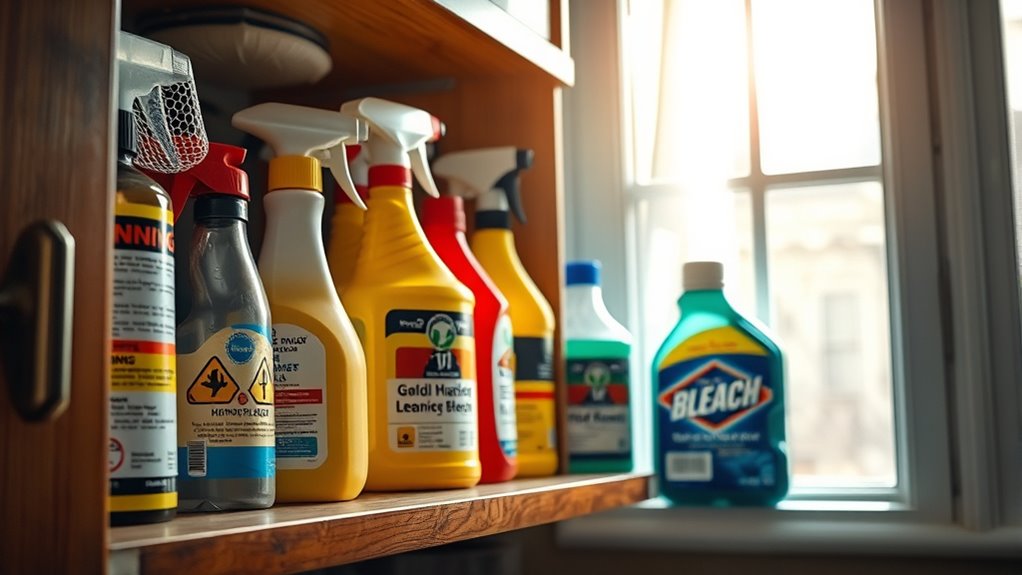
While you might not think about it, household chemicals can be significant asthma triggers lurking in your home. Products like air fresheners and certain cleaning agents often contain volatile organic compounds (VOCs) that can irritate your airways. When you spray an air freshener to mask odors, you might inadvertently worsen your asthma symptoms. Many cleaning agents release strong fumes that can lead to breathing difficulties, especially in closed spaces. To protect yourself, consider using unscented or natural cleaning products. Ventilate your home while cleaning, and opt for alternatives that minimize chemical exposure. By being mindful of the chemicals you bring into your home, you can create a healthier environment and reduce your asthma triggers effectively.
Tobacco Smoke: Secondhand Risks

Tobacco smoke can pose serious risks to your health, especially if you have asthma. Secondhand smoke substantially deteriorates indoor air quality, making it a major asthma trigger. When you’re exposed to this toxic mix of chemicals, your respiratory health can take a hit, leading to increased asthma attacks, wheezing, and difficulty breathing. Even brief exposure can be harmful, so it’s essential to eliminate smoking in your home. If you live with a smoker, encourage them to smoke outside or quit altogether. Additionally, consider using air purifiers to help improve your indoor air quality. Protecting your living space from tobacco smoke is critical for maintaining good respiratory health and ensuring your asthma is managed effectively.
Frequently Asked Questions
How Can I Tell if I’M Allergic to Dust Mites?
You can tell if you’re allergic to dust mites by observing symptoms like sneezing, itchy eyes, or difficulty breathing, especially in your home. Allergy testing methods such as skin prick tests or blood tests can confirm a dust mite allergy. If you suspect you have this allergy, it’s best to consult with an allergist who can provide you with a proper diagnosis and help you manage your symptoms effectively.
What Types of Pets Are Least Likely to Trigger Asthma?
If you’re looking for pets that won’t set off your asthma like a fire alarm, consider hypoallergenic animals such as poodles, bichon frises, or even certain cats like the Siberian. These breeds produce less dander and are better suited for pet-friendly environments. While no pet is completely allergen-free, opting for hypoallergenic choices can markedly reduce your asthma triggers, allowing you to enjoy companionship without compromising your health.
How Do I Properly Clean Mold From My Home?
To properly clean mold from your home, start by wearing protective gear like gloves and a mask. Use a mixture of water and detergent to scrub surfaces, then rinse with clean water. Once dried, consider applying mold resistant paints to prevent future growth. Don’t forget about air purifier maintenance; regularly change filters to keep your indoor air clean. These steps will help you create a healthier living environment and reduce mold risks.
When Is Pollen Season in My Area?
Pollen season in your area typically starts in early spring and can last until late summer. Are you ready to face the sneezes? To stay ahead, check local pollen forecasts regularly and monitor the pollen count. This way, you can plan your outdoor activities when pollen levels are lower, helping you manage allergies effectively. Don’t let high pollen days catch you off guard; stay informed and breathe easier!
What Are Safer Alternatives to Household Chemicals?
You can opt for natural cleaning solutions to create a safer home environment. Consider using vinegar and baking soda as effective, chemical-free products for various cleaning tasks. Essential oils like tea tree or lavender can also enhance cleaning power while adding pleasant scents. Look for brands that specialize in eco-friendly options, ensuring they’re free from harmful chemicals. Making these simple switches can markedly reduce toxins in your living space and improve your overall health.
Conclusion
In your quest for a healthier home, tackling asthma triggers is essential. By addressing dust mites, pet dander, mold, and more, you can transform your living space into a sanctuary. It might feel like you’re fighting an army of invisible foes, but with the right strategies, you can breathe easier. Remember, a few simple changes can make a world of difference in your comfort and well-being. Don’t let these hidden culprits take control of your life!
Halloween Picks
halloween
As an affiliate, we earn on qualifying purchases.