
TL;DR
Chaturanga Dandasana, a foundational yoga pose, appears straightforward but requires substantial strength and mental focus. It involves the entire body and challenges practitioners physically and mentally.
In recent discussions among yoga practitioners and experts, the physical and mental demands of Chaturanga Dandasana have come into focus, revealing that the pose requires more than just flexibility. While often performed as a transition in yoga sequences, new insights emphasize its importance in building core strength and mental resilience, especially as more beginners attempt to master it without proper guidance.
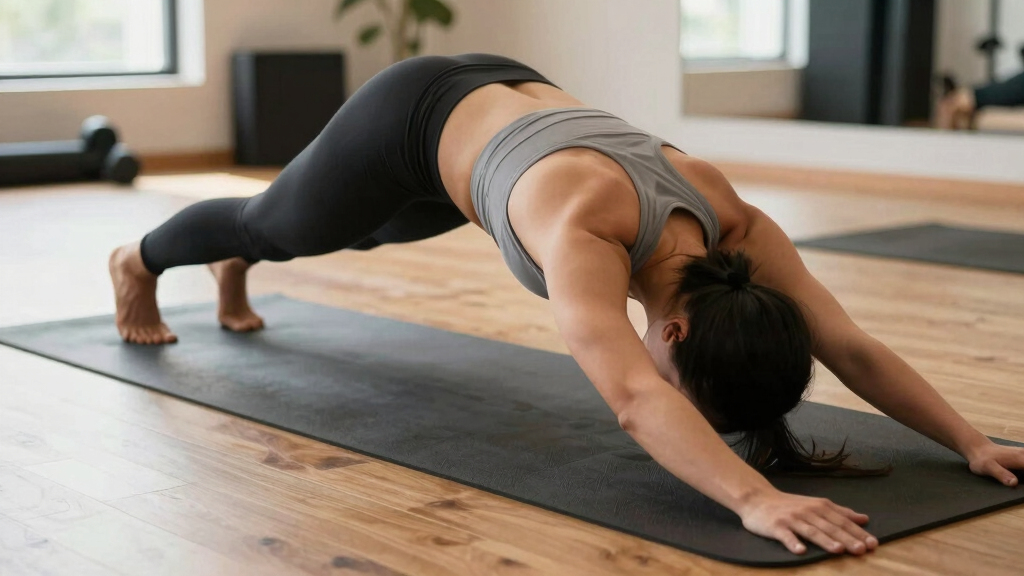
Yoga experts note that Chaturanga Dandasana, often called the Four-Limbed Staff pose, demands significant strength from the arms, shoulders, core, and legs to hold the body parallel to the floor without sagging. While it looks simple, it challenges both physical and mental endurance, requiring practitioners to maintain proper alignment and smooth breathing.
According to a 1984 article from Yoga Journal, the pose strengthens muscles across the entire body, including the arms, trunk, and legs, while also teaching softness and grace. Proper technique involves engaging the entire body, avoiding sagging in the lower back, and maintaining a free breath. Beginners are advised to start from plank and gradually lower into the pose, emphasizing control and alignment.
Why It Matters
This recognition shifts the perception of Chaturanga from a basic pose to a demanding exercise that builds foundational strength and mental resilience. Its proper practice can prevent injury and improve overall yoga performance, making it essential for practitioners seeking to deepen their practice.

MANTRA SPORTS Pilates Ring – 13 Inch Magic Circle Pilates Ring – Toning Inner Thigh Exerciser, At-Home Yoga Equipment for Home Workouts – Thigh Master for Women, Arms & Core Toning – Carbon Black
- Full-Body Toning: Sculpt thighs, hips, glutes, core, arms
- 13-Inch Resistance Ring: Medium resistance for muscle activation
- Enhanced Posture & Stability: Improve alignment, balance, and form
As an affiliate, we earn on qualifying purchases.
As an affiliate, we earn on qualifying purchases.
Background
Chaturanga Dandasana has been a staple in yoga classes for decades, often seen as a challenging transition between plank and upward dog. While its physical demands are well known among advanced practitioners, recent discussions emphasize its importance for beginners to develop strength gradually. The pose’s complexity lies in maintaining alignment and control, not just in muscle power.
“Chaturanga Dandasana requires special strength in the arms, wrists, and abdominal muscles to hold the body still against gravity. It also teaches softness in the midst of strength.”
— Yoga Journal (1984)
“Many people underestimate the strength required for Chaturanga. It’s not just about flexibility; it’s about full-body engagement and mental focus.”
— Yoga expert (unnamed)
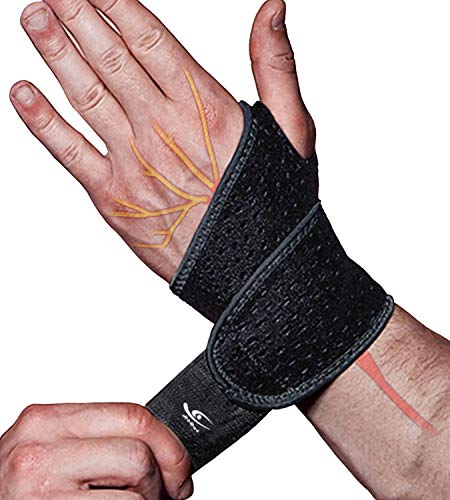
HiRui 2 Pack Wrist Compression Strap and Wrist Brace Sport Wrist Support for Fitness, Weightlifting, Tendonitis, Carpal Tunnel Arthritis, Pain Relief-Wear Anywhere-Adjustable (Black)
- Reliable Support for Various Activities: Supports weightlifting, sports, and daily tasks
- Adjustable Fit for 5–10" Wrists: Customizable compression for a secure fit
- 2 Pack for Convenience: Includes two wrist wraps for versatility
As an affiliate, we earn on qualifying purchases.
As an affiliate, we earn on qualifying purchases.
What Remains Unclear
It remains unclear how widespread awareness is about the physical demands of Chaturanga among casual practitioners, and whether more instructional emphasis is being placed on proper technique in classes.

Yoga Blocks 2 Pack, 9x6x3in Pilates Block, Non-Slip Foam Brick for Exercise
- Dimensions: 9x6x3 inches for support
- Set Includes: 2 EVA foam yoga blocks
- Versatile Use: Suitable for yoga, pilates, meditation
As an affiliate, we earn on qualifying purchases.
As an affiliate, we earn on qualifying purchases.
What’s Next
Yoga instructors and practitioners are expected to focus more on strength-building exercises and alignment cues in upcoming classes to improve safety and effectiveness of Chaturanga practice. Further research may explore injury prevention and optimal training methods.

YOGATI Yoga Mat with Alignment Lines. Exercise mat with carry strap. Pilates mats for yoga or Fitness. Non slip Workout Mat. Thick Yoga Mats for women and men. Gym mats for home. Yoga matt thick.
- Comfort and Cushioning: Superior cushioning for joint protection
- Non-Slip Surface: High-quality grip for safe practice
- Alignment Lines: Guides proper posture during exercises
As an affiliate, we earn on qualifying purchases.
As an affiliate, we earn on qualifying purchases.
Key Questions
Why does Chaturanga Dandasana look easier than it is?
Because it appears simple, but it requires significant strength and control across multiple muscle groups, which is often underestimated by beginners.
What muscles are engaged during Chaturanga?
The arms, shoulders, core, and leg muscles are all engaged to maintain proper alignment and stability in the pose.
Can beginners safely practice Chaturanga?
Yes, but they should start from modified positions like plank and gradually build strength, paying close attention to alignment and breathing.
What are common mistakes in practicing Chaturanga?
Sagging in the lower back, collapsing shoulders, and holding the pose with rigid tension are common errors that can lead to injury.
Why is mental resilience important in Chaturanga?
Maintaining the pose requires focus and perseverance, as the physical challenge can lead to mental fatigue or the urge to give up.
Source: Yoga Journal