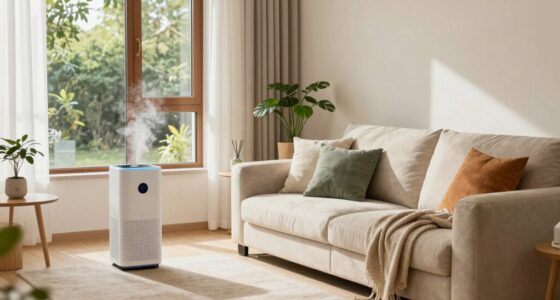
Many shoppers overvalue flashy specs, trendy designs, and extra features like ionizers or UV sterilizers, often ignoring what really matters—effective filtration and allergen removal. You might be tempted by high CADR scores or sleek looks, but these don’t guarantee healthier indoor air. Instead, focus on proven technology like HEPA filters that efficiently remove tiny particles. If you keep going, you’ll discover how to choose an air purifier that genuinely improves your indoor air quality.

Get health and wellness essentials delivered free — and shop member deals
- Fast, free delivery on millions of items
- Access to Prime Big Deal Days deals on October 6–7
- Prime Video, Amazon Music and more included
Key Takeaways
- Shoppers often prioritize high CADR ratings and flashy specs over filter type and real air quality benefits.
- Aesthetic design and extra features like smart technology distract from core filtration performance.
- Consumers overvalue superficial features such as ionizers or UV sterilizers that may not improve air quality.
- Emphasis on filter brand and technology is often overlooked in favor of device appearance or marketing claims.
- Long-term effectiveness depends on filter quality, lifespan, and maintenance, which are undervalued during purchasing decisions.
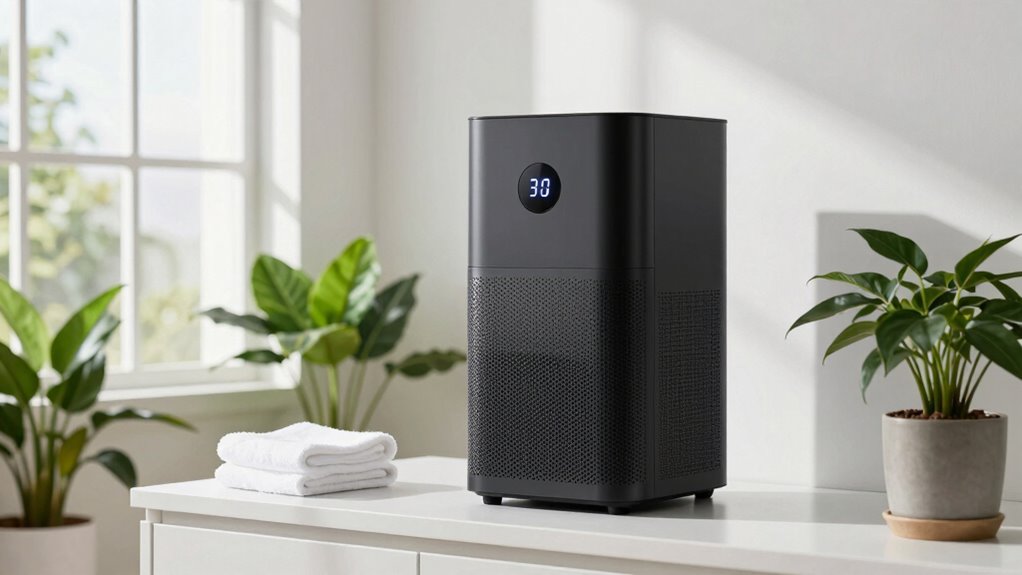
Many shoppers tend to overvalue certain features when choosing indoor air products, often prioritizing flashy specs over what truly matters for air quality. It’s easy to get caught up in the latest technology or the most impressive marketing claims, but understanding what genuinely improves your indoor environment is key. When it comes to air filtration and allergens removal, these features should be your primary focus rather than the bells and whistles that don’t make a real difference.
Air filtration is fundamental for creating a healthier indoor space, especially if you suffer from allergies or asthma. You might see products boasting high CADR (Clean Air Delivery Rate) numbers or shiny filters that seem more advanced than others. While a high CADR indicates better air circulation and filtration capacity, it’s not the only factor to weigh. You should look at the filter type—HEPA filters are widely recognized for their ability to trap tiny particles, including pollen, dust mites, pet dander, and smoke. Many shoppers overlook the importance of the filter’s efficiency and lifespan, focusing instead on superficial features like design or extra functions. Remember, a product with a powerful filter that’s difficult to replace or maintain isn’t going to serve you well in the long run.
Prioritize HEPA filters with good efficiency and easy maintenance over flashy features for real air quality improvement
Additionally, understanding the importance of air filtration technology can help prioritize features that truly make a difference in indoor air quality. Allergen removal is another critical aspect to emphasize, yet it’s often overshadowed by flashy features like smart technology or aesthetic appeal. You might be tempted by air purifiers that come with app controls or eye-catching displays, but if they don’t effectively remove airborne allergens, they’re not worth the investment. The most effective air products for allergens removal are those equipped with true HEPA filters, which can capture particles as small as 0.3 microns. These filters are proven to considerably reduce the presence of common indoor allergens, providing relief for allergy sufferers. It’s also helpful to consider filter maintenance and replacement costs, as these impact long-term effectiveness and affordability. Being aware of the filter lifespan can help you plan for timely replacements and ensure consistent air quality. Moreover, understanding the importance of air purifier efficiency can help you select a model that provides consistent performance without unnecessary energy consumption. Don’t get distracted by additional features like ionizers or UV sterilizers unless you’re sure they enhance air purification without introducing new concerns, such as ozone production.
In the end, what truly matters for indoor air quality isn’t the number of features or the latest tech trend, but whether the product can effectively filter the air and remove allergens. Focus on the core functions—air filtration and allergens removal—that will make a real difference in your environment. Avoid being swayed by superficial features that look good but don’t improve air quality. Instead, choose a device designed with proven technology that prioritizes clean, healthy air. Your lungs will thank you for it.
As an affiliate, we earn on qualifying purchases.
Frequently Asked Questions
How Do Indoor Air Product Prices Compare Across Brands?
You’ll find that indoor air product prices vary widely across brands, mainly due to brand reputation and features offered. Higher-reputation brands often charge more, reflecting their reliability and quality. Price variability can be significant, so it’s smart to compare costs and features carefully. Don’t just go for the cheapest option; consider how the brand reputation and product features align with your needs to make a smarter purchase decision.
Are There Any Hidden Costs With Indoor Air Products?
Yes, there can be hidden costs with indoor air products. You might encounter hidden fees for installation, maintenance, or replacement parts that aren’t included in the initial price. Additionally, check the warranty coverage to see what’s included—some warranties don’t cover certain repairs or filters, leading to unexpected expenses later. Always read the fine print to avoid surprises and make sure you understand all potential costs upfront.
What Maintenance Is Required for These Products?
You might believe indoor air products require little maintenance, but studies suggest ongoing care improves performance. You should regularly replace filters and check for system calibration to guarantee peak functioning. Filter replacement is typically needed every 3 to 6 months, depending on usage, while system calibration ensures sensors stay accurate. Regular maintenance helps prolong the device’s lifespan and keeps your indoor air quality at its best.
How Long Do Indoor Air Products Typically Last?
Indoor air products usually last about 3 to 5 years, depending on their quality and usage. You should pay attention to the air filter lifespan and overall product durability; these factors influence how long your device remains effective. Regular maintenance and timely filter replacements can extend the life of your air purifier or HVAC system. Keep an eye on performance and replace parts as needed to maximize longevity.
Do Indoor Air Products Effectively Remove All Pollutants?
Indoor air products can’t completely remove all pollutant types, but they considerably improve air quality. They target common pollutants like dust, VOCs, and pollen, reducing their presence. However, some pollutants, especially gases or tiny particles, may still linger. To optimize air quality, use these devices alongside proper ventilation and regular cleaning. Relying solely on indoor air products won’t eliminate every pollutant, but they do make a noticeable difference.
air purifier with true HEPA filter
As an affiliate, we earn on qualifying purchases.
As an affiliate, we earn on qualifying purchases.
Conclusion
You might think a fancy filter or high-tech gadget will instantly improve your air quality, but don’t overlook the basics. Think of it like watering a plant—you can’t just spray water and hope it thrives. Sometimes, simple maintenance and proper ventilation do more than the latest features. Remember, in indoor air quality, it’s not just about the shiny new toy; it’s about creating a healthier environment for yourself and your loved ones.
air purifier for dust and pet dander
As an affiliate, we earn on qualifying purchases.
As an affiliate, we earn on qualifying purchases.
best air purifier with easy filter replacement
As an affiliate, we earn on qualifying purchases.
As an affiliate, we earn on qualifying purchases.
Fall Picks
fall essentials
As an affiliate, we earn on qualifying purchases.