
TL;DR

Get health and wellness essentials delivered free — and shop member deals
- Fast, free delivery on millions of items
- Access to Prime Big Deal Days deals on October 6–7
- Prime Video, Amazon Music and more included
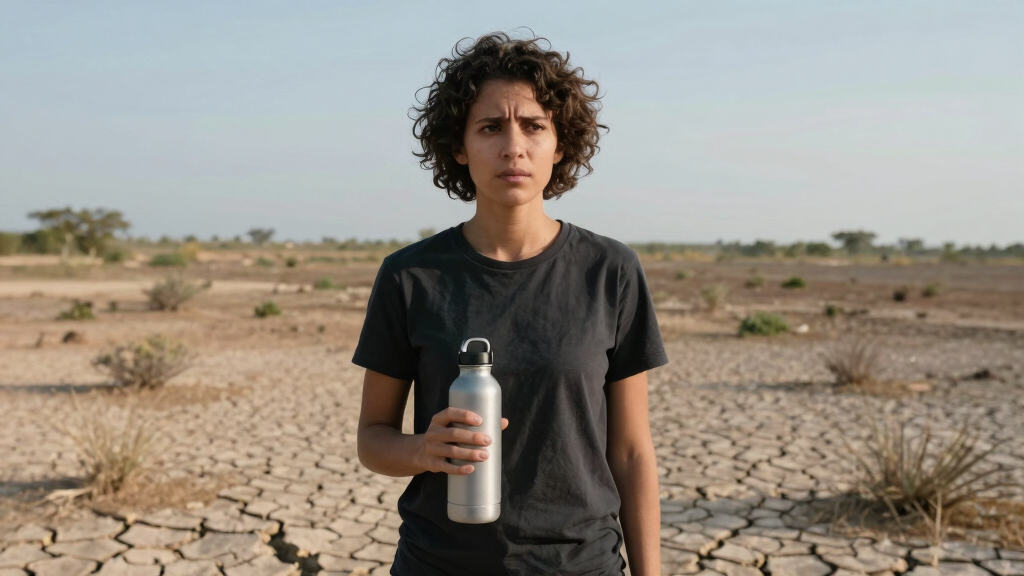
Over 60% of the United States is currently under drought conditions, with over 20% classified as extreme. Experts attribute this to an atypical La Niña event and climate warming. Relief is unlikely before late summer or fall, with some regions facing severe water shortages.
More than 60 percent of the United States is currently experiencing drought conditions, with over 20 percent classified as extreme, according to climatologists. This widespread drought is among the worst in recent decades and is driven by an atypical La Niña event combined with climate warming, significantly impacting water resources and agriculture across multiple regions.
Andrew Ellis, a climatologist at Virginia Tech, explained that the current drought’s severity and aerial coverage are rare, caused by an unusual La Niña pattern that affected the fall and winter storm tracks. Typically, La Niña years bring dryness to the southern U.S., but this event was atypical because the Pacific Northwest also experienced significant dryness, which is uncommon for such conditions.
Ellis noted that the La Niña condition led to less frequent Pacific storm systems and reduced moisture flow from the Gulf of Mexico into the eastern U.S., intensifying drought conditions. The most impacted areas include Colorado and the Southeast, especially Georgia and Florida, where extreme drought conditions are widespread. Regions from New Jersey to Arkansas are also heavily affected, relying on Gulf and Atlantic moisture that has been largely absent for the past six to eight months.
Meanwhile, the Ohio Valley has remained relatively unaffected, experiencing wetter conditions during this La Niña cycle. Relief from drought in the hardest-hit regions is unlikely before late summer or fall, with potential assistance from tropical systems, though these carry risks of damaging winds and flooding. Experts warn that summer drought relief is limited, especially in the Rockies and Great Plains, which depend heavily on winter snowpack and storm systems for water replenishment.
Why It Matters
This widespread drought has significant implications for water supply, agriculture, and ecosystems across the U.S. It threatens crop yields, increases wildfire risk, and strains municipal water resources, especially in the Southeast and Great Plains. Understanding the causes and potential relief options is critical for policymakers and communities to prepare and adapt to these challenging conditions.
As an affiliate, we earn on qualifying purchases.
Background
The current drought is part of a broader pattern linked to La Niña, which typically affects U.S. weather patterns, but this year’s conditions are more severe due to an atypical La Niña that impacted the Pacific Northwest and southern regions simultaneously. Climate warming exacerbates these dry spells by increasing evaporation and soil moisture loss. Historically, droughts of this scale have occurred periodically, but the current combination of intensity and coverage is notable.
“The current conditions are among the worst in decades because the combination of intensity and aerial coverage is rare.”
— Andrew Ellis, Virginia Tech climatologist
“Relief in the hardest-hit regions is unlikely before late summer or fall, with tropical systems offering some help but also risks.”
— Andrew Ellis, Virginia Tech climatologist
portable water storage containers
As an affiliate, we earn on qualifying purchases.
As an affiliate, we earn on qualifying purchases.
What Remains Unclear
It remains unclear how long the drought will persist beyond late summer, and whether upcoming tropical systems will be sufficient to significantly alleviate conditions. The potential for a historic El Niño next fall and winter could alter the climate pattern, but predictions are still uncertain.
As an affiliate, we earn on qualifying purchases.
What’s Next
Monitoring of tropical storm development and climate forecasts will be critical in the coming months. Authorities and communities are advised to prepare for continued drought impacts, including water restrictions and agricultural adjustments. Researchers will continue assessing the evolving climate patterns and their implications.
As an affiliate, we earn on qualifying purchases.
Key Questions
How severe is the current drought in the U.S.?
Over 60% of the U.S. is experiencing drought conditions, with more than 20% classified as extreme or exceptional, making it one of the worst in decades.
What caused this widespread drought?
An atypical La Niña event combined with climate warming has driven the drought, reducing storm activity and moisture flow across large parts of the country.
When might relief occur?
Significant drought relief is unlikely before late summer or early fall, with tropical systems potentially providing some assistance but also carrying risks of flooding and wind damage.
Which regions are most affected?
Colorado, Georgia, Florida, and the southeastern U.S. are most impacted, with widespread and deep drought conditions. The Ohio Valley has remained comparatively wetter.
What are the long-term implications?
The drought threatens water supplies, agriculture, and ecosystems, and highlights the need for adaptive water management and climate resilience strategies.
Cold & flu season Picks
humidifiers
As an affiliate, we earn on qualifying purchases.