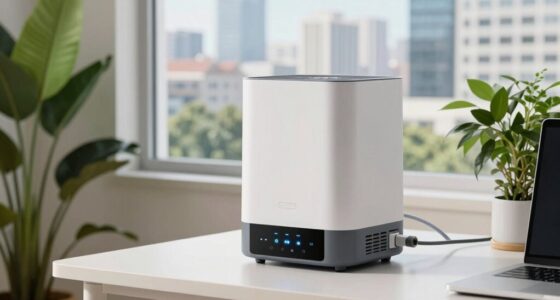
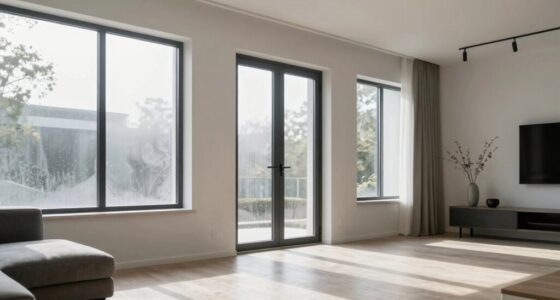
After renovations, your first step should be opening windows and doors wide to create a cross-breeze, rapidly clearing out dust, fumes, and VOCs. Use fans and keep airflow going throughout the day to boost ventilation. Consider running air purifiers with HEPA and activated carbon filters to trap particles and chemicals. Don’t forget to inspect and change HVAC filters if needed. Continuing this process will help you maintain a healthy, fresh indoor environment.

Get health and wellness essentials delivered free — and shop member deals
- Fast, free delivery on millions of items
- Access to Prime Big Deal Days deals on October 6–7
- Prime Video, Amazon Music and more included
Key Takeaways
- Immediately open windows and doors to create cross-ventilation and disperse airborne particles.
- Use air purifiers with HEPA and activated carbon filters to remove dust, fumes, and VOCs.
- Check and replace HVAC filters; ensure ventilation systems are clean and unobstructed.
- Run exhaust fans in kitchens and bathrooms to eliminate moisture and fumes.
- Monitor indoor air quality and address persistent odors or health concerns promptly with professional testing.

After renovations are complete, indoor air quality can rapidly become a concern if proper ventilation isn’t maintained. When you’ve just finished a project that involved painting, sanding, or installing new materials, you might notice lingering odors or feel that the air isn’t as fresh as it should be. It’s easy to overlook this aspect in the rush to enjoy your newly renovated space, but addressing indoor air quality promptly is essential for your health and comfort. The first step you should take is to increase ventilation in your home. Open windows and doors to create a cross-breeze that helps disperse airborne particles and reduce indoor pollutants. If the weather allows, keep windows open for several hours, especially in the first few days after renovation. This simple action can substantially decrease the concentration of dust, fumes, and volatile organic compounds (VOCs) that may have been released during construction.
Open windows and doors after renovations to quickly improve indoor air quality and reduce lingering fumes and dust.
Additionally, using exhaust fans and air purifiers equipped with HEPA filters can further improve air quality, particularly in areas with limited airflow. Running exhaust fans in bathrooms and kitchens can help remove moisture, dust, and fumes from those specific areas. Air purifiers, particularly those with activated carbon filters in addition to HEPA, can trap smaller airborne particles and VOCs that might linger despite increased ventilation. Position these devices in high-traffic or problem areas for maximum impact. It’s important to monitor the air quality with a detector if possible, which can alert you to spikes in airborne pollutants and help you decide when to increase ventilation or run purifiers.
You should also inspect and clean your HVAC system if it’s connected to your home’s ventilation. Change filters regularly, especially after renovation, because they can trap a significant amount of dust and debris. If your system has a fresh air intake, make sure it’s clean and unobstructed. This way, your entire HVAC system can help circulate clean air throughout your home, reducing the buildup of harmful particles. Additionally, avoid sealing off vents or blocking airflow, as this can trap pollutants indoors. Incorporating air quality awareness into your post-renovation routine can help you stay proactive in maintaining a healthy indoor environment.
Finally, give yourself and your family time to adapt to the improved environment. Keep windows open during the day and use fans to promote air circulation. If you notice persistent odors, fumes, or respiratory irritation, consult professionals who can conduct extensive air quality testing. Addressing indoor air quality immediately after renovations ensures your space remains healthy, comfortable, and safe for everyone living there. Acting quickly will help you enjoy your renovated home without the lingering health concerns that poor air quality can cause.
HEPA air purifier for indoor air quality
As an affiliate, we earn on qualifying purchases.
As an affiliate, we earn on qualifying purchases.
Frequently Asked Questions
How Long Should I Wait Before Reoccupying Renovated Spaces?
You should wait at least 24 to 48 hours before reoccupying renovated spaces. This allows any lingering dust, fumes, or VOCs from paints, adhesives, and other materials to dissipate. During this time, guarantee proper ventilation by opening windows and using fans. If possible, use air purifiers with HEPA filters to improve air quality further. Resting until the space feels fresh and safe helps protect your health and comfort.
Are There Specific Air Purifiers Recommended After Renovations?
Yes, you should choose air purifiers with HEPA filters to effectively remove dust, VOCs, and other pollutants after renovations. Look for models designed for large spaces and those with activated carbon filters to absorb odors. It’s best to run these purifiers continuously for at least 48 hours, or until indoor air quality improves. Regularly check and replace filters to maintain peak performance and guarantee a healthier indoor environment.
Can Indoor Plants Improve Air Quality Post-Renovation?
Yes, indoor plants can improve air quality after renovations, but don’t rely on them alone. While they add a natural touch and absorb some toxins, they won’t eliminate all airborne pollutants or VOCs from new paint or materials. You should pair plants with proper ventilation, air purifiers, and thorough cleaning. This combination maximizes air purification, making your space healthier and more comfortable after renovation.
What Are the Signs of Poor Indoor Air Quality?
You might notice headaches, dizziness, or fatigue, which are common signs of poor indoor air quality. You could also experience sneezing, coughing, or throat irritation more often. Unpleasant odors or a lingering musty smell are indicators, too. If your eyes feel sensitive or you have respiratory issues that worsen indoors, it’s likely your air isn’t clean. Pay attention to these symptoms, as they suggest it’s time to improve your indoor environment.
How Often Should I Test Indoor Air Quality After Renovations?
You should test your indoor air quality at least every three to six months after renovations. Regular testing helps you catch any lingering pollutants or new issues early. If you notice lingering odors, allergy symptoms, or dizziness, test sooner. Use a reliable air quality monitor or hire a professional to assess pollutants like VOCs, mold, and dust. Consistent testing guarantees your indoor environment stays safe and healthy for everyone.
activated carbon air filter for home
As an affiliate, we earn on qualifying purchases.
As an affiliate, we earn on qualifying purchases.
Conclusion
After your renovation, tackling indoor air issues is vital—think of it as clearing a fog that’s thicker than a mountain of cotton candy. Start by ventilating your space, using air purifiers, and checking for lingering fumes. Don’t let poor air quality turn your beautiful new space into a toxic nightmare. With these simple steps, you’ll breathe fresh air as easily as a breeze sweeping through an open field, turning your home into a safe, healthy haven.
As an affiliate, we earn on qualifying purchases.
As an affiliate, we earn on qualifying purchases.
Fall Picks
fall essentials
As an affiliate, we earn on qualifying purchases.