To prevent dust from spreading when tossing out your used air filter, wear gloves and carefully remove it to contain dust. Place the filter in a sturdy plastic bag immediately and seal it tightly. Dispose of it outdoors or in a well-ventilated area, avoiding indoor disposal. For added safety, double-bag if necessary and always wash your hands afterward. Keep your indoor air clean and stay safe—if you want to learn more tips, keep exploring.
Key Takeaways
- Wear gloves and handle the used filter gently to prevent dust from dislodging during removal.
- Place the filter in a sturdy, sealed plastic bag immediately after removal to contain dust.
- Dispose of the bag outdoors or in a well-ventilated area to prevent indoor dust spread.
- Double-bag the filter if dust containment is a concern and avoid shaking or tapping during disposal.
- Wash hands thoroughly and clean surfaces afterward to maintain indoor air quality and safety.

Have you ever wondered what to do with your used air filters? If so, you’re not alone. Many people toss them in the trash without giving it much thought, but improper disposal can spread dust, allergens, and even mold spores into the air you breathe. Your goal should be to dispose of your filters responsibly, keeping dust contained and preventing it from becoming a health or environmental hazard. That starts with understanding how to handle the filter properly before you toss it out.
First, always wear gloves when handling a used filter. These filters trap dust, pollen, pet dander, and sometimes bacteria, so touching them directly can expose you to irritants or allergens. Once you’re protected, carefully remove the filter from your HVAC system or air purifier. Be gentle to minimize dislodging dust into the air. Instead of shaking it out or tapping it, which can release particles into the environment, try to contain the dust during removal.
Next, you’ll want to contain the filter before disposal. Place the used filter in a sturdy plastic bag, seal it tightly, and then put that bag into your regular trash bin. This step is essential to prevent dust and debris from escaping during transport to the disposal site. If you’re concerned about dust escaping, double-bagging is a good idea. This extra layer helps ensure that nothing leaks out as the trash is moved or collected.
In some areas, used filters may be recyclable, especially if they’re made from certain materials like metal or plastic components. Check your local recycling guidelines to see if your filter qualifies. If recycling isn’t an option, just remember that the main priority is to prevent dust from dispersing into the environment. Never burn used filters, as they contain fibers and chemicals that can release toxic fumes when burned.
Finally, consider your home’s air quality during disposal. Do it outside if possible, or in a well-ventilated area, to avoid stirring up dust indoors. After you’ve disposed of the filter, wash your hands thoroughly and clean any surfaces that may have come into contact with dust. By taking these simple precautions, you help maintain a healthier indoor environment and reduce the spread of dust, allergens, and potential mold spores. Proper disposal isn’t just about cleanliness; it’s about protecting your health and the environment from unnecessary dust exposure.

LEVOIT Air Purifier for Home Allergies and Pets Hair Smokers in Bedroom, H13 True HEPA Filter, 24db Filtration System Cleaner Odor Eliminators, Remove 99.97% Dust Smoke Mold Pollen, Core 300, White
- AHAM Verified for Performance: Independently tested for air quality and efficiency
- Powerful Filtration System: 56W motor with 143 CFM CADR
- Effective for Large Rooms: Cleans 222 sq ft 4.8 times/hour
As an affiliate, we earn on qualifying purchases.
Frequently Asked Questions
Can Used Air Filters Be Recycled?
Yes, used air filters can often be recycled, but it depends on the type. You should check with your local recycling programs or facilities, as some accept certain filters like those made from metal or washable materials. Always make sure the filter is properly cleaned and free of dust before recycling. Avoid throwing filters in regular trash, and consider reusable options to reduce waste and environmental impact.
What Are the Health Risks of Improper Disposal?
You risk spreading dust, mold, and allergens if you dispose of used air filters improperly, which can trigger allergies or respiratory issues in sensitive individuals. Studies show indoor air pollution can be up to five times higher than outside, so improper disposal worsens this. Always wrap filters securely before tossing them in the trash, and consider recycling options to avoid contaminating your environment and harming your health.
Are There Eco-Friendly Disposal Options Available?
Yes, eco-friendly disposal options are available. You can recycle your used air filters if your local recycling center accepts them, or look for specialized disposal services that handle HVAC filters sustainably. Some brands offer take-back programs, so check with the manufacturer. Additionally, consider repurposing filters for craft projects or composting if suitable. Always research local regulations to guarantee proper disposal and minimize environmental impact.
How Often Should I Replace My Air Filter?
Think of your air filter as the unsung hero of clean air—how often should you replace it? Generally, you should swap it out every 1 to 3 months, depending on your home’s air quality and filter type. If you notice dust buildup, reduced airflow, or allergies acting up, it’s time for a change. Regular replacements keep your HVAC running efficiently and your air fresh. Don’t delay—stay ahead of the dust!
Can Dust From Old Filters Cause Allergies?
Yes, dust from old filters can cause allergies. When you discard an old filter, dust particles may become airborne if you don’t handle it carefully. Breathing in these particles can trigger allergy symptoms or worsen respiratory issues. To avoid this, wear a mask and gloves, and dispose of the filter in a sealed bag. Proper handling minimizes dust spread and keeps your indoor air quality safe.

MOOKA Air Purifier for Bedroom Home Dorm 430 Ft², Compact HEPA Air Cleaner
- True HEPA Filter with 360° Air Intake: Removes dust, smoke, pollen, pet dander
- Compact & Portable Design: Powered via USB for versatile use
- Universal Voltage Compatibility: Works with 110-240V power sources
As an affiliate, we earn on qualifying purchases.
Conclusion
When you toss out your old air filter, imagine tiny dust particles escaping like sneaky whispers in the air. By sealing it properly and disposing of it carefully, you prevent those stubborn specks from drifting into your home or neighborhood. Think of it as locking away invisible dust bunnies, keeping your space clean and fresh. Handle with care, and let your home breathe easy—free from the unseen spread of dust and allergens.
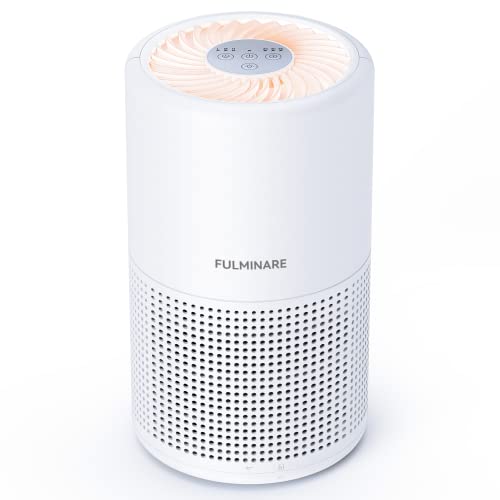
Air Purifiers for Bedroom, FULMINARE H13 True HEPA Filter
- Efficient Particle Filtration: H13 HEPA filter for clean air
- High Circulation Rate: 360° air outlet, refreshes 5x/hour
- Suitable for 215 sq ft rooms: Effective in small to medium rooms
As an affiliate, we earn on qualifying purchases.

VOOPNU Air Purifiers for Bedroom, High Efficiency Filter, 1076 Ft², Black
- Easy-to-Use Control Panel: Intuitive design for simple operation
- Compact and Powerful: Covers 1076 ft² in a small size
- 360° Airflow Design: Ensures even air purification
As an affiliate, we earn on qualifying purchases.