To improve your indoor air effortlessly, keep up regular cleaning by dusting surfaces, vacuuming with HEPA filters, and wiping down furniture with damp cloths. Ventilate your space daily by opening windows when possible, and add low-maintenance indoor plants like snake plants or pothos near common areas. Incorporate small actions, like maintaining filters and renewing air, to create a healthier environment without overhauling your routine. Discover more simple tips to boost your air quality with ease.
Key Takeaways
- Incorporate air purifiers and replace filters regularly for continuous air cleaning with minimal effort.
- Use low-maintenance indoor plants near common areas to naturally improve air quality.
- Improve ventilation daily by opening windows to exchange stale indoor air with fresh outdoor air.
- Establish a simple cleaning routine focusing on high-traffic areas and dust-prone surfaces.
- Make small, consistent actions like ventilating and quick surface wipes to maintain fresh air effortlessly.
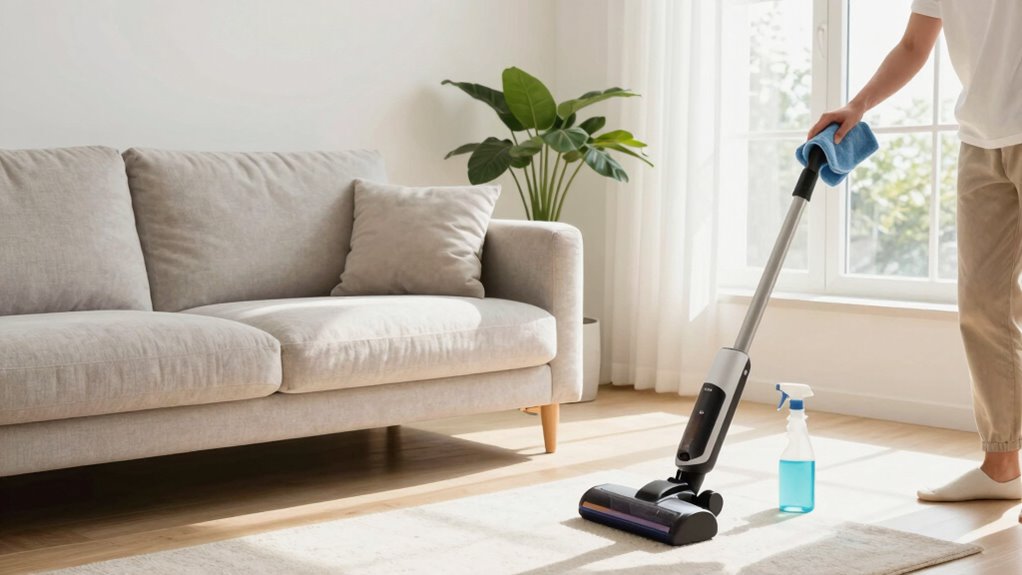
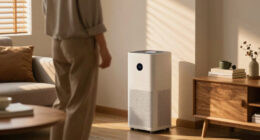
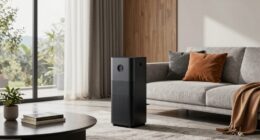
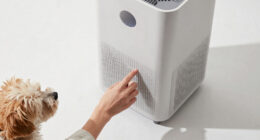
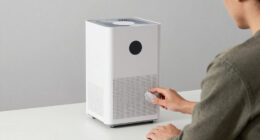
Have you ever wondered how much your cleaning habits impact the air you breathe? It’s easy to overlook, but small changes can make a big difference. You don’t need to turn cleaning into a full-blown project; simple steps can substantially improve your indoor air quality. One effective way is by incorporating air purifiers into your space. These devices actively filter out dust, pollen, pet dander, and other airborne pollutants, ensuring the air you breathe is cleaner and healthier. You can place them in common areas like the living room or bedroom for continuous purification, especially if you have allergies or respiratory issues. Just make sure to choose an air purifier suitable for your room size and keep it well-maintained by changing filters regularly.
Alongside air purifiers, indoor plants also play a crucial role in enhancing air quality. Plants naturally absorb toxins and release oxygen, creating a fresher environment. You don’t need a jungle—just a few well-placed greenery pieces can help. Consider low-maintenance options like snake plants, pothos, or peace lilies; they’re not only easy to care for but also effective at filtering indoor air. Position your plants in areas where you spend the most time, like next to your desk or bedside table. Regularly watering and cleaning the leaves will maximize their air-purifying benefits. Incorporating air purification technologies into your home can further boost indoor air quality and reduce airborne pollutants. Additionally, understanding indoor air quality and how it’s affected by everyday activities can help you make better choices for healthier living. Being aware of air quality levels can motivate you to take extra steps to improve your environment, such as adjusting cleaning routines or ventilation habits. Recognizing the importance of ventilation can help you effectively exchange stale indoor air with fresh outdoor air, further reducing pollutants. Proper ventilation ensures continuous airflow and helps prevent the buildup of indoor pollutants. Combining indoor plants with air purifiers creates a natural, ongoing air-cleaning system that requires minimal effort.
Cleaning your home regularly is essential, but it doesn’t have to be an intimidating task. Focus on high-traffic areas and surfaces that tend to accumulate dust and allergens, such as carpets, upholstery, and curtains. Use a vacuum with a HEPA filter to trap tiny particles and reduce airborne allergens. Wiping down surfaces with a damp cloth also helps prevent dust buildup without kicking up debris into the air. Don’t forget to clean your HVAC filters often, as they circulate dust and allergens throughout your home. Ventilate your space daily by opening windows when weather permits, allowing fresh air to flow in and stale air to escape. All these small, consistent actions keep your indoor environment fresh and healthy, making a noticeable difference over time.

LEVOIT Air Purifier for Home Large Room Up to 1073Ft² with Air Quality Monitor, AHAM VERIFIDE, Smart WiFi, Washable Pre-Filter, HEPA Sleep Mode for Pets, Allergies, Dust, Pollen, Vital 100S-P, White
𝐖𝐇𝐘 𝐂𝐇𝐎𝐎𝐒𝐄 𝐀𝐇𝐀𝐌 𝐕𝐄𝐑𝐈𝐅𝐈𝐃𝐄 𝐀𝐈𝐑 𝐏𝐔𝐑𝐈𝐅𝐈𝐄𝐑𝐒: AHAM (Association of Home Appliance Manufacturers) is an ANSI-accredited organization that sets…
As an affiliate, we earn on qualifying purchases.
As an affiliate, we earn on qualifying purchases.
Frequently Asked Questions
How Often Should I Change My Air Filters?
You should change your air filter every 1 to 3 months, depending on its lifespan and your home environment. Regular filter maintenance is key to maintaining good indoor air quality. Check your filter monthly, especially if you have pets, allergies, or live in a dusty area. Following a consistent filter maintenance schedule helps prevent buildup and guarantees your HVAC system runs efficiently, providing cleaner, healthier air.
Can Houseplants Improve Indoor Air Quality?
Think of your houseplants as tiny air purifiers, quietly working like a team of diligent workers. Plant varieties like snake plants, pothos, and peace lilies excel at air purification, absorbing toxins and releasing fresh oxygen. You can improve indoor air quality effortlessly by adding these natural filters. Regular watering and proper placement keep them thriving, turning your home into a lush, clean oasis without turning cleaning into a project.
Are Air Purifiers Effective for All Pollutants?
Air purifiers are effective for many pollutants, but their efficiency depends on proper maintenance and pollutant filtration efficiency. You should regularly change filters and clean the unit to guarantee peak performance. While they effectively reduce dust, pollen, and pet dander, they might not eliminate gases or viruses completely. Understanding your specific needs and choosing an air purifier with appropriate features helps maximize its effectiveness in improving indoor air quality.
What’s the Best Way to Reduce Pet Dander?
To effectively reduce pet dander, prioritize regular pet grooming—brushing your furry friend frequently helps remove loose hair and dander. Implement dander reduction strategies like washing bedding and vacuuming with a HEPA filter regularly. You can also consider air purifiers to catch airborne particles. Staying consistent with these habits keeps your indoor air cleaner, making your space more comfortable and healthier for everyone.
Do Natural Cleaning Products Help Air Quality?
Yes, natural cleaning products can improve your air quality. They use natural ingredients and DIY solutions, which typically don’t emit harsh chemicals or fumes. This reduces indoor pollutants that can irritate your lungs or trigger allergies. By opting for natural ingredients like vinegar, baking soda, and essential oils, you create a cleaner, healthier environment. Plus, DIY solutions are affordable and customizable, making it easier to maintain good air quality daily.

Rattlesnake Calathea Live Plant – Air Purifier, Colorful House Plant, Ideal for Home Decor and Room Decor – Rattlesnake for Indoor Plants, Calathea Lancifolia Prayer Plant
Air Purifying Rattlesnake Calathea: Perfect addition to your living room decor, office decor, or garden decor. This live…
As an affiliate, we earn on qualifying purchases.
As an affiliate, we earn on qualifying purchases.
Conclusion
By following these simple cleaning tips, you can banish dust and allergens so thoroughly that your indoor air becomes as pure as mountain air at dawn. Say goodbye to sneezing fits and stuffy noses—your home will feel like a gust of fresh air every single day. With just a little effort, you’ll turn your space into a sanctuary of crisp, clean air that’s so fresh, even the clouds will envy your indoor atmosphere!
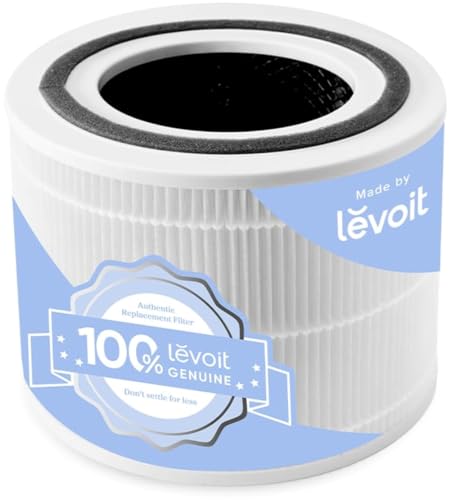
LEVOIT Genuine Core 300-P Replacement Filter, Core 300-RF Air Purifier Core300S Filters, Supports HEPA Sleep Mode, High-Efficiency Activated Carbon for Removal of Smoke, Odor, Allergens, Pollen,1 Pack
𝐆𝐄𝐍𝐔𝐈𝐍𝐄 𝐑𝐄𝐏𝐋𝐀𝐂𝐄𝐌𝐄𝐍𝐓 𝐅𝐈𝐋𝐓𝐄𝐑: Designed specifically for the Core 300-P / Core 300S-P air purifiers to maintain its peak…
As an affiliate, we earn on qualifying purchases.
As an affiliate, we earn on qualifying purchases.

Shark NV352 Navigator Lift Away Upright Vacuum, Hepa Filter, Anti-Allergen Technology, Swivel Steering, Ideal for Carpet, Stairs, & Bare Floors, with Wide Upholstery & Crevice Tools, Lavender
LIFT-AWAY FUNCTIONALITY: lift away the detachable pod and easily clean above-floor areas like stairs, furniture, and more.
As an affiliate, we earn on qualifying purchases.
As an affiliate, we earn on qualifying purchases.