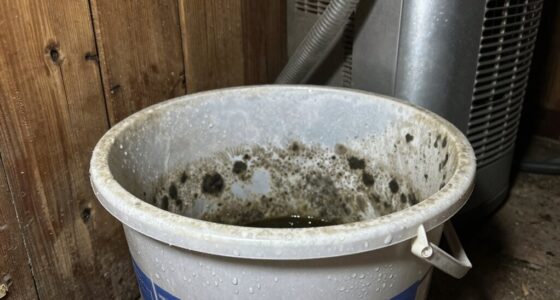
To clean mold safely without spreading spores, start by identifying affected areas and controlling moisture levels. Wear protective gear like gloves and masks. Use effective cleaning solutions, such as vinegar or baking soda paste, and ventilate the space well. Set up containment barriers with plastic sheeting to minimize spore spread. After cleaning, check for any residual mold and ensure humidity stays below 60%. There’s more to explore about maintaining a mold-free environment.
Key Takeaways
- Set up plastic sheeting around the affected area to contain mold spores and prevent their spread during cleaning.
- Wear appropriate protective gear, including a respirator, gloves, and goggles to minimize exposure to mold spores.
- Use HEPA filters in air filtration systems while cleaning to capture airborne mold spores effectively.
- Maintain proper ventilation by opening windows and using fans to direct airflow outside while cleaning.
- After cleaning, conduct a thorough inspection to ensure all mold has been removed and humidity levels are controlled below 60%.
Understanding Mold and Its Health Risks

While you might not notice it at first, mold can quickly become a hidden danger in your home. Mold growth thrives in damp, dark areas, and it can release airborne spores that pose serious health risks. These spores can irritate your respiratory system, leading to allergies, asthma attacks, or worse. You might experience symptoms like coughing, sneezing, or skin irritation without realizing mold is the culprit. It’s crucial to understand that mold isn’t just an unsightly nuisance; it can impact your well-being. Prolonged exposure can lead to chronic health issues, especially for sensitive individuals. Knowing the potential dangers of mold growth will motivate you to take preventive measures and ensure a healthier living environment. Additionally, maintaining pure air quality in your home can help reduce mold growth and improve overall well-being. Keeping your indoor environment dry and well-ventilated is essential for preventing mold growth conditions. Moreover, using smart route choices when addressing moisture sources can help you effectively manage areas prone to dampness. Understanding the importance of water park hotels can highlight how moisture in certain environments can contribute to mold proliferation. Incorporating stress management techniques can also help you stay focused on maintaining a healthy home environment. Don’t underestimate the risks—stay vigilant!
Identifying Areas Affected by Mold

To tackle mold effectively, you first need to spot where it’s hiding. Keep an eye out for common signs like discoloration and musty odors, especially in moisture-prone areas like bathrooms and kitchens. A thorough visual inspection can help you identify problem spots before they worsen. Additionally, consider employing auditory processing tests to evaluate potential environmental factors that may contribute to mold growth, as they can impact overall indoor air quality. Furthermore, uplifting sayings can serve as a motivational reminder to tackle cleaning tasks with determination. Incorporating natural remedies like essential oils for cleaning can help promote a healthier home environment while addressing mold issues. Using essential strategies for preparing for statistics exams can also help you manage your time effectively while cleaning. Moreover, understanding high volatility risks associated with mold in damp areas can aid in preventing future infestations.
Common Mold Signs
Have you noticed a musty smell in your home or dark spots on walls and ceilings? These are common signs of mold growth that you shouldn’t ignore. Visible stains can appear in various colors, including black, green, or white, indicating potential mold issues. Check areas around windows, under sinks, and in corners, as mold often thrives in hidden spots. If you see peeling paint or wallpaper, it might be due to moisture and mold underneath. Additionally, watch for any increase in allergy symptoms among household members, as mold can trigger respiratory problems. By recognizing these signs early, you can take action before the situation worsens, ensuring a healthier living environment for you and your family. Furthermore, addressing mold issues promptly contributes to sustainable cloud solutions that promote a healthier indoor atmosphere.
Moisture-Prone Locations
Identifying moisture-prone locations in your home is essential for preventing mold growth. Focus on areas where humidity levels are often high or where ventilation is poor. Common spots include bathrooms, kitchens, basements, and around windows. By addressing these areas, you can implement humidity control and ventilation improvement strategies effectively. Additionally, being mindful of cultural celebrations can help foster a communal effort in maintaining a mold-free environment. Regularly checking for energy-efficient models can also significantly lower humidity levels in your home. Using dehumidifiers can further enhance your efforts to combat moisture in these critical areas. Understanding the role of psychological assessment can also help you address any stress related to mold issues, as high stress can contribute to neglecting home maintenance.
Here’s a quick reference table to help you identify moisture-prone locations:
| Location | Signs of Moisture | Recommended Action |
|---|---|---|
| Bathroom | Condensation, stains | Install exhaust fan |
| Kitchen | Leaks, dampness | Improve ventilation |
| Basement | Musty smell, mold | Use dehumidifier |
| Windows | Water spots, fog | Seal gaps, ensure airflow |
| Laundry Room | Damp clothes, mold | Vent outside, use dryer |
Visual Inspection Techniques
A thorough visual inspection is essential for spotting areas affected by mold in your home. Look for key visual cues that indicate mold growth, and don’t overlook hidden spots. Here are three areas to focus on during your inspection:
- Walls and Ceilings: Check for discoloration or peeling paint, which often suggests moisture and potential mold. Regular inspections can help you stay ahead of aviation regulations related to maintaining a healthy home environment. Additionally, addressing curiosity and happiness can motivate you to maintain your space.
- Basements and Crawl Spaces: Look for dampness or musty odors, as these areas are prone to mold growth. Ensuring proper ventilation can significantly reduce mold risks in these spaces.
- Bathrooms and Kitchens: Inspect around sinks, tubs, and appliances for water leaks or stains that may harbor mold. Regular room-by-room solutions can help you maintain a mold-free environment in your home.
Preparing Your Space for Cleaning

How can you create a safe environment for cleaning mold? Start by improving ventilation in the area. Open windows and doors to allow fresh air to circulate, which helps reduce airborne spores. If possible, use fans to direct airflow outside, preventing spores from settling elsewhere. Next, focus on debris removal. Clear away any items or furniture that could obstruct your cleaning process. This not only gives you better access to the affected areas but also reduces the risk of contamination. Make sure to wear protective gear, like masks and gloves, during this setup. By taking these steps, you’re setting yourself up for a more effective and safer mold cleaning experience. Additionally, consider reaching out for compassionate support from local resources that specialize in home safety and caregiving. Incorporating proper cleaning solutions can enhance your cleaning effectiveness and reduce the spread of spores during the process. It is also essential to ensure that your cleaning routine promotes better sleep, as it can help reduce allergens and improve air quality in your home. Investing in precious metal IRAs can also provide financial security, allowing you to focus on your home maintenance without financial stress. Remember that diversification of retirement savings can help you maintain peace of mind while addressing home upkeep.
Essential Cleaning Supplies

Before you start tackling mold, make sure you’ve got the right supplies on hand. You’ll need protective gear to keep yourself safe, along with effective cleaning agents that can combat the mold effectively. Let’s explore what essentials you should gather to ensure a successful cleaning session.
Protective Gear Essentials
When tackling mold cleanup, having the right protective gear is essential for your safety. You don’t want to expose yourself to harmful spores. Here are three key items you’ll need:
- Respirator: Make sure it has a proper respirator fit to prevent inhaling mold spores. Look for one with a P100 rating for ideal protection.
- Gloves: Choose gloves made from durable glove material, like nitrile or latex, to keep your hands safe from irritation and contaminants.
- Goggles: Protect your eyes from mold spores and cleaning agents by wearing goggles that provide a snug fit.
With the right protective gear, you can clean mold effectively while minimizing health risks. Stay safe and tackle that mold!
Effective Cleaning Agents
While you’ve got your protective gear on, choosing effective cleaning agents is essential for tackling mold. You can opt for antibacterial solutions like bleach or hydrogen peroxide, which kill mold spores quickly. However, if you prefer to go the natural route, vinegar and baking soda are excellent alternatives. Vinegar, with its natural acidity, can penetrate and eliminate mold effectively, while baking soda acts as a gentle abrasive that helps scrub surfaces clean. Mix baking soda with water to create a paste for stubborn spots. Remember to ventilate the area while you work, regardless of the cleaning agent you choose. With the right supplies, you can safely eliminate mold without spreading spores further.
Safe Cleaning Techniques

To tackle mold effectively and safely, it’s essential to use the right cleaning techniques. Here are three safe methods you can use, utilizing DIY methods and eco-friendly products:
To effectively combat mold, use safe, eco-friendly cleaning techniques tailored for your home.
- Vinegar Solution: Mix equal parts of water and white vinegar in a spray bottle. Spray directly on the mold and let it sit for at least an hour before wiping it away.
- Baking Soda Paste: Combine baking soda with water to form a paste. Apply it to the affected area, scrub gently, and rinse.
- Essential Oil Spray: Add a few drops of tea tree oil to a cup of water in a spray bottle. Spray on the mold, let it sit, and wipe clean.
These techniques are safe, effective, and easy to implement.
Containing Mold Spores During Cleaning
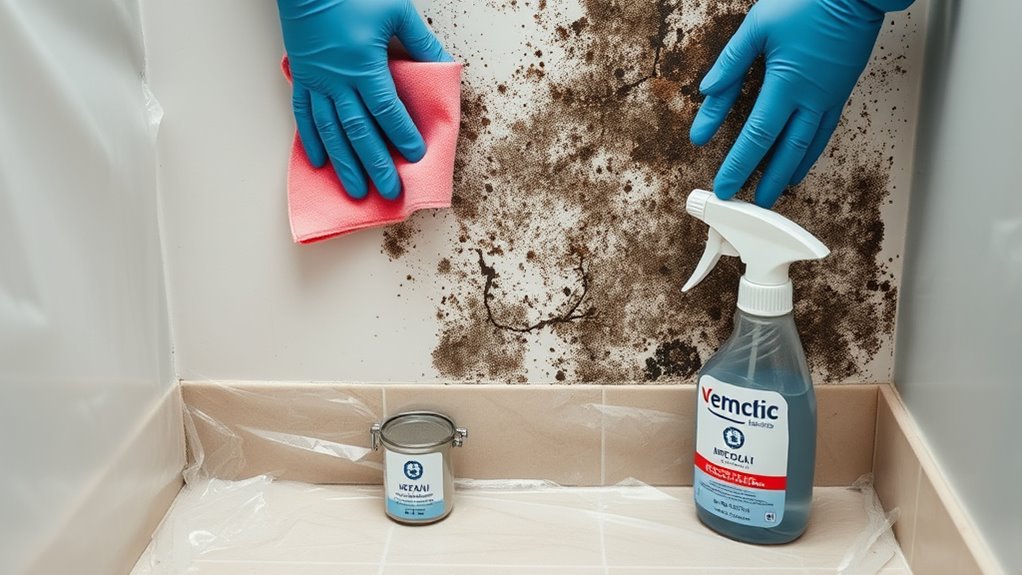
As you clean mold, it’s essential to contain the spores to prevent them from spreading throughout your home. Begin by setting up containment barriers around the affected area using plastic sheeting. This helps isolate the mold and keeps spores from traveling to other rooms. Make sure to seal off doors and vents, too. While you work, use a high-efficiency particulate air (HEPA) filter in your air filtration system to capture airborne spores. It’s also a good idea to wear a mask designed for mold protection, ensuring you minimize inhalation of any particles. By taking these steps, you’ll create a safer cleaning environment and considerably reduce the risk of mold contamination elsewhere in your home.
Post-Cleaning Inspection and Prevention

After you’ve completed the mold cleaning process, conducting a thorough inspection is essential to guarantee your home is mold-free. Use this post cleaning checklist to ensure you’ve covered all bases and to help with mold reinfestation prevention:
- Check for Residual Mold: Inspect all cleaned areas for any signs of leftover mold or discoloration.
- Assess Humidity Levels: Use a hygrometer to confirm humidity levels are below 60%. High humidity can lead to mold growth.
- Seal Off Vulnerable Areas: Identify and seal any cracks or leaks that could allow moisture buildup.
When to Call in Professionals

While tackling mold on your own can be effective for small infestations, there are situations where calling in professionals becomes necessary. If you notice extensive damage, such as mold spreading behind walls or into your HVAC system, it’s time to seek help. Professionals have specialized equipment to safely remove mold and prevent it from returning.
| Warning Sign | Action Needed |
|---|---|
| Extensive Damage | Call professionals immediately |
| Visible Mold Growth | Assess the severity |
| Recurring Mold Issues | Investigate underlying causes |
| Health Concerns | Seek professional evaluation |
Don’t hesitate to reach out for expert assistance when the problem exceeds your capabilities. Your health and home deserve the best care.
Maintaining a Mold-Free Environment
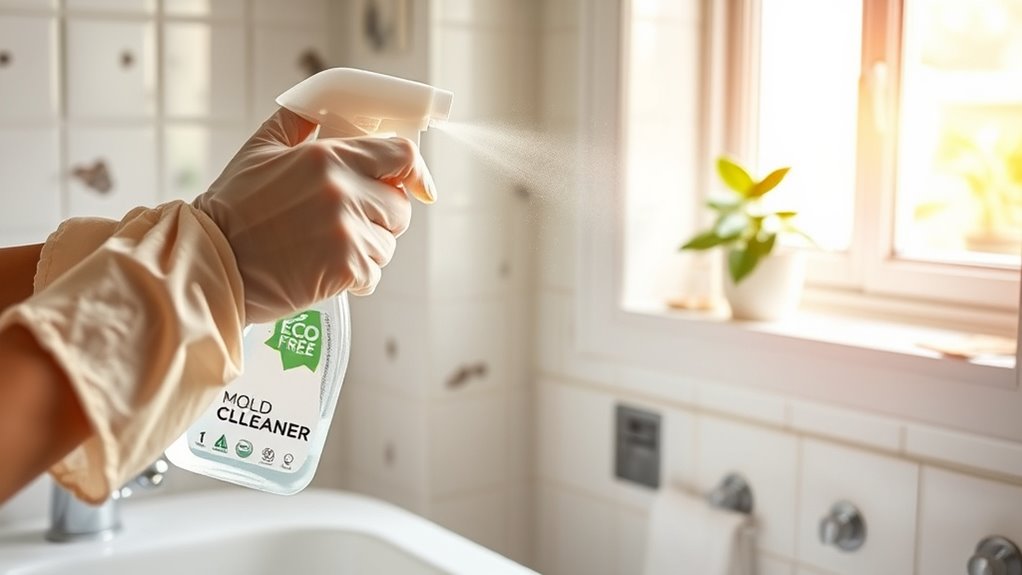
To maintain a mold-free environment, you need to be proactive in controlling moisture levels and ensuring proper ventilation throughout your home. Here are three essential steps to enhance air circulation and boost mold resistance:
- Use Dehumidifiers: Keep humidity levels below 50% to prevent mold growth. Dehumidifiers help remove excess moisture, especially in basements and bathrooms.
- Ventilate Properly: Open windows and use exhaust fans in kitchens and bathrooms. This encourages air circulation, reducing stagnant moisture.
- Inspect for Leaks: Regularly check for plumbing leaks and roof issues. Fixing these promptly keeps your home dry and less susceptible to mold.
Frequently Asked Questions
Can I Use Bleach to Kill Mold Effectively?
You can use bleach to kill mold, but it’s not always the most effective solution. While it may work on non-porous surfaces, it can’t penetrate porous materials like drywall. Instead, consider DIY remedies like vinegar or hydrogen peroxide, which can be safer and just as effective. Many household cleaners also target mold without harsh chemicals. Always guarantee good ventilation and wear protective gear when tackling mold in your home.
What Types of Mold Are Most Common in Homes?
Imagine your home as a garden, where some plants thrive in the shade while others prefer the sun. In your house, common molds like Aspergillus, Cladosporium, and Stachybotrys thrive in damp corners. To keep these unwelcome guests at bay, focus on mold prevention by controlling indoor humidity. Aim for a level below 50%, and ventilate areas prone to moisture, like bathrooms and kitchens. This way, you create an inhospitable environment for mold.
How Can I Tell if Mold Is Toxic or Non-Toxic?
To tell if mold is toxic or non-toxic, you should conduct mold testing. This testing can identify the specific type of mold present in your home. Generally, Stachybotrys chartarum, or black mold, is considered toxic, while other molds may not pose significant health risks. If you notice health symptoms like respiratory issues or allergic reactions, it’s wise to consult a professional for further evaluation and potential remediation.
Will Painting Over Mold Prevent It From Returning?
Painting over mold might seem like a quick fix, but it’s like putting a band-aid on a leaking pipe. While the paint can cover the mold temporarily, it won’t address the underlying moisture issue, allowing mold to return. Instead, focus on mold prevention techniques, like fixing leaks and improving ventilation. Once you’ve eliminated the mold and its source, then you can paint, ensuring your home stays healthy and mold-free.
Can Mold Grow in My HVAC System?
Yes, mold can definitely grow in your HVAC system if it’s not properly maintained. Stagnant water and dust can create a perfect breeding ground. To prevent this, you need regular HVAC maintenance, including cleaning ducts and replacing air filters. Good air filtration is essential to keep mold spores out of your home. By staying proactive with these steps, you can markedly reduce the risk of mold developing in your HVAC system.
Conclusion
By taking the right steps to clean mold safely, you’re not just battling an unwelcome guest; you’re reclaiming your home’s health and comfort. Remember, a clean space is like a gust of fresh air, invigorating and revitalizing. With the right techniques and precautions, you can keep your environment mold-free and protect your loved ones. Stay vigilant, regularly inspect for moisture, and don’t hesitate to seek help when needed. Your home deserves to be a safe haven.