Microplastics are tiny plastic particles less than five millimeters that settle into your household dust. They come from synthetic fabrics, plastic packaging, and everyday household items that shed fibers and break down over time. You might breathe in these particles unknowingly, which could potentially cause respiratory issues, especially if you have allergies or children. Regular cleaning helps, but microplastics can persist. To learn how to reduce your exposure, keep exploring what you can do at home.
Key Takeaways
- Microplastics are tiny plastic particles under five millimeters, commonly found in household dust from synthetic textiles and plastic items.
- They originate from shedding fibers during washing, wear and tear of household plastics, and the breakdown of larger plastic debris.
- Inhalation of microplastics from dust can cause respiratory issues, especially affecting children, allergy sufferers, and those with asthma.
- Microplastics tend to accumulate in indoor dust over time, creating persistent contamination despite regular cleaning.
- Using HEPA filters, choosing natural materials, and reducing plastic use help minimize microplastic presence in household environments.

Microplastics, tiny plastic particles less than five millimeters in size, are increasingly found in household dust, often without you realizing it. These particles come from a variety of sources, including synthetic clothing fibers, plastic packaging, and household items like cleaning supplies and personal care products. As you go about your daily routines, these microscopic fragments are shed into the air and settle onto surfaces, becoming part of the dust you clean regularly. While it might seem harmless, the presence of microplastics in your home can have implications for your health and the environment.
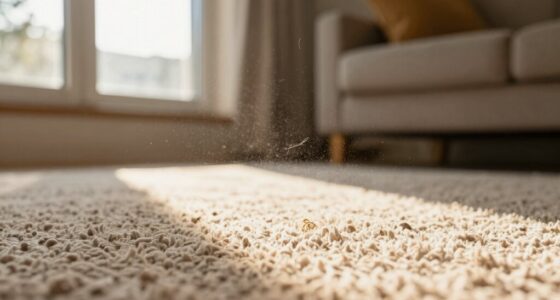
You might not see microplastics with your naked eye, but they’re there, embedded within the dust that accumulates on your furniture, carpets, and even your bedding. These tiny particles are lightweight and easily become airborne, which means you can breathe them in without even realizing it. Over time, inhaling microplastics could lead to respiratory issues or inflammation, especially if you have allergies or asthma. Children are particularly vulnerable because they tend to spend more time on the floor and put their hands in their mouths, increasing the chances of ingesting or inhaling these particles.
The sources of microplastics in household dust are widespread. Synthetic textiles like polyester, nylon, and acrylic shed fibers with each wash, and these fibers don’t break down easily. When you wash clothes made from these materials, tiny fibers escape into the water and air, eventually settling as dust. Plastic packaging, disposable containers, and even certain household items like shower curtains and furniture coverings release microplastics over time through wear and tear. Additionally, the breakdown of larger plastic items, such as plastic bags and bottles, contributes to the microplastic load in your home environment.
Research indicates that microplastics can accumulate in household dust over time, creating a persistent contamination cycle. Regular cleaning helps reduce dust levels but doesn’t eliminate microplastics entirely, since they continually shed from household materials. Using HEPA filters and opting for natural, non-synthetic products can cut down on the amount of microplastics released into your environment. Being mindful of the products you bring into your home, especially those made from plastics, can also make a difference. Reducing plastic consumption and choosing natural fibers for clothing and furnishings are practical steps you can take to limit your exposure.

Purivortex Air Purifiers for Bedroom, Covers Up to 880 Sq Ft, PX500 Black
- Covers Large Areas: Covers up to 880 sq ft
- Fast Air Purification: Purifies a 215 sq ft room in 15 min
- High-Efficiency Filtration: Removes 99.97% of pollutants
As an affiliate, we earn on qualifying purchases.
As an affiliate, we earn on qualifying purchases.
Frequently Asked Questions
How Do Microplastics Enter Household Dust Sources?
Microplastics enter household dust mainly through wear and tear of plastic items like clothing, furniture, and packaging. When you use or wash these items, tiny plastic particles are released into the air and settle as dust. Additionally, outdoor microplastics can be brought inside on shoes, clothes, or pets. Over time, these particles accumulate in your home, becoming part of the dust you see daily.
Are Certain Household Items More Likely to Release Microplastics?
Yes, certain household items are more likely to release microplastics. You’ll find that synthetic textiles like fleece and polyester shed fibers easily, especially during washing or wear. Plastic containers, cleaning products with microbeads, and synthetic carpets also release microplastics into your dust. Regular cleaning, using natural fibers, and avoiding products with microbeads can help reduce your exposure to these tiny particles in your home.
What Are the Health Risks Associated With Inhaling Microplastics?
Imagine tiny particles drifting into your lungs like dust motes in a sunbeam. Inhaling microplastics may cause respiratory issues, inflammation, or irritation, especially if particles accumulate over time. Some studies suggest they could carry harmful chemicals or pathogens, posing long-term health risks. While research is ongoing, it’s wise to reduce dust exposure by cleaning regularly and improving ventilation to protect your lungs from these microscopic invaders.
Can Microplastics in Dust Be Completely Eliminated?
You can’t completely eliminate microplastics in household dust, but you can reduce their presence considerably. Regular cleaning, using HEPA filters, and minimizing plastic use help lower dust contamination. Ventilate your home often and keep surfaces clean to limit dust buildup. While total removal isn’t realistic, these steps make a noticeable difference in reducing your exposure and improving indoor air quality. Stay proactive to protect your health as much as possible.
How Often Should Households Clean to Reduce Microplastic Accumulation?
You should clean your home at least once a week to effectively reduce microplastic buildup. Regular dusting and vacuuming, especially using HEPA filters, help trap tiny particles before they settle and accumulate. Pay special attention to high-traffic areas and soft furnishings, as these tend to harbor more dust. Consistent cleaning minimizes your exposure to microplastics, keeping your indoor environment healthier and less prone to long-term contamination.
As an affiliate, we earn on qualifying purchases.
Conclusion
Now that you know about microplastics in household dust, it’s clear they pose a containable concern. By cleaning conscientiously, ventilating vigorously, and being mindful of materials, you can considerably reduce this risk. Don’t dismiss the danger; instead, decide to defend your dwelling from the dirty, dispersed, and formidable presence of microplastics. Take control, curb contamination, and create a cleaner, safer space—because your health depends on the habits you harness today.

MoKo 400x300mm DIY PC Case Dust Mesh Fan Filter, 1mm Hole, 2 PCS, Black
- Size: 400 x 300mm DIY filter
- Magnetic Strips: Includes 8 x 400mm magnetic strips
- Easy Installation: Magnetic attachment for easy setup
As an affiliate, we earn on qualifying purchases.
As an affiliate, we earn on qualifying purchases.

SCRUBIT Scouring Pads – Heavy Duty Scrub Pads for Cleaning Dishes – Non-Scratch – Reusable – Green (50, Green)
- Durable and Reusable: Heavy-duty, long-lasting scrub pads
- Non-Scratch Surface: Safe for all dishware and surfaces
- Premium Quality Material: Made from resilient synthetic fibers
As an affiliate, we earn on qualifying purchases.
As an affiliate, we earn on qualifying purchases.