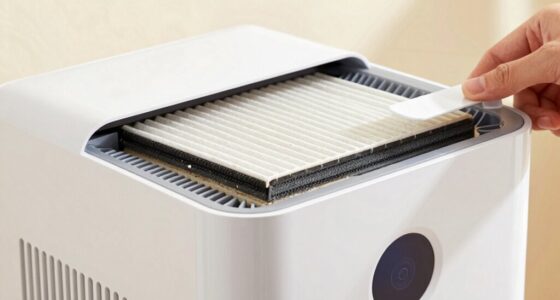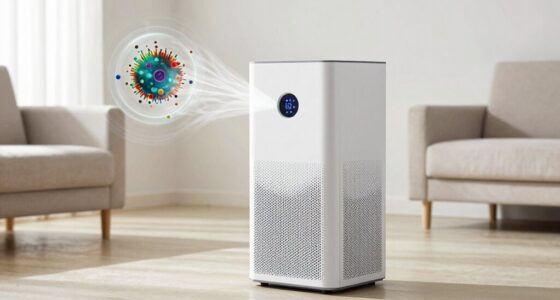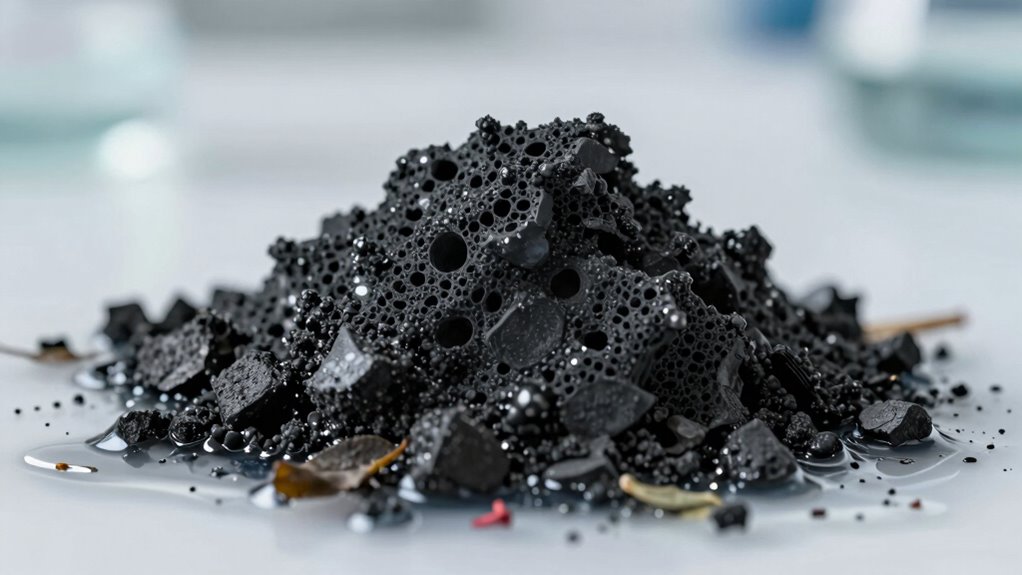

Activated carbon’s great for removing odors, chlorine, and volatile organic compounds (VOCs) from air and water. It efficiently adsorbs pesticides and enhances overall quality. However, it has limitations: it won’t remove heavy metals, microorganisms, or dissolved inorganic salts. Plus, it requires regular maintenance to stay effective. It’s often used with other methods for thorough purification. If you’re curious about how to optimize your filtration setup, there’s plenty more to explore.
Open a free Amazon Business account
Business pricing, bulk buying and tax-exempt orders.
As an affiliate, we earn on qualifying purchases.
Key Takeaways
- Activated carbon effectively removes chlorine, VOCs, odors, and some pesticides from air and water through its high surface area and pore structure.
- It is less effective against heavy metals, microorganisms, and dissolved inorganic salts, which require alternative filtration methods.
- The saturation of activated carbon limits its adsorption capabilities over time, necessitating regular replacement or regeneration.
- It cannot remove certain resistant pesticides and herbicides, highlighting the need for combined filtration approaches for comprehensive purification.
- Activated carbon is commonly used in household purifiers and industrial applications, but it should not be relied on as the sole filtration method.
The Science Behind Activated Carbon
Activated carbon, while often used for its filtering properties, relies on a fascinating scientific principle: its incredible surface area. This material’s unique pore structure creates countless tiny spaces, maximizing its ability to adsorb various substances. When pollutants come into contact with activated carbon, different adsorption mechanisms kick in, effectively trapping contaminants within those pores. The surface area allows for more interaction between the carbon and the adsorbate, enhancing its effectiveness. By understanding these processes, you can appreciate why activated carbon is a popular choice for filtration. Additionally, it can help mitigate odors, such as those from ear wax odor, making it useful in air treatment applications. The ability of activated carbon to remove harmful substances is well-documented, showcasing its importance in promoting health and wellbeing. Furthermore, its role in smart home technology demonstrates how integrated filtration systems can enhance indoor air quality and overall living conditions. As a versatile material, activated carbon can also be utilized in home cinema projectors to reduce unwanted noise and enhance the overall viewing experience. Recent innovations in European cloud servers have also explored the integration of activated carbon solutions to enhance energy efficiency and sustainability in data centers.
Contaminants Effectively Removed by Activated Carbon
What types of contaminants can activated carbon remove? Activated carbon’s porous structure makes it highly effective at trapping a variety of pollutants. For instance, it excels in pesticide removal, ensuring that harmful residues from agricultural chemicals don’t linger in your water or air. It also tackles volatile organic compounds (VOCs), which often contribute to unpleasant odors. You’ll notice a significant improvement in odor control when you use activated carbon in your home or workplace, as it absorbs the molecules responsible for bad smells. Additionally, activated carbon can help in removing certain contaminants like essential oils that may contribute to unwanted odors. Beyond that, it can eliminate chlorine, heavy metals, and certain pharmaceuticals, making it a versatile choice for enhancing air and water quality. Moreover, effective filtration is crucial for maximizing the performance of activated carbon systems. Furthermore, it is important to consider sizing and load-planning tools when determining the best filtration system for your needs. Proper ventilation is also vital in maintaining the efficacy of your filtration setup. Additionally, activated carbon can be utilized in conjunction with necessary cookies to ensure a secure and effective filtration process. With activated carbon, you’re investing in a cleaner, safer environment.
Limitations of Activated Carbon in Filtration
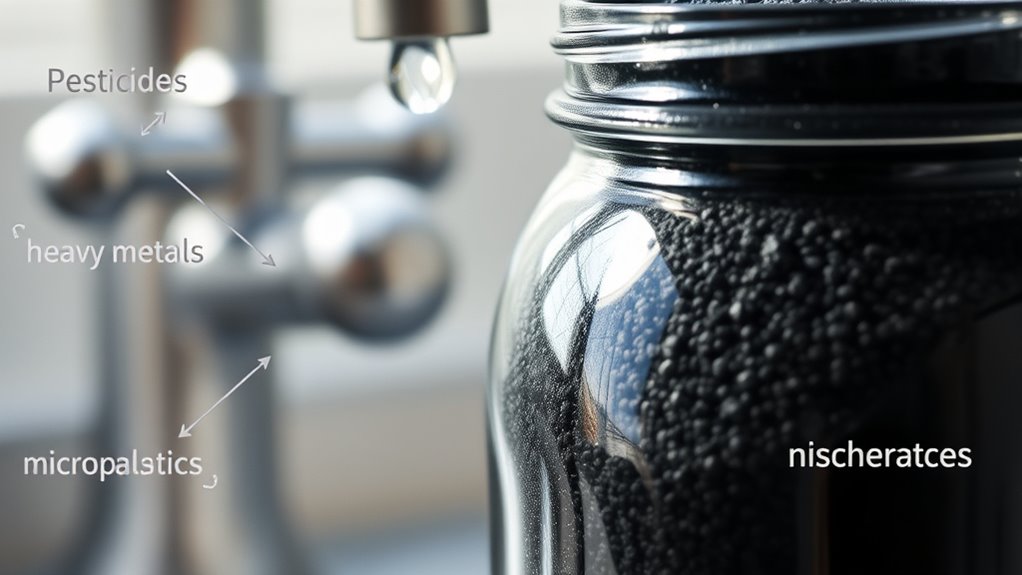
How effective can activated carbon be in certain situations? While it excels in removing specific contaminants, it has its limitations. Activated carbon works through adsorption, but it has adsorption limits, meaning it can only hold so much before becoming saturated. Additionally, it faces chemical restrictions; not all substances bind effectively to carbon, particularly inorganic compounds and heavy metals. Understanding the role of air purifiers in enhancing air quality can also provide valuable insights into effective filtration methods. Many consumers are drawn to water parks that offer unique experiences, much like how activated carbon offers specialized filtration for certain contaminants. Moreover, recognizing the importance of networking in voiceover can help you connect with others in the filtration industry. Regular maintenance is crucial to ensure optimal performance and longevity of activated carbon filters. Furthermore, integrating robot vacuums that utilize advanced filtration methods can greatly enhance your overall cleaning efficiency.
Here’s a quick overview of these limitations:
| Limitation | Description | Examples |
|---|---|---|
| Adsorption Limits | Can become saturated | VOCs, odors |
| Chemical Restrictions | Ineffective for certain compounds | Heavy metals, nitrates |
| Maintenance Needs | Requires regular replacement | Frequency varies by use |
Understanding these limitations helps you choose the right filtration method for your needs.
Applications of Activated Carbon in Everyday Life

While activated carbon has its limitations in filtration, it remains a versatile tool in various applications across everyday life. In your home, you can find activated carbon in air and water purifiers, effectively reducing odors and contaminants for better household purification. Its ability to trap impurities makes it an essential component in many products, from refrigerators to fish tanks. Additionally, quiet inverter generators can be used for powering these purifiers during outages, ensuring continuous filtration. The use of activated carbon also aligns with the themes of positivity and warmth found in uplifting music, as it contributes to a healthier living environment. Furthermore, its effectiveness in reducing contaminants parallels the importance of emotional regulation in managing mental health conditions like BPD. Furthermore, activated carbon’s role in water filtration systems highlights its essential function in maintaining clean and safe drinking water.
In industrial use, activated carbon plays a pivotal role in processes like wastewater treatment and air pollution control. It captures harmful chemicals and pollutants, ensuring a safer environment. Whether you’re using it in your daily routine or in larger-scale operations, activated carbon offers effective solutions for both personal and industrial needs. Its adaptability makes it an invaluable resource. Additionally, it’s important to remember that boiling water for at least 1 minute effectively purifies it, which complements the use of activated carbon in water filtration systems.
Alternative Filtration Methods to Consider

When exploring ways to purify air and water, you might consider several alternative filtration methods that can complement or even replace activated carbon. Here are three options that could suit your needs:
- Reverse Osmosis: This method uses a semi-permeable membrane to remove contaminants through chemical reactions, offering high purification levels.
- UV Light Filtration: Ultraviolet light effectively kills bacteria and viruses without chemicals, making it a great option for safe drinking water.
- Mechanical Filters: These use physical barriers to trap particles and require regular filter maintenance to ensure efficiency.
Each of these methods has unique benefits and potential drawbacks, so weigh your options carefully to find the best fit for your purification needs.
Frequently Asked Questions
How Long Does Activated Carbon Last Before Needing Replacement?
Activated carbon typically lasts between two to six months before needing replacement. Its lifespan depends on factors like usage, water quality, and the amount of contaminants it absorbs. If you notice a change in taste or odor, or if it’s been a while since you replaced it, it’s time to swap it out. Regular maintenance guarantees your system works effectively, so keep track of your replacement frequency for peak performance.
Is Activated Carbon Safe for Aquariums and Fish?
Absolutely, activated carbon’s safe for your aquarium and fish. Think of it as a cozy blanket, keeping your aquatic environment clean and healthy. It helps remove impurities, which is essential for maintaining fish health during your aquarium maintenance routine. Just make sure to rinse it before use to eliminate dust and debris, and replace it regularly for peak performance. Your fish will thrive in a well-balanced habitat, thanks to your efforts!
Can Activated Carbon Filter Out Heavy Metals?
Activated carbon isn’t very effective for heavy metal filtration. It primarily works through chemical adsorption, binding organic compounds and some pollutants, but heavy metals like lead or mercury often don’t bond well with it. If you’re looking to remove heavy metals from your water, you might need a different filtration method, such as reverse osmosis or specialized ion exchange resins. So, don’t rely solely on activated carbon for heavy metal removal.
How Should Activated Carbon Be Stored for Effectiveness?
To keep activated carbon as fresh as a daisy, store it in a cool, dry place, away from sunlight and moisture. Use airtight containers to maintain its effectiveness and prevent contamination. Follow storage guidelines closely to guarantee a long shelf life, ideally under a year for peak performance. If you notice any clumping or discoloration, it’s time to replace it. Proper storage can make all the difference in its filtration abilities!
Does Activated Carbon Remove Odors From the Air?
Yes, activated carbon effectively removes odors from the air, making it a great choice for air purification. When you use it, the carbon attracts and traps particles responsible for unpleasant smells, leading to noticeable odor elimination. This process helps create a fresher indoor environment. Just remember to replace your activated carbon regularly to maintain its effectiveness, ensuring it continues to tackle those unwanted odors efficiently. You’ll enjoy cleaner, more breathable air in no time!
Conclusion
In the world of filtration, activated carbon shines with its ability to capture odors, absorb chemicals, and purify water. Yet, it can’t tackle every contaminant, leaving some substances untouched. So, while you embrace the benefits of activated carbon, remember its limits. Explore alternatives like reverse osmosis or UV treatment for an all-encompassing solution. Together, they form a powerful trio, ensuring your water is not just clear, but truly clean, safeguarding your health and enhancing your everyday life.
NFL season / tailgating Picks
team gear
As an affiliate, we earn on qualifying purchases.