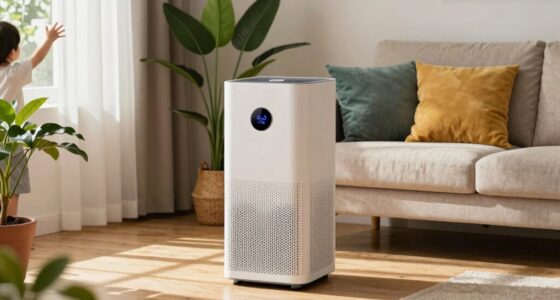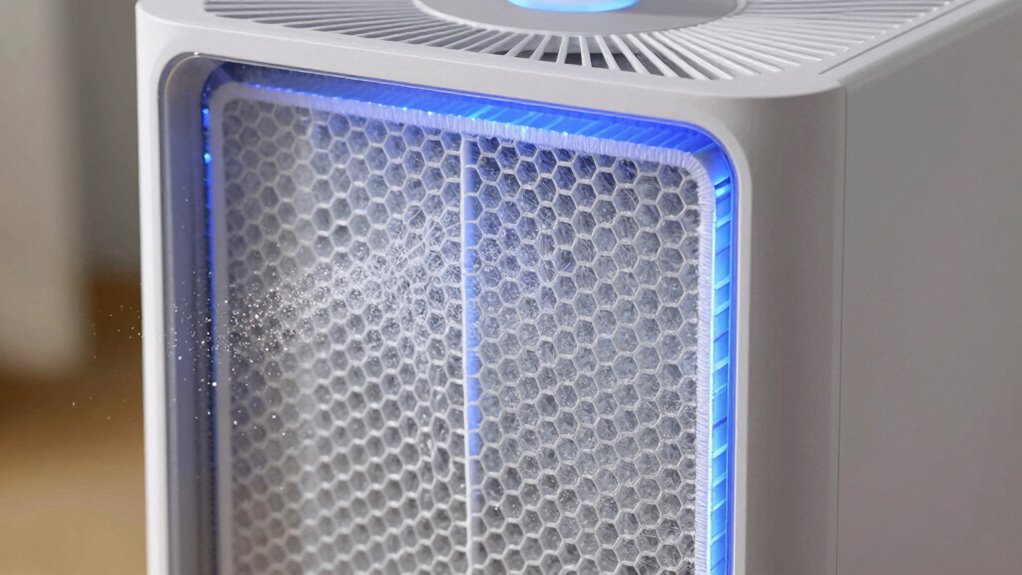
Electrostatic filters can be helpful if you want an energy-efficient way to trap dust, pollen, and fine particles in your home. They use static electricity to attract airborne particles to charged fibers, which can improve indoor air quality when maintained properly. However, their effectiveness depends on the quality of the filter and regular cleaning, as performance declines when fibers become coated. To get the most out of these filters, understanding their true capabilities is essential—there’s more to contemplate before making your choice.

Get health and wellness essentials delivered free with Prime
- Fast, free delivery on millions of items
- Prime Video, Amazon Music and more included
- Member-only deals all year
Key Takeaways
- Electrostatic filters effectively trap small airborne particles using static electricity, improving indoor air quality.
- They are reusable and energy-efficient but require regular cleaning to maintain performance.
- Their effectiveness diminishes over time as fibers become coated with particles, reducing static charge.
- They may emit ozone, which can pose health concerns if not properly designed or maintained.
- For maximum filtration, especially against tiny particles, HEPA filters are often more reliable than electrostatic options.
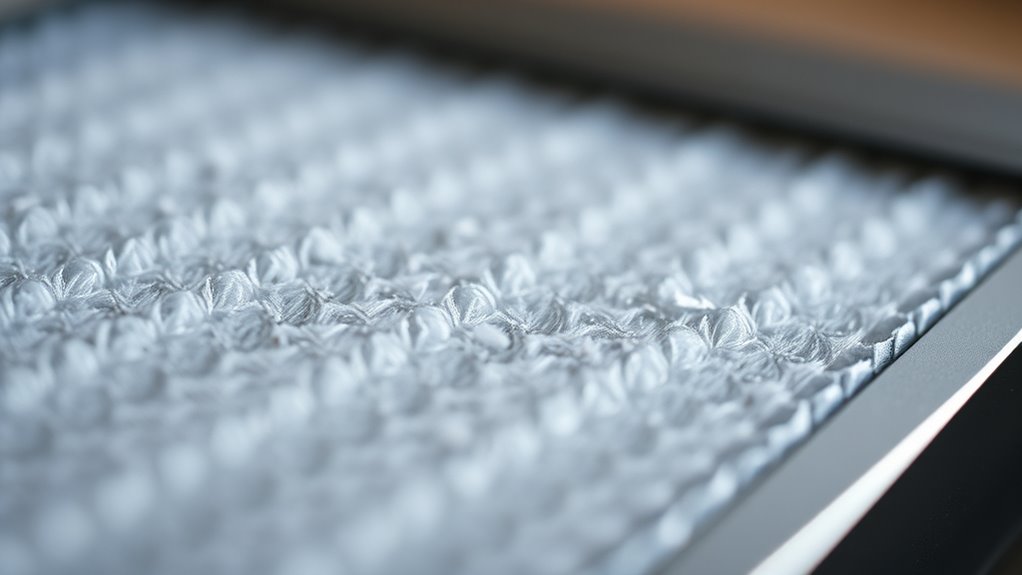
Electrostatic filters are an effective way to improve indoor air quality by capturing airborne particles using static electricity. When air passes through the filter, tiny particles such as dust, pollen, pet dander, and smoke are attracted to the charged fibers. This mechanism allows these filters to trap more particles than traditional filters of similar thickness, making them appealing for those seeking cleaner indoor air. You might notice that electrostatic filters often claim to be more energy-efficient because they can operate effectively at lower airflow rates, which reduces strain on your HVAC system. Additionally, many electrostatic filters are washable and reusable, offering a cost-effective alternative to disposable filters over time. Understanding the filtration mechanism behind electrostatic filters can help you make a more informed choice about their suitability for your needs.
However, it’s crucial to understand how these filters work to determine if they’ll meet your needs. The static charge generated within the filter attracts particles and keeps them adhered to the fibers. This process is most effective with smaller particles like bacteria and fine dust, which are harder to remove with standard filters. Because of this, electrostatic filters are often marketed as being capable of improving air quality considerably. Yet, their efficiency can vary depending on the specific design and quality of the filter you choose. Cheaper models may not generate enough static charge to trap smaller particles effectively, which could lead to less noticeable improvements in air purity.
While they do have advantages, electrostatic filters are not a cure-all. Their performance can diminish over time as the fibers become coated with trapped particles, reducing their ability to hold a static charge. Regular cleaning or replacement is necessary to maintain their effectiveness. Also, some electrostatic filters produce ozone as a byproduct, which can be problematic for people with respiratory sensitivities or asthma. If you’re concerned about ozone, look for filters specifically designed to minimize or eliminate ozone emissions.
Ultimately, electrostatic filters can be helpful, especially if you need a reusable option that performs well at capturing fine particles. They work best in environments with moderate dust levels and where the filter can be maintained properly. But if you’re after the absolute highest filtration efficiency, particularly for very small particles or allergens, you might want to think about other high-efficiency options like HEPA filters. In the end, whether electrostatic filters are helpful or just hype depends on your specific indoor environment, your health concerns, and your willingness to maintain the filter regularly.
electrostatic air filter for HVAC
As an affiliate, we earn on qualifying purchases.
As an affiliate, we earn on qualifying purchases.
Frequently Asked Questions
Do Electrostatic Filters Remove Viruses Effectively?
Electrostatic filters can remove viruses, but their effectiveness varies. They generate charged particles that attract and trap airborne contaminants, including some viruses. However, they aren’t foolproof and may not capture all tiny viral particles, especially if the filter isn’t maintained properly. You should combine electrostatic filters with other air purification methods for better protection, especially during flu seasons or outbreaks. Regular cleaning and timely replacement are essential for peak performance.
How Do Electrostatic Filters Compare to HEPA Filters?
Imagine a gentle force field catching particles as you breathe— that’s how electrostatic filters compare to HEPA filters. HEPA filters trap 99.97% of particles, including viruses, in dense fibers, acting like a fine net. Electrostatic filters use static electricity to attract particles, which is effective but less consistent. While HEPA filters offer superior filtration, electrostatic filters are often more affordable and easier to maintain, making them a practical choice.
Are Electrostatic Filters Safe for People With Allergies?
Yes, electrostatic filters are generally safe for people with allergies. They use static electricity to trap airborne particles, including pollen, dust, and pet dander, which can help reduce allergy symptoms. However, some electrostatic filters produce ozone as a byproduct, which might irritate sensitive individuals. To stay safe, choose filters certified to produce low or no ozone, and replace them regularly to maintain their effectiveness and air quality.
How Often Should Electrostatic Filters Be Replaced?
Think of your electrostatic filter as a diligent guard dog—loyal but needing care to stay effective. You should replace it every 3 to 6 months, depending on usage and air quality. Regular changes ensure it continues to trap particles efficiently and protect your home environment. Keep an eye on its appearance and performance, and don’t wait too long—like any dog, it requires fresh energy to do its best job.
Can Electrostatic Filters Cause Static Electricity Issues?
Yes, electrostatic filters can sometimes cause static electricity issues. As they trap particles, they can generate a small static charge, especially in dry environments. This static may lead to mild shocks or static buildup around your home. To minimize this, guarantee proper humidity levels and regularly maintain the filter. Using ionizers or anti-static sprays can also help reduce static electricity caused by electrostatic filters.
reusable electrostatic air filter
As an affiliate, we earn on qualifying purchases.
As an affiliate, we earn on qualifying purchases.
Conclusion
Electrostatic filters can be a powerful tool in your air quality arsenal, but don’t view them as a magic bullet. Like a sturdy fence around your home, they help keep out unwanted particles, yet some sneaky pollutants might still slip through. Consider them part of a broader defense strategy—combine with good ventilation and regular maintenance. When used wisely, these filters can be your loyal guardians, but relying solely on them is like counting on a single shield in a battle.
HEPA vs electrostatic air filter
As an affiliate, we earn on qualifying purchases.
As an affiliate, we earn on qualifying purchases.
ozone-free electrostatic air filter
As an affiliate, we earn on qualifying purchases.
As an affiliate, we earn on qualifying purchases.
Cold & flu season Picks
humidifiers
As an affiliate, we earn on qualifying purchases.