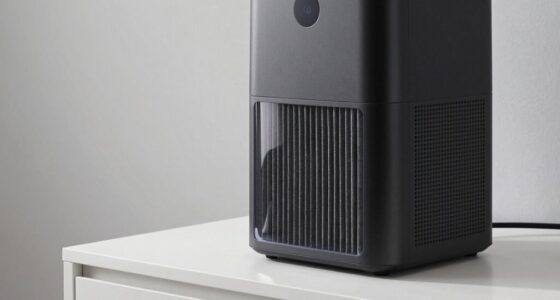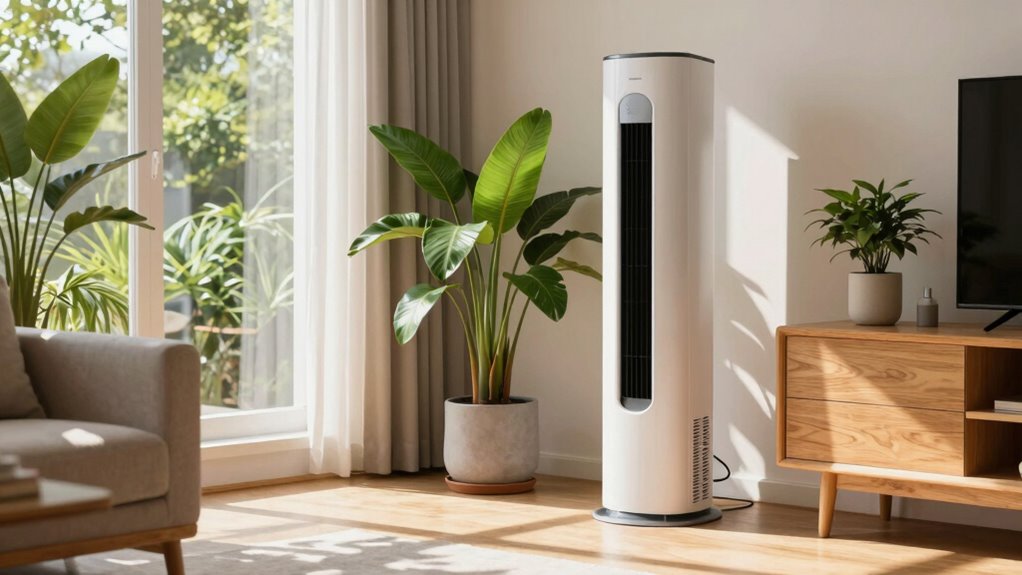

To maximize your air cleaner’s effectiveness, place it in a central location away from walls and furniture to guarantee proper airflow. For bedrooms, position it near your bed to reduce allergens while minimizing noise. In kitchens, locate it near cooking areas to combat smoke and odors. For larger rooms, keep it near pollution sources. Adjust its placement based on seasonal changes for the best air quality. Want to know more tips on placement and maintenance?
Key Takeaways
- Position the air cleaner centrally in the room to optimize airflow and coverage across the entire space.
- Keep the unit at least a few feet away from walls, furniture, and corners to prevent airflow obstruction.
- Elevate the air cleaner on tables or shelves for improved air circulation and pollutant capture.
- Place the unit near high-traffic areas or pollution sources, such as kitchens and living rooms, for maximum effectiveness.
- Regularly reassess and adjust placement based on seasonal changes and room layout to maintain optimal air quality.

LEVOIT Air Purifier for Home Allergies and Pets Hair Smokers in Bedroom, H13 True HEPA Filter, 24db Filtration System Cleaner Odor Eliminators, Remove 99.97% Dust Smoke Mold Pollen, Core 300, White
- AHAM Verified for Performance: Independently tested for air quality and efficiency
- Powerful Filtration System: 56W motor with 143 CFM CADR
- Effective for Large Rooms: Cleans 222 sq ft 4.8 times/hour
As an affiliate, we earn on qualifying purchases.
Understanding the Importance of Air Cleaner Placement
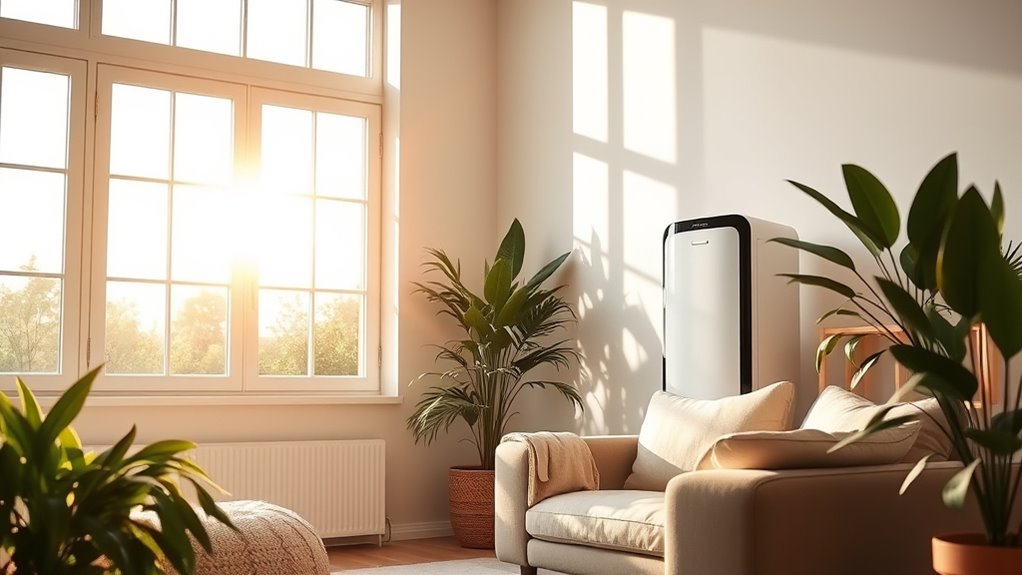
When you consider the quality of air in your home, the placement of your air cleaner can make all the difference. Proper positioning enhances its efficiency, helping you breathe easier and live healthier. Think about air quality indicators; if your purifier’s not in the right spot, it might not capture pollutants effectively. Regular air purifier maintenance is vital, but ideal placement is equally important. You wouldn’t want to hide it in a corner or behind furniture, as that restricts airflow and circulation. Instead, choose a central location where it can access and filter air from all areas. By doing this, you’re ensuring your investment works to its full potential, providing you with cleaner air and a more comfortable living space. Additionally, consider how lighting control can also impact the overall effectiveness of air cleaners, as it contributes to a healthier environment. Proper air purifier placement is crucial for maximizing its ability to remove allergens and pollutants from your indoor air. Optimizing the filtering process through strategic placement can significantly enhance the air cleaner’s performance in your home. Moreover, positioning your air cleaner in a well-ventilated area can improve its ability to filter out pollutants from the air, ensuring it captures more contaminants efficiently. Furthermore, enhancing your home with landscaping can promote better air quality, as plants help filter toxins and improve overall environment.

MOOKA Air Purifier for Bedroom Home Dorm 430 Ft², Compact HEPA Air Cleaner
- True HEPA Filter with 360° Air Intake: Removes dust, smoke, pollen, pet dander
- Compact & Portable Design: Powered via USB for versatile use
- Universal Voltage Compatibility: Works with 110-240V power sources
As an affiliate, we earn on qualifying purchases.
Optimal Locations in Living Areas

When you’re choosing where to place your air cleaner, think about high traffic areas like living rooms or hallways. Make sure it’s not too close to walls, as this can restrict airflow. Elevating the unit can also enhance its effectiveness, helping you breathe cleaner air throughout your space. Additionally, integrating smart appliances that can monitor air quality and adjust the cleaner’s settings automatically for optimal performance is a great way to ensure ongoing efficiency. Understanding filtration systems can also help you choose the right air cleaner for your specific needs. Furthermore, utilizing air quality indicators can provide real-time feedback on the effectiveness of your air cleaner. Placing the unit near heat distribution sources, such as radiators or vents, can improve its ability to circulate purified air throughout the room. Consider using an air cleaner that includes antimicrobial properties to further enhance your indoor air quality.
Near High Traffic Areas
Where’s the best place to set up your air cleaner in a busy living area? Position it near high traffic areas, like living rooms or hallways, where people frequently gather. This setup maximizes airflow, capturing dust, allergens, and odors effectively. Additionally, many smart home technologies integrate air quality monitoring to help you track the effectiveness of your air cleaner. Regularly using connected equipment can further enhance your air quality management. Remember, regular air purifier maintenance is vital for peak performance. Check your filters often and follow these filter replacement tips: replace them every 3 to 6 months, or sooner if you notice a decrease in air quality. By keeping your air cleaner close to busy spots, you ensure cleaner air for everyone, making your space more inviting and healthier. Moreover, incorporating vintage design elements can complement modern air cleaning technologies, creating a harmonious aesthetic. Additionally, a well-placed air cleaner contributes to creating a healthier environment, which is essential for promoting overall well-being. Caregivers should prioritize compassionate senior caregiving to ensure that older adults benefit from cleaner air and improved health outcomes. So, don’t underestimate the power of placement—it’s key to maintaining a fresh environment.
Away From Walls
To optimize your air cleaner’s effectiveness, place it away from walls and corners. Keeping your air cleaner at a distance from wall proximity allows it to draw in more air, promoting better circulation. Corner placement can substantially hinder airflow, making your unit less efficient.
- Ensure there’s at least a few feet of space around your air cleaner.
- Consider placing it in the center of the room for maximum air movement, particularly for better airflow in all directions. Additionally, a well-placed air cleaner can enhance indoor air quality by ensuring that pollutants are effectively removed from the environment.
- Regularly check that furniture or other obstacles aren’t blocking its path.
Additionally, proper air circulation is crucial for maintaining a healthy indoor environment. A well-placed air cleaner can significantly improve sleep quality by reducing allergens and pollutants that disrupt rest. Moreover, maintaining good indoor air quality requires consistent airflow throughout your living space, allowing the air cleaner to function at its best.
Elevated Surfaces Preferable
Placing your air cleaner on elevated surfaces can considerably enhance its performance in living areas. Many air purifier myths suggest that placement doesn’t matter, but that’s far from true. When you set your air purifier on a table or shelf, it can more effectively circulate clean air throughout the room. This is especially important when comparing portable vs stationary models; portable units benefit markedly from being elevated, as they can draw in more air from different angles. Additionally, positioning your air cleaner higher allows it to tackle airborne pollutants more efficiently, leading to better air quality. Furthermore, temperature control is essential for maximizing the efficiency of various air cleaning technologies. Moreover, using an elevated position for your air cleaner can help optimize its performance in line with energy-efficient cloud servers, ensuring you make the most of your investment in air quality. Similarly, considering the impact of market trends can help you understand how external factors influence indoor air quality. So, if you want your air cleaner to work its best, consider an elevated spot for ideal results.

Levoit Air Purifiers for Bedroom Home Pets Dorm Room, Small Air Purifiers
- Certified for Performance and Safety: AHAM Verified for reliability
- Removes Pollutants Effectively: Filters lint, pet dander, smoke
- Reduces Odors and Fumes: Neutralizes smoke and household odors
As an affiliate, we earn on qualifying purchases.
Bedrooms: Enhancing Sleep Quality
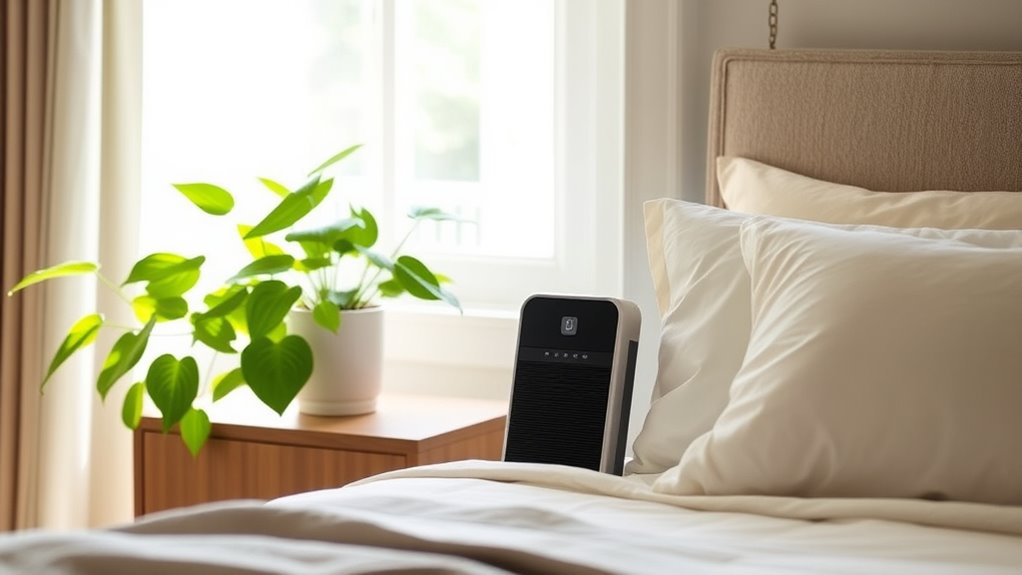
When it comes to enhancing your sleep quality, the placement of your air cleaner in the bedroom plays a vital role. You’ll want to take into account ideal strategies that guarantee effective airflow while minimizing noise. By positioning your air cleaner thoughtfully, you can create a more restful environment for a better night’s sleep.
Optimal Placement Strategies
While achieving a restful night’s sleep can often feel elusive, strategically positioning an air cleaner in your bedroom can markedly enhance your sleep quality. To optimize its effectiveness, consider these placement strategies:
- Position it away from walls and corners: This ensures unobstructed airflow for maximum purification.
- Place it near your bed: Keeping the air cleaner close can help filter out allergens while you sleep.
- Ensure regular air purifier maintenance: Change filters as needed to maintain performance and avoid noise disruptions.
Additionally, implementing noise reduction tips, like choosing a model with a quiet operation setting, can further improve your sleep environment. By following these strategies, you’ll create a healthier and more restful sleeping space.
Airflow Considerations
Airflow is essential for maximizing the effectiveness of your air cleaner and enhancing sleep quality in your bedroom. Understanding airflow patterns can help you position your device for ideal device efficiency. Here’s a quick guide:
| Airflow Pattern | Recommended Placement | Impact on Sleep |
|---|---|---|
| Direct Flow | Near the bed, facing you | Increases air circulation |
| Cross Ventilation | Opposite windows | Reduces allergens |
| Corner Placement | Away from walls | Enhances airflow |

VOOPNU Air Purifiers for Bedroom, High Efficiency Filter, 1076 Ft², Black
- Easy-to-Use Control Panel: Intuitive design for simple operation
- Compact and Powerful: Covers 1076 ft² in a small size
- 360° Airflow Design: Ensures even air purification
As an affiliate, we earn on qualifying purchases.
Kitchens: Reducing Odors and Contaminants
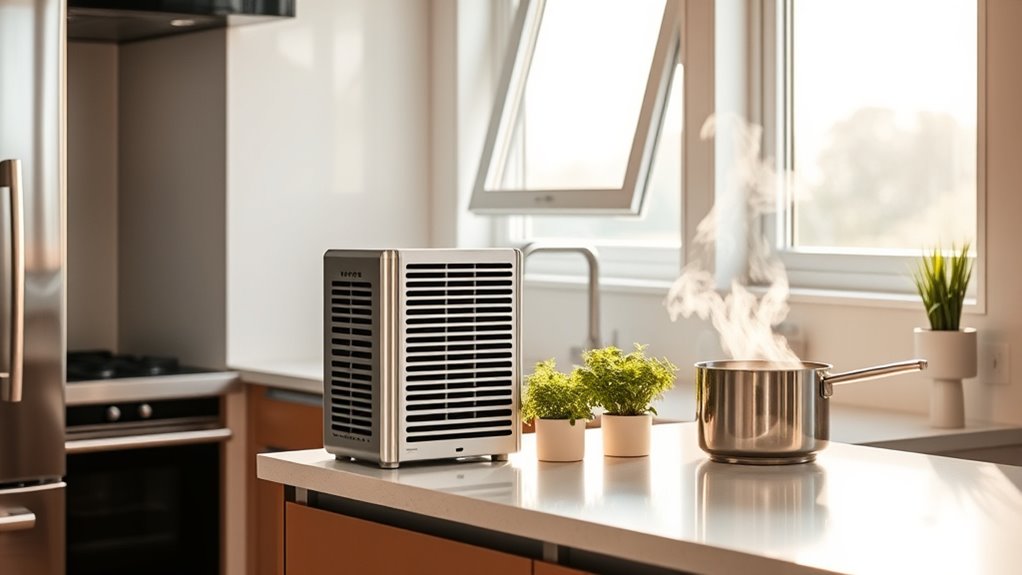
To keep your kitchen fresh and free from unwanted odors and contaminants, placing an air cleaner in the right spot is essential. Positioning it near cooking areas helps capture smoke, grease, and food particles that can harm air quality. Make sure you maintain the device regularly for maximum performance.
Position your air cleaner near cooking areas to effectively capture smoke and grease, ensuring a fresher kitchen environment. Regular maintenance is key.
- Choose a model with a high CADR (Clean Air Delivery Rate) specifically for kitchens.
- Avoid placing it in corners; aim for an open area to allow for better airflow.
- Regularly check and replace filters to enhance device maintenance and efficiency.
Home Offices: Creating a Healthier Workspace

How can you create a healthier workspace in your home office? Start by placing an air cleaner near your desk to effectively improve air quality. This helps filter out dust, allergens, and other pollutants that can affect your productivity and well-being. Regular equipment maintenance is vital; clean or replace filters according to the manufacturer’s guidelines to guarantee ideal performance. Additionally, keep your office clutter-free to promote better airflow. Consider adding plants that naturally purify the air, enhancing both aesthetics and health. Finally, make sure to ventilate the space by opening windows when possible. These steps can transform your home office into a invigorating and conducive environment for work.
Hallways and Open Spaces: Maximizing Airflow
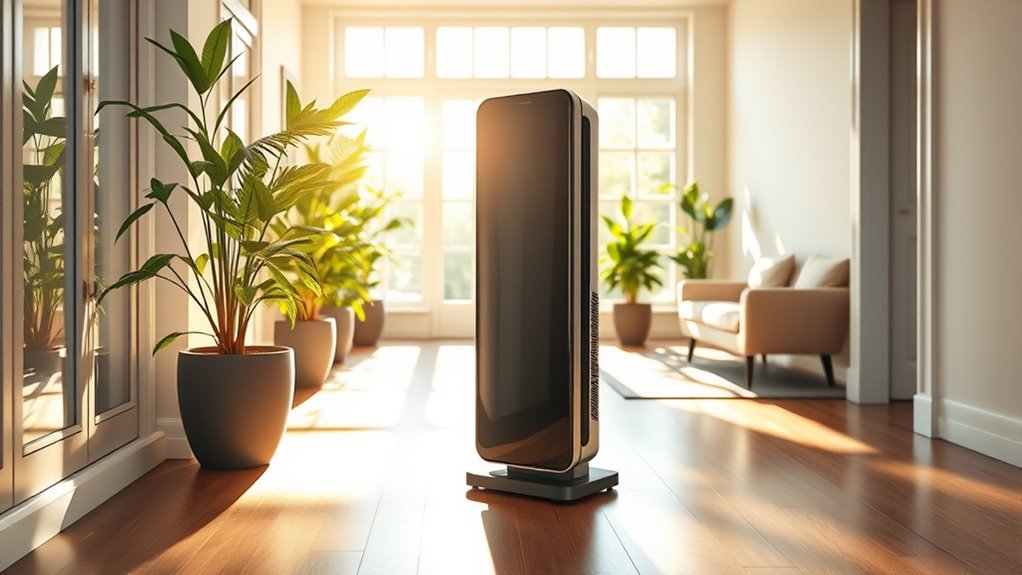
When it comes to hallways and open spaces, ideal placement of your air cleaner can make a big difference in airflow. To enhance circulation, consider positioning the unit near entry points or in the center of the room. This way, you’ll guarantee that cleaner air reaches all corners effectively.
Optimal Placement Strategies
While you may think any air cleaner placement is effective, strategically positioning it in hallways and open spaces can considerably enhance airflow throughout your home. To optimize air purification, ensure your device is away from walls and furniture, allowing for better circulation. This not only improves air quality but also aids in air purifier maintenance, as it reduces strain on the unit.
Consider these strategies:
- Position the air cleaner near high-traffic areas to capture pollutants effectively.
- Utilize noise reduction techniques by placing it on soft surfaces, minimizing vibrations.
- Avoid corners and enclosed spaces to prevent airflow blockage.
Airflow Enhancement Techniques
To maximize airflow in your home, strategically using hallways and open spaces can make a significant difference in air quality. Place your air cleaner near these areas to guarantee it captures contaminants effectively. Open doors and windows can enhance circulation, allowing fresh air to flow freely. When positioning your unit, keep it away from walls or furniture that could obstruct airflow. Regular filter maintenance is essential; clean or replace filters as needed to maintain maximum performance. Additionally, consider noise reduction techniques by choosing an air cleaner designed to operate quietly, so it won’t disrupt your daily activities. By focusing on these airflow enhancement techniques, you’ll create a healthier living environment for you and your family.
Avoiding Common Mistakes in Placement
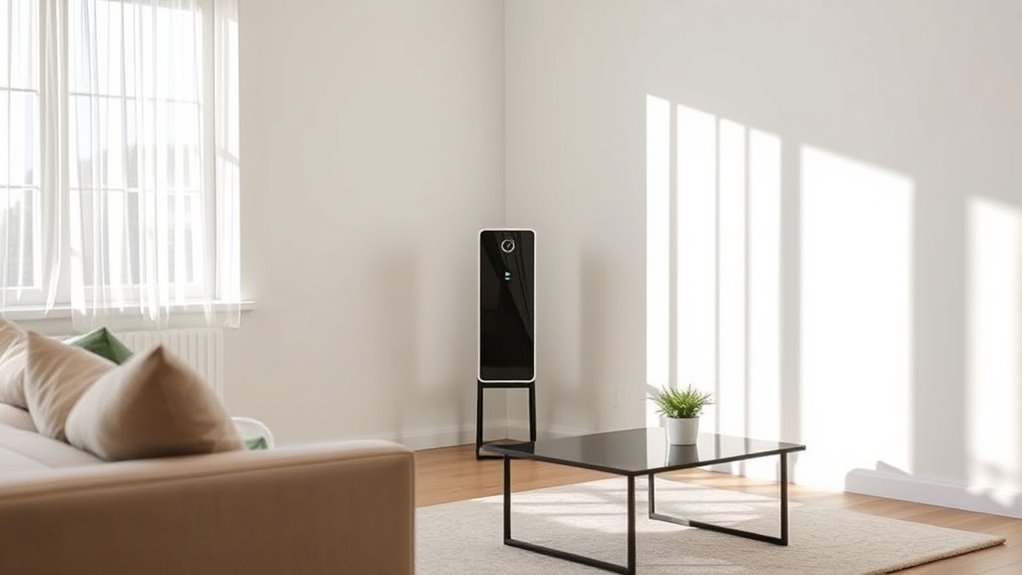
Even if you’ve invested in a high-quality air cleaner, placing it incorrectly can undermine its effectiveness. To maximize your air cleaner’s performance, avoid these common mistakes:
- Ignoring ventilation patterns: Place your air cleaner where it can effectively capture airborne particles, away from walls or furniture that obstruct airflow.
- Neglecting filter maintenance: Regularly check and replace filters as needed. A clogged filter reduces efficiency and can lead to poor air quality.
- Choosing the wrong room: Ensure you place the air cleaner in a room where you spend the most time, such as your bedroom or living area, for ideal air quality.
Considerations for Large Rooms
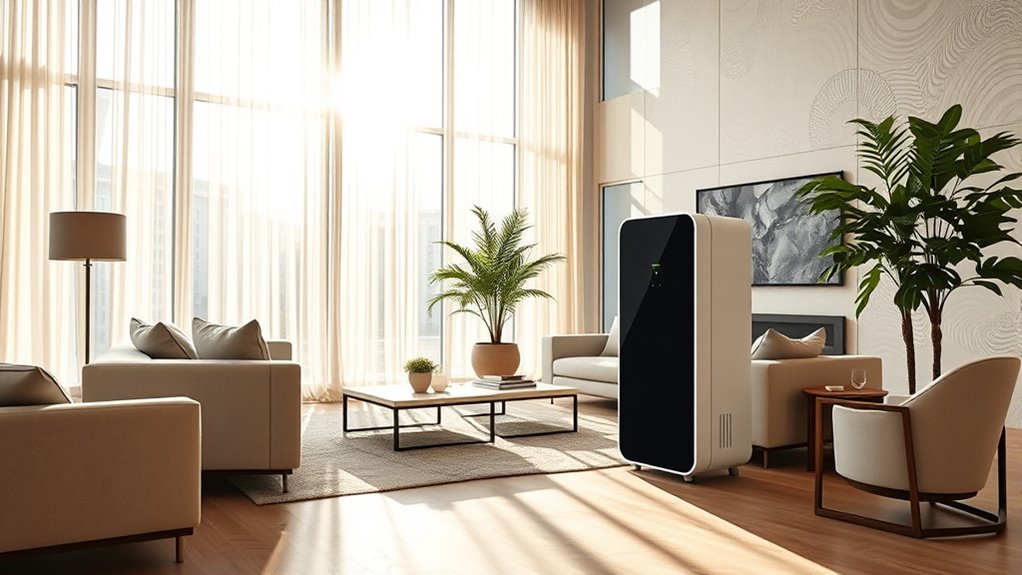
When placing an air cleaner in large rooms, you need to take into account the size and layout to guarantee ideal performance. Position your cleaner centrally or near the source of pollutants for maximum effectiveness. Make sure there’s enough space around the unit to allow for proper airflow. Regular air filter maintenance is vital in large areas; dirty filters can hinder performance and reduce air quality. Additionally, consider the noise level of your air cleaner. If you’re using it in a space where you relax or work, opt for a model with a quieter operation. Balancing these factors will help you achieve cleaner air and a more comfortable environment in your large room.
Air Cleaners in Pet-Friendly Homes
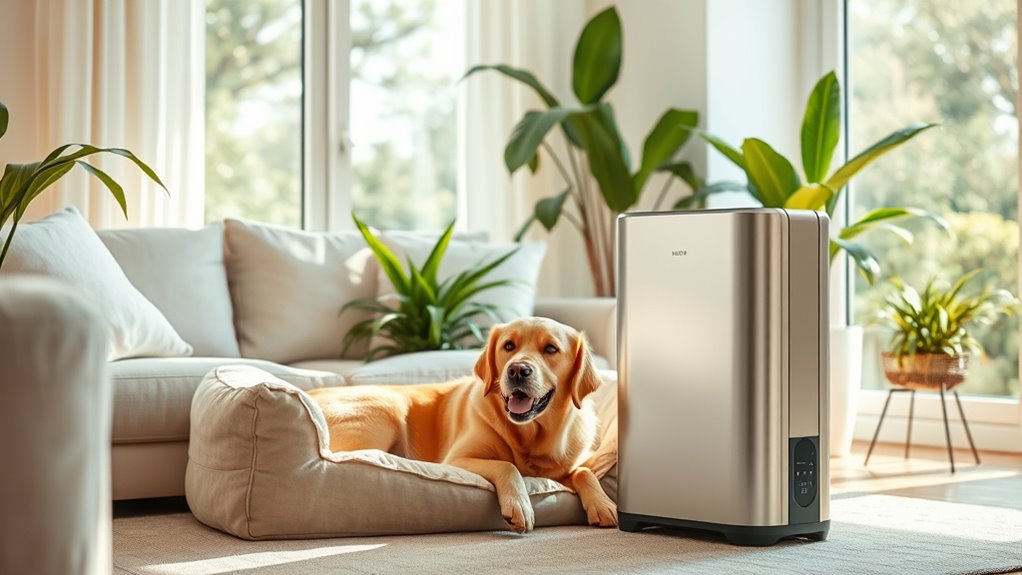
If you share your home with pets, investing in a quality air cleaner can considerably improve your indoor air quality. Pet dander, fur, and odors can accumulate quickly, but a reliable air purifier helps manage these pollutants effectively. To maximize its benefits, consider the following tips:
- Place your air cleaner in high-traffic areas where your pets spend the most time.
- Regularly perform air purifier maintenance, like changing filters, to ensure peak performance.
- Schedule air quality testing periodically to assess improvements and adjust your air cleaner’s placement if necessary.
Seasonal Adjustments for Air Cleaner Positioning
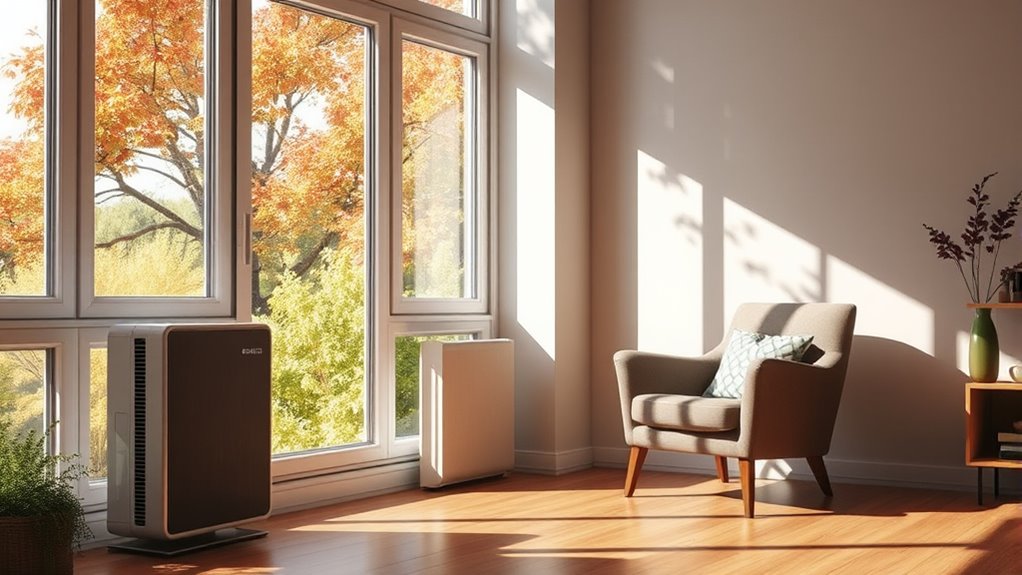
As seasons change, adjusting the position of your air cleaner can enhance its effectiveness in managing indoor air quality. During warmer months, consider placing your unit closer to windows or doors to combat increased allergens and pollutants from outside. This allows the air cleaner to capture seasonal airflow more efficiently. In the colder months, you might want to relocate it to warmer areas of your home, as temperature adjustments can influence air circulation. Keep it away from drafty spots to guarantee the best performance. Regularly evaluate your air cleaner’s location based on the season, as this will help maintain a healthier indoor environment year-round. Don’t forget to check and replace filters to maximize efficiency!
Frequently Asked Questions
Can Air Cleaners Reduce Allergens Like Pollen and Dust Mites?
Yes, air cleaners can considerably reduce allergens like pollen and dust mites. Their effectiveness lies in filtering out these particles from the air you breathe. When you run an air purifier regularly, you’ll notice a decrease in allergy symptoms. Just make sure to choose a model with a HEPA filter for maximum allergen reduction. Remember, maintaining your air purifier by changing filters will guarantee it works efficiently and keeps your environment healthier.
Do Air Cleaners Work Better With Windows Open or Closed?
Air cleaners generally work better with windows closed. When you keep them shut, you minimize outdoor air exchange, allowing the cleaner to circulate and filter indoor air more effectively. Open windows can lead to increased air circulation, but they also let in allergens and pollutants, reducing your air cleaner’s efficiency. For peak performance, make sure your air cleaner runs in a sealed environment, maximizing its ability to improve your indoor air quality.
How Often Should I Change the Filter in My Air Cleaner?
Think of your air cleaner’s filter like a sponge soaking up dirt and dust. To keep it working effectively, you should change the filter every 3 to 6 months, depending on usage and air quality. Sticking to a regular maintenance schedule helps ensure your air cleaner performs at its best. If you notice reduced airflow or increased dust, it might be time for a filter replacement sooner than you planned!
Are There Specific Air Cleaner Features to Look For?
When choosing an air cleaner, look for HEPA filters, as they effectively trap pollutants. Consider models with activated carbon filters for odor removal. Pay attention to noise levels; you’ll want an air purifier that operates quietly, especially for bedrooms. Additionally, check for features like air quality sensors and smart controls, which can improve convenience and efficiency. These features ensure you’re getting the best performance from your air purifier.
Can I Use Multiple Air Cleaners in One Room?
Yes, you can use multiple air cleaners in one room! Just make sure to take into account air cleaner placement to avoid disrupting room airflow patterns. Position them in different corners or areas to ensure efficient coverage. This way, you’ll enhance air quality by capturing more pollutants and allergens. Monitor how they interact with each other, as too many in close proximity might reduce their effectiveness. Enjoy the fresher air!
Conclusion
In conclusion, placing your air cleaner strategically can substantially enhance your indoor air quality. It’s not just theory; studies show that proper placement can reduce airborne contaminants by up to 50%. So, whether you’re in the living room, bedroom, or home office, remember to position your air cleaner where it can work most effectively. With thoughtful placement, you’re not just improving your air; you’re investing in your health and well-being. Breathe easier and live better!