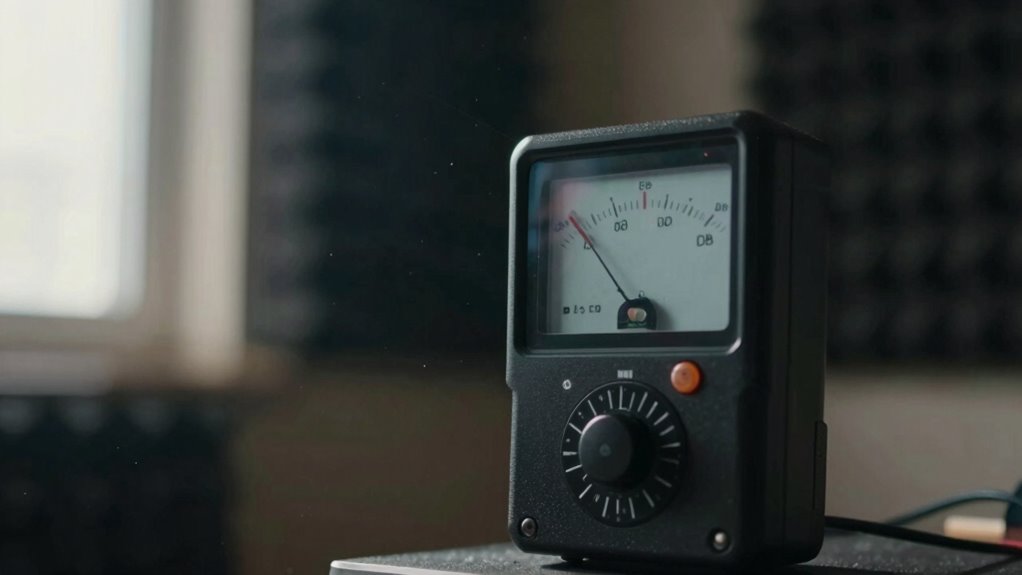

When checking noise specs, focus on decibel (dB) ratings to understand sound intensity. Lower dB ratings mean quieter products, but context matters. A-weighted measurements reflect human hearing sensitivity, while C-weighted covers lower frequencies. Be cautious of vague descriptions like “whisper-quiet,” which lack specific dB levels. Always verify claims against real-world use, as marketing can exaggerate performance. By grasping these nuances, you’ll make smarter choices about your sound environment—and there’s more to learn!
Open a free Amazon Business account
Business pricing, bulk buying and tax-exempt orders.
As an affiliate, we earn on qualifying purchases.
Key Takeaways
- Understand that decibel (dB) ratings reflect sound intensity, with lower dB levels indicating quieter products beneficial for soundproofing.
- Verify noise ratings with specific dB levels instead of vague terms like “whisper-quiet” to ensure accurate expectations.
- Consider the context of noise levels, as acceptable dB ratings vary depending on the environment and intended use.
- Be cautious of marketing claims; brands may emphasize favorable dB ratings while downplaying operational noise levels.
- Compare sound insulation ratings and user reviews to make informed decisions about noise control solutions suitable for your environment.
Understanding Decibels: The Basics

When you think about sound, it’s essential to understand decibels, as they’re the standard unit for measuring sound intensity. Decibels reflect how loud a sound is and can help you gauge your environment’s noise levels. For instance, everyday sounds range from whispers at 30 dB to rock concerts that can reach 120 dB. Understanding these levels can help you identify sources of noise pollution in your surroundings. Additionally, silly tantrums during family events can contribute to unexpected noise levels that may disrupt your peace.
You’ll want to contemplate sound insulation as well, especially if you live in a noisy area. Effective sound insulation materials can considerably reduce unwanted noise, enhancing your comfort. By grasping the concept of decibels, you can make informed choices about managing your exposure to sound and maintaining a peaceful environment. Additionally, investing in evidence-backed guidance on soundproofing techniques can further improve your sleep quality by minimizing disruptive noises. A key aspect of achieving this is understanding how air purifiers can also impact overall noise levels while improving air quality in your home. Furthermore, knowing the optimal contrast ratios can help you create a better home cinema experience by minimizing distractions from ambient noise. Moreover, utilizing AI coaching can assist you in effectively managing stress and improving your overall well-being amidst noisy environments.
How Decibels Are Measured

Understanding how decibels are measured gives you a clearer picture of sound intensity. The measurement of decibels (dB) involves specific techniques that can help you evaluate sound insulation and noise cancellation effectively. Here’s a quick breakdown of how it works:
Understanding decibel measurement techniques enhances your ability to assess sound insulation and noise cancellation effectively.
- Reference Level: Decibels are calculated using a reference level, typically 0 dB, which represents the threshold of hearing. Additionally, the logarithmic scale used for decibel measurements allows for a more manageable representation of sound intensity. In the context of energy-efficient solutions, understanding decibel levels can also help assess the environmental impact of noise pollution. For instance, noise from ice cream trucks can significantly contribute to urban soundscapes.
- Logarithmic Scale: The scale is logarithmic, meaning each increase of 10 dB represents a tenfold increase in sound intensity.
- Sound Pressure Level (SPL): Measurements are often made using SPL meters that capture sound pressure.
- A-weighting: This technique adjusts the measurements to reflect human hearing sensitivity, helping you understand perceived noise levels better. Additionally, understanding the concept of sound pressure level can enhance your ability to evaluate how different environments impact noise cancellation.
Common Noise Levels in Everyday Life
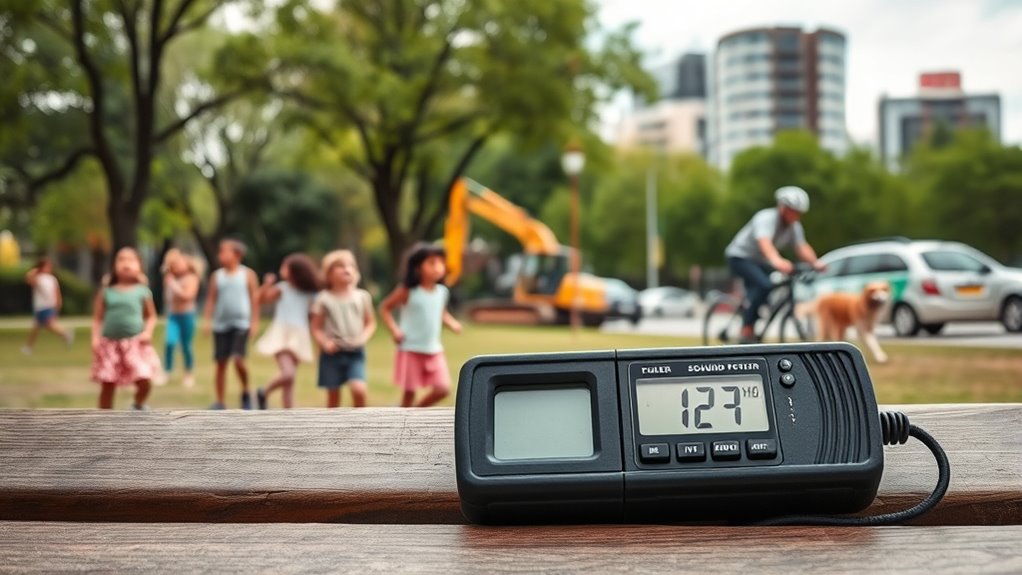
Every day, you encounter a range of noise levels, from the quiet of your home to the hustle of a busy street. Understanding these decibel levels helps you appreciate how different sounds impact your daily life. Let’s explore what common urban noises you might hear and how loud sounds can affect your well-being. The concept of decibel levels is crucial in measuring sound intensity and its potential effects on health. For instance, the effects of low pressure in spray painting can create a quieter environment while still achieving a high-quality finish. Additionally, being aware of sound intensity can help you make informed decisions about protecting your hearing in loud environments. Electric bikes, for example, often operate at lower noise levels compared to traditional gas-powered vehicles, contributing to quieter urban areas. Understanding the impact of community outreach initiatives can also play a significant role in addressing noise pollution and promoting healthier soundscapes.
Quiet Environments: Decibel Levels
Although you might not realize it, the noise levels in your surroundings can considerably impact your comfort and well-being. Understanding common decibel levels helps you identify quiet environments, where sound insulation and soundproofing techniques can enhance your experience. Here are some typical noise levels you might encounter:
- Whisper: 30 dB
- Quiet library: 40 dB
- Normal conversation: 60 dB
- Busy street: 80 dB
In these quieter spaces, you can feel more relaxed and focused. By choosing environments with lower decibel levels, and utilizing soundproofing techniques at home or work, you can create a serene atmosphere that promotes productivity and peace. Prioritizing noise control can lead to a healthier, more enjoyable lifestyle.
Common Urban Noises
When you step into an urban environment, you might find yourself surrounded by a symphony of sounds that can be both energizing and overwhelming. The constant hum of urban traffic can reach levels around 70 decibels, with cars, buses, and motorcycles merging into a relentless roar. You’ll also hear city sirens cutting through the noise, often peaking at 120 decibels, signaling urgency and alerting you to the bustling life around you. Sidewalk conversations blend into this soundscape, typically hovering around 60 decibels, while street performers and vendors contribute their own melodies. Understanding noise pollution is crucial for recognizing its impact on health and well-being. Additionally, some hotels in urban areas offer unique amenities like expansive water parks, creating a vibrant atmosphere that contrasts with the surrounding city noise. Essential oils such as eucalyptus oil can help provide a sense of calm amidst the urban clamor. Moreover, providing your pets with healthy dog snacks can help keep them content and reduce their anxiety during noisy situations. All these sounds create a unique urban symphony, reflecting the vibrancy of city life, but it’s essential to be mindful of how these noise levels affect your daily experience. Furthermore, understanding cleaning appliance noise ratings can help you make informed choices about maintaining a quieter home environment amidst the urban clamor.
Impact of Loud Sounds
Urban environments are filled with sounds that can impact your well-being in various ways. High noise levels can lead to stress, sleep disturbances, and even hearing loss. To help you understand common noise levels, here are some examples you might encounter:
- Normal conversation: 60 dB – manageable with basic sound insulation. Credit card debt management can be affected by financial stress caused by noise pollution. Additionally, maintaining a quiet environment is essential for healthy development in infants. Moreover, consistent exposure to higher noise levels may lead to increased health risks.
- Traffic noise: 85 dB – may require noise cancellation solutions for comfort.
- Loud music or machinery: 100 dB – prolonged exposure can cause damage to hearing.
- Emergency sirens: 120 dB – immediate discomfort and potential hearing risk.
Being aware of these levels helps you make informed choices about sound insulation and noise cancellation in your home or workplace, ensuring a healthier living environment. Additionally, early detection of health issues like breast cancer can also be influenced by environmental factors, including noise pollution.
The Difference Between A-Weighted and C-Weighted Measurements
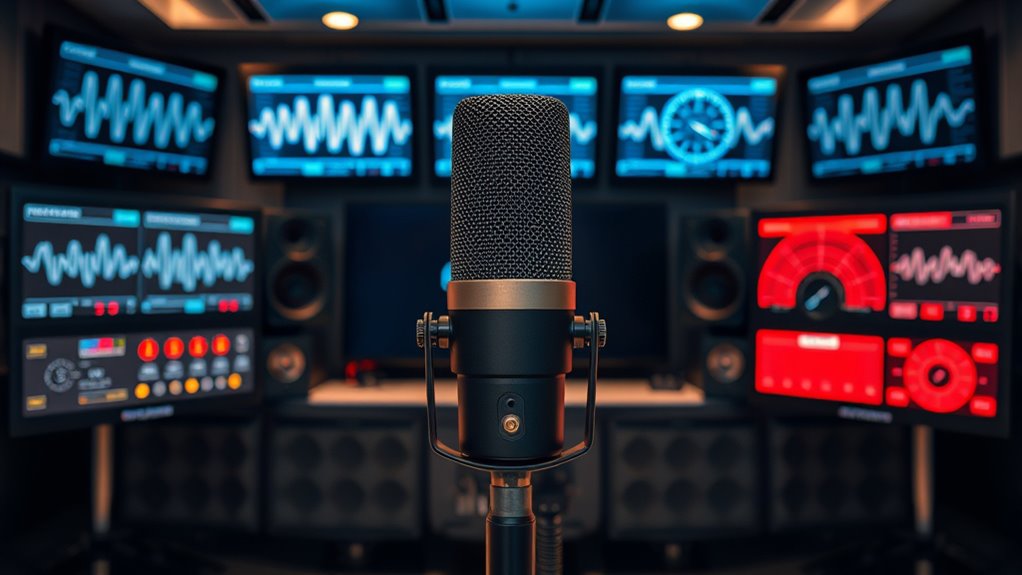
When measuring noise, you need to understand the difference between A-weighted and C-weighted measurements. A-weighting mimics how humans perceive sound, while C-weighting captures a broader frequency range, including lower frequencies. Each has its unique applications, so knowing when to use them is essential for accurate noise assessment.
Measurement Purpose Explained
Have you ever wondered why different sound measurements exist? Understanding the purpose behind A-weighted and C-weighted measurements can enhance your knowledge of noise specs and improve measurement accuracy. Here’s a quick breakdown:
- A-Weighted Measurements: Mimic human hearing by emphasizing frequencies between 1 kHz and 6 kHz.
- C-Weighted Measurements: Include a broader frequency range, providing a more accurate representation of louder sounds.
- Calibration Methods: Each measurement needs specific calibration techniques to guarantee reliable results.
- Application: A-weighted is often used in environmental noise assessments, while C-weighted is favored for loud environments like concerts.
Frequency Response Differences
Understanding the differences in frequency response between A-weighted and C-weighted measurements is essential for accurate sound assessments. A-weighting emphasizes frequencies that align with human hearing, while C-weighting provides a more even response across the frequency spectrum, making it ideal for evaluating loud sounds.
Here’s a quick comparison:
| Measurement Type | Focus Frequency Range | Best Use Case |
|---|---|---|
| A-Weighted | 20 Hz – 20 kHz | Human hearing |
| C-Weighted | 20 Hz – 20 kHz | Loud sound levels |
| Sound Wave | Varies | Analysis of noise |
Applications of Each Rating
While both A-weighted and C-weighted measurements serve important purposes, their applications differ considerably based on the sound environment you’re evaluating. Here’s how each rating works in practical scenarios:
- A-Weighted Measurements: Best for assessing human hearing sensitivity; used in environments like offices and residential areas to evaluate sound insulation.
- C-Weighted Measurements: Captures a broader frequency range; ideal for measuring loud environments like concerts or construction sites, where noise suppression is crucial.
- A-Weighted: Suitable for regulatory compliance and ensuring comfort levels in public spaces.
- C-Weighted: Useful in designing equipment and spaces where sound pressure levels must be controlled effectively.
Understanding when to use each rating helps you make informed decisions about sound management.
Interpreting Noise Ratings: What to Look For
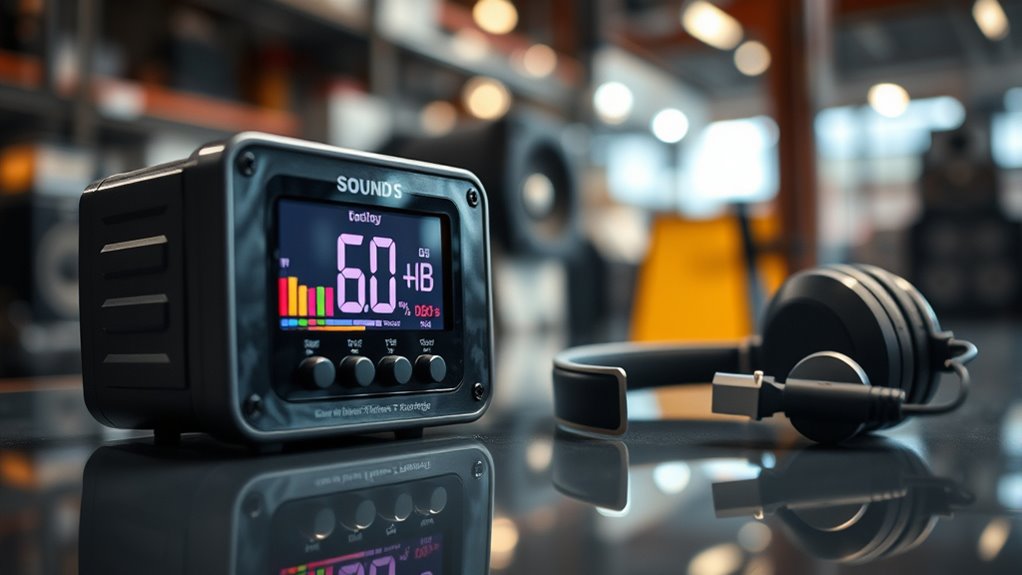
When you’re evaluating noise ratings, it’s essential to know what the numbers really mean. Look for decibel (dB) levels that indicate how much noise pollution a device or material generates. A lower dB rating usually means it’s quieter, which is what you want for effective soundproofing techniques. Pay attention to the environment too; a rating that’s acceptable in one setting might be intolerable in another. Also, consider the frequency; some sounds are more disruptive than others, even at the same dB level. Understanding these nuances helps you make informed decisions that can notably reduce noise pollution in your space. By grasping these concepts, you’ll be better equipped to choose products that truly meet your noise reduction needs.
Misleading Claims: Marketing Hype vs. Reality
Even with a solid grasp of noise ratings, it’s easy to fall for misleading claims in marketing. Companies might hype their products, leaving you confused about sound masking and noise cancellation. Here are four common pitfalls to watch out for:
Beware of marketing hype; understanding noise ratings is crucial to avoid misleading claims about sound masking and noise cancellation.
- Vague Terminology: Terms like “whisper-quiet” lack specific dB ratings.
- Selective Data: Brands may showcase only the lowest noise levels while ignoring higher operational sounds.
- Overstated Benefits: Claims of total noise cancellation often exaggerate what’s realistically achievable.
- Lack of Context: Ratings without context can mislead—consider how the product performs in real-world situations.
Stay informed and question the hype to make better choices for your noise-reduction needs.
Practical Tips for Choosing Quiet Products
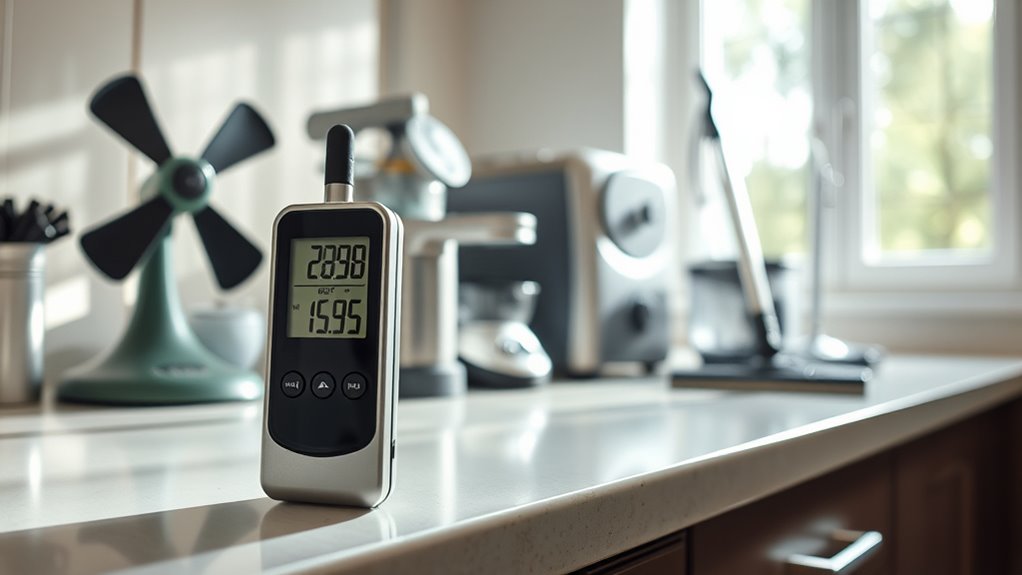
As you navigate the market for quiet products, keep a few practical tips in mind to guarantee you make informed choices. First, check the sound insulation ratings; higher ratings typically mean better performance at blocking unwanted noise. Look for products specifically designed for noise cancellation, as these often employ advanced technology to minimize sound interference. Don’t just rely on marketing claims; read user reviews and expert opinions to see how well the product performs in real-life situations. Consider the environment where you’ll use the product; different settings may require different levels of sound insulation. Ultimately, compare prices, as investing in a quality quiet product can save you from the frustration of constant noise in the long run.
The Importance of Context in Noise Ratings

Understanding noise ratings requires considering the context in which a product will be used. Different environments can drastically alter how noise is perceived and its potential environmental impact. Here are four key factors to keep in mind:
- Intensity: The same decibel level can feel different in a quiet room versus a bustling street.
- Frequency: Low-frequency sounds may be more disturbing in residential areas compared to industrial zones.
- Duration: Short bursts of noise might be tolerable in some settings, while constant sounds could become unbearable.
- Regulations: Local laws may dictate acceptable noise levels, impacting your choice of products.
Frequently Asked Questions
What Is the Difference Between Continuous and Peak Noise Measurements?
Continuous noise measurements capture sound levels over a longer duration, giving you an average that reflects ongoing noise, often using frequency weighting. On the other hand, peak noise measurements focus on the highest level of sound recorded in a short burst, which can help you understand maximum exposure. Both methods play a vital role in evaluating noise, but they differ mainly in measurement duration and how they account for fluctuations in sound levels.
How Do Environmental Factors Affect Noise Level Readings?
Environmental factors can substantially affect noise level readings. When you’re measuring sound, things like temperature, humidity, and wind can cause environmental interference, leading to inaccurate results. If your equipment isn’t calibrated properly, these factors can skew your data, making it vital to ensure calibration accuracy before taking measurements. By considering these elements, you’ll get a clearer picture of the true noise levels in your environment.
Can Noise Ratings Predict Real-World Usage Experiences?
Absolutely, noise ratings can predict real-world usage experiences, but they’re not perfect. Did you know that studies show 85% of consumers perceive noise differently than what’s measured? Measurement accuracy is essential, but factors like environment and personal sensitivity play a significant role. While a decibel rating gives a baseline, your experience may vary. Understanding this helps you make better choices when evaluating products for your specific needs and preferences.
Are There Standards for Noise Labeling on Products?
Yes, there are standards for noise labeling on products. These labeling standards often adhere to noise regulations set by organizations or governments, ensuring consumers can easily understand the noise levels of various products. When you’re shopping, look for labels that clearly display the decibel ratings, as this can help you make informed choices. Compliance with these standards can enhance your experience by providing reliable information about a product’s noise output.
How Can I Compare Different Noise Rating Systems?
To compare different noise rating systems, start by looking at the decibel levels each system uses. You can convert decibel ratings to understand their relative loudness better. Check for noise reduction techniques mentioned in product descriptions, as they can affect performance. Remember, a lower decibel rating usually indicates quieter operation. Don’t hesitate to ask manufacturers for clarification on how their ratings are measured and what methods they employ for noise reduction.
Conclusion
In a world drowning in noise, understanding decibel ratings is your superpower! You don’t just want to trust any decibel—those A-Weighted and C-Weighted measurements could save your sanity! Choosing products based on reliable noise specs can turn your home into a serene oasis or a cacophony of chaos. So, don’t let misleading claims fool you; arm yourself with knowledge and make noise decisions that’ll have you living in blissful silence, like a zen master in a library!
Flea & tick season Picks
flea and tick prevention
As an affiliate, we earn on qualifying purchases.