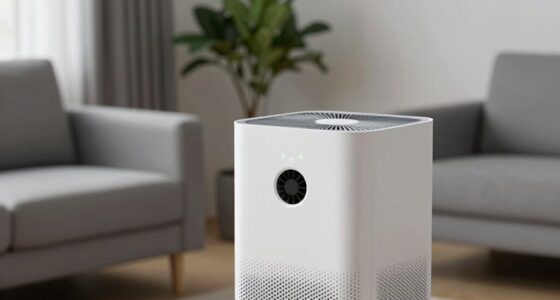
When it comes to air purifiers, it’s important to know the differences between HEPA-like, True HEPA, and HEPA-type filters. True HEPA captures at least 99.97% of particles as small as 0.3 microns, making it the best choice for allergens and pollutants. HEPA-like filters may not meet those standards and typically capture larger particles, while HEPA-type filters often filter even fewer. Understanding these distinctions can help you choose the right purifier for your needs and improve air quality. There’s more to explore!

Get health and wellness essentials delivered free — and shop member deals
- Fast, free delivery on millions of items
- Access to Prime Big Deal Days deals on October 6–7
- Prime Video, Amazon Music and more included
Key Takeaways
- True HEPA filters capture at least 99.97% of airborne particles as small as 0.3 microns, ensuring high air quality.
- HEPA-like filters may claim similar performance but typically capture fewer particles and do not meet strict HEPA standards.
- HEPA-type filters often filter only larger particles and do not guarantee the same efficiency as True HEPA filters.
- Regular maintenance and timely filter replacement are essential for maintaining optimal air purifier performance.
- Selecting the right filter depends on specific needs, targeting allergens, pet dander, or smoke for improved air quality.
True HEPA air purifier filter replacement
As an affiliate, we earn on qualifying purchases.
As an affiliate, we earn on qualifying purchases.
Understanding Air Purifier Filtration

When you think about improving your indoor air quality, understanding air purifier filtration is vital. Different air purifiers use various filter materials, which can drastically impact their effectiveness. You’ll come across terms like HEPA-like, True HEPA, and HEPA-type, each meeting specific air quality standards to varying degrees. True HEPA filters capture at least 99.97% of particles as small as 0.3 microns, while HEPA-like filters may not meet this standard. Having a clear understanding of color accuracy in other devices, such as projectors, can help you appreciate the importance of quality filtration in air purifiers. It’s important to know these filter material differences so you can choose the right purifier for your needs. Always check the specifications to confirm the filter meets the required air quality standards, helping you breathe easier and enjoy a healthier indoor environment. Additionally, using air purifiers can complement other methods of improving indoor air quality, such as incorporating aquatic exercise in your routine. Regularly checking and cleaning filters can further enhance air purifier efficiency and extend the lifespan of your device.
As an affiliate, we earn on qualifying purchases.
What Is True HEPA?
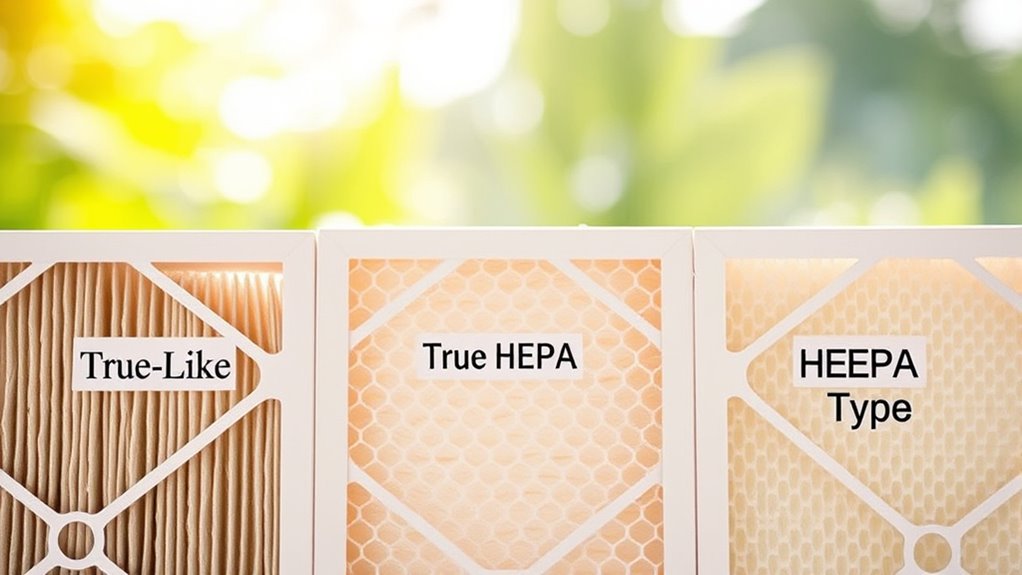
What exactly is True HEPA, and why is it so essential for effective air purification? True HEPA filters are designed to meet strict HEPA certification standards, which guarantee they can capture at least 99.97% of airborne particles as small as 0.3 microns. This makes them highly effective for allergen removal, helping you breathe cleaner air. Moreover, using energy-efficient cloud servers can enhance air quality management by supporting advanced filtration systems.
Here’s a quick comparison of HEPA filters:
| Feature | True HEPA |
|---|---|
| Particle Capture Rate | 99.97% |
| Certification | HEPA certified |
| Typical Use | Allergens, dust, smoke |
| Lifespan | 6-12 months |
Investing in a True HEPA filter can considerably reduce allergens in your home, promoting better health and comfort.
As an affiliate, we earn on qualifying purchases.
The Meaning of HEPA-Like

When you hear the term “HEPA-Like,” it refers to filters that claim to capture similar particles as True HEPA filters but may not meet the same efficiency standards. Understanding this distinction is vital, as it affects how well these filters perform in your space. Let’s compare how HEPA-Like filters stack up against their True HEPA counterparts. Additionally, it’s important to consider durable materials when selecting air purifiers to ensure long-lasting performance.
Definition of HEPA-Like
How can you discern the meaning of “HEPA-Like”? It refers to filters that meet some air quality standards but don’t fully comply with the rigorous criteria of True HEPA filters. While True HEPA filters capture at least 99.97% of particles 0.3 microns or larger, HEPA-Like filters may not achieve this level of efficiency. They often undergo different filter manufacturing processes that allow them to trap larger particles effectively, enhancing indoor air quality but lacking in fine particle filtration. Fundamentally, you can think of HEPA-Like filters as a step up from standard filters, providing better air quality than basic options but falling short of True HEPA performance. Understanding this distinction helps you make informed choices for your air purification needs.
Efficiency Comparison Explained
Understanding the efficiency of HEPA-Like filters in comparison to True HEPA filters is key to making informed choices for your air quality needs. HEPA-Like filters generally capture larger particle sizes but may struggle with smaller particles, while True HEPA filters excel in trapping particles as small as 0.3 microns. Additionally, airflow rate can vary markedly between the two types, affecting overall performance. Incorporating eco-friendly practices in filter selection can enhance your indoor air quality while supporting sustainable choices. Furthermore, understanding the use of necessary cookies can help ensure a secure browsing experience when researching air quality products.
| Feature | HEPA-Like Filters | True HEPA Filters |
|---|---|---|
| Particle Size | 5 microns and larger | 0.3 microns and smaller |
| Airflow Rate | Moderate | High |
| Efficiency Rating | 85% – 90% | 99.97% |
Choosing the right filter depends on your specific air quality needs.
As an affiliate, we earn on qualifying purchases.
Clarifying HEPA-Type Filters

While many people assume that all filters labeled as “HEPA” provide the same level of air purification, it’s essential to recognize that HEPA-Type filters can markedly differ in performance. These filters often don’t meet the rigorous HEPA certification standards, which require capturing 99.97% of particles 0.3 microns in size. Instead, they might only filter out larger particles and provide limited efficiency. When you’re choosing a filter, consider its airflow optimization capabilities as well. A filter that allows for better airflow can enhance its overall effectiveness, even if it isn’t a true HEPA filter. Additionally, understanding the importance of efficiency in air purification systems can guide your selection process. Incorporating features such as smart home technology can further improve air quality management in your space. For instance, maintaining optimal water chemistry in your pool can help reduce airborne irritants, contributing to a healthier environment. For those who often travel or work in their vehicles, utilizing truck bed accessories can also help in maintaining a clean and organized environment. It’s also beneficial to explore air purification systems that specifically target the pollutants most prevalent in your environment. So, always check the specifications carefully to guarantee you’re getting the air quality you need for your space.
Comparing Filtration Efficiency

When comparing filtration efficiency, it’s important to look beyond just the “HEPA” label. Different types of filters can markedly impact your air quality. True HEPA filters capture at least 99.97% of particles as small as 0.3 microns, making them the gold standard for clean air. On the other hand, HEPA-Type filters may not be as effective, often filtering out fewer particles and potentially compromising your air quality. Additionally, consider the filter lifespan; a longer-lasting filter can save you money and effort in the long run. Regularly check and replace your filters as needed to maintain ideal performance, ensuring that you breathe the cleanest air possible in your home or workspace. Choosing high-quality pigments can also enhance the overall air quality by reducing allergens present in your environment.
Choosing the Right Air Purifier for Your Needs

Choosing the right air purifier for your needs can make a significant difference in your indoor air quality. First, consider the size of the room where you’ll use it; a larger space requires a more powerful unit. Placement is vital—position your air purifier in a central spot, away from walls or obstructions, to maximize airflow. Additionally, proper placement can enhance the effectiveness of the unit by ensuring that it circulates air efficiently. A well-placed unit can improve heat distribution throughout the space, leading to better overall air quality. Next, think about noise level considerations. If you plan to use it in a bedroom or office, opt for a model designed to operate quietly. Look for features like a sleep mode or adjustable fan speeds to maintain peace while filtering air. Finally, take your specific needs into account, whether that’s allergies, pet dander, or smoke, ensuring you choose a filter that effectively targets those pollutants. Additionally, understanding air quality standards can help you select a unit that meets your specific health requirements.
Maintenance and Care for Your Air Purifier

To keep your air purifier running efficiently, you need to follow a regular filter replacement schedule. You’ll also want to know the proper cleaning procedures to maintain its performance. Additionally, understanding how upgrades actually change the performance of your air purifier can help you make more informed choices when selecting new filters or features. Regular maintenance can significantly enhance the longevity of your unit and its ability to filter out best home security systems pollutants effectively. By investing in comprehensive financial education, you can also learn how to budget effectively for these essential home appliances. Just as with deep-sky imaging, knowing the right settings and equipment can greatly improve your results. Furthermore, keeping your indoor air clean can be achieved through practical steps that enhance air quality in your home. Let’s explore how to guarantee your air purifier stays in top shape!
Filter Replacement Schedule
Maintaining an effective air purifier hinges on a consistent filter replacement schedule. Ignoring this can lead to reduced performance and poor air quality. To guarantee your air purifier runs at its best, follow these guidelines:
- Check the Filter Lifespan: Most filters last between 6 to 12 months. Refer to the manufacturer’s recommendations for specifics, as necessary cookies facilitate essential functionalities that can impact air purifier performance.
- Watch for Replacement Indicators: Many modern air purifiers come with built-in alerts. Pay attention to these signals to avoid delays in changing your filters.
- Regularly Inspect Filters: Even if the indicator hasn’t lit up, inspect your filters monthly for any visible dirt or damage. Regular maintenance is crucial as manipulation tactics can lead to misunderstandings about the importance of air quality and filter upkeep.
Cleaning Procedures Explained
While regular filter replacement is essential, keeping your air purifier clean also plays a critical role in its overall performance. Dust and debris can accumulate on the exterior and intake grilles, hindering airflow and reducing air quality improvement. To maintain peak function, wipe the surfaces with a damp cloth weekly and ensure vents are clear. For allergens removal, check the pre-filters and rinse them according to the manufacturer’s instructions. Don’t forget to inspect the unit’s housing for any trapped dust; a quick vacuum can do wonders. By incorporating these cleaning procedures into your routine, you’ll ensure your air purifier runs efficiently, providing cleaner air and a healthier environment for you and your family.
Frequently Asked Questions
Can HEPA Filters Remove Odors and Gases?
Yes, HEPA filters can help with odor elimination and gas filtration, but their effectiveness varies. While they excel at trapping particles, they aren’t specifically designed to remove gases or odors. For better results, look for filters that combine HEPA technology with activated carbon or other materials that target volatile organic compounds (VOCs) and unpleasant smells. This combination can markedly improve air quality in your space and make it more pleasant to breathe.
How Often Should I Replace My HEPA Filter?
You’re not a magician, so you can’t make your HEPA filter last forever! Typically, you should replace it every 6 to 12 months, depending on your filter’s lifespan and your environment. If you’ve got pets, allergies, or live in a dusty area, you might want to lean toward the 6-month mark. Keeping up with replacement frequency means cleaner air and a happier home—no one wants to breathe in yesterday’s dust bunnies!
Are HEPA Filters Noisy During Operation?
HEPA filters aren’t typically noisy during operation. Most models operate at low sound levels, making them suitable for bedrooms or offices. However, some may produce a slight hum or white noise, which can actually help you concentrate or sleep. If you’re concerned about filter noise, check the product specifications for decibel ratings before purchasing. You’ll find that many options provide effective air purification without disruptive sounds.
Do Air Purifiers Work for Pet Allergies?
Air purifiers can be a game changer for pet allergy relief. Picture your living room, filled with dander swirling in the sunlight. With an effective air purifier humming softly in the corner, it captures those allergens, allowing you to breathe easier. The cleaner air helps reduce sneezing and itchy eyes, making your space feel more comfortable. So, yes, investing in an air purifier can markedly enhance your home’s air quality and alleviate allergy symptoms.
Can I Use a HEPA Filter in a Vacuum Cleaner?
Yes, you can use a HEPA filter in a vacuum cleaner, provided it’s compatible with your model. These filters effectively trap allergens and dust, improving your indoor air quality. Just make certain to check the manufacturer’s specifications for filter compatibility. Regular filter maintenance is essential too; clean or replace it as recommended to maintain peak performance. This way, you’ll guarantee your vacuum cleaner keeps working efficiently for your pet allergies.
Conclusion
In choosing the right air purifier, understanding the differences between HEPA, HEPA-like, and HEPA-type filters is essential. Did you know that true HEPA filters can capture up to 99.97% of particles as small as 0.3 microns? This impressive efficiency means cleaner air in your home, helping you breathe easier and stay healthy. By keeping maintenance in mind and selecting the right filter, you’ll guarantee your air purifier works effectively for years to come.
Fall Picks
fall essentials
As an affiliate, we earn on qualifying purchases.