To estimate your annual filter costs, start by identifying the filter type you use and how often you need to replace it. Remember, cheaper filters may not last long, leading to more frequent purchases. Consider the impact on your energy bills too—high-efficiency filters can save you money over time by keeping your HVAC system running smoothly. Poor air quality can add to healthcare expenses. Keep exploring for tips on making smart filter choices that save you money.
Key Takeaways
- Calculate total annual filter costs by multiplying the number of filters needed per year by the price of each filter type.
- Factor in energy savings from high-efficiency filters, which can lower overall HVAC operational costs and reduce utility bills.
- Consider the impact of filter lifespan on replacement frequency; more durable filters may provide better long-term savings despite higher upfront costs.
- Monitor environmental factors and usage patterns to determine optimal replacement schedules, preventing excess costs from inefficient filtration.
- Include potential healthcare savings from improved air quality, as better filters can reduce respiratory issues and related medical expenses.
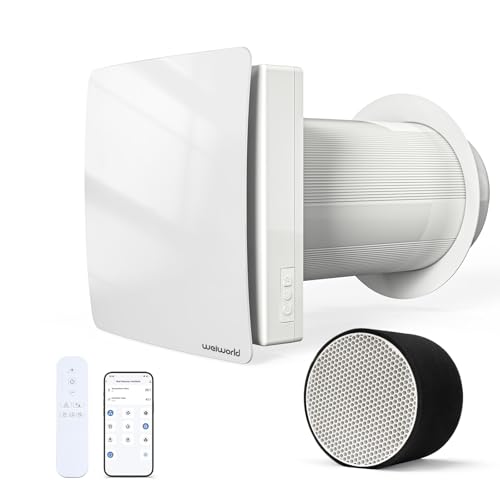
Weiworld Heat Recovery Ventilator with Ceramic Heat Exchanger, Wall-Mounted Fresh Air System with WiFi/Remote Control for Home, Attic, Garage – Supply, Exhaust & Recirculation Ventilation Fan
Heat Recovery Ventilator (HRV) for Single Room Ventilation: Equipped with a high-efficiency ceramic heat exchanger that recovers up...
As an affiliate, we earn on qualifying purchases.
Understanding Filter Types and Their Costs

When you’re considering the costs associated with filters, understanding the different types available is essential. Each type of air filter uses various air filter materials, which can markedly impact both performance and price. For example, fiberglass filters are often cheaper but may not capture smaller particles effectively. Conversely, pleated filters, made from thicker materials, can trap more dust and allergens but come at a higher cost. Additionally, color accuracy can influence your decision, as some filters may offer features that enhance overall air quality. Furthermore, investing in innovative European cloud solutions may provide insights into advanced air filtration technologies.
Moreover, understanding the importance of protecting delicate skin can remind us that just as filters protect our air quality, proper care is essential for our health. Additionally, the filter manufacturing processes play a vital role in determining price. Filters produced with advanced techniques may offer better efficiency and durability, justifying their higher cost. For instance, some filters may utilize advanced air filtration technologies to enhance their performance. By knowing these factors, you can make informed decisions that balance your budget with the quality of air you want in your environment. Regularly checking and cleaning filters is also crucial for maintaining the efficiency of your air purifier and prolonging the lifespan of the filters.
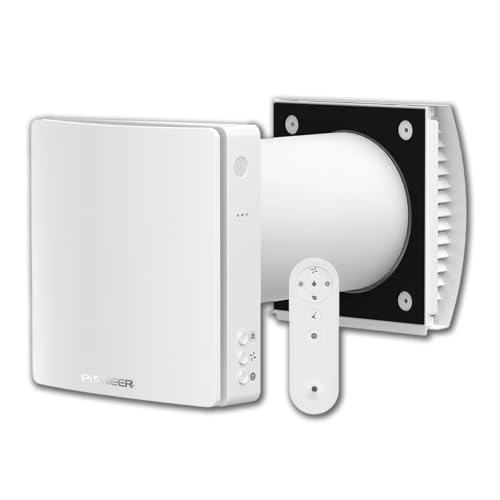
Pioneer ECOasis 50 Ductless Energy Recovery Ventilator
Ultra High Efficiency ECOasis ERV-rm Series Ductless Energy Recovery Ventilation System with 97% Heat Recovery| Minimal Energy Consumption...
As an affiliate, we earn on qualifying purchases.
Calculating Replacement Frequency

When calculating how often you need to replace your filters, consider factors like the filter’s lifespan and your usage patterns. Your daily habits can substantially impact how quickly a filter wears out. By analyzing these elements, you can optimize your filter replacement schedule and save on costs. Additionally, understanding time management strategies can help you effectively plan your filter maintenance routine. Regular monitoring of market analysis can provide insights into how external factors may influence your filter choices as well. Moreover, just as with piercing care and hygiene, maintaining a consistent schedule for filter replacement is crucial for optimal performance. The importance of custom-fitted garments in haute couture, much like maintaining your filters, reflects a commitment to quality and longevity. Many homeowners benefit from using whole-house systems which can enhance both your water quality and filter longevity.
Filter Lifespan Factors
Understanding the factors that influence filter lifespan is essential for calculating how often you’ll need to replace them. The materials used in air filters play a significant role in their durability. High-quality air filter materials, like pleated or HEPA, can last longer than standard fiberglass filters. Additionally, the manufacturing process affects their efficiency; well-constructed filters tend to resist wear and tear better, extending their lifespan. Environmental conditions also impact longevity—excessive dust, humidity, or extreme temperatures can shorten filter life. Regular maintenance and monitoring of your system can help you gauge when replacement is necessary. By considering these factors, you’ll be better equipped to estimate your filter’s lifespan and plan for timely replacements. Investing in quality craftsmanship can further enhance the performance and longevity of your air filters. Moreover, understanding the importance of regular maintenance can significantly reduce the frequency of replacements. Incorporating aquatic exercises into your routine can also promote overall health, which may help you maintain a cleaner environment for your filters. Additionally, the choice of investment strategies for purchasing replacement filters can also influence long-term costs. Furthermore, choosing high-quality materials for your filters can lead to better air quality and efficiency in your system.
Usage Impact Analysis
While various factors affect filter lifespan, your usage patterns considerably impact how often you’ll need to replace them. Regularly using your HVAC system or air purifier increases wear on filters, leading to more frequent changes. When you run these systems continuously, dust and pollutants accumulate faster, compromising air quality. Additionally, auditory processing can be negatively affected by poor air quality in the environment, further impacting overall health. Implementing simple strategies to maintain a clutter-light home can also enhance your overall well-being. Moreover, many restaurants often feature live music which can create a vibrant atmosphere, similar to how clean air can improve your living space.
In addition, regular cleaning of your environment can help manage allergens that may compromise air quality. To calculate your replacement frequency, monitor your filter’s condition monthly and consider environmental factors, like pollen season or construction nearby. If you notice decreased airflow or increased allergens, it’s time for a change. By understanding your usage and its environmental impact, you can maintain ideal air quality while managing costs effectively. Keeping track of these patterns helps ensure your filters operate efficiently and prolongs their lifespan. Additionally, understanding water chemistry is crucial for maintaining overall system efficiency, as it can influence the performance of your HVAC systems.

VENTS-US Frigate ERV 80 R - Whole House Energy Recovery Ventilation System, Up to 100 CFM - Continuous Supply of Fresh Air While Exhausting Equal Amounts of Stale Air
Whole-Home Ventilation: Brings in fresh air and exhausts stale air at up to 100 CFM, maintaining healthy indoor...
As an affiliate, we earn on qualifying purchases.
Energy Consumption: Evaluating Impact on Bills

When you choose a filter type, it can substantially affect your energy consumption and, ultimately, your bills. The frequency of use also plays a vital role in determining how much energy your system uses. Let’s explore how these factors impact your overall costs. Additionally, using certain types of essential oils, like eucalyptus oil, may help improve air quality and enhance the efficiency of your system. In modern kitchens, smart appliances increasingly optimize energy usage, offering insights that can help you reduce costs. Furthermore, incorporating energy management systems can provide real-time data on your consumption patterns, helping you make informed decisions to further decrease your expenses.
Filter Type Comparison
How can the type of filter you choose impact your energy bills? The filter’s design and efficiency play pivotal roles. High-efficiency filters may initially cost more, but they can lower your energy usage by improving airflow, leading to reduced bills. On the other hand, cheaper filters with less effective air filter aesthetics can cause your HVAC system to work harder, ultimately increasing your costs. When considering filter branding, look for reputable brands that prioritize energy efficiency. They often provide detailed specifications to help you understand their impact on your energy consumption. By choosing the right filter type, you not only enhance your indoor air quality but also minimize unwanted expenses on your utility bills, saving you money in the long run.
Usage Frequency Impact
The frequency with which you replace your air filter can considerably influence your energy bills. When you change your filter regularly, you maintain better air quality and guarantee your heating and cooling systems run efficiently. A clogged filter forces your system to work harder, leading to higher energy consumption and increased costs.
Consider how you store extra filters, too; keeping them in a cool, dry place extends their lifespan and guarantees you have them ready when needed. By tracking your filter replacement schedule and understanding its impact on energy usage, you can save money and enjoy improved air quality. Regular maintenance pays off, both in comfort and in your wallet.

Aprilaire V22BEC Energy Recovery Ventilator (ERV), 120 CFM Air Exchanger for Homes up to 6,000 Sq. Ft. – Whole-House Fresh Air Ventilation System (HRV/ERV) with Wall, Ceiling, or Floor Mount Bracket
HEALTHY INDOOR AIR – Replaces stale indoor air with fresh outdoor air to improve Indoor Air Quality throughout...
As an affiliate, we earn on qualifying purchases.
Maintenance and Cleaning Expenses

Although maintaining your filter might seem like a minor task, neglecting regular cleaning can lead to increased costs over time. Dirty filters can strain your system, causing it to work harder, which drives up energy expenses. You’ll end up spending more on installation costs if your system fails due to poor maintenance. Depending on the air filter materials used, you might also face higher replacement costs if you don’t clean them regularly. Regularly inspecting and cleaning your filters is a small investment in time that can save you money in the long run. By keeping your filters clean, you improve efficiency, extend their lifespan, and maintain best performance, ensuring you don’t incur unnecessary expenses.
The Cost of Poor Air Quality

While you might not realize it, poor air quality can profoundly impact your health and finances. Breathing in polluted air can lead to serious health implications, such as respiratory issues, allergies, and even chronic diseases. These health problems can result in increased medical expenses, lost wages due to illness, and a lower quality of life.
Additionally, if you live in an area with consistently poor air quality, you might need to invest more in air purification systems and filters to mitigate the effects on your home environment. These added costs can pile up quickly, straining your budget. Ultimately, neglecting air quality isn’t just a health risk; it’s a financial burden that can affect your overall well-being.
Long-Term Savings With High-Efficiency Filters

Investing in high-efficiency filters can lead to significant long-term savings, especially when you consider the ongoing costs associated with poor air quality. By choosing these filters, you’re not just improving your indoor environment; you’re also reaping financial benefits.
- Lower energy bills: High-efficiency filters improve HVAC efficiency.
- Reduced healthcare costs: Better air quality means fewer health issues.
- Extended equipment lifespan: Efficient filtration protects your HVAC system.
- Innovative materials: New filter material innovations enhance performance.
Incorporating air quality monitoring into your home can help you track improvements, ensuring you’re making the most of your investment. Overall, high-efficiency filters offer a smart way to save money while safeguarding your health and comfort.
Making Informed Purchasing Decisions

Choosing a high-efficiency filter is just the first step in improving your indoor air quality and saving money. Next, you’ll want to take into account the specific needs of your home. Look for filters with a high MERV rating, as these effectively trap more pollutants. Assess the replacement frequency; some filters last longer than others, impacting your overall cost. Don’t forget to factor in the environmental impact of your choice. Opting for reusable filters can reduce waste and lower your long-term expenses. Always read reviews and check for certifications to ensure you’re making a wise investment. By doing your homework, you’ll find a filter that not only enhances your air quality but also aligns with your budget and eco-friendly values.
Frequently Asked Questions
How Can I Extend the Lifespan of My Air Filters?
To extend the lifespan of your air filters, regularly check and clean them according to the manufacturer’s guidelines. Avoid running your air purifier on high settings constantly, as that can wear out filters faster. Replace filters only when necessary, typically every 3-6 months, but monitor them for dirt buildup. Keeping your home clean and reducing dust will also help prolong the filter replacement frequency, ensuring better air quality for you.
Are There Any Eco-Friendly Filter Options Available?
Yes, there are eco-friendly filter options available! You can look for filters made from recyclable materials, which help reduce waste. Biodegradable filters are another great choice, as they break down naturally over time, minimizing environmental impact. By choosing these options, you’re not just improving your air quality but also supporting sustainability. So, when it’s time to replace your filters, consider making an eco-conscious decision that benefits both you and the planet.
What Factors Affect Filter Efficiency Besides Cost?
Several factors affect filter efficiency beyond cost. The filter material plays a vital role, as different materials capture particles more effectively. Additionally, installation costs can influence overall performance; a poorly installed filter may not seal correctly, reducing its effectiveness. Regular maintenance and replacement frequency also impact how well a filter performs over time. By considering these aspects, you can guarantee your filter operates at its best and meets your needs effectively.
How Do Humidity Levels Impact Filter Performance?
Humidity levels can considerably impact filter performance. When humidity’s high, filters may become damp, reducing their ability to capture particles effectively. This can lead to increased airflow resistance, making your system work harder and possibly shortening the filter’s lifespan. On the flip side, low humidity can cause filters to dry out, which might lead to more dust and allergens circulating in your space. Keeping tabs on humidity helps maintain ideal filter efficiency.
Can I Use Multiple Filters Simultaneously for Better Air Quality?
Yes, you can use multiple filters simultaneously for better air quality improvement. By combining filters, you can enhance overall filtration efficiency, capturing more pollutants and allergens. Just be mindful of your filter replacement schedule; using multiple filters may require adjusting how often you change them. Regular maintenance guarantees peak performance and keeps your indoor air clean. Remember, a well-planned strategy can make a significant difference in the quality of the air you breathe.
Conclusion
In summary, understanding the hidden costs of filter maintenance can save you money in the long run. For instance, studies show that using high-efficiency filters can reduce energy costs by up to 15%. By considering replacement frequency, energy consumption, and air quality impacts, you can make informed decisions that benefit both your wallet and your health. So, take the time to evaluate your options—your home and finances will thank you!