
Your HEPA filter’s performance depends on more than just its label because airflow speed, system design, and maintenance all play key roles. If airflow is too fast or too slow, particles may not be captured effectively, and filters can clog or underperform. Proper system setup and regular upkeep keep your filter functioning at its best. To guarantee cleaner air, understanding these factors is essential—and there’s more to discover if you keep exploring.

Get health and wellness essentials delivered free with Prime
- Fast, free delivery on millions of items
- Prime Video, Amazon Music and more included
- Member-only deals all year
Key Takeaways
- Airflow speed and patterns significantly influence a HEPA filter’s ability to capture airborne particles effectively.
- Proper maintenance and timely replacement prevent filter clogging, ensuring sustained filtration efficiency.
- Filter design features impact how well air flows through the media, affecting overall performance.
- Ventilation system balance and environmental conditions are crucial for optimal filter operation.
- Certification labels alone do not guarantee real-world performance; proper setup and upkeep are essential.

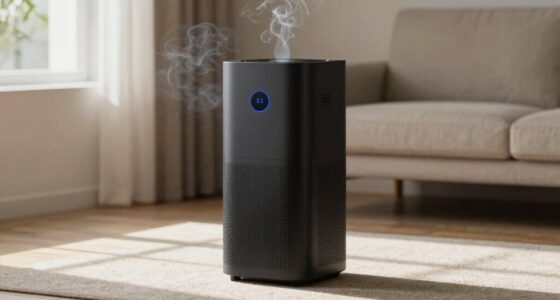
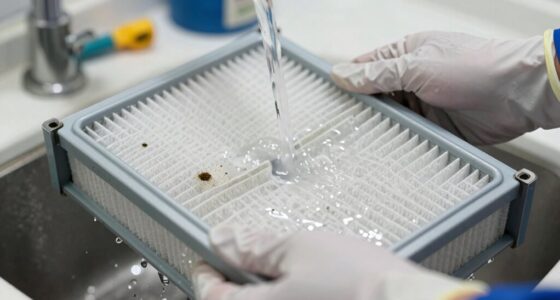
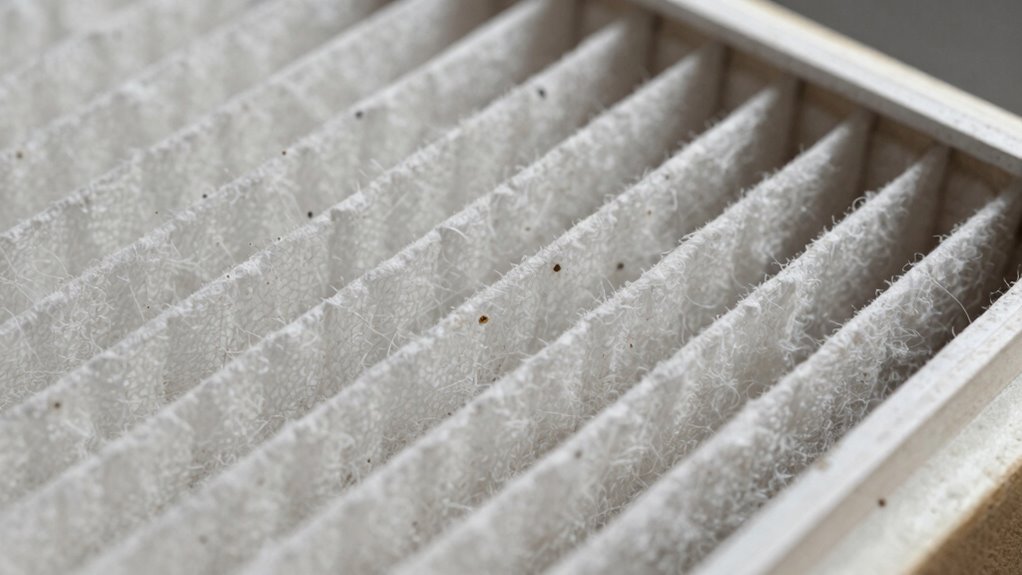
Have you ever wondered what determines a HEPA filter’s effectiveness? It’s tempting to rely solely on the label claiming “HEPA,” but the true performance depends on more than just that designation. To understand this better, you need to consider airflow dynamics. How air moves through the filter affects how well it captures airborne particles. If the airflow is too fast, the filter might not trap smaller particles efficiently because they pass through too quickly. Conversely, if airflow is too slow, dust and pollutants may settle or clog the filter faster, reducing its lifespan. Proper airflow ensures that particles have enough contact time with the filter media to be captured effectively. It’s a delicate balance that can significantly influence the filter’s real-world performance, regardless of its certification. Additionally, filter lifespan plays a crucial role. A HEPA filter with a longer lifespan isn’t just about durability; it’s about maintaining high filtration efficiency over time. When filters are used beyond their capacity, they tend to become clogged, which increases airflow resistance and diminishes their ability to trap particles. This not only compromises air quality but can also strain your ventilation system, leading to higher energy costs and potential damage. Therefore, a filter’s longevity depends on proper maintenance and understanding its capacity limits. Replacing or cleaning filters at appropriate intervals keeps airflow steady and ensures the filter continues performing at peak levels. It’s also important to consider filter design because different designs can influence how well air flows through the media and how effectively particles are captured. A thorough understanding of airflow dynamics can help optimize filter performance and extend the lifespan of your filtration system. Additionally, understanding how airflow regulation influences filter efficiency can help you make better choices for your home environment.
It’s important to remember that a HEPA filter’s label doesn’t tell the whole story. Many factors influence its practical effectiveness, including the design of your ventilation system, the environment you’re in, and how well you maintain the filter. For example, a high-quality HEPA filter installed in an improperly balanced airflow system may not deliver the expected results. Similarly, neglecting to replace a filter when it’s full can drastically reduce its lifespan and filtration efficiency. To get the most out of your HEPA filter, pay attention to airflow dynamics and adhere to recommended maintenance schedules. These considerations ensure the filter not only meets certification standards but also performs optimally in your specific environment, providing cleaner air and better overall indoor air quality.
As an affiliate, we earn on qualifying purchases.
Frequently Asked Questions
How Often Should HEPA Filters Be Replaced for Optimal Performance?
You should replace your HEPA filter every 6 to 12 months for *peak* performance, depending on usage and environment. Regularly check the filter’s lifespan, especially if you notice reduced airflow or increased dust. The replacement frequency varies based on factors like air quality and household allergies. Staying attentive to these signs ensures your filter maintains its efficiency and keeps your air clean and healthy.
Do All HEPA Filters Meet the Same Industry Standards?
Do all HEPA filters meet the same standards? Not necessarily. While they all must adhere to industry benchmarks, variations in filter material and design influence airflow resistance and overall performance. A filter with higher airflow resistance might trap more particles but could also reduce efficiency. So, it’s essential to check specific product details and certifications rather than relying solely on labels to guarantee your filter meets your needs.
Can a Filter’s Brand Guarantee Its HEPA Performance?
A filter’s brand reputation can give you an idea of its reliability, but it doesn’t guarantee HEPA performance. Quality varies even within trusted brands, and factors like filter longevity impact effectiveness. You should always check certified performance ratings and make sure the filter meets industry standards, rather than relying solely on the brand name. This approach guarantees you get maximum filtration and long-lasting results for your air quality needs.
Are There Specific Certifications to Look for in HEPA Filters?
You should look for HEPA filters with certifications like HEPA or UL 900, which guarantee standards are met. Interestingly, only filters with proper material durability and filter compatibility perform effectively; a certified HEPA filter guarantees this. These certifications confirm the filter’s ability to trap 99.97% of particles. Always check for trusted labels to make sure your filter maintains high performance over time, not just a brand name.
How Does Humidity Affect HEPA Filter Efficiency?
Humidity impact can markedly reduce HEPA filter efficiency, especially in high-moisture environments. Excess humidity causes particles to clump together, making it harder for the filter to trap contaminants effectively. Over time, this moisture can also compromise filter integrity, decreasing its lifespan. To maintain peak performance and filter longevity, it’s crucial to control humidity levels and replace filters as recommended, especially in humid conditions.
HEPA filter replacement and maintenance kit
As an affiliate, we earn on qualifying purchases.
As an affiliate, we earn on qualifying purchases.
Conclusion
Remember, don’t judge a book by its cover—or a HEPA filter by its label. While a HEPA filter’s rating offers a good start, real-world performance depends on factors like filter quality, maintenance, and airflow. Stay vigilant and check for proper fit and regular changes. As the saying goes, “The proof of the pudding is in the eating.” Keep these principles in mind, and you’ll better protect your space from airborne particles.
As an affiliate, we earn on qualifying purchases.
airflow optimized ventilation system
As an affiliate, we earn on qualifying purchases.
As an affiliate, we earn on qualifying purchases.
Cold & flu season Picks
humidifiers
As an affiliate, we earn on qualifying purchases.