While it might seem that more pleats in a filter mean better air quality, it’s not always true. Increasing pleat density doesn’t automatically improve filtration and can even restrict airflow if not designed properly. Too many pleats may cause your HVAC system to work harder and waste energy. The real key lies in the filter’s material, quality, and balance — so you’ll discover what makes an effective filter as you explore further.

Get health and wellness essentials delivered free — and shop member deals
- Fast, free delivery on millions of items
- Access to Prime Big Deal Days deals on October 6–7
- Prime Video, Amazon Music and more included
Key Takeaways
- More pleats increase surface area but do not guarantee better filtration or air quality.
- Excessively dense pleats can restrict airflow, reducing HVAC efficiency and increasing energy costs.
- The effectiveness of a filter depends on material quality and design, not just the number of pleats.
- Proper balance between pleat density and airflow capacity is essential for optimal performance.
- Regular maintenance and selecting appropriate filter ratings are crucial for maintaining air quality.

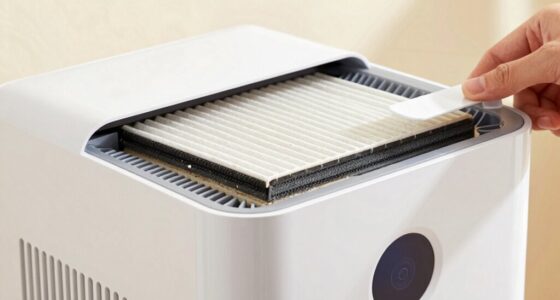
Have you ever wondered how to improve your air quality efficiently? If so, you might have come across pleated filters as a popular choice. These filters are designed with multiple folds or pleats to increase their surface area, which many assume directly translates to better filtration. But more pleats don’t always mean better air quality. While it’s true that a larger surface can trap more particles, simply adding more pleats isn’t a guaranteed solution. The effectiveness of a pleated filter depends on several factors, including the filter material, the overall design, and your specific needs.
More pleats don’t always mean better air quality; filter material and design matter most.
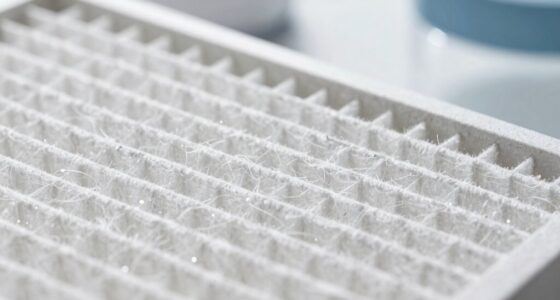
When you look at a pleated filter, you’ll notice its many folds, often packed closely together. This design aims to maximize the area available for capturing dust, pollen, pet dander, and other airborne contaminants. At first glance, it makes sense—more surface area should mean more filtration capacity, right? Not necessarily. If the pleats are too densely packed, airflow can become restricted, forcing your HVAC system to work harder to push air through the filter. This increased pressure drop can lead to reduced efficiency, higher energy bills, and even strain on your system over time. So, while more pleats can theoretically trap more particles, in practice, they can also hinder airflow if not designed properly.
Another important consideration is the filter material itself. A filter with many pleats made from subpar materials won’t perform well, regardless of its shape. High-quality media can effectively capture smaller particles, but if the material isn’t up to standard, increasing the number of pleats won’t solve the core filtration issue. Additionally, a filter that’s overly dense may trap particles effectively but can also become clogged quickly, reducing airflow and requiring frequent replacements. That’s why balancing pleat design, material quality, and your system’s airflow capacity is key.
Furthermore, the environment you’re filtering plays a significant role. If you’re in an area with high pollution or allergies, you might prioritize filters with higher MERV ratings, which indicate better particle removal. However, a higher MERV rating combined with too many pleats could cause airflow restrictions. Conversely, if your indoor air quality isn’t a major concern, a simpler, less dense filter might suffice and last longer. It’s also worth noting that filter maintenance is crucial for ensuring ongoing performance and air quality.
high quality pleated air filters
As an affiliate, we earn on qualifying purchases.
As an affiliate, we earn on qualifying purchases.
Frequently Asked Questions
How Do Pleated Filters Compare to Non-Pleated Filters?
Pleated filters generally trap more dust and allergens than non-pleated filters because they have a larger surface area. This means they can last longer and improve air quality better. However, not all pleated filters are equal; some have more pleats than others, which doesn’t always mean better performance. You should choose a filter based on your specific needs, considering factors like MERV ratings and airflow restrictions.
What Materials Are Used in Pleated Filter Manufacturing?
Think of pleated filters like a finely woven fabric. They’re made from materials like polyester, cotton, or microfiber, which trap particles effectively. When I replaced my old filter with one made of high-quality polyester, I noticed my HVAC running smoother. These materials are durable and capable of capturing dust, pollen, and allergens, ensuring cleaner air. So, choosing the right material directly impacts your filter’s performance and lifespan.
How Often Should Pleated Filters Be Replaced?
You should replace your pleated filter every 90 days for ideal air quality and system efficiency. However, if you have pets, allergies, or live in a dusty area, consider changing it every 30 to 60 days. Regularly check the filter for dirt buildup; if it looks clogged or dirty sooner, replace it sooner. Proper maintenance helps improve indoor air quality and prolongs your HVAC system’s lifespan.
Are Pleated Filters Suitable for All HVAC Systems?
Yes, pleated filters suit most HVAC systems, providing powerful particle trapping and improved airflow. You’ll find them fitting for many furnaces, air conditioners, and HVAC setups, enhancing efficiency and air quality. However, some systems with limited space or specific requirements might need alternative filters. Always check your system’s specifications and consult your HVAC professional to guarantee you choose a filter that fits, functions, and facilitates fresh, filtered air seamlessly.
Can Pleated Filters Improve Indoor Air Quality Significantly?
Yes, pleated filters can considerably improve your indoor air quality by capturing more dust, pollen, and other airborne particles. Their increased surface area allows for better filtration, especially if you choose a filter with a higher MERV rating. However, keep in mind that a filter that’s too dense might restrict airflow, so find a balance that suits your HVAC system to guarantee ideal air quality without sacrificing system efficiency.
As an affiliate, we earn on qualifying purchases.
Conclusion
Just like Goldilocks sought the right porridge, remember that when it comes to pleated filters, more isn’t always better. Too many pleats can restrict airflow and reduce efficiency, much like overstuffed shelves become hard to navigate. Instead, aim for a balance that suits your needs. Choosing wisely guarantees your home’s air stays fresh and clean—proving that sometimes, less really is more. Be smart, filter wisely, and breathe easier.
air filters with optimal pleat density
As an affiliate, we earn on qualifying purchases.
As an affiliate, we earn on qualifying purchases.
energy efficient pleated furnace filters
As an affiliate, we earn on qualifying purchases.
As an affiliate, we earn on qualifying purchases.
Fall Picks
fall essentials
As an affiliate, we earn on qualifying purchases.