Coverage area claims often oversimplify real-world signals and don’t account for environmental factors like terrain, buildings, or weather that can weaken or block signals. While maps may show broad coverage zones, your actual experience can vary within those areas. Signal strength fluctuates, and coverage boundaries aren’t always precise. To truly understand what coverage you can expect, it’s helpful to look beyond claims and explore the factors that influence signal quality—there’s more to discover if you keep exploring.
Key Takeaways
- Coverage area claims are based on signal strength data that can vary due to environmental factors.
- Exact boundaries are hard to define; real-world coverage may differ from maps.
- Regular updates improve map accuracy but cannot eliminate all discrepancies.
- Physical obstructions like terrain and buildings significantly impact actual coverage.
- Consumers should verify coverage with current maps and consider potential signal variability.
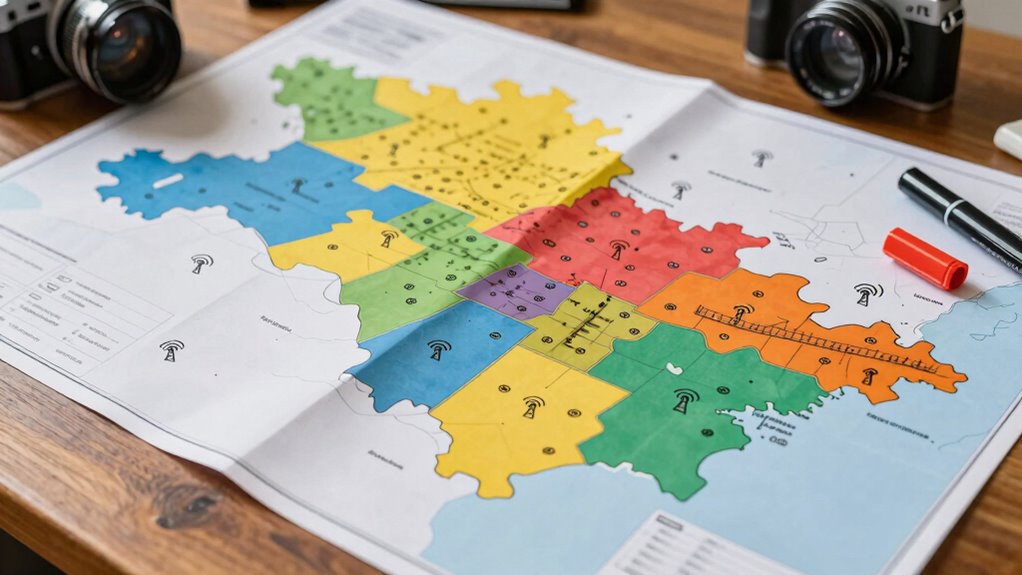
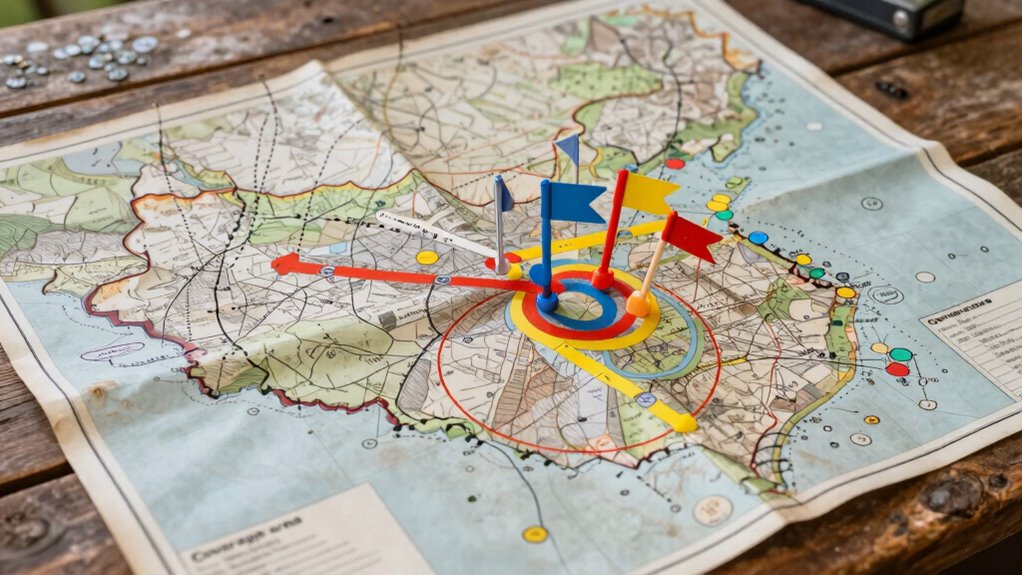
Coverage maps are created using detailed data collection methods, often involving signal strength measurements taken from multiple points within the area. These measurements help insurers understand where their signals are strongest and where they might weaken. If your location falls in an area with weak signal strength, the coverage map will reflect this, indicating that your coverage could be limited or less reliable. Conversely, areas with robust signal strength are marked as ideal zones, ensuring you receive full coverage benefits. This is especially important for mobile insurance policies, where signal strength directly impacts the quality of service and the ability to access your coverage when you need it most.
The accuracy of coverage maps is vital because it influences your expectations and the insurer’s responsibilities. If you’re in an area marked as covered, but your signal is consistently weak or unreliable, it can lead to disputes over whether your claim falls within the coverage zone. That’s why insurance companies invest in regularly updating these maps, incorporating new data to reflect changes in infrastructure or signal improvements. They want to ensure that their coverage claims align with the real-world experience of their clients. Additionally, environmental factors such as terrain or buildings can impact the coverage area, making it essential for insurers to consider these variables when updating their maps. Incorporating environmental factors into the data collection process helps improve the accuracy and reliability of coverage assessments. Understanding how coverage maps and signal strength influence coverage area claims can help you navigate your policy better. If you’re unsure whether your location is covered, it’s worth checking the latest maps provided by your insurer. Keep in mind that coverage boundaries aren’t always perfectly precise, and environmental factors, like buildings or terrain, can impact actual signal strength. Recognizing the role of signal strength data can help consumers better understand the limitations of coverage claims. Additionally, advances in data collection techniques continue to enhance the precision of these maps, ultimately benefiting consumers and insurers alike. Ultimately, these tools serve as a guide for both you and the insurer to clarify where coverage applies, helping to prevent misunderstandings and ensure you get the protection you’re paying for.

ZORIDA Cell Phone Booster for All U.S Carriers, Boosts 5G 4G LTE 3G, Cell Phone Signal Booster for Home and Office, 72dB High Gain Antennas, Verizon, AT&T, T-Mobile, App Support FCC Approved
【Boost Your Signal】– The cell booster can be used without registering with the carrier. Enjoy fewer dropped calls,…
As an affiliate, we earn on qualifying purchases.
As an affiliate, we earn on qualifying purchases.
Frequently Asked Questions
How Do Carriers Measure Coverage Area?
Carriers measure coverage area by testing signal strength across different locations, ensuring consistent network reliability. They use specialized equipment to map out where signals are strong enough for good connections, often creating coverage maps. Factors like terrain, buildings, and infrastructure affect signal strength, so carriers consider these when defining coverage zones. This way, they can accurately estimate where your device will have reliable service within their claimed coverage area.
Do Obstacles Affect Coverage Claims?
Obstacles like building materials and signal interference definitely impact your coverage claims. You might think your carrier’s map is perfect, but real-world factors can weaken signals inside buildings or in areas with lots of interference. Thick walls, metal, or dense urban environments can reduce coverage, making your experience different from advertised claims. So, don’t be surprised if your actual coverage varies—obstacles are a real factor in signal strength.
Are Coverage Maps Always Accurate?
Coverage maps aren’t always accurate because network congestion and signal degradation can reduce your actual service area. Even if a map shows strong coverage, you might experience slower speeds or dropped signals during busy times or in certain locations. Factors like obstacles, weather, and device quality also impact your experience, so it’s wise to test coverage in your specific area before committing to a provider.
How Can I Verify Coverage in My Area?
You can verify coverage in your area by checking your carrier’s coverage map online, but keep in mind that actual signal strength varies with network congestion and location. To get a better idea, ask neighbors about their experiences or perform test calls during different times of the day. Also, visit local stores or service centers for real-world info, and consider using signal strength apps to measure performance directly.
Why Do Coverage Claims Differ Between Providers?
Did you know that nearly 30% of users report coverage inconsistencies? Coverage claims differ because providers experience network congestion differently and rely on varied infrastructure. Customer reviews often highlight these real-world differences, revealing issues like dropped calls or slow data, even if coverage maps look similar. So, your experience can vary based on location, network load, and equipment, making it essential to take reviews and local conditions into account before choosing a provider.

GlocalMe U3 4G LTE Mobile Hotspot Device with 10GB US/CA/MX Data 30 Days, Portable WiFi Hotspot for Travel in 200+ Countries, No SIM Card Needed, 10 Connected Devices, Pocket WiFi (U3 with 10GB)
Preloaded 10GB US/CA/MX Data: Preloaded with 10GB data for America/Canada/Mexico, valid for 30 days. Ready to use out…
As an affiliate, we earn on qualifying purchases.
As an affiliate, we earn on qualifying purchases.
Conclusion
Don’t get caught up in overly optimistic coverage area claims. While providers often boast about extensive reach, real-world factors like terrain, building interference, and network congestion can limit your experience. It’s tempting to believe the hype, but the truth is, coverage varies more than advertised. So, instead of relying solely on claims, test the network yourself in your typical environment. That way, you’ll know exactly what to expect and avoid disappointment.
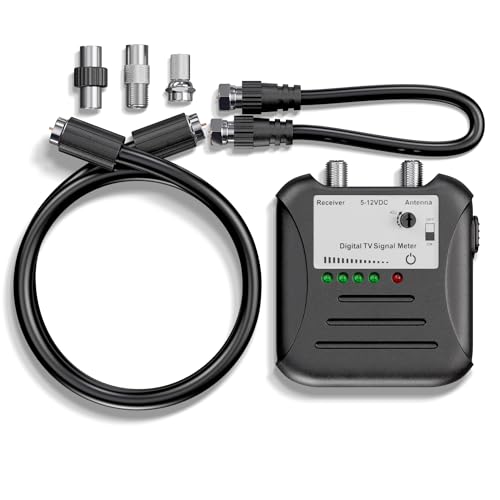
THE CIMPLE CO Antenna Signal Strength Meter for TVs, RVs, OTA Antennas – TV Channel Finder and Sensitivity Adjuster – Over-the-Air Signal Tester with LED Indicators and Coaxial Cable, Black
Includes: 1 TV signal strength meter with adapter kit and 1 coaxial cable. Please note, the signal meter…
As an affiliate, we earn on qualifying purchases.
As an affiliate, we earn on qualifying purchases.

NPET AC1200 WiFi Extender Dual Band, 1200Mbps Wireless Signal Booster for Home, 7000 Sq.ft Coverage, 32 Devices, USB-C & 2 Ethernet Ports, Black
Maximize Your WiFi Coverage & Eliminate Dead Zones: Tired of weak WiFi spots? The NPET WiFi Extender uses…
As an affiliate, we earn on qualifying purchases.
As an affiliate, we earn on qualifying purchases.