

TL;DR
Open a free Amazon Business account
Business pricing, bulk buying and tax-exempt orders.
Create a free accountAs an affiliate, we earn on qualifying purchases.
The U.S. Department of Agriculture has released updated dietary guidelines recommending increased consumption of plant-based foods. This shift aims to promote better health outcomes and environmental sustainability. The changes reflect recent scientific findings but are still subject to debate among experts.
The U.S. Department of Agriculture (USDA) has released new dietary guidelines urging Americans to increase their intake of plant-based foods, such as vegetables, fruits, legumes, and whole grains. This marks a significant shift from previous recommendations and aims to improve public health and reduce environmental impact.
The updated guidelines, published in March 2024, recommend that at least half of all grains consumed should be whole grains and emphasize the importance of plant-based proteins over red meats. The USDA cites recent scientific research linking plant-heavy diets to lower risks of chronic diseases such as heart disease, diabetes, and certain cancers. The guidelines also highlight the environmental benefits of reducing meat consumption, including lower greenhouse gas emissions and water usage.
Officials from the USDA stated that these recommendations are based on a comprehensive review of current nutritional science and environmental data. The guidelines are intended to inform federal nutrition programs, school meals, and public health initiatives. While the recommendations are voluntary, they are expected to influence consumer behavior and industry standards over time.
Implications for Public Health and Sustainability
This update signals a potential shift in American eating habits toward more plant-based diets, which could lead to improved health outcomes and reduced healthcare costs related to chronic illnesses. Additionally, the emphasis on sustainability aligns with growing concerns about climate change and resource conservation. Experts suggest that widespread adoption of these guidelines could have a meaningful environmental impact and promote healthier lifestyles nationwide.

Orgain Organic Vegan 21g Protein Powder, Vanilla Bean, 2.03 lb
- Organic Plant-Based Protein: 21g per serving with all essential amino acids
- Low Sugar Content: Contains only 1g sugar per serving
- Gut Support Fiber: Includes 6g prebiotic fiber per serving
As an affiliate, we earn on qualifying purchases.
As an affiliate, we earn on qualifying purchases.
Recent Trends and Scientific Evidence on Diets
Over the past decade, research has increasingly supported the health benefits of plant-based diets. Studies published in leading medical journals have shown that diets rich in vegetables, fruits, legumes, and whole grains are associated with lower incidences of cardiovascular disease, obesity, and type 2 diabetes. Meanwhile, environmental organizations have highlighted the significant carbon footprint of meat production, prompting calls for dietary shifts.
The previous USDA guidelines, last updated in 2020, already encouraged balanced eating but placed less emphasis on plant-based proteins. The new guidelines reflect a more aggressive stance based on emerging evidence and global dietary trends.
“Our new guidelines are rooted in the latest science, emphasizing the health and environmental benefits of plant-based eating to help Americans lead healthier, more sustainable lives.”
— USDA Secretary Tom Vilsack

HANAMYA 33 Liter / 50 lbs Rice Storage Container with Measuring Cup, BPA free, For Rice | Grain | Pet Food | Flour, 2 count, White
- This Food Storage Container is made of BPA-free…
- Airtight Silicone Sealed Cover with one Flip Lids and 6 Locks: Keep rice, flour, corn, beans,…
- 33 Liter-11.5"Wx17.6"Dx19.5"H, holds approximately 50 lbs of rice…
As an affiliate, we earn on qualifying purchases.
As an affiliate, we earn on qualifying purchases.
Uncertainties About Implementation and Public Response
While the guidelines are clear in their recommendations, it is still uncertain how quickly and widely they will influence consumer behavior and industry practices. There is also debate among nutrition experts about the extent to which plant-based diets alone can meet all nutritional needs, particularly for certain populations like children and athletes. Additionally, the voluntary nature of the guidelines means actual policy changes at state and local levels are still developing.
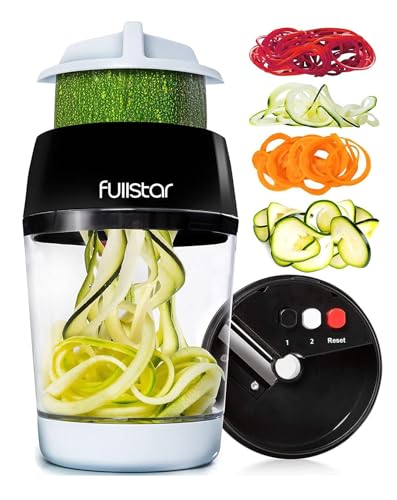
Fullstar – Vegetable Spiralizer & Slicer, Veggie Noodle Maker Kitchen Gadget
- Compact 4-in-1 Design: Space-saving vegetable spiralizer with four options
- Built-in Storage Container: Includes catch container and lid for mess-free prep
- Multiple Cutting Options: Adjustable blades for thick, thin, ribbon, or combo cuts
As an affiliate, we earn on qualifying purchases.
As an affiliate, we earn on qualifying purchases.
Next Steps for Policy Adoption and Public Education
Federal agencies are expected to develop educational campaigns and support programs to promote these dietary changes. State and local governments may adapt their nutrition policies accordingly. Monitoring of public response and health outcomes over the coming years will determine the long-term impact of these guidelines. Industry stakeholders are also likely to adjust product offerings in response to evolving consumer preferences.

Lawei 8 Pack 34 oz Clear Plastic Jars with Black Lids – Plastic Food Storage Jars for Kitchen & Household Storage of Dry Goods, Nuts, Cookie and more
- Set Includes 8 Clear Plastic Jars: Each 34 oz capacity, with black lids
- Durable Food-Grade PET Material: High clarity, strong, and shatter-resistant
- Airtight Seal with Foam Liners: Keeps contents fresh for longer
As an affiliate, we earn on qualifying purchases.
As an affiliate, we earn on qualifying purchases.
Key Questions
Will these new guidelines require Americans to change their diets immediately?
No, the guidelines are voluntary and meant to inform public health policies and industry practices. Adoption will vary based on individual choices and local policies.
Are plant-based diets nutritionally complete for everyone?
While many studies support their health benefits, some populations may need to pay special attention to nutrients like vitamin B12, iron, and omega-3s. Consulting a healthcare professional is recommended for personalized advice.
How might these guidelines impact food industry products?
Expect increased availability and marketing of plant-based foods, including meat alternatives and fortified products, as industry adapts to new consumer preferences.
Will this lead to higher food costs for consumers?
It depends. Some plant-based foods can be cheaper, but others may be more expensive than traditional options. Overall, the impact on costs will vary by region and product type.
Source: google-trends
Flea & tick season Picks
flea and tick prevention
As an affiliate, we earn on qualifying purchases.