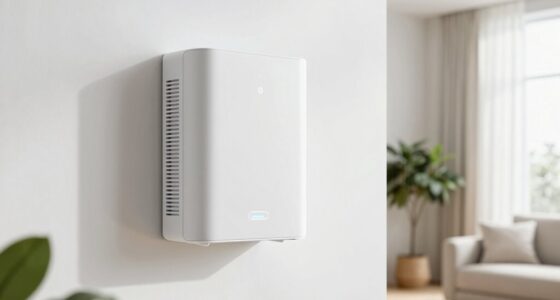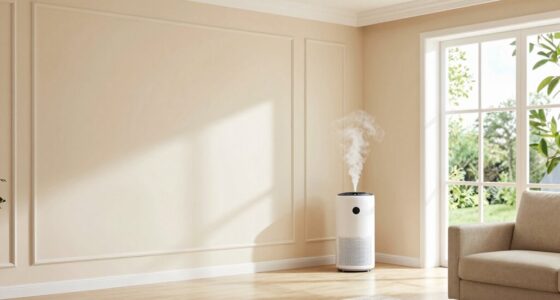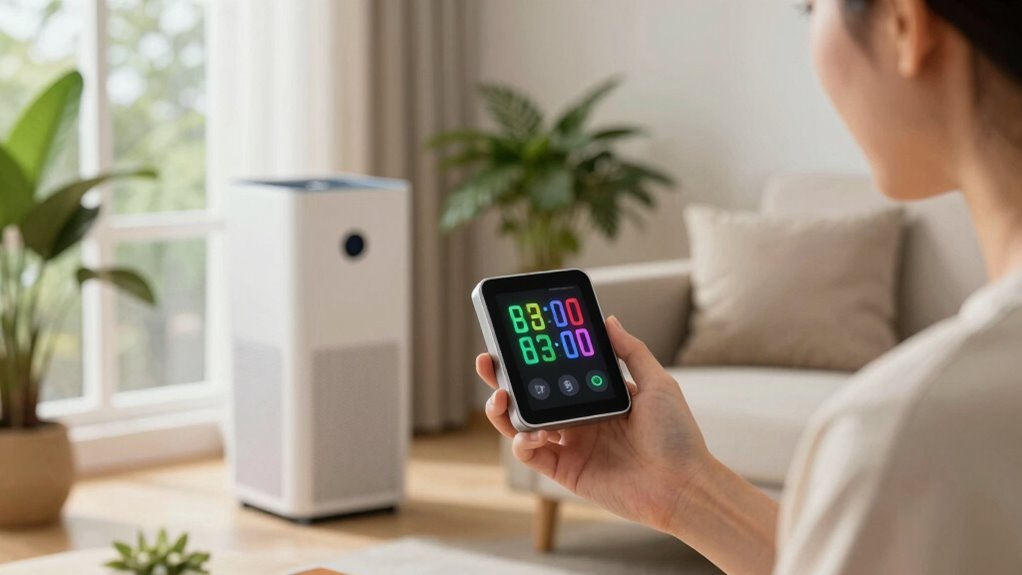

Before buying indoor air quality products, ask yourself what specific pollutants you need to target, such as dust or VOCs. Check if the device provides clear data on key metrics like particulate matter or VOC levels, and verify it has reputable certifications like ENERGY STAR. Consider ongoing costs like filter replacements and energy use. Ensuring continuous monitoring of air quality helps validate effectiveness. Keep these questions in mind to make a smart choice — more details are just ahead.

Get health and wellness essentials delivered free — and shop member deals
- Fast, free delivery on millions of items
- Access to Prime Big Deal Days deals on October 6–7
- Prime Video, Amazon Music and more included
Key Takeaways
- What specific pollutants does the device target, and does it effectively address your indoor air quality concerns?
- Are the product’s air quality metrics, certifications, and standards clearly provided and independently verified?
- How does the device measure and monitor air quality over time to ensure ongoing performance?
- What are the maintenance requirements, filter replacement costs, and long-term operational expenses?
- Does the device meet recognized standards like AHAM or ENERGY STAR for safety and efficiency?
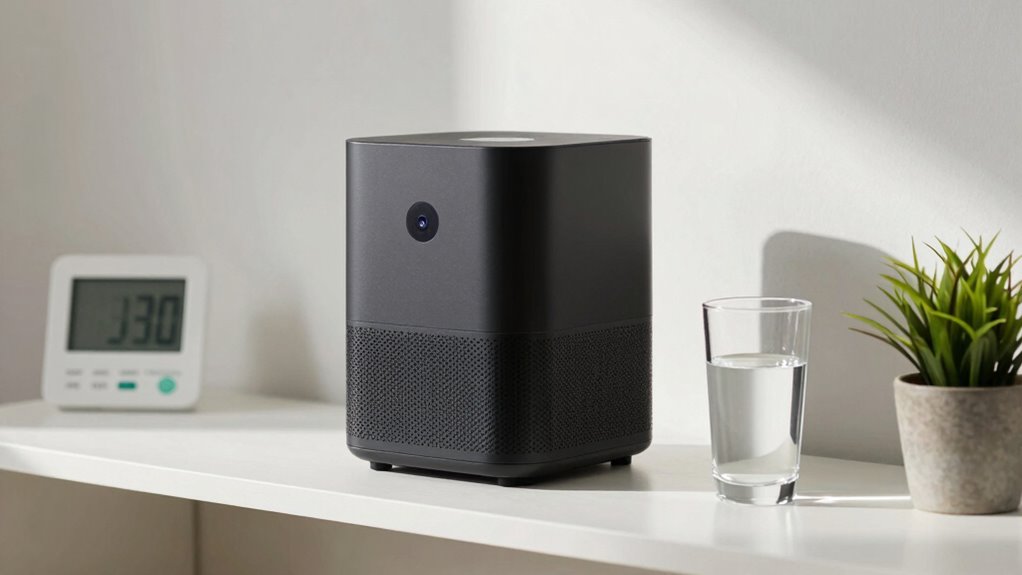
Are you unsure what to ask before purchasing an indoor air quality product? It’s a smart question because the market is filled with options, and not all products are created equal. To make an informed decision, you need to understand the core aspects that determine a product’s effectiveness. Start by considering air quality metrics—these are the numerical indicators that measure pollutants like particulate matter (PM), volatile organic compounds (VOCs), humidity, and other key factors affecting your indoor environment. Any reputable product should provide clear data on these metrics, so you can assess whether it’s capable of addressing your specific concerns. If a device claims to improve air quality but doesn’t specify how it measures success or the levels it targets, that’s a red flag.
Ask about air quality metrics and measurement standards to ensure the product effectively targets your specific concerns.
Next, look into product certification. Certifications are essential because they verify that the device meets certain safety, performance, and quality standards. For instance, certifications from recognized agencies or standards organizations can give you confidence that the product has undergone rigorous testing. Certifications like AHAM (Association of Home Appliance Manufacturers) or ENERGY STAR indicate the product has been evaluated for efficiency and safety. Be cautious of devices that lack any independent certification, as they might not perform as advertised or could even be unsafe. Certifications also often involve testing for emissions, noise levels, and energy consumption, all of which impact your comfort and wallet.
Beyond metrics and certifications, think about the specific pollutants you want to target. For example, if you’re worried about allergens, dust, or pet dander, look for products designed to handle those issues effectively. If VOCs are your concern, prioritize devices that specify their ability to filter or neutralize these chemicals. Understanding your needs helps you ask the right questions about how a product functions and whether it’s suitable for your space. Additionally, understanding air quality measurement and how it correlates with device performance can help you make a more informed choice. Being aware of how pollutant levels are monitored can assist you in selecting a device that truly addresses your indoor air concerns.
Another critical question is about maintenance and ongoing costs. Find out how often filters need replacing, how much replacements cost, and whether the device is energy-efficient. A product might look impressive initially but could become costly or inconvenient over time. Regularly monitoring air quality levels can help you gauge the effectiveness of any device you consider and ensure it continues to meet your needs.
indoor air quality monitor with VOC detection
As an affiliate, we earn on qualifying purchases.
As an affiliate, we earn on qualifying purchases.
Frequently Asked Questions
How Often Should I Replace My Indoor Air Filters?
You should replace your indoor air filters every 1 to 3 months to maintain ideal air quality standards. Regular filter maintenance is essential because dirty filters can hinder airflow and reduce filtration efficiency. Check your filters monthly, especially during peak allergy seasons or if you notice dust buildup or decreased HVAC performance. Following this schedule helps guarantee your indoor air remains clean and healthy, supporting better air quality standards.
Are There Eco-Friendly Indoor Air Purification Options Available?
Yes, eco-friendly indoor air purification options are available. You can choose sustainable purification systems like HEPA filters made from recyclable materials, natural air purifiers such as houseplants, or UV-C light purifiers that use less energy. These eco-friendly options help reduce your carbon footprint while maintaining clean, healthy indoor air. By selecting sustainable purification methods, you support environmental health and enjoy fresher, safer air inside your home.
What Is the Average Cost of Indoor Air Quality Systems?
The average cost of indoor air quality systems varies between $300 and $3,000, depending on the system’s complexity and features. When considering options, focus on meeting air quality standards and improving ventilation. Upgrading your system can be a worthwhile investment, as better ventilation and air purification help maintain healthier indoor environments, especially if you choose eco-friendly options that support sustainability and long-term savings.
Can Indoor Air Purifiers Help With Allergies and Asthma?
Indoor air purifiers can dramatically improve allergy relief and asthma management, making your home feel like a breath of fresh inspiration from a mountain summit. They effectively trap pollen, pet dander, mold spores, and airborne irritants that trigger symptoms. With consistent use, you’ll notice fewer sneezing fits and easier breathing, transforming your space into a healthier haven. It’s like giving your lungs a luxurious spa treatment every day!
How Do I Determine the Right Size for My Indoor Air System?
To determine the right size for your indoor air system, you need to consider your room’s square footage and air exchange needs. Size selection is essential for effective purification, so measure your space accurately. Ensuring system compatibility with your room size prevents over- or under-performance. Consult the manufacturer’s guidelines or an HVAC professional to match your room’s specific requirements, optimizing air quality and energy efficiency.
ENERGY STAR certified air purifier
As an affiliate, we earn on qualifying purchases.
As an affiliate, we earn on qualifying purchases.
Conclusion
So, before you rush into that indoor air purchase, remember—you’re probably about to buy something you never truly understood. Ironically, the air inside your home might be the last thing you want to gamble on. Asking the right questions now could save you from breathing in more trouble later. After all, who knew that the most important investment you make could be in the very air you take for granted every day?
air purifier with real-time air quality metrics
As an affiliate, we earn on qualifying purchases.
As an affiliate, we earn on qualifying purchases.
HEPA air purifier for dust and allergens
As an affiliate, we earn on qualifying purchases.
As an affiliate, we earn on qualifying purchases.
Fall Picks
fall essentials
As an affiliate, we earn on qualifying purchases.