Your sensitivity to dry indoor air varies because of differences in your skin type, health conditions, and how your body manages humidity. If you have dry skin, respiratory issues, or health problems, you’ll likely feel discomfort more quickly. Younger, healthier skin usually retains moisture better, reducing irritation. Understanding how your body reacts can help you find ways to stay comfortable. If you want to discover more about why some people feel worse, keep exploring the details below.
Key Takeaways
- Individual skin types and health conditions influence moisture retention, affecting sensitivity to dry air.
- People with respiratory issues or allergies experience more pronounced discomfort from dry indoor environments.
- Variations in age and immune response alter how dryness impacts perception and physical reactions.
- Personal sensitivity levels determine the threshold for feeling discomfort caused by dry air.
- Proper environmental management, like humidifier use, can mitigate dryness effects based on individual needs.

Have you ever noticed that dry indoor air seems to bother some people more than others? It’s a puzzling experience—some breathe comfortably, while others develop dry skin, irritated eyes, or sore throats. The difference often comes down to how your body handles humidity regulation and personal sensitivity. When indoor air lacks moisture, your body struggles to maintain its natural balance, and that’s where some people feel the impact more intensely.
Your body’s ability to regulate humidity plays a vital role in how you experience dry air. If your natural humidity regulation system isn’t functioning at its best, you’re more likely to notice discomfort. For example, during winter months when heating systems dry out the air, some people’s skin becomes itchy and cracked, while others barely notice. This variation depends on individual factors like skin type, underlying health conditions, and even age. Younger, healthier skin tends to retain moisture better, making these individuals less sensitive to dry environments. Conversely, people with sensitive skin or respiratory issues may find dry air exacerbates their symptoms, making them feel worse faster.
Personal sensitivity is another key aspect. Some people have a heightened response to changes in humidity because their immune system or respiratory system reacts more strongly to irritation. If you have allergies, asthma, or other respiratory conditions, dry air can cause more inflammation in your airways, leading to coughing, wheezing, or difficulty breathing. Your body perceives the dryness as an irritant, and your immune system reacts accordingly. This heightened sensitivity means you’re more likely to experience symptoms from dry indoor air even if others around you seem unaffected. Additionally, individual differences in sensitivity can influence how strongly your body reacts to environmental changes. Understanding how body’s humidity regulation functions can help you better manage indoor air quality and your comfort levels. Recognizing the importance of environmental factors can also guide you in making more informed choices about your living space and health.
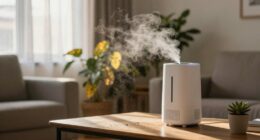
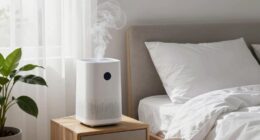
Managing this discomfort often involves efforts to improve humidity regulation in your environment. Using humidifiers, for instance, can add moisture to the air, helping your body maintain a comfortable moisture level. But the effectiveness depends on your personal sensitivity—some people need higher humidity levels to feel comfortable, while others may find too much moisture triggers discomfort or mold growth. Finding the right balance is key, and understanding your body’s response is essential. Additionally, understanding individual differences in sensitivity can guide you in optimizing your indoor environment for comfort.

LEVOIT Top Fill Humidifiers for Bedroom, 2.5L Tank for Large Room, Easy to Fill & Clean, 28dB Quiet Cool Mist Air Humidifier for Home Baby Nursery & Plants, Auto Shut-off for Safety, 25H
𝙁𝙖𝙨𝙩 𝙃𝙪𝙢𝙞𝙙𝙞𝙛𝙞𝙘𝙖𝙩𝙞𝙤𝙣 𝘼𝙡𝙡 𝙉𝙞𝙜𝙝𝙩: Runs for up to 25 hours on low thanks to its SUPER LARGE capacity…
As an affiliate, we earn on qualifying purchases.
As an affiliate, we earn on qualifying purchases.
Frequently Asked Questions
Can Humidity Levels Be Tailored to Individual Preferences?
Yes, you can tailor humidity levels to your personal comfort with humidity control devices. Using a humidifier or dehumidifier allows you to adjust indoor moisture to suit your preferences, helping reduce dryness or dampness. By maintaining ideal humidity levels—typically between 40-50%—you create a more comfortable environment. This personalized approach can alleviate dryness-related discomfort, making your indoor space more pleasant and easier to breathe.
Do Allergies Influence Sensitivity to Dry Indoor Air?
Think of your allergy triggers as tiny invaders that stir up your immune response, making dry air feel harsher. When your immune system is more sensitive, dry indoor air becomes like a gust of wind that aggravates your symptoms. Allergies heighten your awareness of dryness because your body reacts more vigorously, amplifying discomfort. So, yes, allergies directly influence how sensitive you are to dry indoor air, making it feel worse.
How Does Age Affect Perception of Dry Indoor Air Discomfort?
As you age, your perception of dry indoor air discomfort changes due to aging skin and respiratory decline. Aging skin becomes drier and less resilient, making you more sensitive to dryness and irritation. Additionally, respiratory decline reduces your lung capacity and mucus production, making you more prone to discomfort from dry air. These factors combined mean that older adults often find dry indoor air more bothersome than younger individuals.
Are There Specific Health Conditions Linked to Worse Dry Air Reactions?
Think of your body as a delicate garden; certain health conditions act like sensitive plants that struggle with poor air, especially low humidity. People with respiratory issues, asthma, allergies, or sinus problems often have heightened humidity sensitivity, making dry air feel worse. Poor air quality exacerbates this, intensifying discomfort. If you fall into these categories, you’re more likely to notice the effects of dry indoor air, making it essential to improve humidity and air quality.
Can Personal Lifestyle Habits Alter Sensitivity to Indoor Humidity?
Yes, your lifestyle habits can influence your sensitivity to indoor humidity. Practicing good air quality and humidity control, like using humidifiers or air purifiers, helps maintain comfortable moisture levels. Staying hydrated, avoiding irritants, and managing allergies also play a role. These habits can reduce dryness and irritation, making you less affected by dry indoor air. Consistent humidity control helps your body adapt better, easing discomfort caused by low humidity levels.

TempPro TP50 Digital Hygrometer Indoor Thermometer Room Thermometer and Humidity Gauge with Temperature Humidity Monitor(Previously ThermoPro)
Wellness Indicator: This humidity meter with humidity level icon indicates air conditions – DRY/COMFORT/WET, allowing this humidity sensor…
As an affiliate, we earn on qualifying purchases.
As an affiliate, we earn on qualifying purchases.
Conclusion
So, next time dry air feels unbearable, remember it’s not just in your head. Your body’s sensitivity, health, and environment all play a role. Imagine walking into a room where the air feels like a harsh, endless desert — that’s how dry air can seem to some. But with a humidifier or simple changes, you can transform that space into a cozy, breathable haven. Don’t let dry air drain your comfort — take control today.

Honoson 2 Pack Nano Facial Mister Spray Bottle Handheld Humidifier Portable Face Mister for Eyelash Extensions USB Rechargeable 1 oz Mini Skin Care Machine for Daily Makeup(Blue and Dark Pink)
Large capacity: the 30 ml storage volume can be applied about 16 to 18 times, no need to…
As an affiliate, we earn on qualifying purchases.
As an affiliate, we earn on qualifying purchases.

HomBreez Air Purifier and Humidifier Combo for Bedroom, Covers Up to 200ft², H13 True HEPA Filter, 400ML Water Tank, Quiet Cool Mist Top Fill Essential Oil Diffuser for Baby, Pet Room, APP Control
3-in-1 Multifunctionality – Experience the ultimate convenience with a device that purifies, humidifies, and diffuses essential oils—all in…
As an affiliate, we earn on qualifying purchases.
As an affiliate, we earn on qualifying purchases.