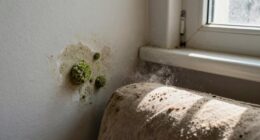
Your bedroom can trigger asthma at night because lying flat causes mucus to pool and narrows airways, while changes in humidity can promote mold and dust mites that worsen symptoms. Reduced airflow, shifting allergens, and decreased cortisol levels make your lungs more reactive. Your body’s natural rhythms further heighten airway sensitivity. Understanding these factors can help you better manage your symptoms—stay with us to learn more about how to keep your bedroom asthma-friendly.
Key Takeaways
- Lying flat causes mucus buildup and airway narrowing, increasing the risk of wheezing and coughing during sleep.
- Indoor humidity can promote mold and dust mites, common asthma triggers that worsen symptoms at night.
- Reduced mucus clearance during sleep leads to congestion and airway irritation, intensifying asthma symptoms.
- Nighttime allergen levels may rise due to closed windows and indoor pet dander, aggravating airway inflammation.
- Natural circadian hormone fluctuations decrease anti-inflammatory effects, making airways more reactive at night.
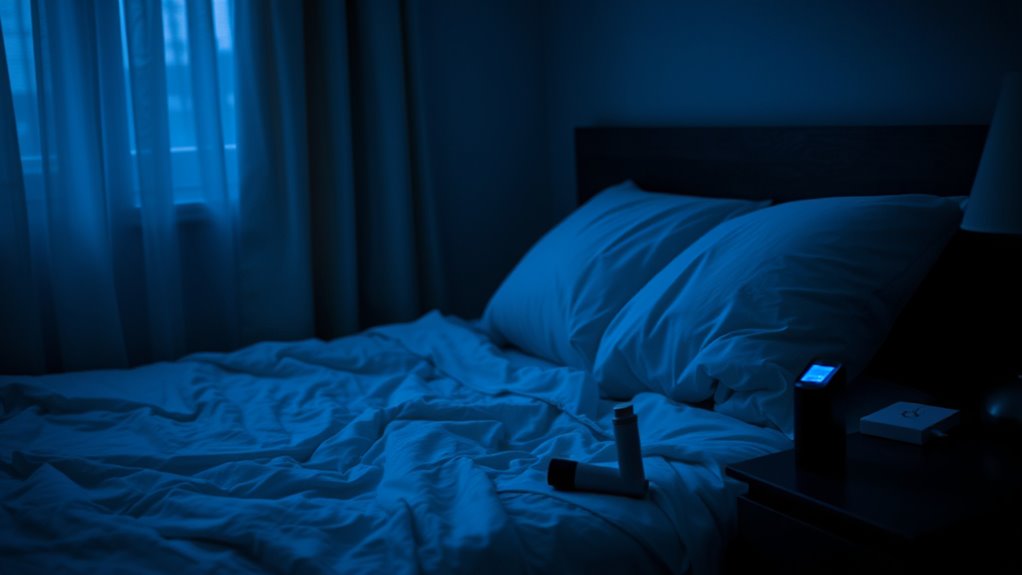
Have you ever wondered why asthma symptoms often worsen at night? It’s a question many people with asthma ask themselves, and the answer lies in a combination of environmental factors and your body’s natural rhythms. When you lie down to sleep, your body’s position and the environment of your bedroom can substantially influence how your lungs respond. During the night, your airways tend to become more sensitive and prone to constriction, making symptoms like wheezing, coughing, and shortness of breath more pronounced. This is partly because lying flat can cause mucus to pool in your airways, narrowing the passages and making it harder to breathe. Additionally, this position can lead to increased postnasal drip, which irritates your throat and worsens coughing.
Lying flat at night can increase mucus pooling and airway sensitivity, worsening asthma symptoms.
Humidity levels in your bedroom can also play a role. High humidity encourages the growth of mold, dust mites, and other allergens that thrive in moist environments. These tiny particles can irritate your lungs and trigger asthma attacks. Conversely, if your bedroom is too dry, it can dry out your airways, making them more sensitive and reactive. Balancing humidity with a dehumidifier or humidifier, depending on your environment, can help reduce this risk. Dust mites, common in bedding and pillows, are another culprit. They thrive in warm, cozy beds and can easily become airborne when you change sheets or toss and turn at night. These microscopic creatures cause allergic reactions, inflaming your airways and increasing the likelihood of nighttime symptoms.
Your breathing pattern naturally shifts during sleep, with your breathing becoming slower and more shallow. This change can cause less efficient clearing of mucus from your airways, which then accumulates overnight. As a result, your lungs become more congested, leading to increased coughing and wheezing. Furthermore, certain triggers like pet dander or pollen may be more concentrated indoors at night, especially if windows are closed to keep out outdoor pollution or cold air. This can expose you to higher levels of allergens while you sleep, further aggravating your asthma. Recognizing the importance of indoor air quality can help you better manage these triggers and create a healthier sleeping environment.
Finally, your body’s circadian rhythm influences how your lungs respond to triggers. Hormonal fluctuations at night can cause your airways to become more reactive. For example, cortisol, an anti-inflammatory hormone, tends to decrease at night, reducing your body’s natural ability to fight inflammation in your airways. Together, these factors combine to make your bedroom a challenging environment for asthma sufferers. The key is to identify and control these triggers—keeping your sleeping area clean, controlling humidity, and minimizing allergens—to help reduce nighttime asthma symptoms and improve your quality of sleep.
Frequently Asked Questions
Can Changing My Bedroom Environment Reduce Nighttime Asthma Symptoms?
Yes, changing your bedroom environment can reduce nighttime asthma symptoms. You should keep your sleeping area clean and free of dust, mold, and pet dander. Use allergen-proof pillowcases and mattress covers, and maintain low humidity to prevent mold growth. Avoid smoking indoors and keep windows closed during high pollen seasons. Regularly ventilate your room and remove carpets or heavy drapes that trap allergens. These steps can help improve your sleep and breathing quality at night.
Are There Specific Bedding Materials That Help Prevent Nighttime Asthma Attacks?
Yes, using hypoallergenic bedding materials can help prevent nighttime asthma attacks. Choose pillowcases and sheets made from tightly woven fabrics like microfiber or cotton with a high thread count, which reduce dust mites and allergens. Avoid feather or down pillows, as they can trigger symptoms. Regularly washing your bedding in hot water and using allergen-proof covers creates a cleaner sleeping environment, minimizing asthma triggers and helping you breathe easier at night.
How Does Humidity in the Bedroom Influence Asthma Symptoms at Night?
Did you know that high humidity levels can increase the risk of nighttime asthma symptoms by up to 50%? If your bedroom’s humidity is above 50%, it can create a perfect environment for mold, dust mites, and other allergens that trigger your asthma. You should aim to keep indoor humidity between 30-50%, using a dehumidifier if needed. This helps reduce allergens and keeps your airways clearer overnight.
Do Nighttime Asthma Symptoms Indicate a More Severe Form of the Condition?
Nighttime asthma symptoms can sometimes signal a more severe form of the condition, but they don’t always. If you notice frequent or intense symptoms at night, it’s a good idea to consult your doctor. They can evaluate your overall asthma control and may recommend adjustments in your treatment plan. Keep track of your symptoms to help your healthcare provider determine if your asthma is more severe and needs additional management.
What Are the Best Medications to Manage Nighttime Asthma Effectively?
You should consider inhaled corticosteroids and long-acting bronchodilators, which are the bread and butter for nighttime asthma control. These medications help reduce inflammation and keep your airways open while you sleep. Using a leukotriene receptor antagonist can also be helpful. Make sure to follow your doctor’s advice and use your inhaler consistently—it’s better to nip the problem in the bud than deal with a full-blown attack come nightfall.
Conclusion
So, next time you find yourself waking in the dark, gasping for air, remember—it might not just be the night. Hidden triggers lurking in your bedroom could be the unseen culprits. Are you truly aware of what’s lurking behind your curtains or beneath your bed? The answer could hold the key to finally ending these restless nights. But uncovering it may require more than just hope—it demands awareness and action. Will you take the first step tonight?