
TL;DR
Recent reports of hantavirus cases have raised public concern. Authorities confirm a few isolated cases but emphasize that the overall risk remains low. This article explains what is known and what remains uncertain.
Health authorities confirmed several recent cases of hantavirus in different regions, prompting public concern about the potential risk to the general population. While these cases are confirmed, experts emphasize that the overall risk remains low for most individuals.
The Centers for Disease Control and Prevention (CDC) confirmed that there have been at least five reported cases of hantavirus in the past month across three states. These cases involved individuals with recent exposure to rodent-infested areas. No deaths have been reported so far. Experts note that hantavirus is primarily transmitted through contact with infected rodent droppings, urine, or saliva, and human-to-human transmission is extremely rare.
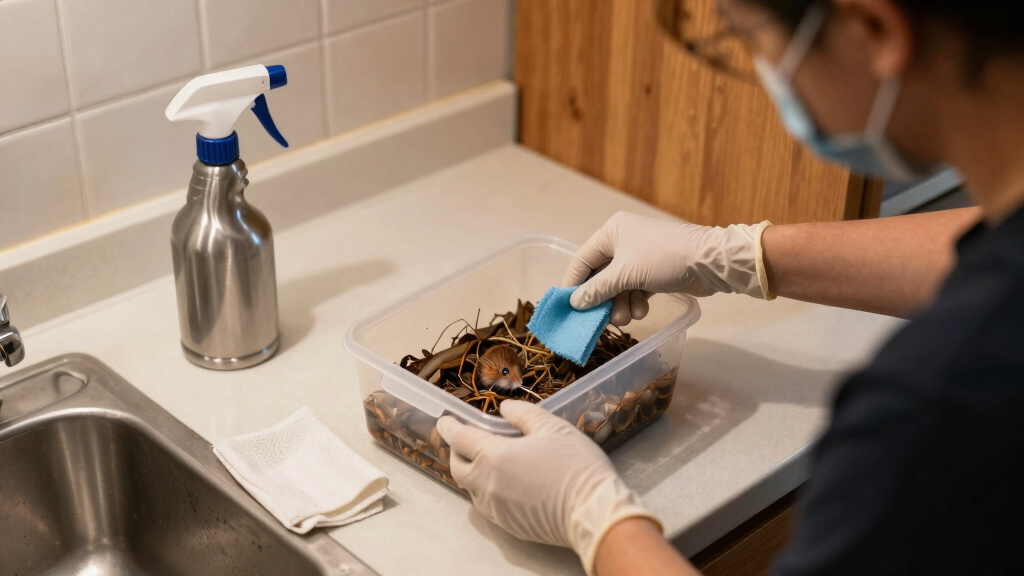
Health officials advise that the risk to the general public remains minimal if proper precautions are taken, such as avoiding contact with rodent habitats and cleaning up rodent droppings carefully. Authorities are investigating whether environmental factors, such as increased rodent populations, contributed to the recent cases. The CDC has issued guidance on how to reduce exposure, emphasizing hygiene and rodent-proofing homes.
Why It Matters
This development matters because hantavirus can cause severe respiratory illness and has a high fatality rate in some cases. While the overall risk remains low, the recent cases highlight the importance of awareness and preventive measures, especially in areas with known rodent infestations. Public health agencies are monitoring the situation closely to prevent further cases and to provide accurate information to the public.

0000 Steel Wool for Mice Control – 24Pack Fine Grade Stainless Steel Wool for Filling Holes, Rodent Proofing & Home Protection – Metal Wool for Gaps, Wood & Metal Surfaces
✅Keep Out Unwanted Guest – When the weather turns cold,Rats will always get into the house from various…
As an affiliate, we earn on qualifying purchases.
As an affiliate, we earn on qualifying purchases.
Background
Hantavirus is a rare disease first identified in the 1990s, with outbreaks typically linked to increased rodent activity. Historically, cases have been sporadic, with most occurring in rural or suburban areas. The current reports follow a period of increased rainfall and warmer weather, conditions conducive to rodent population growth. Previous outbreaks have prompted health advisories, but widespread transmission remains uncommon.
“While we have confirmed several cases recently, the risk to the general public remains low if appropriate precautions are taken.”
— Dr. Jane Smith, CDC spokesperson
“Hantavirus transmission is primarily through contact with rodent excreta; human-to-human transmission is exceedingly rare.”
— Dr. Robert Lee, infectious disease specialist
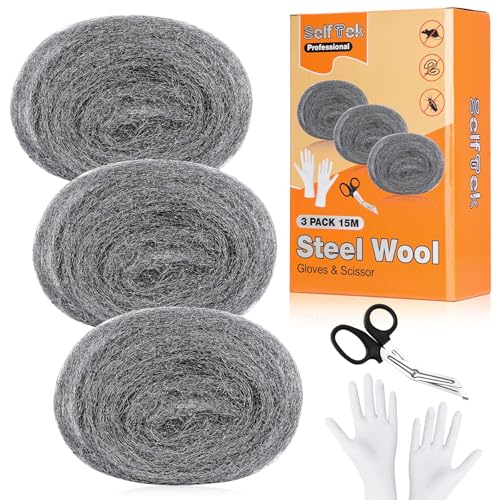
SelfTek Steel Wool for Mice Control, 15 Meter Wire Wool Mice Blocker for Rodent Control, Cleaning, Wall Hole Gap Filler for Home & Garage, DIY Bundle with Gloves and Scissors- 3 Pack, 2.9" x 16.4 ft
【High-Quality Steel Wool】- We select grade 2B steel wool which is made of high quality fine steel fibres,…
As an affiliate, we earn on qualifying purchases.
As an affiliate, we earn on qualifying purchases.
What Remains Unclear
It is still unclear whether the recent cases are part of a larger emerging pattern or isolated incidents. The extent of environmental factors contributing to the cases is under investigation, and the potential for future outbreaks remains uncertain.

Lysol Disinfectant Spray, Household Cleaning Supplies, Disinfecting Multi-Purpose Room Spray, Antibacterial Sanitizer, Deodorizer, Kills Hantavirus, Crisp Linen, 19 Fl Oz (Pack of 2)
LYSOL DISINFECTANT SPRAY: This household essential is tested and proven to kill 99.9% of viruses and bacteria(1), including…
As an affiliate, we earn on qualifying purchases.
As an affiliate, we earn on qualifying purchases.
What’s Next
Public health agencies will continue monitoring the situation, investigate environmental factors, and update guidelines as needed. Authorities are also expected to increase public awareness campaigns in affected regions to prevent further cases.

iTrap Mice & Rat Bait Stations – 2 Pack Rodent Control Boxes, Child & Pet-Safe Locking Design, Indoor/Outdoor Use with Mounting Brackets
HASSLE-FREE SETUP: Simply fill the removable bait reservoir, secure it with the metal bait bar, and you're all…
As an affiliate, we earn on qualifying purchases.
As an affiliate, we earn on qualifying purchases.
Key Questions
How is hantavirus transmitted?
Hantavirus is mainly transmitted through contact with infected rodent droppings, urine, or saliva. Human-to-human transmission is extremely rare.
What are the symptoms of hantavirus?
Symptoms include fever, muscle aches, and fatigue, which can progress to severe respiratory problems. Early medical attention is crucial.
Should I be worried if I live in an area with rodents?
While the risk is low, it is advisable to take precautions such as sealing rodent entry points, cleaning rodent droppings carefully, and maintaining hygiene to reduce exposure.
Are there treatments or vaccines for hantavirus?
There is no specific antiviral treatment or vaccine currently available. Supportive care in hospitals is the primary approach.
What should I do if I suspect I have been exposed?
If you experience symptoms after potential exposure, seek medical attention promptly. Early diagnosis can improve outcomes.

![[World Report] “We don’t want it to happen to others”: suicide in young Māori](https://breatheatlas.com/wp-content/uploads/2026/05/world-report-we-don-t-want-it-to-happen-to-others-suicide-in-young-m-ori-featured-560x300.jpg)