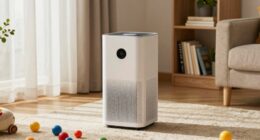
During wildfire events, your indoor air quality becomes more vulnerable, so you need to prioritize monitors that fit your specific exposure risks. Different homes face varied challenges, like smoke infiltration or indoor pollution sources. Using the right tools, like real-time air quality monitors and HEPA filters, helps you stay alert and react quickly. Tailoring your monitoring strategies guarantees you’re protected and prepared. Keep going to discover which priorities can make the biggest difference for your household.
Key Takeaways
- Wildfire smoke levels fluctuate rapidly, requiring prioritized monitoring to protect vulnerable household members effectively.
- Different areas within a home may experience varying smoke infiltration, necessitating targeted sensor placement.
- Prioritizing real-time alerts helps households make timely decisions about staying indoors or evacuating.
- Monitoring specific pollutants like particulate matter (PM2.5) is crucial for assessing immediate health risks.
- Tailored monitoring strategies support proactive measures, such as sealing entry points and running air purifiers efficiently.
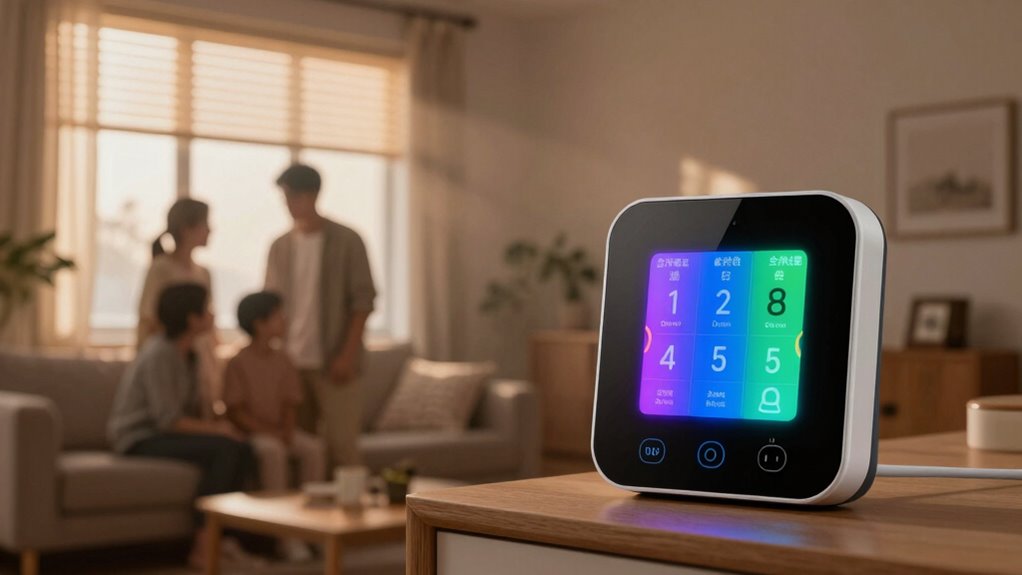
As wildfires become more frequent and intense, households are increasingly prioritizing their safety by closely monitoring smoke exposure and its impacts. You recognize that wildfire smoke can infiltrate your home, affecting indoor air quality and posing serious health risks. Because of this, your monitoring priorities need to adapt to ensure you’re prepared and protected. You understand that indoor air quality isn’t just about comfort; it’s about safety during wildfire events. Poor air quality inside your home can cause respiratory issues, aggravate allergies, or worse, lead to long-term health problems. That’s why you focus on tools and strategies that help you gauge smoke levels indoors, from air purifiers to air quality monitors. These devices give you real-time data, so you can make quick decisions about whether to stay inside or take additional precautions, such as sealing windows or evacuating.
Emergency preparedness becomes more critical with wildfire smoke. You know that having a plan in place isn’t enough—you need the right tools and information to act swiftly when smoke levels spike. This means keeping a stock of N95 masks, ensuring your air filters are functioning properly, and knowing how to seal your home against smoke infiltration. You also recognize that early warning systems, such as local alerts or air quality apps, can provide vital information that prompts you to take protective steps. Your goal is to minimize exposure and protect your family’s health by staying informed and ready to respond. Understanding how biodiversity can influence wildfire behavior emphasizes the importance of community-wide conservation efforts to reduce fire risks. Additionally, effective monitoring allows you to respond promptly and avoid unnecessary health hazards. Maintaining a good understanding of air quality indices can help you interpret real-time data more effectively and make better-informed decisions. To enhance your preparedness, you might also consider integrating smart home technology that can automate some responses to changing air quality conditions.
Prioritizing your monitoring efforts isn’t just about reacting to smoke; it’s about proactive prevention. You invest in high-quality air purifiers with HEPA filters, which can significantly improve indoor air quality during wildfire events. Regular maintenance of these devices ensures they operate at peak efficiency when you need them most. Additionally, you establish routines like checking air quality reports daily, especially during wildfire season. This proactive approach helps you avoid surprises and keeps your household safe. Moreover, understanding the sources of indoor pollution can help you identify additional steps to improve air quality and reduce health risks during wildfire events.
Ultimately, your focus on indoor air quality and emergency preparedness during wildfire events isn’t just about reacting to smoke; it’s about staying ahead of the threat. You understand that each wildfire season could bring new challenges, and being prepared with the right priorities makes all the difference. By closely monitoring indoor air quality and having a solid emergency plan, you’re taking essential steps to safeguard your home and loved ones from the dangers of wildfire smoke.

16 in 1 Air Quality Monitor Indoor 7" Wildfire CO2 Monitor, 9 AQI+7 Alerts
- 16-in-1 Indoor Air Quality Monitoring: Detects 9 key parameters including CO2 and PMs
- 7-inch Large LED Display: Clear, instant air quality readings with adjustable brightness
- High-Precision External Sensors: Accurate to 0.001 units for reliable detection
As an affiliate, we earn on qualifying purchases.
As an affiliate, we earn on qualifying purchases.
Frequently Asked Questions
How Often Should Wildfire Smoke Monitors Be Calibrated?
You should calibrate wildfire smoke monitors at least once every six months to maintain ideal sensor accuracy. Regular calibration ensures the device provides reliable readings, especially during wildfire season when air quality fluctuates rapidly. If you notice inconsistent data or sensor drift, calibrate more frequently. Proper calibration helps you make informed decisions about air quality and keeps your monitoring system functioning effectively during critical times.
Can Portable Monitors Effectively Replace Fixed Household Devices?
Imagine a sudden, smoky haze slipping through your windows—can a portable device truly keep up? Portable monitors excel in measuring indoor air quality on the go, offering advantages like flexibility and quick setup. While they can effectively alert you to changes, they may lack the consistency of fixed household monitors. Rely on portable devices for immediate insights, but consider a combination for all-encompassing protection during wildfire seasons.
What Is the Recommended Placement for Wildfire Smoke Monitors Indoors?
You should place wildfire smoke monitors indoors where they can best assess indoor air quality. Position them at nose level, ideally on a wall away from windows, doors, or vents that could distort readings. Keep smoke detector placement consistent with safety guidelines, usually on walls or ceilings, avoiding drafts. Proper placement ensures accurate detection of wildfire smoke, helping you respond promptly and protect your household from harmful air pollutants.
Are There Specific Features to Look for in Wildfire Smoke Monitors?
Think of wildfire smoke monitors as your home’s watchdogs—look for sharp air quality indicators that alert you at the first sign of trouble. Prioritize devices with durable construction that can withstand smoky, dusty conditions. Features like real-time alerts, easy calibration, and reliable sensors guarantee you’re always aware of your air quality. With a sturdy, feature-rich monitor, you’ll stay one step ahead of dangerous smoke and protect your household effectively.
How Do Monitor Priorities Change During Different Wildfire Stages?
During different wildfire stages, your monitor priorities shift to protect indoor air quality and support emergency preparedness. In early stages, focus on real-time indoor air quality to detect smoke infiltration. As fires intensify, prioritize monitors that alert you to dangerous pollutants. When smoke persists, guarantee your system emphasizes indoor air safety, helping you make informed decisions for ventilation or evacuation, and keeping your household safe from long-term health effects.

LEVOIT Air Purifier for Home Allergies and Pets Hair Smokers in Bedroom, H13 True HEPA Filter, 24db Filtration System Cleaner Odor Eliminators, Remove 99.97% Dust Smoke Mold Pollen, Core 300, White
- AHAM Verified for Performance: Independently tested for air quality and efficiency
- Powerful Filtration System: 56W motor with 143 CFM CADR
- Effective for Large Rooms: Cleans 222 sq ft 4.8 times/hour
As an affiliate, we earn on qualifying purchases.
As an affiliate, we earn on qualifying purchases.
Conclusion
In the end, prioritizing wildfire smoke monitors isn’t just a modern necessity—it’s as essential as a knight’s armor in medieval times. You need to stay ahead of the smoke’s sneaky moves, adjusting your priorities based on your household’s unique needs. Remember, a well-chosen monitor can be your shield, protecting everyone inside. Don’t wait for a dragon to breathe fire before acting; be proactive now, or risk being caught unprepared like a knight without his trusty steed.
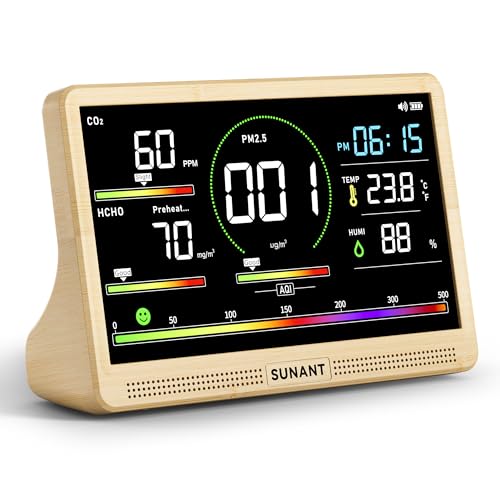
16-in-1 Air Quality Monitor Indoor, 7' Smart Large Display 9 AQI+7 Alarm Alerts, Real Time CO2, Formaldehyde, TVOC, PM2.5, PM10, Temperature & Humidity Portable Battery Powered Tester for Home, Office
- 16-in-1 Air Quality Monitoring: Detects 9 key indoor air parameters
- High-Precision External Sensors: Provides accurate, fast data updates
- Real-Time AQI Alerts: Includes 7 alert modes with mute function
As an affiliate, we earn on qualifying purchases.
As an affiliate, we earn on qualifying purchases.

3M Aura Particulate Respirator 9205+, N95, Pack of 20 Disposable Respirators, Individually Wrapped, 3 Panel Flat Fold Design Allows for Facial Movements, Comfortable, NIOSH Approved, Smoke
- NIOSH Approved: N95 filtration for 95% particle protection
- Reduces Eyewear Fogging: Embossed top panel minimizes fogging
- Comfortable Fit: Soft inner material with adjustable nose clip
As an affiliate, we earn on qualifying purchases.
As an affiliate, we earn on qualifying purchases.