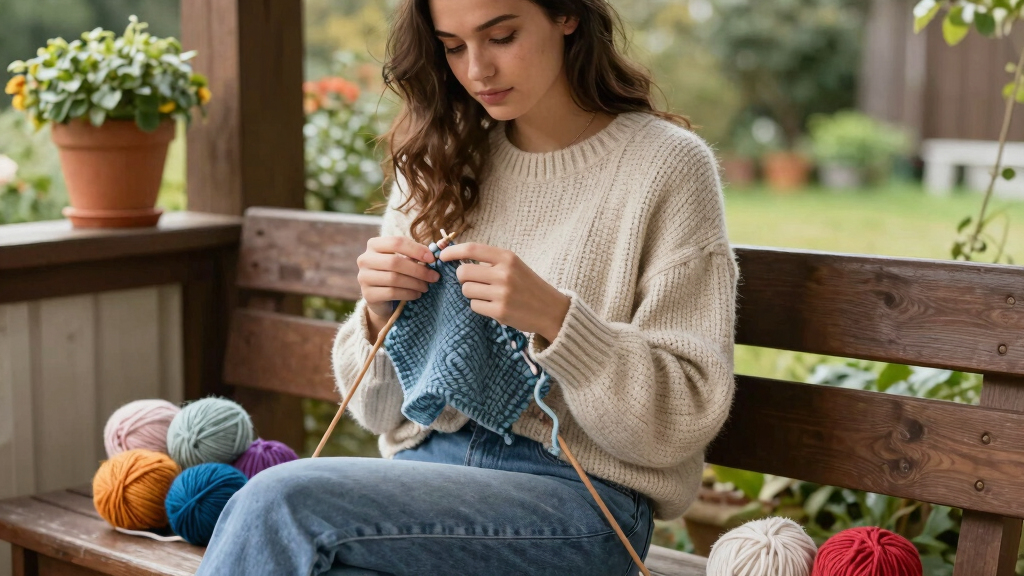

TL;DR
Millennials and Gen Z are adopting ‘grandma hobbies’ such as knitting and baking, driven by a desire for mindfulness and community. This trend reflects changing attitudes toward leisure and mental health.
Young adults from the Millennial and Gen Z generations are increasingly engaging in traditional hobbies often associated with older generations, such as knitting, baking, and gardening, according to recent social media analyses and surveys. This shift signals a change in leisure preferences and attitudes toward mental health and community connection among younger demographics.

Get health and wellness essentials delivered free with Prime
- Fast, free delivery on millions of items
- Prime Video, Amazon Music and more included
- Member-only deals all year
Impact of ‘Grandma Hobbies’ on Young Adults’ Wellbeing
This trend highlights a growing emphasis among Millennials and Gen Z on mental health and community-building activities. Engaging in traditional hobbies may serve as a form of mindfulness, helping young people cope with stress and digital fatigue. Additionally, it indicates a shift away from consumerism toward more sustainable, hands-on leisure activities, potentially influencing future lifestyle choices and social interactions.Products Worth Considering

BowFlex Results Series 552 SelectTech Adjustable Dumbbell

Withings Body Scan Smart Scale

Therabody SmartGoggles 2nd Gen Heated Eye and Temple Massager
As an affiliate, we earn on qualifying purchases.
Rise of Traditional Hobbies Among Young Generations
Historically, hobbies like knitting, gardening, and baking have been associated with older generations. However, recent years have seen a resurgence among Millennials and Gen Z, driven by social media trends and a renewed focus on mental health. The COVID-19 pandemic accelerated this shift, as many young people sought offline activities for relaxation and connection. Experts note that this reflects a broader cultural movement toward mindfulness and sustainability, with younger generations seeking meaningful, tangible experiences.“Engaging in traditional hobbies provides a sense of calm and control, especially important for young adults facing unprecedented stress levels.”
— Dr. Lisa Chen, psychologist
Unclear Long-Term Adoption and Cultural Impact
It is not yet clear whether this trend will lead to sustained lifestyle changes among Millennials and Gen Z or remain a temporary fad. Researchers are monitoring whether these hobbies will influence broader cultural shifts toward sustainability and mental health practices or fade as pandemic-related stress diminishes.Monitoring the Growth and Sustainability of the Trend
Researchers and industry experts will observe whether young adults continue to prioritize traditional hobbies in the coming years. Social media analytics and surveys will track sustained engagement, while businesses may expand product offerings targeting this demographic. Additionally, mental health organizations may explore partnerships to promote mindfulness activities among youth.Key Questions
Why are young adults suddenly interested in ‘grandma hobbies’?
Many young adults cite stress relief, nostalgia, and a desire for meaningful offline activities as reasons for adopting traditional hobbies like knitting and baking. Social media trends and the pandemic’s impact on mental health have also played significant roles.
Are these hobbies just a passing trend or a lasting change?
It is currently uncertain whether this trend will have long-term staying power. Experts are watching whether sustained engagement and cultural shifts toward mindfulness and sustainability will support lasting change.
How is social media influencing this hobby revival?
Hashtags such as #GrandmaHobbies and #MillennialCrafts have popularized these activities, creating online communities that encourage participation and sharing, thus fueling the trend’s growth among young users.
What mental health benefits are associated with these hobbies?
Engaging in traditional hobbies can promote mindfulness, reduce stress, and foster a sense of community, which are important for mental health, especially during times of widespread uncertainty and digital fatigue.
Will this trend influence future consumer markets?
Potentially, yes. Businesses may expand product lines related to traditional hobbies, and there could be a broader cultural shift toward sustainable, handmade, and community-oriented leisure activities among young consumers.
Source: rss