One common mistake that makes bedrooms uncomfortable is ignoring proper humidity levels. Too much humidity can cause mold, dust mites, and allergies, while too little dries out your skin and irritates your eyes and lungs. Without adjusting humidifiers, dehumidifiers, or improving airflow, you’re likely to experience persistent discomfort. Maintaining the right balance between 40% and 60% humidity is key, and there’s more to know about keeping your bedroom cozy and healthy.

Get health and wellness essentials delivered free with Prime
- Fast, free delivery on millions of items
- Prime Video, Amazon Music and more included
- Member-only deals all year
Key Takeaways
- Overusing humidifiers can raise humidity above recommended levels, promoting mold and dust mites.
- Failing to monitor humidity regularly leads to unbalanced indoor moisture, causing discomfort.
- Neglecting proper air circulation allows excess humidity or dryness to linger, worsening room comfort.
- Using only dehumidifiers without considering ventilation may create stale, overly dry air.
- Ignoring natural airflow sources results in stagnant air, exacerbating humidity-related discomfort.

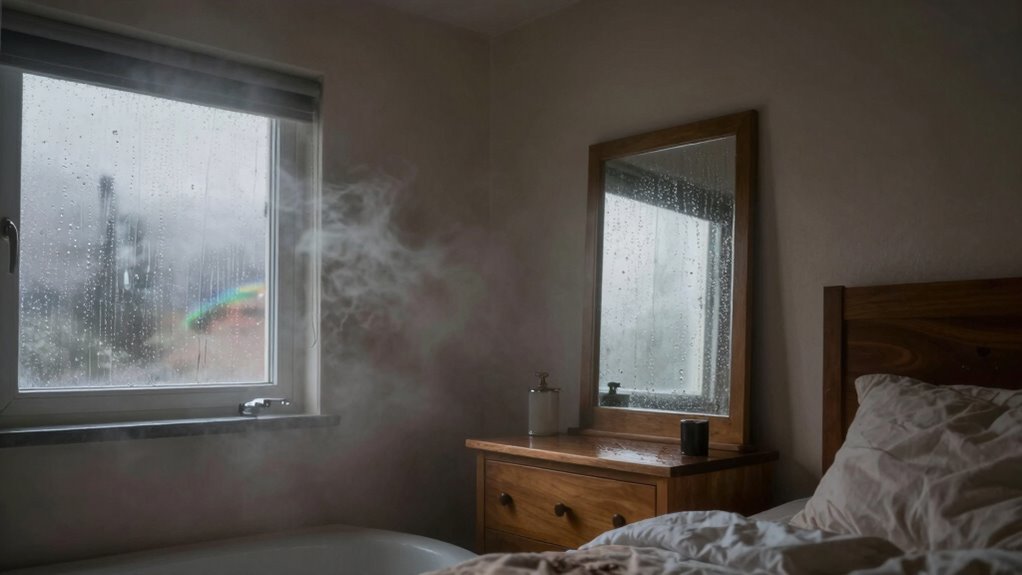
Many people overlook how humidity levels can turn a bedroom into an uncomfortable space. When humidity is either too high or too low, it affects your comfort, sleep quality, and even your health. One of the biggest mistakes you might make is neglecting proper air circulation and humidity regulation. Without adequate airflow, moisture can become trapped, creating a damp environment that fosters mold, dust mites, and bacteria, all of which can worsen allergies and respiratory issues. Conversely, poor air circulation can also lead to overly dry air, causing dry skin, irritated eyes, and difficulty breathing. Managing these factors is key to maintaining a balanced and comfortable bedroom environment.
Neglecting air circulation and humidity control can turn your bedroom uncomfortable and unhealthy.
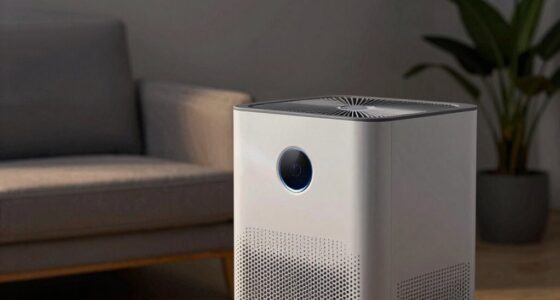
Humid environments are often caused by excess moisture, which can stem from various sources like weather, indoor activities, or even poor ventilation. If you don’t actively improve air circulation, the stale, humid air will linger, making the room feel muggy and sticky. This can disrupt your sleep, making it hard to breathe comfortably or causing you to wake up feeling clammy. To prevent this, you should guarantee your bedroom has good airflow. Opening windows regularly, using fans, or installing an air purifier with a ventilation feature can help circulate air effectively. When air circulates properly, it disperses excess humidity, preventing moisture buildup and creating a fresher atmosphere. Additionally, understanding your indoor air quality can help you identify when humidity levels are out of balance. Regularly checking humidity levels with a hygrometer can help you stay ahead of potential issues. Proper air circulation is also essential in preventing stagnant air that traps moisture.
On the other hand, if the air in your bedroom becomes too dry—especially during winter or in heated spaces—you’re likely to experience discomfort and health issues. Dry air can cause your skin to itch, your throat to become sore, and your sinuses to dry out. This is where humidity regulation becomes essential. Using a humidifier can add moisture back into the air, but it’s important to monitor and maintain the right humidity level—generally between 40% and 60%. Too much humidity can lead to mold growth and dust mites, so balancing it is critical. You can use a hygrometer to keep track of humidity levels, adjusting your humidifier or dehumidifier accordingly. An optimal indoor humidity level not only improves comfort but also supports overall health and respiratory function. Proper air exchange can help prevent the buildup of stale air that worsens dryness or humidity issues. The key to avoiding these humidity mistakes is understanding your room’s airflow and moisture levels. Regularly improving air circulation ensures stale, humid air doesn’t stagnate, while humidity control devices help you maintain a healthy moisture balance. When you pay attention to these elements, your bedroom transforms into a space that promotes restful sleep and healthier living. Poor air circulation and improper humidity regulation are common pitfalls, but with simple adjustments, you can create a more comfortable, inviting environment that works for you.
digital hygrometer for indoor humidity
As an affiliate, we earn on qualifying purchases.
As an affiliate, we earn on qualifying purchases.
Frequently Asked Questions
How Does Humidity Affect Allergy Symptoms in Bedrooms?
High humidity levels in your bedroom can worsen allergy symptoms by increasing airborne allergens like dust mites and mold spores. When the air is too moist, mold growth thrives, releasing spores that aggravate allergies. Conversely, low humidity can dry out your nasal passages, making you more sensitive. Maintaining ideal humidity—around 40-50%—helps control airborne allergens and mold, creating a healthier, more comfortable environment for your allergies.
Can Low Humidity Cause Damage to Bedroom Furniture?
Yes, low humidity can cause serious damage to your bedroom furniture. It’s like turning your prized pieces into brittle, cracked relics overnight! When humidity drops, wood loses its moisture, risking warping and splitting. Plus, it hampers furniture preservation efforts and makes mold prevention nearly impossible. To keep your furniture intact and mold-free, maintain ideal humidity levels, and avoid the destructive effects of overly dry air in your bedroom.
What Is the Ideal Humidity Level for a Bedroom?
You should aim for a bedroom humidity level around 40-50% for ideal comfort. Proper humidity control helps prevent mold growth and keeps the air fresh. Too high humidity can lead to mold and musty smells, while too low causes dryness and irritation. Maintaining this balance ensures a cozy environment, supports better sleep, and protects your furniture from damage caused by excess moisture or dryness.
How Often Should I Check My Bedroom’s Humidity?
You should check your bedroom’s humidity daily, especially during seasonal changes, to maintain ideal air quality and prevent mold growth. Use a hygrometer to monitor levels, aiming for 40-60%. Regular checks help you catch any fluctuations early, reducing the risk of mold and ensuring your space stays comfortable. Consistent monitoring supports better air quality and keeps your bedroom healthy and mold-free.
Does Humidity Impact Sleep Quality Significantly?
Humidity levels markedly impact your sleep environment, affecting your comfort and quality of rest. When humidity is too high, you might feel muggy and restless; too low, and your skin and airways dry out. Balancing humidity creates a calm, cozy climate that promotes peaceful sleep. Maintaining ideal humidity levels helps you fall asleep faster, stay asleep longer, and wake up refreshed, making a huge difference in your overall sleep quality.
automatic humidifier for bedroom
As an affiliate, we earn on qualifying purchases.
As an affiliate, we earn on qualifying purchases.
Conclusion
By avoiding this humidity mistake, you can transform your bedroom into a cozy haven rather than a stuffy trap. Think of humidity levels as the Goldilocks zone—just right for comfort. When you strike that perfect balance, you’ll breathe easier and rest better. Don’t let improper humidity turn your sanctuary into a discomfort zone; instead, master it like a gentle hand guiding you to a peaceful, restful night.
As an affiliate, we earn on qualifying purchases.
As an affiliate, we earn on qualifying purchases.
Columbus Day / Indigenous Peoples' Day Picks
long weekend sales
As an affiliate, we earn on qualifying purchases.